






We’ve all heard the mantra that aggressive list growth is the primary driver of eCommerce success, leading many brands to believe that a larger database naturally equates to higher revenue. But what if this obsession with volume is actually sabotaging your deliverability and leaving significant money on the table? For high-growth eCommerce businesses, the hidden cost of inaction lies in the accumulation of inactive subscribers and decaying data, which act as a silent ceiling on your revenue expansion by dragging your sender reputation into the spam folder and diluting your most critical audience engagement metrics.
The hard reality is that a bloated, unmanaged list is a liability that destróis Customer Lifetime Value (LTV) and creates massive technical debt. Transitioning to a proactive email list management strategy is not just a cleaning chore; it is a strategic necessity that ensures your marketing engine remains lean, responsive, and highly profitable. This guide outlines eight essential best practices to help you qualify subscribers, group them by shared behaviors, and prune the dead weight, ensuring every automated workflow and campaign becomes a high-performance driver for scalable growth.
What is email list management and how does it work?
Email list management is the systematic process of building, organizing, and maintaining a database of contacts to ensure high deliverability and engagement. In the context of a high-growth WooCommerce store, it is the technical foundation that prevents your marketing efforts from being throttled by spam filters or inflated by dead weight. It works by implementing a continuous cycle of data hygiene and audience stratification, moving beyond simple collection to active list optimization.
- Data Hygiene: Regularly purging invalid addresses, role accounts, and hard bounces to protect your sender reputation and reduce platform costs.
- Behavioral Monitoring: Tracking engagement metrics like open rates and click-throughs to identify and isolate unengaged subscribers before they impact your overall deliverability.
- Strategic Segmentation: Partitioning your list based on transactional data, such as purchase history or product interests, to ensure every communication is hyper-relevant to the recipient.
By treating your email list as a dynamic asset rather than a static repository, you create a responsive ecosystem that adapts to changing consumer behaviors. This proactive approach involves setting clear expectations during sign-up, leveraging double opt-ins to ensure high-intent leads, and utilizing automated re-engagement flows to either win back slipping customers or decisively remove them from your active sending pool to maintain a healthy, conversion-ready database.

Why is email list management important for WooCommerce growth?
For high-growth WooCommerce stores, your email list is not just a database; it is a depreciating asset that requires active maintenance to remain profitable. As your store scales, the sheer volume of data can mask underlying deliverability issues. Ineffective list management leads to “list rot,” where inactive subscribers and outdated data trigger spam filters, causing your mission-critical promotional and transactional emails to bypass the primary inbox entirely. By prioritizing list hygiene, you protect your sender reputation and ensure that your infrastructure can support rapid revenue expansion without technical bottlenecks.
- Maximizing ROI and Efficiency: Sending emails to unengaged or non-existent addresses wastes marketing budget and skews performance data, making it impossible to accurately attribute which campaigns are driving true WooCommerce growth.
- Enhancing Customer Personalization: Proper list management allows for granular segmentation based on purchase history and behavior, ensuring you deliver hyper-relevant offers that increase Customer Lifetime Value (LTV) rather than generic blasts that drive unsubscribes.
- Safeguarding Deliverability: Proactively removing inactive subscribers and hard bounces signals to ISPs that you are a high-quality sender, which is essential for maintaining high placement rates in competitive Gmail and Outlook inboxes.
Ultimately, a clean list acts as the engine for your automated marketing workflows. When your database is segmented and pruned, your triggers—such as abandoned cart recovery and post-purchase sequences—operate at peak efficiency. This technical diligence transforms email from a simple communication tool into a robust growth lever, allowing you to focus on strategic scaling rather than reactive troubleshooting of deliverability crises.
How to manage email lists for high engagement?
For high-growth WooCommerce stores, high engagement is not a product of luck but a result of rigorous list hygiene and data-driven categorization. Managing your email list effectively requires moving beyond a static database and treating your subscribers as dynamic segments that evolve based on their purchase history and interaction patterns. By maintaining a clean infrastructure, you ensure that your deliverability remains high and your messaging remains relevant to the exact state of the customer lifecycle.
- Dynamic Segmentation: Automate the grouping of subscribers based on real-time WooCommerce data, such as last purchase date, total spend, or product categories viewed. This allows you to trigger highly specific content that resonates with the recipient’s current interests rather than sending generic broadcasts.
- Behavioral Tagging: Implement tracking to monitor how subscribers interact with your emails. Use these engagement signals to separate your “Power Users” from those who are drifting toward inactivity, allowing you to adjust send frequency and content depth accordingly.
- Sunset Policies: Establish automated workflows to identify and remove subscribers who have not engaged with your content over a specific period. While reducing your list size may seem counterintuitive, purging inactive leads protects your sender reputation and ensures your engagement metrics reflect a truly interested audience.
By prioritizing these management practices, you transform your email list from a simple contact repository into a high-performance asset. This strategic oversight reduces the noise in your data and allows you to focus your marketing resources on the segments that drive the highest return on investment and long-term brand loyalty.
What are the best email list management practices for eCommerce?
For high-growth WooCommerce brands, the technical integrity of your email list is the foundation of your deliverability and revenue potential. Effective list management is not merely about size; it is about maintaining a high-quality database of active, verified users. Implementing rigorous hygiene protocols ensures that your transactional and promotional messages bypass the scrutiny of ISP spam filters, which increasingly penalize senders with high bounce rates or low engagement signals.
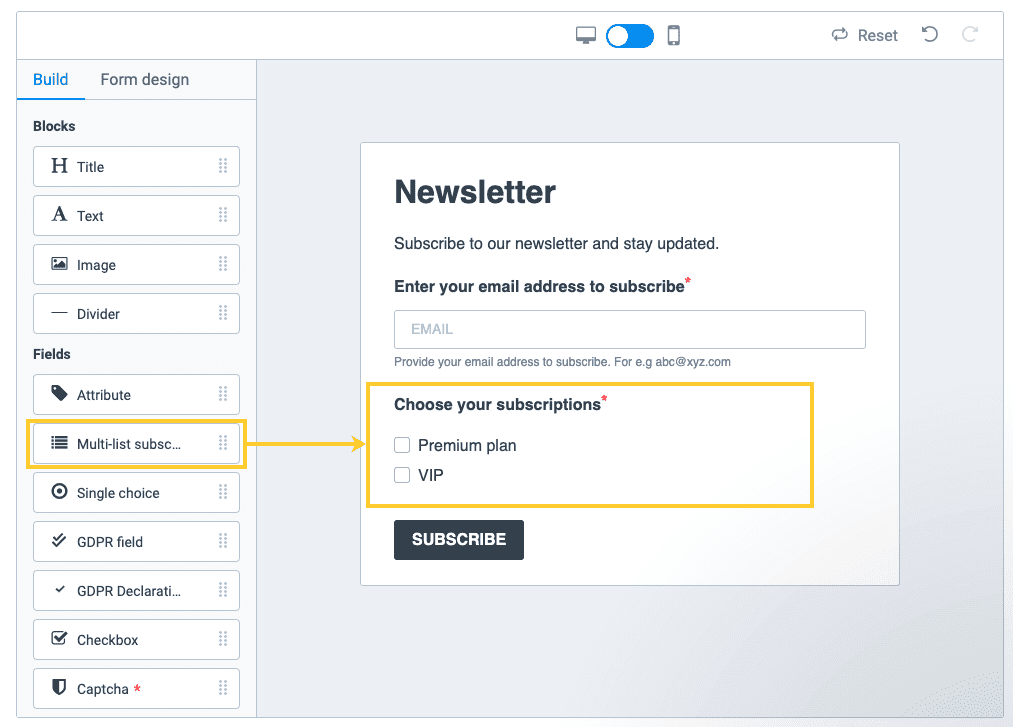
- Implement Double Opt-In: Use a two-step verification process to eliminate bot-generated addresses and typos, ensuring every subscriber has a valid inbox and genuine intent.
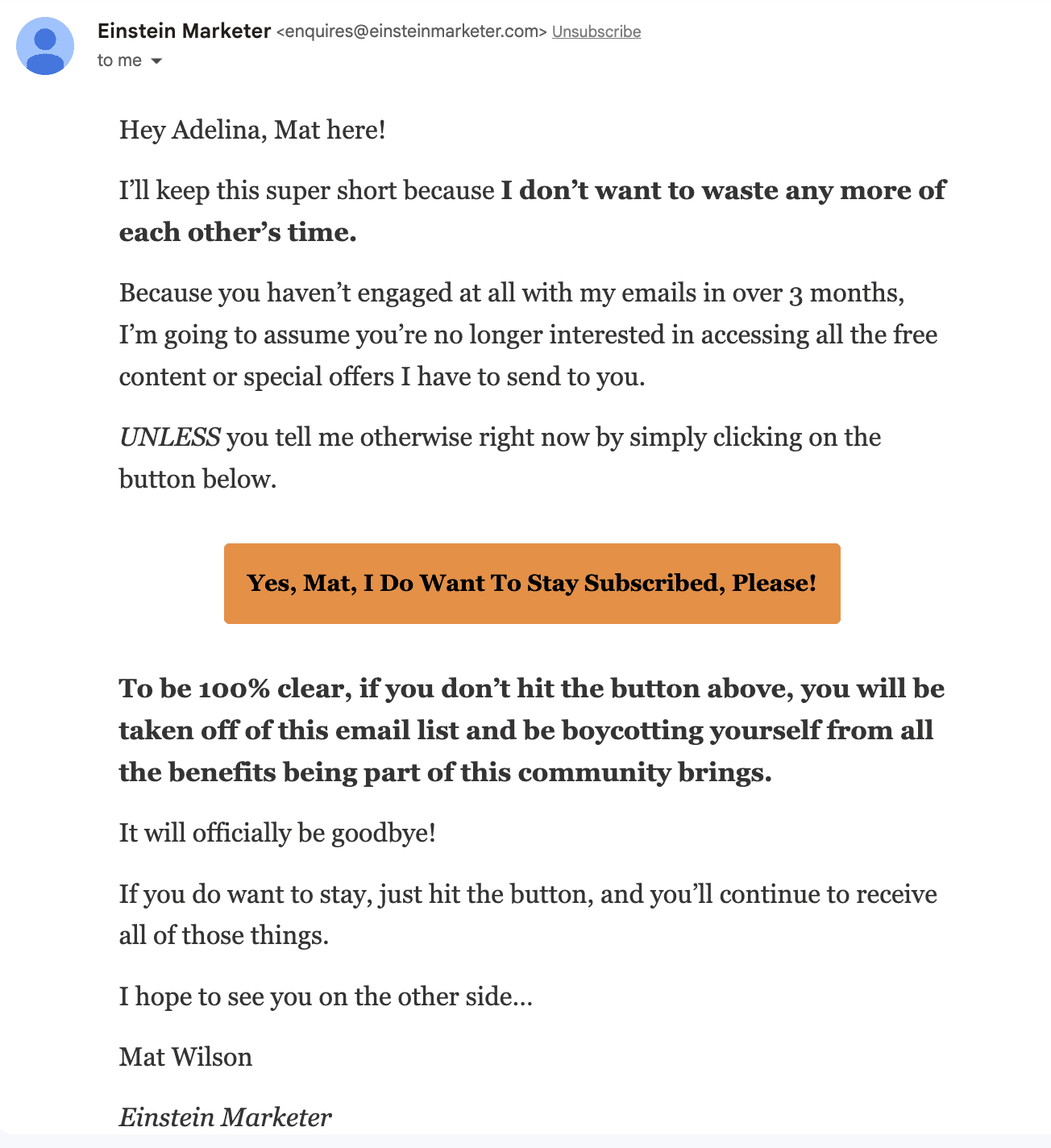
- Execute Sunset Policies: Define a strict period of inactivity—typically 6 to 12 months—after which non-engaging subscribers are either moved to a re-engagement flow or suppressed to protect your sender reputation.
- Automate Real-Time Validation: Integrate API-based verification at the point of signup to block disposable or fraudulent email addresses before they enter your CRM and skew your engagement metrics.
Transitioning from manual list maintenance to an automated, data-driven hygiene strategy allows your team to focus on high-level orchestration rather than database cleanup. By prioritizing list health over vanity metrics, you ensure that your WooCommerce store maintains the deliverability necessary to capture revenue during critical sales peaks and maximize the lifetime value of every verified contact.
How to use automation to clean your WooCommerce email list?
For high-growth WooCommerce stores, manual list cleaning is a technical debt that directly impacts your sender reputation and server overhead. Leveraging automation allows you to shift from reactive pruning to a proactive hygiene engine that identifies and handles low-engagement profiles in real-time. By integrating your store data with automated workflows, you ensure that your marketing resources are focused exclusively on high-intent segments, preventing the deliverability decay that occurs when “ghost” subscribers dilute your engagement metrics.
- Sunset Workflows: Implement triggers based on inactivity thresholds—such as 90 days without an open or click—to automatically move dormant users into a re-engagement sequence or a suppression list.
- Double Opt-In Automation: Use automated verification emails for new signups to ensure only valid, high-intent addresses enter your database, eliminating bot-driven bloat at the point of entry.
- Behavioral Tagging: Configure your WooCommerce integration to dynamically tag users based on purchase frequency and site interactions, allowing automation to archive profiles that no longer meet your defined customer lifecycle criteria.
Transitioning to an automated cleaning strategy not only saves significant administrative time but also optimizes your Customer Lifetime Value (LTV) by ensuring your messaging remains relevant. This technical rigor protects your domain authority and ensures that when you scale your outreach, your infrastructure is lean, compliant, and optimized for maximum inbox placement.
Ready to take your e-commerce to the next level?
If your retention efforts feel like they are stalling revenue expansion, or if you suspect that a bloated, unmanaged database is quietly eroding your sender reputation, you are facing a structural barrier to growth. Maintaining a high-engagement email list is not merely about administrative cleanliness; it is a technical necessity that ensures your high-intent messages bypass the latency and deliverability hurdles of modern inbox filters. For high-growth WooCommerce brands, the hidden cost of inaction lies in ignoring these hygiene protocols, which ultimately leads to diminished brand authority and missed opportunities to capture revenue at the exact moment of peak customer intent.
Transitioning from manual list maintenance to a scalable, automated growth engine requires a partner that synchronizes your technical infrastructure with your broader profitability objectives. We act as a strategic extension of your team, helping DTC brands maximize Profit, Retention, and LTV through data-driven systems where tracking, CRM, and automation operate in perfect concert. Our process begins with rigorous, conversion-focused audits to eliminate guesswork and identify the exact technical bottlenecks in your customer journey. If you are ready to move beyond vanity metrics and build a resilient infrastructure that maximizes ROAS, book your audit today.