





Many enterprise merchants operate under the misconception that staying the course with a sunsetting platform is the path of least resistance, or that the mandated leap to Magento 2 is a simple evolutionary step. But this belief is leading high-growth brands into a dangerous bottleneck: with support for legacy versions disappearing, your store is left exposed to security vulnerabilities and technical debt that actively hemorrhages revenue. Choosing to ignore the reality that Magento 2 is a complete rebuild—often requiring up to four months of expensive development just to regain baseline functionality—is a hidden cost of inaction that drains capital away from your core growth initiatives.
The hard truth is that your eCommerce infrastructure should be a catalyst for revenue expansion and Customer Lifetime Value (LTV), not a fragile system that requires constant, specialized maintenance. When you are locked into a complex, rigid codebase, you lose the agility to integrate the sophisticated email and SMS marketing flows that turn one-time buyers into loyal advocates. Shifting to WooCommerce is the strategic pivot necessary to decouple your brand from platform-induced friction, allowing you to reclaim your margins and build on an open ecosystem designed for scalable growth and superior customer experience.
Stop the Revenue Leak: Why Magento 1 Support EOL Demands an Immediate Pivot
The end-of-life (EOL) for Magento 1 is not merely a technical milestone; it is a critical financial liability. Operating on a platform without official security patches leaves your store vulnerable to automated exploits, SQL injections, and data scraping. Beyond the immediate threat of a catastrophic breach, staying on a dead platform triggers a steady revenue leak through mounting technical debt, increased maintenance costs for legacy code, and the looming risk of losing PCI compliance, which can result in heavy fines and the revocation of credit card processing privileges.
- Security Obsolescence: Without official patches, zero-day vulnerabilities remain unaddressed, making your customer data an easy target for sophisticated cyberattacks.
- Operational Friction: The massive resource requirement for a Magento 2 migration—often spanning four months of intensive development—creates a significant opportunity cost where growth initiatives are sidelined for infrastructure survival.
- Performance Degradation: Legacy systems lack the optimizations of modern frameworks, resulting in slower load times and a poor user experience that directly correlates to higher cart abandonment rates.
The strategic pivot to WooCommerce addresses this revenue leak by offering a more agile and cost-effective ecosystem. Unlike the rigid and complex rebuild required by Magento 2, WooCommerce allows merchants to reclaim their operational efficiency with a more intuitive interface and lower total cost of ownership. By migrating now, you stop the drain on your development budget and shift your resources toward high-impact conversion optimization and customer acquisition strategies that drive actual growth.
Reclaiming Scalability: How WooCommerce Automation Fuels 10x Operational Efficiency
The transition from Magento to WooCommerce is more than a security pivot; it is an opportunity to dismantle the operational bottlenecks inherent in Magento’s rigid architecture. While Magento often requires a specialized developer for even minor configuration changes, WooCommerce’s open ecosystem allows high-growth brands to reclaim scalability by automating repetitive backend tasks. By shifting the focus from manual maintenance to automated growth workflows, stores can achieve a significant increase in operational efficiency, allowing the core team to focus on high-impact strategy rather than platform troubleshooting.
To maximize this efficiency after migration, consider automating these three critical operational layers:
- Synchronized Inventory & Order Routing: Utilize robust integrations to automate real-time inventory updates across multiple channels and fulfillment centers, eliminating the manual reconciliation common in complex Magento setups.
- Automated Customer Lifecycle Flows: Implement trigger-based communication for order tracking, loyalty rewards, and review requests that sync directly with your customer database, ensuring consistent engagement without manual oversight.
- Dynamic Technical Maintenance: Leverage WooCommerce-optimized managed hosting to automate security patching, database optimization, and backups, significantly reducing the developer hours previously dedicated to Magento’s infrastructure management.
By centralizing these processes within the WooCommerce framework, merchants can effectively decouple their business growth from their headcount. This streamlined operational model ensures that as transaction volume increases, the complexity of managing the store does not, providing a sustainable foundation for long-term Customer Lifetime Value (LTV) expansion.
Unlocking High-Converting Email and SMS Flows with Seamless Data Migration
The transition from Magento to WooCommerce provides a critical opportunity to audit and clean your customer database, transforming stagnant records into a high-performance engine for retention. Unlike the siloed nature of many Magento legacy setups, a successful WooCommerce migration allows for the seamless synchronization of historical purchase data with modern marketing automation platforms. By accurately mapping customer lifetime value (LTV), product preferences, and buying frequency during the migration, you enable hyper-personalized email and SMS triggers that feel relevant rather than intrusive.
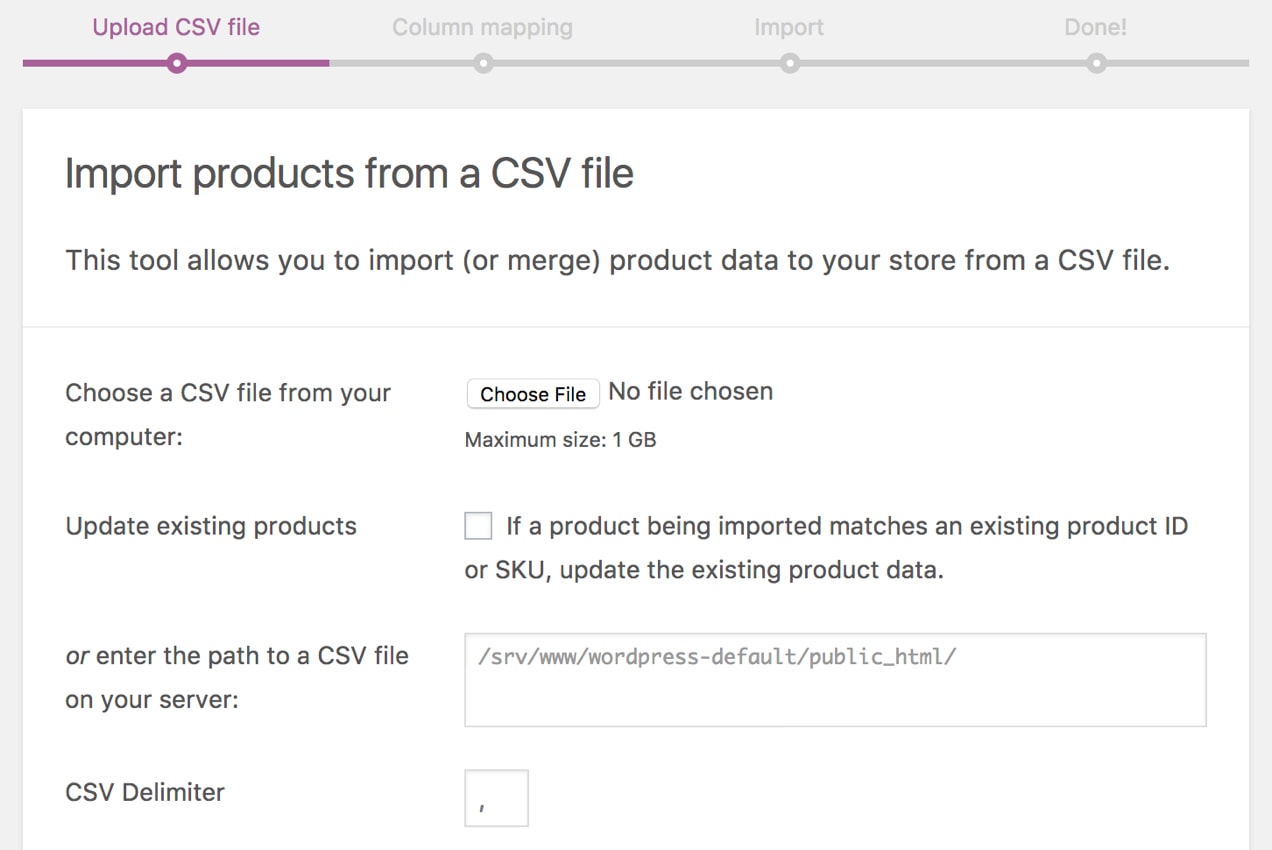
- Historical Data Mapping: Ensure that past order statuses and product categories are correctly mapped to WooCommerce taxonomies so that your automated flows can trigger “win-back” campaigns based on accurate purchase anniversaries.
- Event-Driven Synchronization: Utilize webhooks to feed real-time customer actions from your new WooCommerce store into your SMS and email platforms, allowing for immediate abandoned cart recovery that acknowledges the specific items left behind.
- Segment Integrity: Cleanse your list during the migration process to remove inactive or bounces, ensuring your sender reputation on the new platform is high from day one and your automated flows reach the intended inbox.
Ultimately, the goal of data migration is to ensure that no customer touchpoint is lost in transit. By maintaining a continuous thread of customer behavior from your Magento history into your WooCommerce future, you can deploy sophisticated segmentation strategies—such as VIP rewards or replenishment reminders—that drive immediate ROI. This technical alignment between your store’s backend and your communication channels is what transforms a simple platform move into a long-term growth strategy.
From Complex Technical Debt to Explosive Revenue Growth: The WooCommerce Advantage
The transition from Magento to WooCommerce is more than a security pivot; it is a strategic decommissioning of technical debt. Magento’s architecture often traps high-volume merchants in a cycle of expensive upgrades and high maintenance overhead, which directly cannibalizes the budget for growth-focused initiatives. By migrating to WooCommerce, brands shift from a high-maintenance monolithic model to an agile ecosystem that allows for rapid iteration and significantly lower operational friction.
- Agile Deployment: Unlike the complex, developer-heavy environment of Magento 2, WooCommerce allows for faster testing and deployment of conversion-optimization features, enabling merchants to react to market trends in real-time.
- Resource Reallocation: Reducing the total cost of ownership (TCO) by eliminating excessive server management and specialized development costs frees up capital to be reinvested into high-ROI activities like customer acquisition and retention.
- Ecosystem Integration: Accessing the vast WordPress and WooCommerce plugin library simplifies the integration of advanced marketing automation, SEO tools, and analytics, which are often siloed or overly complex to implement on Magento.
Ultimately, the WooCommerce advantage lies in decoupling your revenue potential from your technical limitations. When your infrastructure is flexible rather than fragile, you can shift your focus from “keeping the lights on” to maximizing Customer Lifetime Value (LTV). This migration transforms a diretrizry security update into a fundamental growth engine, allowing for a more scalable and profitable eCommerce operation.
Future-Proofing Your Customer LTV with a Secure and Flexible eCommerce Ecosystem
The transition from Magento 1 to WooCommerce is not merely a security patch; it is a strategic move to decouple your brand from the cycle of forced, high-cost re-platforming that inherently suppresses Customer Lifetime Value (LTV). In an ecosystem where Magento 2 requires a fundamentally complex rebuild, WooCommerce offers a continuous, non-destructive upgrade path. A secure and stable environment is the absolute prerequisite for long-term customer trust; once that trust is compromised by a breach on an end-of-life platform, the cost of customer re-acquisition often exceeds the total technical investment of the migration itself.
To ensure your new ecosystem remains an asset for growth rather than a recurring technical debt liability, focus on these core future-proofing pillars:
- Modular Architecture: Utilize a system where core security is managed by the platform while specific business logic is isolated, preventing the “all-or-nothing” code fragility common in monolithic Magento builds.
- API-First Scalability: Leverage the WooCommerce REST API to integrate with modern CRM and loyalty platforms, ensuring customer transactional data is fluid and accessible for hyper-personalized retention flows.
- Reduced Maintenance Overhead: Benefit from a global security team and a broader developer base that provides faster patches and more cost-effective maintenance than the specialized, high-cost resources required for legacy enterprise systems.
By shifting to a flexible open-source ecosystem, you redirect capital from infrastructure maintenance toward high-leverage growth activities. Future-proofing LTV requires the technical agility to pivot quickly—integrating new payment methods or headless commerce features—without the multi-month development cycles typical of Magento migrations. An agile platform ensures that your technical stack remains a driver for conversion and retention rather than a bottleneck that threatens operational continuity.
Ready to take your e-commerce to the next level?
While securing your store during a Magento to WooCommerce migration is a critical technical hurdle, the broader business reality is that platform rigidity often masks a much deeper revenue leak. If your current system’s complexity is stalling your ability to deploy high-converting automation, or if you suspect your technical debt is eroding your Return On Ad Spend (ROAS), then a simple “security update” is not enough. True scalability requires a strategic pivot toward an ecosystem that prioritizes operational agility and allows your marketing stack—from advanced tracking to CRM flows—to function as a unified engine for maximizing Customer Lifetime Value (LTV).
We specialize in helping high-growth DTC brands navigate these transitions by acting as a strategic extension of your in-house team. Our methodology moves beyond guesswork, utilizing data-driven & conversion-focused audits to identify structural friction and unlock hidden profit within your existing customer base. By integrating precision performance marketing with robust lifecycle automation, we ensure your migration is the foundation for sustainable, long-term growth rather than just a maintenance checkbox. If you are ready to stop hemorrhaging budget on legacy maintenance and start scaling profitably, book a free consultation today.