






We’ve all heard the mantra that a single, all-encompassing legal page is enough to satisfy compliance, but what if this oversight is actually leaving massive amounts of money on the table for your brand? For high-growth eCommerce businesses, the hidden cost of inaction lies in the confusion between a cookie policy and a privacy policy, which often leads to poor data transparency and a significant erosion of customer trust. When users feel their browsing behavior is being tracked without clear explanation, you aren’t just risking legal penalties; you are actively stalling revenue expansion by driving high-intent traffic away before they ever reach the checkout.
The hard reality is that failing to distinguish between these two essential documents acts as a silent ceiling on your Customer Lifetime Value (LTV). While a privacy policy covers the broader scope of data handling, a dedicated cookie policy is a strategic necessity that enables your application to clearly communicate how personalization and advertising trackers function. Transitioning to a precise, two-pronged legal strategy is not merely a bureaucratic checkbox; it is the critical infrastructure needed to eliminate friction in your marketing funnel and ensure that every behavioral trigger in your Email and SMS flows remains both compliant and conversion-focused.
What is the difference between a cookie policy and a privacy policy?
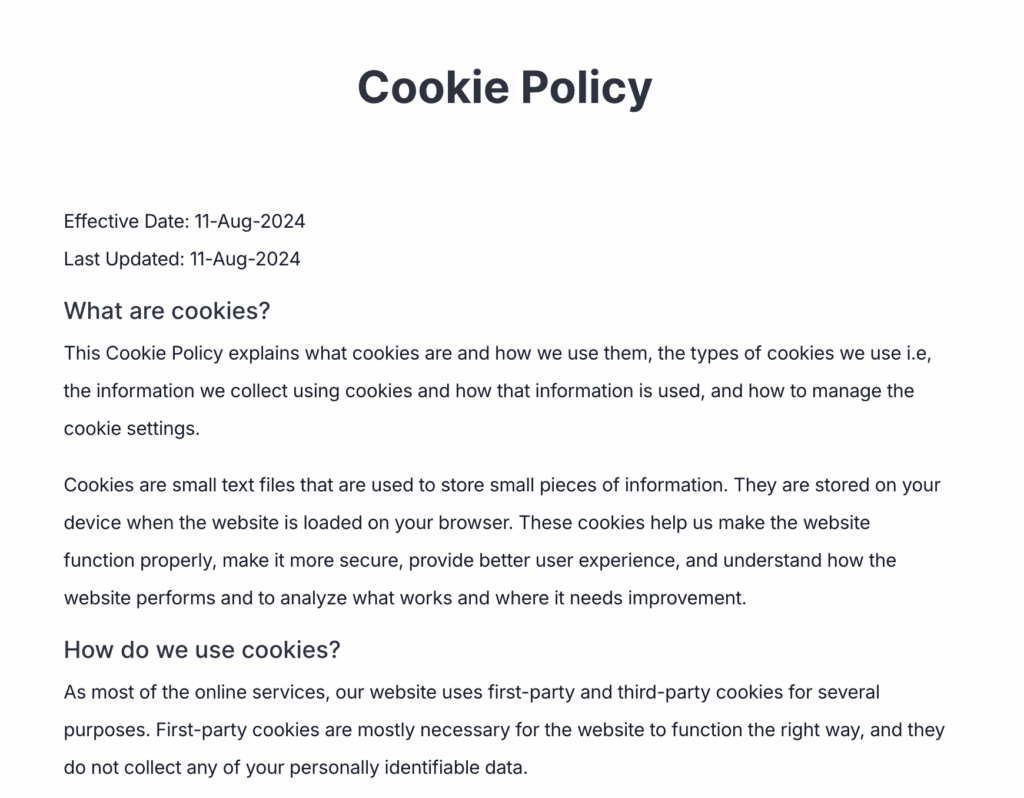
For high-growth WooCommerce stores, distinguishing between a privacy policy and a cookie policy is critical for both legal compliance and maintaining customer trust. While they both serve the broader goal of data transparency, they target different scopes of information. A privacy policy is a comprehensive document detailing all personal data collection—such as names, billing addresses, and payment details—whereas a cookie policy specifically focuses on the trackers, pixels, and scripts that monitor user behavior and site performance.
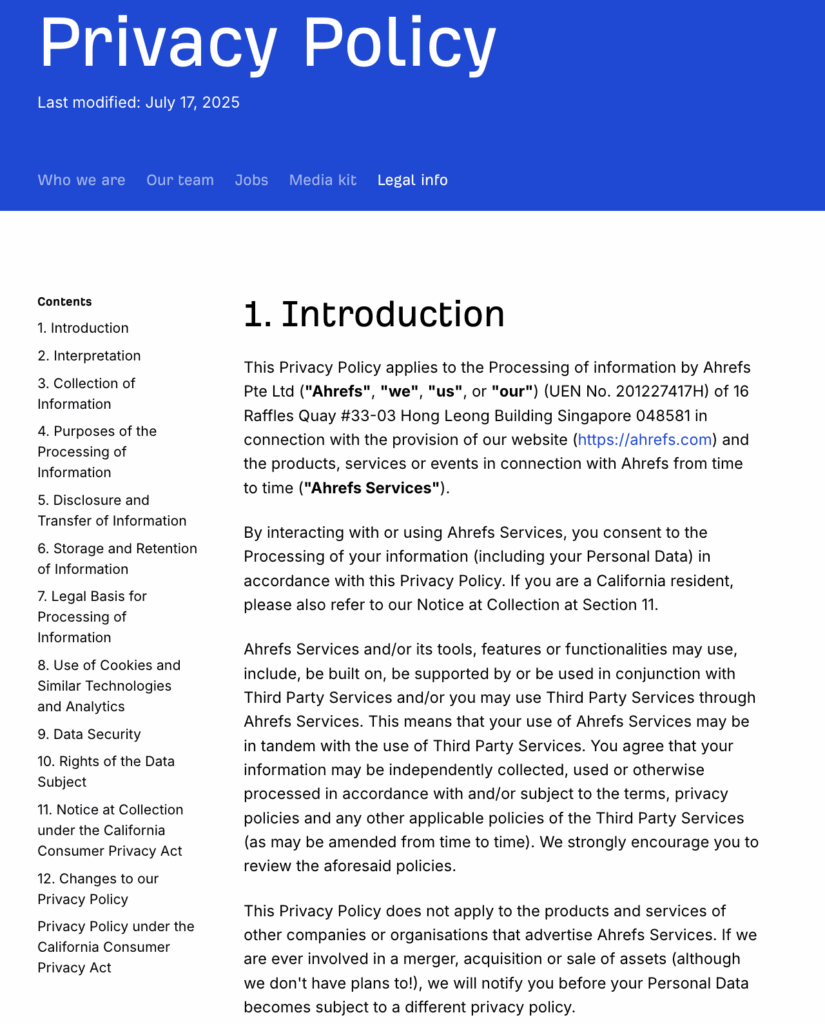
- Privacy Policy Scope: This document acts as the master agreement, covering the high-level “how and why” of all personal data processing, including manual inputs like checkout forms and newsletter sign-ups.
- Cookie Policy Scope: This is a granular disclosure focused exclusively on the technical tracking tools used for analytics, marketing retargeting, and personalization, often requiring explicit consent via a banner.
- Legal Relationship: While a cookie policy can exist as a standalone section within a privacy policy, specific regulations like the GDPR often necessitate a distinct, easily accessible policy to manage the unique consent requirements of tracking technology.
From a technical standpoint, WooCommerce store owners must ensure these policies are not only present but functionally integrated. A strategic implementation involves linking your cookie policy directly from your consent banner, ensuring that as you scale your marketing automation and tracking scripts, your documentation remains a reflection of your store’s live data practices. This clarity prevents the “silent ceiling” on growth that occurs when lack of transparency leads to privacy non-compliance or loss of brand authority.
Why does my WooCommerce store need a separate cookie policy for automation?
For high-growth WooCommerce stores, the distinction between functional and marketing cookies is critical. While core session cookies for the cart or login are typically exempt from consent, the automation tools used to drive revenue expansion—such as abandoned cart trackers, personalized recommendation engines, and social pixels—rely on persistent tracking cookies. These “non-essential” cookies are subject to specific disclosure requirements under GDPR and ePrivacy directives that go beyond the general data handling statements typically found in a standard privacy policy.
- Compliance Management: A dedicated policy allows you to categorize cookies by purpose, ensuring that marketing and automation scripts only fire after explicit user consent is obtained.
- Third-Party Transparency: Modern automation often involves external platforms; a separate policy provides the necessary granular space to list every specific vendor and their individual cookie durations.
- Technical Scalability: As you integrate new marketing or analytics tools into your stack, updating a standalone cookie policy is more efficient than restructuring your entire legal privacy framework.
Separating these technical details prevents your primary Privacy Policy from becoming an unreadable technical manual. By providing a clear breakdown of your tracking technologies, you reduce legal friction and build customer trust. This transparency is a cornerstone of professional eCommerce scaling, ensuring that your data-driven growth strategies remain compliant without compromising the user experience or brand reputation.
How to create a GDPR compliant privacy policy for eCommerce growth?
Creating a GDPR-compliant privacy policy for a high-growth WooCommerce store is less about legal box-ticking and more about establishing a transparent data ecosystem that builds long-term customer equity. For eCommerce brands, this document serves as a critical trust signal at the final stage of the conversion funnel, reassuring high-intent shoppers that their sensitive information is protected by industry-standard protocols. To leverage your policy for growth, you must move beyond generic templates and accurately map the specific data flows inherent to your unique technical infrastructure.
- Data Mapping: Clearly identify all categories of personal data collected, from checkout billing details to passive tracking like IP addresses used for analytics and fraud prevention.
- Third-Party Transparency: Disclose every integrated service that touches customer data, including payment gateways, shipping carriers, and marketing automation platforms like Klaviyo or Brevo.
- Rights of the Data Subject: Explicitly outline how users can exercise their rights to data access, rectification, and the right to be forgotten via accessible, dedicated contact methods.
To maintain compliance while scaling, your privacy policy should be treated as a living document that undergoes regular audits whenever you introduce new plugins or third-party API integrations. In a WooCommerce environment, ensuring your policy is linked prominently in the footer and during the account registration process not only fulfills transparency requirements but also mitigates the silent friction that causes abandoned carts among privacy-conscious consumers.
When should I update my privacy policy to protect revenue and data?
For WooCommerce merchants, a privacy policy is not a static document but a dynamic shield for your revenue and customer trust. You should trigger a review and update of your policy whenever there is a shift in how your store captures, processes, or shares personal data. Failing to align your legal documentation with your actual technical operations creates a compliance gap that can lead to payment gateway suspensions, ad account bans, and significant regulatory fines that directly destrói your bottom line.
- Tech Stack Changes: Update your policy whenever you install new WooCommerce plugins for marketing automation, analytics, or CRM integration that introduce new data processing activities.
- Regulatory Shifts: Monitor global data protection laws like GDPR, CCPA, or upcoming regional mandates to ensure your disclosures meet the latest transparency requirements.
- Third-Party Sharing: If you change your shipping carriers, payment processors, or third-party fulfillment services, you must disclose these new entities to maintain a valid chain of accountability.
Regularly auditing your privacy policy ensures that your data protection practices match your business growth. As you scale and implement more sophisticated behavioral tracking or cross-channel marketing strategies, your policy must reflect these complexities. Proactive updates signal to both customers and search engines that your store is a secure, professional environment, preventing the friction of legal scrutiny from stalling your revenue expansion.
How to integrate a cookie consent banner with WooCommerce marketing tools?
Integrating a cookie consent banner with your WooCommerce marketing stack requires moving beyond a simple visual notification to a functional gatekeeper for your tracking scripts. For high-growth stores, this means ensuring that tools like Google Analytics, Facebook Pixel, and Pinterest tags remain dormant until a visitor provides explicit consent. A technically sound integration utilizes the WP Consent API or similar bridges to synchronize your Consent Management Platform (CMP) with your site’s backend, preventing unauthorized data collection that could lead to significant legal liabilities.
- Automated Script Blocking: Configure your CMP to automatically detect and wrap third-party marketing scripts in conditional tags, ensuring they only fire once the corresponding consent category (e.g., ‘marketing’ or ‘statistics’) is accepted by the user.
- GTM Data Layer Integration: Connect your consent banner to the Google Tag Manager Data Layer to push consent states as variables, allowing you to build consent-based triggers that manage tag firing dynamically across your entire store.
- Geo-Targeting Implementation: Use geolocation rules to display region-specific banners, ensuring strict GDPR-compliant opt-in flows for EU visitors while maintaining a less intrusive opt-out model for users in jurisdictions with different regulatory requirements.
By effectively bridging your consent banner with your marketing tools, you protect your domain’s reputation and maintain high-quality data integrity. This strategic alignment ensures that your conversion tracking remains accurate for consenting users while demonstrating a commitment to privacy that builds long-term customer trust, ultimately safeguarding your revenue expansion in an increasingly regulated digital landscape.
Ready to take your e-commerce to the next level?
While understanding the distinction between a cookie policy and a privacy policy is a fundamental compliance step, the business reality for high-growth WooCommerce brands is that privacy-first data collection is now a technical prerequisite for profitability. If your attribution feels like it is stalling your ROAS, or if you suspect that gaps in your consent management are eroding your ability to scale paid media effectively, you are facing a structural barrier to growth. Treating these documents as mere legal checkboxes rather than the foundation of your tracking and automation ecosystem is a strategic oversight that compromises your data integrity and your ability to capture high-intent customer behavior.
To move beyond basic compliance and build a high-performance, privacy-compliant data engine, you need a partner that synchronizes your legal requirements with your broader growth objectives. We act as a strategic extension of your team, helping DTC brands maximize Profit, Retention, and LTV through data-driven systems where consent, CRM, and advanced tracking operate in perfect concert. Our process begins with rigorous, conversion-focused audits to eliminate guesswork and identify the exact bottlenecks in your data collection and marketing automation workflows. If you are ready to transform your privacy strategy into a competitive advantage that maximizes long-term ROI, book a free marketing automation audit today.