






High-growth eCommerce owners are constantly chasing the metric known as “referral traffic,” often treating it as a game of mere link volume from any external source. This technical, quantity-over-quality obsession is a critical point of failure that acts as a silent tax on your Customer Lifetime Value (LTV). By valuing a low-authority backlink the same as a genuine, person-to-person recommendation, you are hemorrhaging future revenue and wasting budget on traffic that arrives without the essential trust factor needed to convert.
The strategic pivot is to stop chasing traffic and start engineering high-intent referrals—shoppers who are already primed to buy based on a trusted endorsement. The hidden cost of inaction here is spending capital to acquire customers who lack purchase conviction. This guide moves beyond simple SEO tactics to deliver a strategic, six-part framework that will not only dramatically boost the quality of your inbound traffic but will systematically attract the exact segment of shoppers who are ready to bypass the friction points and complete their purchase, driving predictable revenue expansion.
Maximizing Customer LTV with High-Intent Referral Segments
The core value of ‘real’ or high-intent referral traffic is the pre-validated trust that significantly reduces your Customer Acquisition Cost (CAC) and predicts a higher Customer Lifetime Value (LTV). A user arriving from a trusted peer or a highly relevant, non-competitive authority site already possesses a strong degree of brand affinity, making them less friction-sensitive and more likely to convert quickly. The strategic imperative for your WooCommerce store is to stop treating these high-velocity, high-intent shoppers the same as generic paid or organic traffic, which means leveraging technical segmentation immediately upon their arrival.
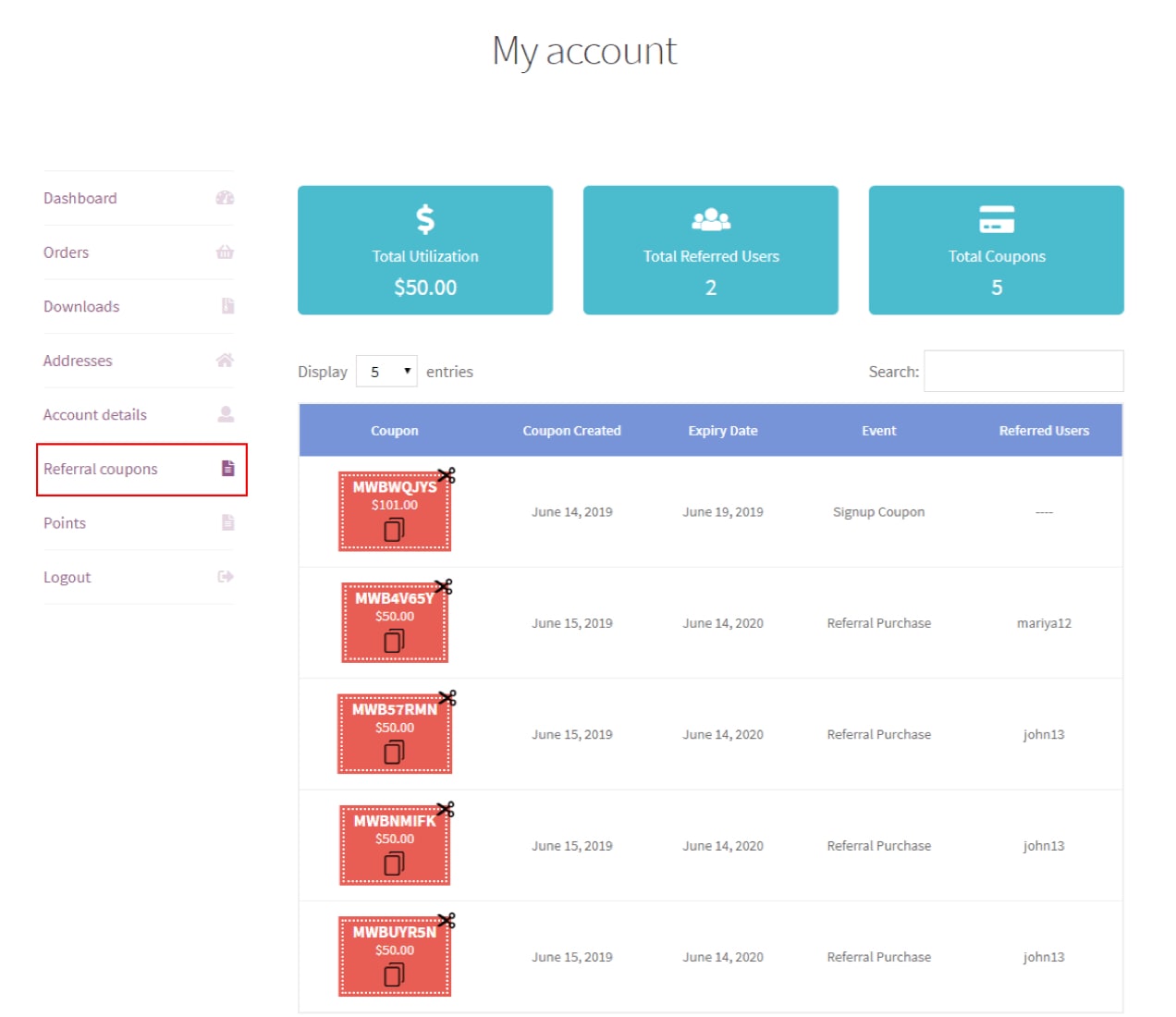
- Source-Based CRM Tagging: Use UTM parameters on all referral links—from guest posts to partner mentions—to automatically tag the user in your CRM/Marketing Automation platform (e.g., AutomateWoo). Tagging them as ‘High-LTV Referral’ allows for immediate segmentation, which in turn unlocks specific, high-conversion offers.
- Bypass Generic Nurture Flows: Do not subject high-intent referrals to standard top-of-funnel email sequences. Instead, immediately enroll them into an accelerated post-purchase or loyalty-focused flow designed to maximize their second purchase, subscription adoption, or loyalty program enrollment.
- Landed Page Personalization: Direct referral traffic to dedicated landing pages that skip basic product education. These pages should focus on immediate conversion levers like social proof (testimonials relevant to the source), urgency, and a curated welcome bundle, leveraging the pre-existing trust to push straight to checkout.
The technical goal is to convert that initial intent into long-term loyalty before it cools off. By isolating high-intent referral segments, you are creating a predictable, high-margin revenue stream. This means meticulously tracking the performance of each referral source beyond the initial conversion—specifically looking at 60/90-day LTV, average order value (AOV) on their second purchase, and subscription rate. This data, when integrated back into your segmentation logic, creates a flywheel that systematically directs your limited resources toward the highest-quality acquisition channels.

Automating Post-Referral Email Flows for 10x Conversion
Referral traffic, particularly from a trusted, high-authority source as described in the article, does not behave like generic search or social traffic. It represents a pre-qualified lead with an accelerated trust curve. The critical failure point for many WooCommerce stores is treating these high-intent users with a generic, low-conversion welcome sequence. To achieve a ’10x conversion’ lift, you must immediately automate a post-referral email flow that is triggered by the UTM parameters (or equivalent tracking) indicating the high-value source. This automation acts as the essential funnel mechanism to move the pre-built trust directly into a purchase conversion.
- Immediate Acknowledgment Flow: Description: Triggered within minutes of the referred visitor landing on a specific product or category page. This email should reference the source (if possible) and immediately present a high-value, friction-reducing offer (e.g., free shipping or a small discount) to convert the initial, high-intent browse session.
- Behavioral Product Retargeting: Description: If the referred user browses products but does not add to cart, trigger a follow-up email 1-3 hours later that dynamically includes the product(s) viewed, reinforcing the brand authority and social proof from the referring source in the copy.
- First-Purchase Loyalty Bridge: Description: Once the referred customer completes their first purchase, their follow-up sequence should immediately enroll them in a loyalty or rewards program. This capitalizes on the high Customer Lifetime Value (LTV) potential of referral customers, ensuring the ‘real’ referral loop begins for future sales.
The technical sophistication of this flow lies in the data integration between your analytics, email service provider (ESP), and WooCommerce. Ensure your ESP can accurately ingest the referral data—specifically the UTM source and medium—and use it not just for segmentation, but for dynamic copy personalization. A high-converting post-referral sequence is not just a marketing effort; it is a technical imperative to leverage the high-quality traffic you worked to generate, turning initial visits into predictable, repeat customer revenue by minimizing friction.
Scaling Guest Posting and Outreach with Automation for Consistent SEO Authority
The core friction point in leveraging guest posting for consistent SEO authority and high-value referral traffic is the significant, non-scalable manual overhead of discovery, qualification, and relationship management. For a high-growth WooCommerce store, this process often results in inconsistent link velocity and abandoned campaigns due to resource constraints. True scaling requires transforming this labor-intensive chore into an automated, yet highly personalized, system that maximizes the ratio of high-authority placements to person-hours invested. This strategic shift ensures that authority building becomes a continuous, predictable revenue driver rather than a sporadic effort.
- Automated Target Qualification: Utilize SEO tools (like Ahrefs or SEMrush) integrated with outreach software to automatically filter target sites by specific Domain Rating (DR) and traffic metrics, coupled with keyword and topical relevance checks. This moves beyond vanity metrics to guarantee the referral source is high-authority and the traffic will be high-intent.
- Multi-Step Outreach Sequences: Implement dedicated CRM or sales engagement platforms to manage multi-step email and follow-up sequences. This automation ensures no lead is dropped and allows for hyper-personalization of the initial pitch and subsequent reminders, effectively mimicking the effort of manual 1:1 outreach at scale.
- Content Inventory and Tracking: Embed project management software (like Trello or Asana) into the workflow to track the exact status of pitched topics, accepted articles, and, critically, the confirmation of link placement and indexing. This creates a technical audit trail that ensures consistent velocity and protects the value of the acquired backlinks as a long-term SEO asset.
The successful technical execution of this automated pipeline shifts your authority-building strategy from reactive to proactive. By consistently feeding a pipeline of high-quality, niche-relevant content to authoritative sites, you establish a predictable flow of referral traffic that is pre-qualified. This foundational SEO asset is critical for a WooCommerce environment, as the high-DR backlinks reinforce the authority of your core product and category pages, ultimately lowering your Customer Acquisition Cost (CAC) and consistently attracting shoppers who are already “ready to buy.”
Converting Traffic to Loyal Customers: The Strategic Value of Real Referrals
The transition of “referral traffic” into “loyal customers” hinges on recognizing the profound difference between a simple inbound link and a genuine, trusted recommendation. A real referral, whether organic word-of-mouth or a link from a high-authority industry partner, delivers a pre-qualified customer whose decision-making process has been accelerated by an inherited layer of social trust. This is the single most valuable acquisition signal in eCommerce, consistently resulting in higher Average Order Value (AOV), reduced Customer Acquisition Cost (CAC) friction, and ultimately, a superior Customer Lifetime Value (LTV). The strategic move is to leverage this initial trust to build a lasting, profitable relationship.
Converting this high-intent segment requires a focused retention and optimization strategy that caters to their existing level of trust, rather than a strategy focused on overcoming skepticism. Merchants should use advanced analytics and UTM parameters to segment this traffic away from general acquisition funnels and tailor the immediate post-click experience. This allows the WooCommerce store to pivot from convincing the visitor to streamlining their path to loyalty.
- Personalized Landing Experience: Deploy a dedicated landing page or product collection that directly mirrors the content of the referring source, ensuring message match and eliminating the risk of immediate navigational confusion.
- Frictionless First Purchase: Leverage the high-trust signal by offering one-click payment options or an expedited guest checkout for first-time buyers, acknowledging their high-intent status and removing common abandonment points.
- Accelerated Loyalty Entry: Immediately enroll the customer into a tiered loyalty program or offer a bonus points incentive upon successful first purchase. This secures the second transaction and capitalizes on their initial brand positive sentiment to drive long-term retention.
Integrating Data to Identify and Amplify High-ROI Referral Channels
The strategic error in most referral traffic initiatives is a failure to link the channel directly to Customer Lifetime Value (LTV) and Average Order Value (AOV). Traffic volume is a vanity metric; a high-converting channel with lower volume is exponentially more valuable than a low-converting channel with massive volume. For a high-growth WooCommerce store, this necessitates integrating web analytics (source/medium data) with internal purchase data. This essential data join classifies referral sources by profit, not merely by clicks, allowing you to reallocate resources to the partners that demonstrably drive your most profitable customers.
To execute this integration, focus on mapping your UTM parameters directly to transactional data in your WooCommerce environment and CRM. The objective is to move beyond the Google Analytics default of tracking only session data and track the long-term economic performance of each referring domain. Use this framework to define your high-ROI channels:
- Customer Lifetime Value (LTV): The total net profit a referral source generates over the entire customer lifespan, not just the first transaction.
- Average Order Value (AOV) Multiplier: The average size of the first and subsequent orders from a specific referral channel compared to your site average.
- Time to First Purchase: The speed at which a referred user converts, which is a key indicator of traffic quality and purchase intent.
Once your high-ROI channels are identified, your amplification strategy shifts from broad outreach—such as the labor-intensive guest posting mentioned—to targeted, personalized partnership. For a referral source that delivers an LTV 2x the average, your next guest post or partnership on that site must be tailored to the specific product categories and customer segments that were successful. This data-driven personalization turns generic backlinking into a repeatable, profitable customer acquisition engine with measurable, predictable returns.
Ready to take your e-commerce to the next level?
While mastering the channels to generate high-intent referral traffic—the digital equivalent of a personal recommendation—is a necessary technical objective, fixating solely on the volume of these clicks is an error that masks a deep systemic revenue leak. For a scaling WooCommerce store, the critical question is not how effectively you attract these ready-to-buy shoppers, but whether your funnel is optimized to convert this high-value intent into maximized Customer Lifetime Value (LTV). If your Customer Acquisition Cost (CAC) is spiking, or if you suspect your hard-won referred customers are failing to transition into loyal, repeat buyers, the core problem lies in a fragmented and inefficient conversion and retention ecosystem, not just in the traffic source.
We help high-growth DTC/eCommerce brands solve this exact problem, moving them beyond the vanity metric of traffic to building truly profitable systems centered on retention and LTV. Acting as a strategic extension of your in-house team, our work ensures your advanced tracking, CRM, and automation tools are unified to drive long-term growth. We start by deploying rigorous, no-guesswork, data-driven & conversion-focused audits to pinpoint the exact structural friction points and data gaps preventing scalable LTV growth. If you are ready to pivot from chasing new clicks to building a truly profitable customer base, book a free consultation today.