






Many eCommerce brands operate under the comforting illusion that their current customer experience is “good enough” as long as sales are steady, believing that fundamental service is the only lever for retention. But what if this narrow focus on the basics is actually acting as a silent ceiling on your revenue expansion? For high-growth businesses, the hidden cost of inaction lies in ignoring the shifting expectations of 2025, where failing to evolve beyond legacy support models means leaving massive amounts of money on the table through destróid brand loyalty and stagnant Customer Lifetime Value (LTV).
The hard reality is that today’s shoppers are willing to spend 140% more after a positive experience, yet most brands continue to rely on fragmented communication flows that lack the hyper-personalization required to stay competitive. In a landscape where 43% of consumers will pay a premium for quality service, your CX strategy must move from a reactive operational task to a proactive growth engine. This guide breaks down the 11 essential customer experience trends for 2025, providing the data-driven logic needed to eliminate friction in your Email and SMS marketing and transform every digital touchpoint into a driver for scalable growth.
What are the top customer experience trends?
The customer experience landscape for WooCommerce brands has shifted from reactive support to a proactive, growth-oriented system. As competition intensifies, high-growth merchants are moving beyond the basics of site speed and functional checkout to prioritize infrastructure that fosters deep trust and operational efficiency. Data indicates that a positive customer experience can increase spending by up to 140%, making CX the primary engine for sustainable revenue growth rather than just a brand narrative.
- Hyper-Personalization: Moving beyond simple first-name tags, this involves using real-time data to tailor the entire shopping journey, including product recommendations and dynamic pricing based on individual browsing behavior.
- Proactive Customer Support: Leveraging predictive analytics to identify and resolve delivery issues or technical glitches before the customer even notices, effectively reducing churn and increasing lifetime value.
- Seamless Omnichannel Integration: Ensuring a frictionless transition between social commerce, mobile apps, and the web storefront to provide a consistent brand experience across all digital touchpoints.
To capitalize on these trends, WooCommerce store owners must bridge the gap between marketing promises and operational execution. This requires a strategic focus on knowledgeable customer service teams and automated communication flows that respond to behavioral triggers. By aligning these technical capabilities with a focus on emotional intelligence and sustainability, brands can transform standard transactions into long-term customer advocacy.
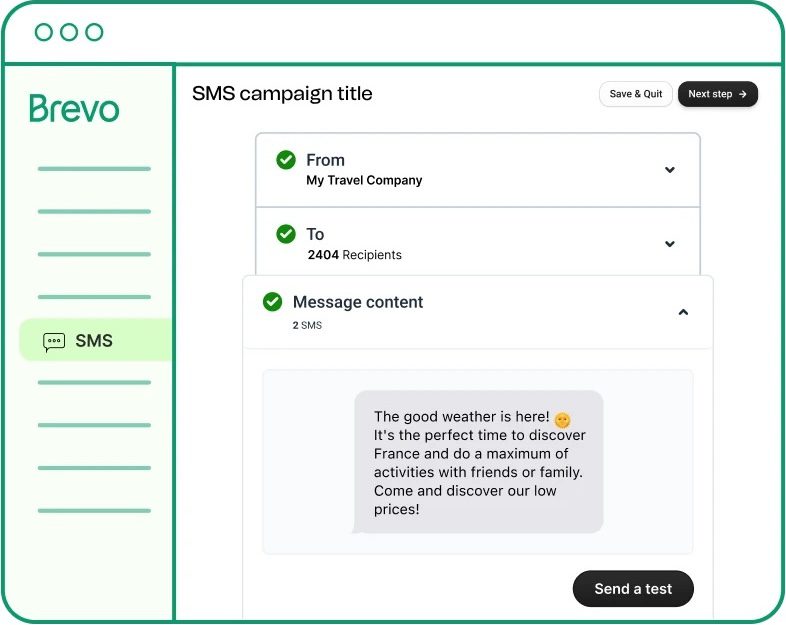
Why is hyper-personalization important for WooCommerce growth?
For high-growth WooCommerce stores, hyper-personalization is the evolution from basic segmentation to real-time, individual-level engagement. By leveraging AI-driven data, brands can move beyond generic placeholders to deliver experiences that adapt based on a customer’s specific browsing history, purchase frequency, and intent signals. This deep level of relevance is no longer optional; it is a critical driver for capturing the 140% spending increase associated with superior customer experiences.
- Maximizing Revenue per User: AI-powered product recommendations can increase average revenue per user by over 160% by predicting individual needs before they are explicitly stated.
- Reducing Acquisition Friction: Real-time personalization lowers customer acquisition costs by serving dynamic content that resonates immediately with a user’s current context, weather, or device.
- Sustaining Brand Loyalty: Hyper-personalization creates a “sticky” ecosystem where customers feel acknowledged, leading to significantly higher retention rates and lifetime value compared to stores using static marketing.
Implementing hyper-personalization within the WooCommerce framework requires a robust technical stack capable of processing behavioral triggers in real-time. By transitioning to a proactive model where marketing automation responds to individual micro-moments, brands can bridge the gap between simple transactions and long-term profitable relationships. This strategic shift ensures that your store remains competitive in a 2025 landscape where one-to-one marketing is the primary benchmark for success.
How to automate customer experience to increase revenue?
Automating the customer experience in a WooCommerce environment is no longer about replacing human interaction, but about scaling the high-value touchpoints that drive repeat purchases. By leveraging behavioral triggers and real-time data, brands can ensure that every customer receives a timely, relevant response without increasing operational overhead. This shift from manual support to proactive automation directly impacts the bottom line by recovering lost sales and increasing the lifetime value of every user.
- Behavioral Trigger Sequences: Implement automated workflows based on specific user actions, such as viewing a high-value category multiple times or reaching a specific loyalty tier. These triggers deliver hyper-personalized offers at the moment of peak intent, significantly increasing conversion rates compared to static campaigns.
- AI-Driven Self-Service: Deploy context-aware chatbots that integrate with your WooCommerce order data. By automating responses to common queries like order tracking and returns, you reduce friction in the post-purchase journey, freeing your human staff to handle complex issues that require emotional intelligence and high-level problem solving.
- Predictive Replenishment: Use purchase history data to automate “time-to-reorder” reminders. For consumable goods, calculating the average lifecycle of a product and triggering an automated notification with a one-click checkout link simplifies the repurchasing process and secures recurring revenue.
To truly maximize revenue through CX automation, the focus must remain on the customer journey’s non-linear nature. By integrating your CRM with automated marketing tools, you can map touchpoints that bridge the gap between acquisition and retention. This technical infrastructure allows you to maintain a consistent brand voice across all digital landscapes, ensuring that as your store scales, the quality of the customer experience remains high enough to command premium pricing and foster long-term loyalty.
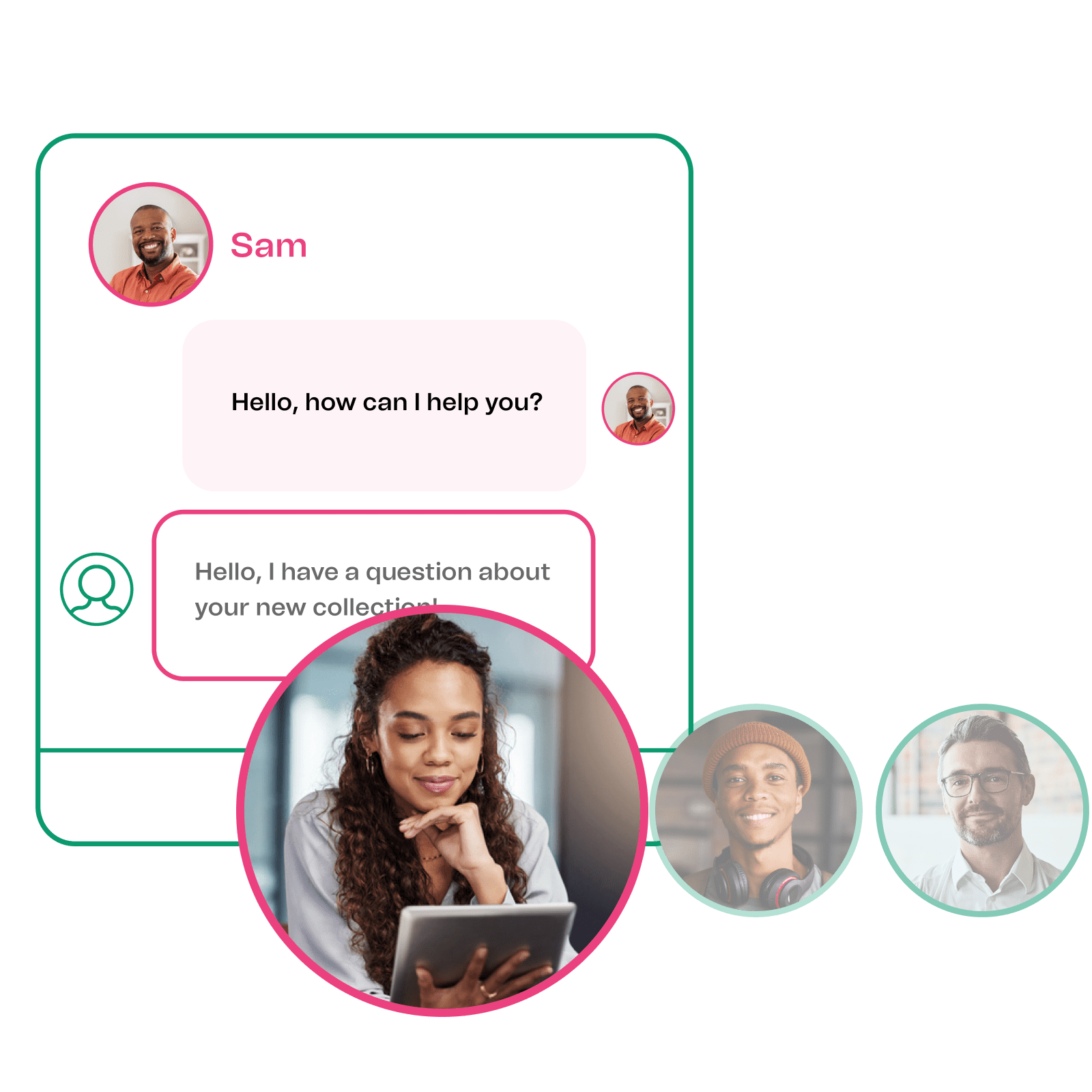
Why should eCommerce brands prioritize proactive customer service?
In the high-stakes environment of WooCommerce, transitioning from reactive to proactive customer service is no longer a luxury—it is a technical and strategic necessity for scaling revenue. While reactive models rely on customers initiating contact after a point of friction occurs, proactive CX leverages behavioral data and automation to resolve issues before the customer even perceives a problem. This shift significantly reduces inbound support volume, preserves brand equity, and capitalizes on the high-intent moments where positive experiences drive a documented 140% increase in spending.
- Churn Mitigation: By utilizing predictive analytics to identify dissatisfaction signals—such as reduced login frequency or negative sentiment in automated chats—brands can trigger personalized retention workflows that preemptively address customer concerns.
- Frictionless Transactional Flows: Proactive outreach, such as automated shipping delay notifications or stock replenishment alerts, manages customer expectations in real-time, preventing the “silent” loss of trust that occurs when logistics issues go uncommunicated.
- Increased Lifetime Value (LTV): Meeting customers with relevant solutions before they reach out fosters a sense of being valued, which directly correlates with long-term brand loyalty and reduced customer acquisition costs (CAC).
For growth-focused eCommerce brands, the business reality of 2025 is that customer tolerance for friction is at an all-time low. Prioritizing proactive service allows your team to move beyond constant fire-fighting and focus on strategic optimizations that improve the big-picture operational efficiency of your digital marketing efforts. By integrating AI-driven insights into your core customer service infrastructure, you ensure that every interaction serves as a driver for sustainable revenue growth rather than a drain on resources.
How to improve brand loyalty through automated marketing?
In 2025, brand loyalty is evolving from a discount-driven transactional model into an emotional relationship rooted in relevance and consistency. Automated marketing allows WooCommerce brands to scale this connection by shifting from static campaigns to adaptive journeys that respond to customer behavior in real time. By automating the touchpoints between a purchase and the next interaction, you ensure that your brand remains top-of-mind without requiring manual intervention for every segment.
- Behavioral Data Unification: Integrating your store data with a centralized marketing platform eliminates fragmented experiences, ensuring that automated messages reflect the customer’s current lifecycle stage and interaction history.
- Predictive Replenishment Flows: Use historical purchase frequency to trigger automated reminders at the exact moment a customer is likely to need a refill, transforming a routine purchase into a proactive service experience.
- Contextual Loyalty Integration: Instead of separate reward programs, embed dynamic loyalty data—such as point babiddings or tier progress—directly into behavioral email flows to nudge customers toward high-value milestones.
Ultimately, the technical foundation of your automation must prioritize a unified view of the customer. When your systems speak the same language, you can deliver a seamless cross-channel experience that builds the trust necessary for long-term retention. This strategic alignment reduces churn and increases lifetime value by making every digital interaction feel human and intentionally designed.
Ready to take your e-commerce to the next level?
While staying ahead of customer experience trends is vital for maintaining a competitive edge, the business reality for high-growth WooCommerce brands is that surface-level satisfaction is a vanity metric if it doesn’t translate into measurable profitability. If your retention efforts feel like they are stalling revenue expansion, or if you suspect your hyper-personalization strategies are merely increasing operational complexity without lifting Lifetime Value (LTV), you are likely facing a structural gap between customer service and data-driven execution. Relying on isolated CX tactics without a unified infrastructure is a direct compromise of your brand’s ability to scale efficiently in an increasingly expensive acquisition landscape.
To move beyond chasing trends and start building a high-performance growth engine, you need a partner that integrates tracking, CRM, and automation into a cohesive system designed for maximum ROI. We act as a strategic extension of your in-house team, helping DTC brands maximize profit and retention through rigorous, data-driven systems where every touchpoint is optimized for conversion. Our methodology eliminates guesswork by starting with conversion-focused audits to identify exactly where your customer journey is leaking revenue. If you are ready to transform your customer experience into a scalable driver of long-term growth and ROAS, book a free consultation today.