






We’ve all heard the mantra that manual oversight is the only way to maintain a personal touch in eCommerce, believing that high-touch human intervention is the key to customer loyalty. But what if this reliance on manual workflows is actually acting as a silent ceiling on your revenue expansion? For high-growth brands, the hidden cost of inaction lies in the massive deliverability and engagement gaps that occur when you fail to trigger the right message at the exact moment of peak intent, effectively leaving significant money on the table during every customer interaction.
The hard reality is that human-led processes cannot compete with the data-driven precision required to maximize Customer Lifetime Value (LTV) in today’s competitive landscape. Implementing marketing automation is no longer a luxury for lean teams; it is a strategic necessity that leverages if/then logic to scale your communication engine without increasing your overhead. This guide explores the 16 essential benefits of marketing automation, illustrating how shifting from manual execution to automated sequences ensures every touchpoint in your funnel becomes a predictable driver for sustainable growth.
What is marketing automation and how does it work?
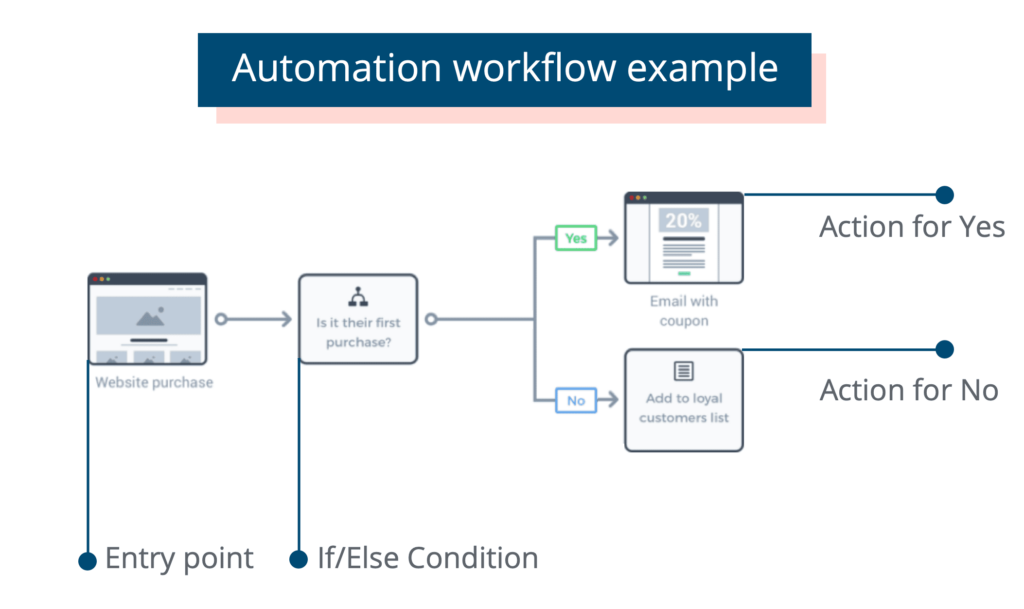
Marketing automation is the strategic use of software to execute, manage, and scale repetitive marketing tasks across multiple channels without manual intervention. At its core, it operates on a framework of conditional logic, where specific customer behaviors act as triggers to initiate predefined actions. For a WooCommerce store, this means moving beyond static mass messaging to a dynamic system that responds to real-time data signals, ensuring that every interaction is relevant to the individual shopper’s journey.
- The Trigger: A specific event or data point, such as an abandoned cart, a high-value purchase, or a customer reaching a specific loyalty tier, that sets the automation in motion.
- The Logic: The “if-then” rules that govern the workflow, allowing the system to branch into different paths based on user attributes or engagement levels.
- The Action: The final output executed by the software, which can include sending a personalized email, updating a CRM record, or applying a specific customer tag for future segmentation.
By implementing this infrastructure, brands shift from reactive manual labor to proactive behavioral targeting. This technical shift allows your team to focus on high-level strategy and creative optimization while the software handles the complex orchestration of data-driven touchpoints. Ultimately, marketing automation functions as a force multiplier, enabling high-growth stores to maintain personalized communication standards even as their customer base and order volumes scale exponentially.
Why should I use marketing automation for WooCommerce?
For high-growth WooCommerce stores, marketing automation is the primary engine for scaling revenue without a linear increase in operational overhead. By leveraging the rich transactional data within the WordPress ecosystem, automation transforms static customer lists into dynamic, behavioral-driven segments. This shift from manual campaign execution to trigger-based workflows ensures that your brand remains relevant by delivering the right message at the exact moment of peak buyer intent, effectively eliminating the “silent ceiling” on your growth caused by manual resource constraints.
- Precision Behavioral Targeting: Unlike basic broadcast emails, automation uses real-time WooCommerce hooks to trigger actions based on specific events, such as viewing a product category three times or reaching a specific lifetime spend threshold.
- Automated Revenue Recovery: Implementing high-impact flows like cart abandonment and browse recovery allows you to recapture lost sales 24/7, providing a significant boost to your baseline conversion rate with zero ongoing manual effort.
- Scalable Customer Personalization: Automation enables the delivery of tailored product recommendations and loyalty rewards at scale, ensuring every customer feels a direct, individual connection to your brand regardless of your database size.
Beyond immediate sales, the strategic integration of marketing automation provides deep data-driven insights into your customer lifecycle. By analyzing the performance of your automated sequences—from open rates to revenue per email—you can identify exactly where friction exists in your sales funnel. This technical foundation allows you to move away from reactive marketing and toward a proactive, resilient growth strategy that prioritizes high-value customer retention and long-term profitability.
How does marketing automation drive eCommerce revenue growth?
Marketing automation drives revenue growth by transforming static customer data into dynamic, behavioral-led communication flows that capture value at every stage of the lifecycle. For WooCommerce stores, this means moving beyond broad-reach tactics to precision-engineered triggers that respond to real-time intent signals. By systematically addressing friction points—such as cart abandonment or post-purchase silence—automation ensures that high-intent prospects are nurtured toward conversion without requiring manual oversight or increased headcount.
- Optimized Conversion Rates: Automated behavioral triggers, like browse abandonment or price-drop alerts, re-engage visitors based on specific product interests, significantly reducing the “leaky funnel” common in standard eCommerce models.
- Increased Average Order Value (AOV): Dynamic cross-sell and upsell workflows leverage historical purchase data to present relevant product recommendations at the exact moment a customer is most likely to expand their basket.
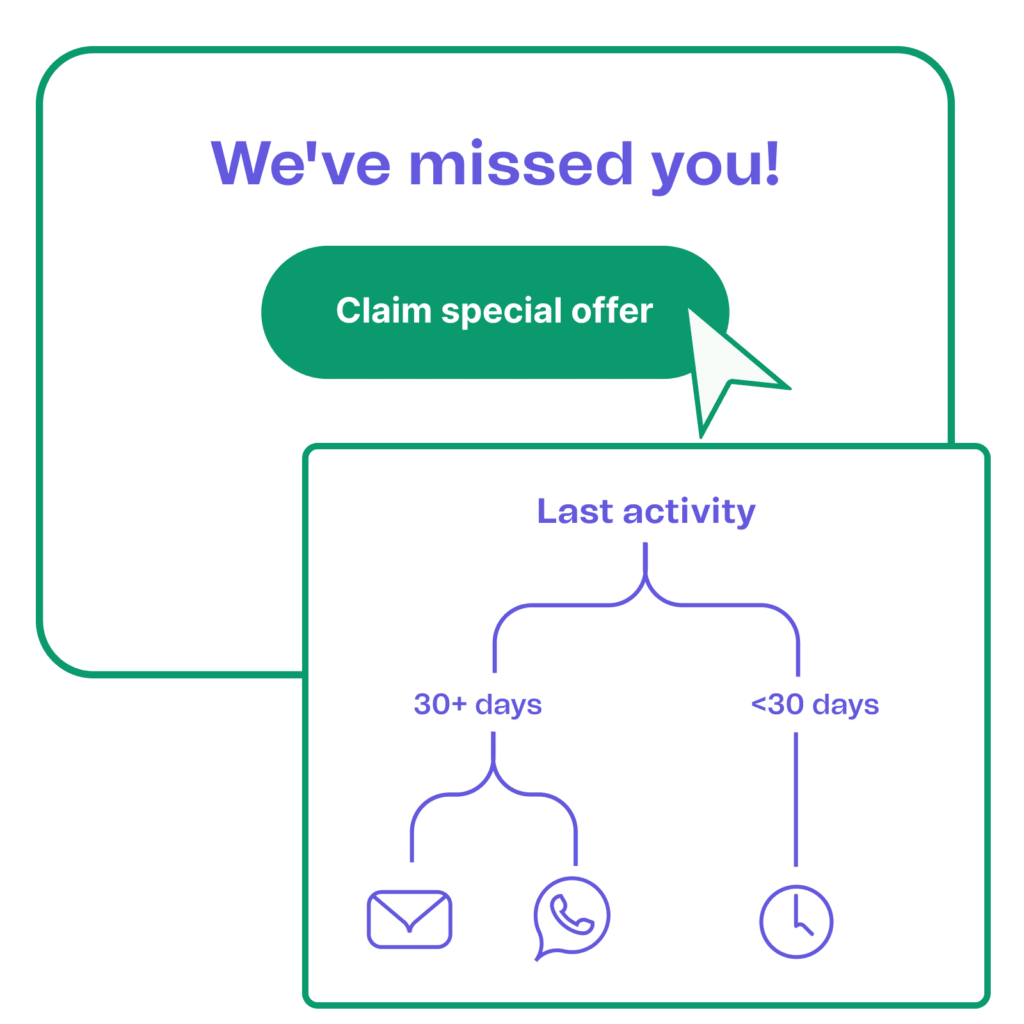
- Maximizing Customer Lifetime Value (LTV): Predictive retention sequences identify at-risk customers before they churn, using automated win-back offers to stimulate repeat purchases and extend the profitable lifespan of each account.
The structural impact on ROI is driven by the elimination of manual execution latency and the ability to scale personalized experiences. When your store accurately pairs if/then logic with deep segmentation, you shift from reactive marketing to a proactive growth engine. This technical foundation allows lean teams to maintain sophisticated, multi-channel presence that focuses spend on high-probability outcomes, ultimately accelerating pipeline velocity and top-line expansion.
What are the key benefits of marketing automation for small businesses?
For small businesses operating on lean margins, marketing automation serves as a force multiplier that levels the playing field against larger competitors. By replacing manual, repetitive tasks with rule-based workflows, you eliminate the technical bottlenecks that often stall revenue expansion. The primary advantage lies in the ability to maintain a persistent presence throughout the customer journey without increasing your overhead, ensuring that no lead or high-intent signal goes unaddressed due to lack of manual bandwidth.
- Operational Efficiency and Cost Reduction: Automation reduces the need for a large marketing team by handling time-consuming tasks like lead scoring, social media scheduling, and data entry, allowing your existing staff to focus on high-level strategy and creative optimization.
- Scalable Lead Nurturing: By implementing behavioral triggers, you can deliver personalized content to prospects at the exact moment they are most likely to convert, significantly improving your conversion rates and shortening the sales cycle.
- Data-Driven Decision Making: Automated platforms provide centralized reporting and real-time analytics, giving you a clear view of which campaigns are driving ROI and where your funnel is leaking, which is critical for making informed pivots in a competitive market.
Transitioning to an automated infrastructure is not merely about saving time; it is about building a scalable engine that supports sustainable growth. For a small online store, this means moving away from reactive “batch and blast” tactics toward a proactive strategy that captures lost sales and maximizes Customer Lifetime Value (LTV) through consistent, data-backed engagement.
How to implement a marketing automation strategy for your online store?
Implementing a marketing automation strategy for a WooCommerce store requires moving beyond a simple “set-and-forget” mindset to a structural approach that aligns your technical stack with the customer lifecycle. For high-growth brands, the first step is mapping your data flow to ensure that your “brain”—whether it is a WordPress-native plugin like Uncanny Automator or an external CRM—can accurately interpret behavioral signals such as cart additions, category browsing, and purchase frequency. By establishing a single source of truth for customer data, you prevent the fragmented messaging that often stalls revenue expansion in legacy systems.
- Audit the Tech Stack: Evaluate your current plugins and external tools to identify friction points and ensure your automation platform can communicate bi-directionally with WooCommerce via REST API or specialized webhooks.
- Map the Journey: Document every customer touchpoint from initial awareness to post-purchase advocacy to reveal “dead zones” where automated intervention, such as browse abandonment or replenishment reminders, can recover lost conversions.
- Design with Logic: Build your workflows using conditional if/then branching to deliver hyper-personalized experiences based on specific user attributes like lifetime value (LTV), geographic location, or past coupon usage.
- Test and Optimize: Launch with a pilot program on small audience segments to validate your triggers and exit logic before scaling, using A/B testing to refine subject lines and delivery timing for maximum ROI.
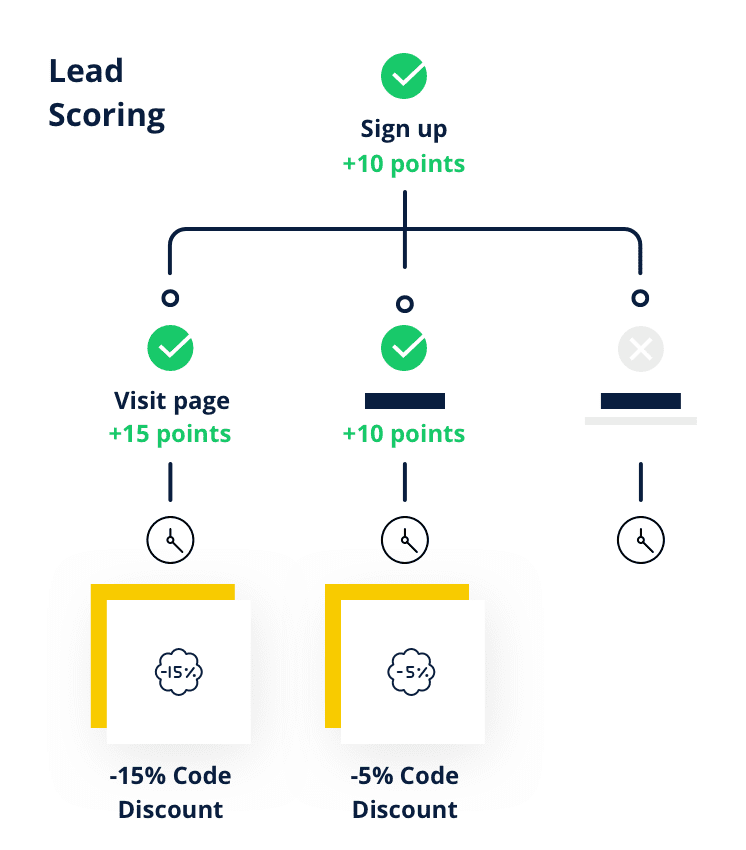
True scalability is achieved by automating the tasks that prevent operational disasters while simultaneously layering in sophisticated revenue-driving sequences. Start by prioritizing high-impact, low-complexity flows—such as automated apologies for shipping delays or welcome series for new subscribers—to build immediate trust. As your data maturity grows, integrate multi-channel orchestration and lead scoring to transform your store from a static catalog into a high-performance, responsive commerce engine that anticipates customer needs without increasing team overhead.
Ready to take your e-commerce to the next level?
While the theoretical benefits of marketing automation are clear, the business reality for high-growth WooCommerce brands is that implementing technology without a precision-engineered strategy often leads to a silent ceiling on ROI. If your retention efforts feel like they are stalling revenue expansion, or if you suspect that unoptimized automated flows are failing to capture high-intent moments, you are facing a technical bottleneck that vanity metrics cannot resolve. Transitioning from basic if/then logic to a sophisticated, integrated ecosystem is a strategic necessity to ensure that every trigger condition translates directly into measurable profitability and scaled Customer Lifetime Value (LTV).
To move beyond generic implementation and build a high-performance growth engine, you need a partner that functions as a data-driven extension of your in-house team. We specialize in helping DTC brands maximize Profit and ROAS by synchronizing CRM, advanced tracking, and multi-channel automation into a unified, privacy-compliant system. Our methodology eliminates guesswork through rigorous, conversion-focused audits designed to identify the exact friction points in your customer journey and unlock hidden revenue. If you are ready to stop leaving money on the table and implement an automation architecture built for long-term scale, book a free marketing automation audit today.