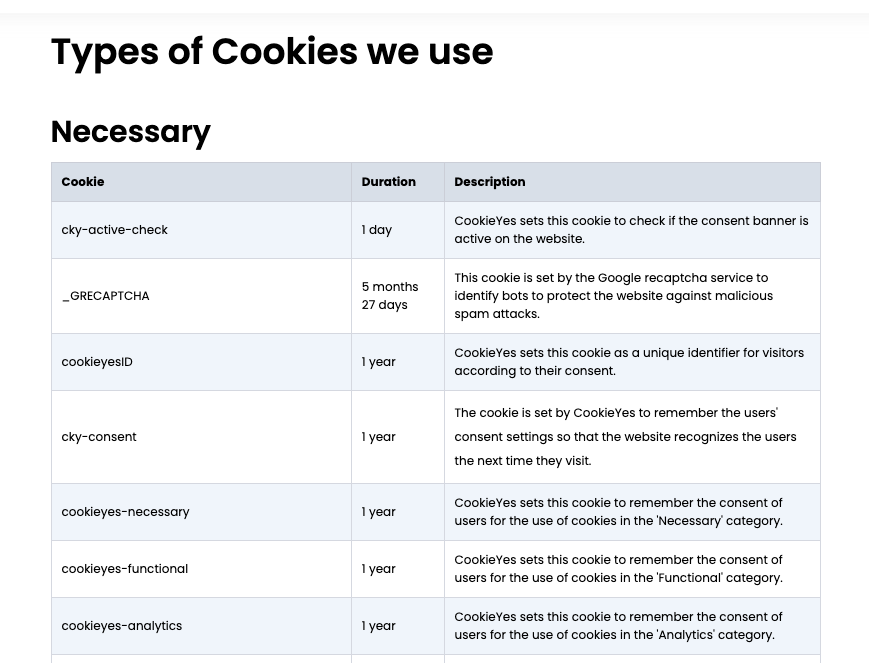






Many brands operate under the comforting illusion that cookie settings are a minor technical detail that exists only in the background of their site architecture. We have all heard the mantra that as long as the pixels are firing, the data is flowing. But what if this passive approach to cookie duration is actually acting as a silent ceiling on your revenue expansion? For high-growth eCommerce businesses, the hidden cost of inaction lies in fragmented attribution and broken customer journeys that fail to trigger critical Email and SMS automations, effectively leaving massive amounts of money on the table during the most profitable windows of customer intent.
The hard reality is that ignoring the lifecycle of your cookies directly destróis your Customer Lifetime Value by stripping away the historical data needed for effective personalization. Transitioning to a strategic understanding of cookie duration is not just a compliance task; it is a fundamental requirement for maintaining the data-rich feedback loops that fuel modern growth. This guide outlines how to implement essential expiry best practices and privacy tips, ensuring your infrastructure remains robust enough to recognize returning visitors and protect your measurement integrity without compromising user trust or site usability.
What is cookie duration and how does it work?
Cookie duration, also known as cookie lifetime, is the specific timeframe during which a cookie file remains stored on a visitor’s browser or device before it is invalidated. From a technical standpoint, this duration is dictated by the presence of specific attributes—namely “Expires” or “Max-Age”—within the HTTP header sent by your WooCommerce server. When these attributes are omitted, the browser treats the file as a session cookie, purging it immediately once the user closes their window. For high-growth eCommerce brands, precisely managing these durations is the bridge between maintaining a seamless customer journey and ensuring rigorous data privacy compliance.
- Session Cookies: These lack an explicit expiration date and exist only in the browser’s temporary memory, making them ideal for secure, short-term actions like managing a real-time shopping cart or active login session.
- Persistent Cookies: These carry a hardcoded expiration timestamp, allowing the browser to remember customer preferences, language settings, or affiliate tracking IDs across multiple visits, even after the device is rebooted.
- Browser-Enforced Limits: Modern browsers often impose a “silent ceiling” on cookie lifetimes, where local privacy settings may override a server’s requested two-year duration and force an expiration after just seven days to protect user data.
In a WooCommerce environment, how you configure these durations directly impacts your attribution accuracy and retention metrics. Setting a duration that is too short can result in “session expired” errors that disrupt the checkout flow, while excessively long durations may conflict with GDPR or CCPA requirements regarding purpose limitation. Strategic optimization involves aligning the cookie’s lifespan with its functional necessity—ensuring that essential authentication stays active for the duration of a typical shopping cycle while non-essential tracking is refreshed only upon explicit consent renewal.

Why is cookie duration important for WooCommerce revenue growth?
For WooCommerce merchants, cookie duration is a critical technical lever that directly influences conversion rates and the accuracy of marketing attribution. In a high-growth eCommerce environment, the length of time a cookie remains active determines how effectively your store can re-engage past visitors and credit specific marketing channels for their contributions to revenue. If durations are set too short, you risk losing the data link between an initial ad click and a eventual purchase, leading to undervalued marketing ROI and disjointed customer journeys.
- Attribution Accuracy: Longer cookie lifetimes ensure that multi-touch customer journeys are correctly tracked, allowing you to identify which top-of-funnel campaigns actually drive long-term sales.
- Personalization Consistency: Persistent cookies allow WooCommerce to remember cart contents and user preferences across multiple sessions, significantly reducing friction and abandonment for returning shoppers.
- Affiliate and Referral Viability: Setting an appropriate duration is essential for maintaining a fair affiliate program, ensuring partners are rewarded for customers who convert days or weeks after the initial referral.
Optimizing these settings requires a strategic babidding between maximizing data retention and adhering to evolving privacy regulations. While extended durations provide richer longitudinal data for your analytics, they must be weighed against browser-enforced limits and the need for transparent consent management. Mastering this technical babidding ensures that your automation workflows and retargeting efforts remain both effective and compliant, providing a stable foundation for scalable revenue growth.
How to set cookie expiration for affiliate marketing and tracking?
Setting the ideal cookie expiration for your WooCommerce affiliate program is a strategic balancing act between incentivizing your partners and maintaining a healthy profit margin. In the affiliate ecosystem, the “cookie window” determines the window of opportunity for an affiliate to earn a commission after a prospect clicks their referral link. For high-growth brands, the standard practice is to align this duration with your typical customer sales cycle; a low-ticket impulse purchase might only require a 24-hour to 7-day window, whereas high-ticket items involving extensive research benefit from a 30 to 90-day duration to ensure fair attribution.
- Data-Driven Calibration: Analyze your store’s “Time to Purchase” report in Google Analytics 4 to identify the median duration between the first touchpoint and the final transaction. Setting your cookie expiration slightly beyond this median—for instance, 45 days if most convert within 30—ensures you capture the majority of influenced revenue without over-extending liability.
- Plugin Integration: In a WooCommerce environment, tools like AffiliateWP allow you to customize this via the ‘Cookie Expiration’ field in the settings menu. By entering a specific number of days, the system automatically appends the ‘Expires’ or ‘Max-Age’ attribute to the tracking cookie, automating the attribution lifecycle.
- Attribution Model Alignment: If your store uses a “Last-Click” model, a standard 30-day window is usually sufficient. However, if you utilize a “First-Touch” model to reward top-of-funnel content creators, extending the expiration to 60 or 90 days is necessary to protect the affiliate’s contribution during the customer’s extended deliberation phase.
Ultimately, transparency is as critical as the technical configuration itself. Once you have established your expiration window based on your sales data and competitive landscape, clearly outline these terms in your affiliate agreement and signup pages. A well-defined cookie policy reduces friction, prevents disputes over “unqualified” sales, and builds the long-term trust required to scale your affiliate channel into a reliable revenue engine.
When should you refresh cookie consent for privacy compliance?
Refreshing cookie consent is not a one-time event but a continuous requirement for maintaining privacy compliance and ensuring the integrity of your WooCommerce data. For high-growth brands, the “silent ceiling” on revenue often comes from outdated consent records that lead to data gaps or, worse, significant legal penalties under regulations like GDPR and CCPA. Consent is considered “stale” when the technical or legal parameters of your data collection change, requiring a proactive renewal to maintain your brand’s credibility and legal standing.
- Significant Policy Changes: You must refresh consent whenever you introduce new tracking technologies, add third-party plugins that drop non-essential cookies, or significantly alter how you process existing user data.
- Legal Expiration Periods: Some jurisdictions and data protection authorities recommend or mandate refreshing consent periodically, typically every 6 to 12 months, to ensure that user choice remains current and informed.
- Major Site Re-designs: If a structural change to your WooCommerce store alters the visibility or accessibility of your privacy disclosures, a fresh consent signal ensures that users are still operating under an informed agreement.
Implementing an automated consent management system that tracks the duration of each consent signal is a technical necessity. By aligning your consent refresh triggers with your actual cookie durations, you prevent “consent fatigue” while ensuring that mission-critical analytics and marketing scripts only run with valid, up-to-date permission. This strategic approach not only secures your store against compliance audits but also builds long-term customer trust by providing transparency and control over their personal data.
How to optimize cookie duration to improve eCommerce automation?
Optimizing cookie duration is a technical necessity for WooCommerce brands that rely on behavioral automation to drive revenue. For high-growth stores, the primary goal of duration management is to ensure that your automation engine—whether it is an abandoned cart sequence or a personalized product recommendation engine—has access to a consistent thread of user data without being prematurely cut off by aggressive browser expiration settings or short-lived session defaults.
To maximize the performance of your automated workflows, you should align your cookie lifespans with the typical consideration cycle of your customers. For a high-growth store, focus on these specific optimization strategies:
- Persistent Cart Identification: Extend the duration of cart-specific cookies beyond the standard 48-hour session to at least 30 days. This ensures that when a user returns from a secondary device or a later email click, the automation can still link the persistent session to the original high-intent event.
- Attribution Window Alignment: Set your tracking cookie durations to match your marketing attribution window (typically 30 to 90 days). This allows your automation platform to accurately attribute conversion events to specific campaigns, enabling more precise triggers for post-purchase upsells.
- First-Party Server-Side Cookies: Implement server-side cookie setting to bypass Intelligent Tracking Prevention (ITP) limitations. This technical shift ensures your automation data remains durable even when browsers enforce 7-day limits on client-side JS cookies, preventing “silent” data gaps in your customer journeys.
By shifting from passive session-based defaults to a strategic duration model, you stabilize the data foundation required for complex eCommerce automation. This proactive management prevents the fragmentation of the customer lifecycle and ensures that your triggered messages reach the right user with the correct context, directly impacting your store’s long-term ROI.
Ready to take your e-commerce to the next level?
While mastering the technical nuances of cookie duration is a fundamental step toward maintaining a healthy digital storefront, the business reality for high-growth WooCommerce brands is that data without a unified strategy is a silent drag on performance. If your attribution efforts feel like they are stalling revenue expansion, or if you suspect that short-sighted tracking durations are eroding your ability to measure true Customer Lifetime Value, you are facing a structural barrier to scale. Relying on default configurations or unoptimized consent workflows is not just a technical oversight; it is a direct compromise of your data integrity and your ability to capture revenue at every touchpoint of the customer journey.
To move beyond basic compliance and build a high-performance tracking engine, you need a partner that synchronizes your technical infrastructure with your broader growth objectives. We act as a strategic extension of your team, helping DTC brands maximize Profit, Retention, and LTV through data-driven systems where tracking, consent, and automation operate in perfect concert. Our process begins with rigorous, conversion-focused audits to eliminate guesswork and identify the exact technical bottlenecks preventing your brand from maximizing ROAS. If you are ready to transition from fragmented data to a scalable, privacy-compliant system that fuels long-term growth, book a free consultation today.