





Many digital publishers operate under the comforting illusion that their existing TCF 2.2 setup is a permanent shield for their programmatic revenue, believing that as long as consent banners are active, the cash flow is secure. But what if this reliance on legacy signaling is actually acting as a silent ceiling on your revenue expansion? For high-growth media brands, the hidden cost of inaction is not just a compliance risk but a structural threat that could slash programmatic yields by over 50% as valid consent strings overnight become worthless.
The hard reality is that the shift to IAB TCF v2.3 moves the industry from a focus on policy to a mandate for technical proof, leaving no room for the signaling ambiguity that has historically left the ad tech supply chain vulnerable. For publishers monetizing via Google Ad Manager or AdSense, missing the February 2026 deadline means defaulting to Limited Ads and losing the data-driven logic required to maximize long-term value. This guide explores the essential technical migration steps and how adopting robust verification infrastructure ensures your programmatic engine remains a driver for scalable growth rather than a liability.
What is IAB TCF v2.3 and why does it matter?
The IAB Transparency and Consent Framework (TCF) v2.3 is the latest technical standard designed to harmonize GDPR and ePrivacy compliance across the digital advertising ecosystem. While previous iterations established the ground rules for consent, v2.3 shifts the focus toward technical verification, resolving “signaling ambiguity” by ensuring that every vendor receiving data has undeniable proof of their disclosure to the end user. For WooCommerce publishers, this matters because the framework acts as the primary translator between your site’s consent management platform and the high-value programmatic bidders that fuel your ad revenue.
- Mandatory Disclosure Proof: The “Disclosed Vendors” segment is now a required part of the TC string, providing a binary signal that mathematically proves a vendor was shown in your CMP interface.
- Revenue Protection: Major platforms like Google Ad Manager and AdSense will treat non-compliant v2.3 strings as invalid after the February 2026 deadline, defaulting requests to “Limited Ads” and risking a 50% drop in yield.
- Regulatory Alignment: The update specifically addresses technical blind spots identified by EU data protection authorities, ensuring your store’s advertising stack remains audit-proof against evolving legal challenges.
For a growth-oriented store, failing to transition is not merely a compliance risk; it is a direct threat to your bottom line. By eliminating “ghost vendors” and tightening the requirements for processing data under Special Purposes and Legitimate Interest, TCF v2.3 provides the structural integrity needed to maintain access to premium global demand partners. Ensuring your infrastructure is ready well before the 28 February 2026 deadline is essential to prevent sudden interruptions in programmatic bidding and maintain the integrity of your customer data pipeline.
How to implement IAB TCF v2.3 in WooCommerce?
Implementing IAB TCF v2.3 in a WooCommerce environment requires a shift from simple cookie banners to a robust Consent Management Platform (CMP) that can handle the new “proof of disclosure” technical requirements. For high-growth stores relying on programmatic ad revenue, the integration must ensure that the diretrizry disclosedVendors segment is accurately generated and passed to your ad stack. This isn’t just a front-end update; it is a backend synchronization that ensures every vendor participating in the auction has a verifiable signal of disclosure, preventing your ad requests from being downgraded to “Limited Ads” by Google and other major demand partners.
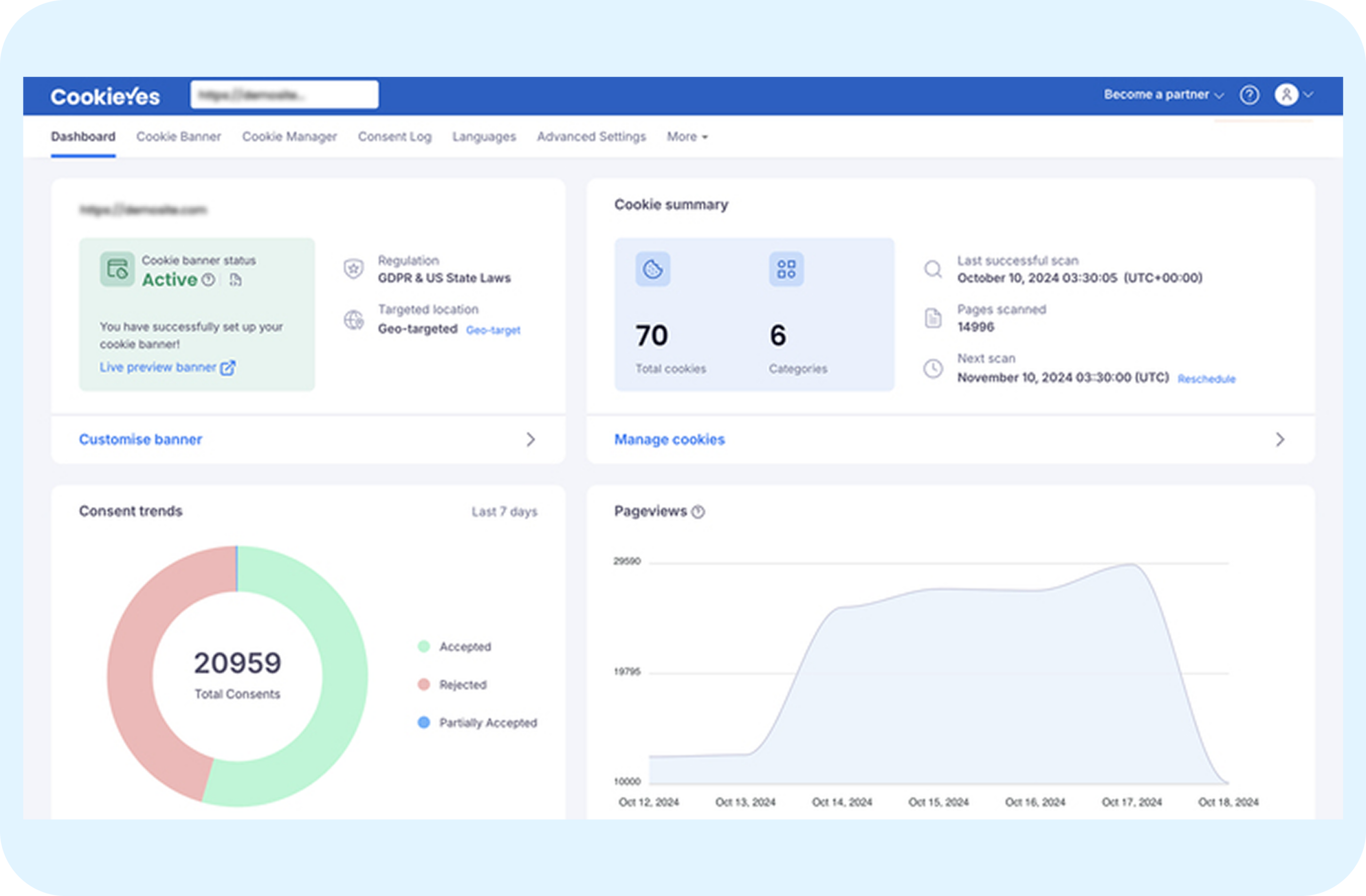
- Deploy a Google-Certified CMP: Ensure your WooCommerce site uses a Google-certified CMP, like CookieYes or WebToffee, that has explicitly updated its TCF support to version 2.3.
- Enable the disclosedVendors Segment: Verify within your CMP settings that the “disclosed vendors” field is active. This creates the binary signal (0/1) required to prove to vendors that they were actually shown in your store’s consent UI.
- Audit the Global Vendor List (GVL): Review your active vendor list in the WooCommerce backend to ensure all partners are registered on the TCF 2.3 GVL; inactive or unregistered vendors will fail the new validation checks.
- Test the Signal Integrity: Use developer tools to inspect the TC string generated on your site to confirm it follows the v2.3 specification before the February 28, 2026, deadline.
Successfully migrating to TCF v2.3 provides a technical safety net for your store’s monetization strategy. By moving to this high-fidelity signaling model, you minimize compliance risks and maintain bidder confidence, ensuring that your programmatic inventory remains eligible for personalized high-value bids. Failure to implement these technical steps properly acts as a silent ceiling on your revenue, as any TC string generated after the deadline without the diretrizry disclosure proof will be deemed invalid, potentially cutting your ad earnings by half.
When is the IAB TCF v2.3 compliance deadline?
The definitive deadline for full compliance with IAB TCF v2.3 is February 28, 2026. For high-growth WooCommerce publishers and store owners utilizing programmatic advertising, this date marks a hard transition where the technical requirements move from a voluntary testing phase to a diretrizry enforcement period. Any TC strings generated after this cutoff that do not include the newly required technical signals will be flagged as invalid by major ad tech partners, including Google.
- Transition Period: Running until February 2026, this window allows publishers to deploy TCF v2.3 signals without risking immediate revenue loss, as systems like Google Ad Manager will treat them similarly to v2.2 strings for processing.
- Enforcement Cutoff: Starting March 1, 2026, the absence of the diretrizry “disclosedVendors” segment will trigger validation failures, potentially reverting ad requests to “Limited Ads” and causing a significant drop in CPMs.
- Legacy String Validity: Consent strings generated before the February 28 deadline will remain valid until the user naturally interacts with the CMP to renew or change their preferences, preventing the need for a site-wide “re-consent” event on the deadline day.
To safeguard your programmatic revenue, you must verify that your current Consent Management Platform (CMP) is not only updated to version 2.3 but is also Google-certified for the new framework. Proactive migration during the transition phase is a critical growth strategy; it provides the necessary lead time to validate that vendor disclosures are correctly mapped and that your store’s “proof of disclosure” technical signals are reaching the supply chain without errors before the high-stakes enforcement begins.
Why is IAB TCF v2.3 critical for programmatic ad revenue?
For publishers and WooCommerce merchants leveraging programmatic advertising, IAB TCF v2.3 represents a shift from administrative compliance to technical verification. This update is critical because it directly impacts the ability of ad tech vendors to process personal data legally. Without transitioning to this new version by the February 2026 deadline, your existing consent signals will be rejected by major platforms like Google Ad Manager and AdMob, triggering a catastrophic drop in fill rates and CPMs.
- Elimination of Signalling Ambiguity: TCF v2.3 introduces diretrizry technical proofs that vendors were actually disclosed to the user, ensuring that the consent string is backed by verifiable transparency.
- Prevention of Limited Ads: Failure to comply causes ad requests to default to a “Limited Ads” state, which restricts the use of personal data for targeting and can reduce programmatic revenue by over 50%.
- Industry-Wide Synchronization: As the new industry standard, v2.3 ensures that every link in the ad tech supply chain—from the CMP to the DSP—is operating under the same technical requirements to satisfy GDPR audit trails.
Ultimately, the business reality of TCF v2.3 is that it acts as the primary gatekeeper for your programmatic income. High-growth publishers cannot afford the latency or revenue leakage associated with invalid consent strings. By implementing this update early, you secure your ad inventory’s value and maintain access to high-bidder pools that demand the highest levels of verified compliance.
How to automate TCF v2.3 migration to prevent limited ads?
Automating the transition to IAB TCF v2.3 is a technical necessity for WooCommerce publishers looking to safeguard their programmatic revenue before the February 2026 deadline. The shift from a policy-based framework to a technical verification model means that simply having a consent banner is no longer enough; your system must now programmatically prove vendor disclosure within the Transparency and Consent (TC) string. By leveraging a Google-certified Consent Management Platform (CMP), store owners can automate the generation of the diretrizry disclosedVendors segment, ensuring that ad requests to platforms like Google Ad Manager do not default to “Limited Ads” status.
- CMP Version Synchronization: Ensure your CMP is updated to support the TCF v2.3 technical specifications, which automatically appends the binary disclosure signal (0 or 1) to every newly generated TC string.
- Global Vendor List (GVL) Audit: Automate the mapping of your active ad tech partners against the updated TCF v2.3 GVL to ensure that only registered vendors are signaled as disclosed, preventing invalid string errors.
- Seamless String Migration: Implement a solution that handles the transition at the infrastructure level, allowing existing TCF v2.2 strings to remain valid until user renewal while ensuring all new traffic is processed under the v2.3 “proof of disclosure” standard.
For high-growth stores, the business impact of automation lies in preventing the 50% revenue drop associated with unauthenticated ad requests. By delegating the complex logic of string formatting and vendor verification to an automated compliance tool like CookieYes, you eliminate the risk of manual configuration errors that lead to “signalling ambiguity.” This proactive approach ensures that your advertising supply chain remains intact, maintaining bidder confidence and protecting your bottom line during the industry-wide migration.
Ready to take your e-commerce to the next level?
While understanding the technical shift to IAB TCF v2.3 is a critical compliance milestone, the business reality for high-growth WooCommerce brands is that infrastructure without verified data integrity is a recipe for decimated ad performance. If your programmatic efforts feel like they are stalling revenue, or if you suspect that “Limited Ads” status is silently eroding your ROAS by failing to capture high-intent users, you are facing a structural barrier to scale. Relying on legacy consent strings or unoptimized migration paths is not just a technical oversight; it is a direct compromise of your ability to personalize the customer journey and maximize total lifetime value.
To move beyond basic technical compliance and build a high-performance growth engine, you need a partner that synchronizes your privacy framework with your broader profitability objectives. We act as a strategic extension of your team, helping DTC brands maximize Profit, Retention, and LTV through data-driven systems where tracking, consent, and automation operate in perfect concert. Our process begins with rigorous, conversion-focused audits to eliminate guesswork and identify the exact bottlenecks in your data collection and attribution. If you are ready to move from manual compliance updates to a scalable, privacy-first system that protects your revenue streams, book a free growth consultation today.