






Most eCommerce brands view the cookie notice as a trivial piece of legal boilerplate—a diretrizry annoyance to be buried in a footer or designed to be as invisible as possible. This compliance-as-friction mindset treats privacy as a barrier to conversion, operating under the false assumption that any transparent discussion of data collection is money left on the table. However, this narrow view ignores the massive data debt and brand erosion that occur when customers feel their privacy is an afterthought rather than a priority.
The hard reality is that your cookie notice is actually the first high-stakes touchpoint in your customer’s journey and a critical engine for long-term revenue expansion. In an era where data integrity is paramount, a vague or non-compliant notice sabotages the trust required to fuel your Email and SMS marketing lists, leading to a measurable decline in Customer Lifetime Value (LTV). This guide explores the essential nuances of GDPR and CCPA/CPRA compliance, showing you how to transform a simple notice into a strategic trust touchpoint that protects your business while maximizing your marketing ROI.
How GDPR-Compliant Cookie Notices Automate Trust for WooCommerce Growth
In the WooCommerce ecosystem, a GDPR-compliant cookie notice serves as the primary “trust signal” for a first-time visitor. By moving beyond a simple notification to a proactive consent agreement, you demonstrate that your store prioritizes data sovereignty over aggressive tracking. This transparency directly mitigates the “privacy-risk” friction that often causes early-funnel abandonment. When users perceive they have real agency over their data through a clear notice, they are psychologically more inclined to engage with the brand, resulting in higher-quality sessions and more reliable attribution data.
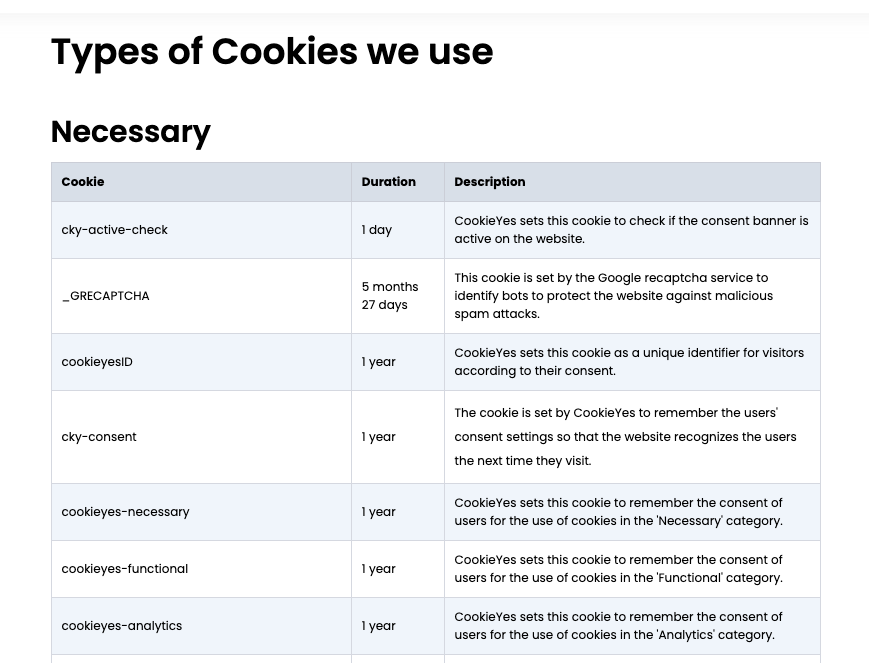
- Granular Consent Toggles: Providing specific categories such as Functional, Analytics, and Marketing allows users to opt-in to what they are comfortable with, which significantly reduces the bounce rates associated with intrusive, non-negotiable pop-ups.
- Visual Consistency: Automating trust requires the cookie notice to feel like a native part of the WooCommerce theme rather than a disjointed third-party overlay; using brand-matched typography and color palettes prevents the “security-warning” reflex.
- Prior-Consent Script Management: Technical compliance means ensuring that marketing pixels and tracking scripts remain dormant until the user interacts with the notice, a process that must be automated to prevent manual configuration errors that lead to data debt.
Ultimately, a well-implemented cookie notice automates trust by providing a frictionless, compliant entry point to the customer journey. For a growing store, this results in a cleaner marketing database and a more sustainable growth trajectory, as the customers you acquire are those who have explicitly consented to the relationship, leading to improved long-term retention and higher Customer Lifetime Value (LTV).
Maximizing Email and SMS List Quality Through Transparent Consent Notices
In the WooCommerce ecosystem, treating a cookie notice as a mere legal hurdle is a strategic error that compromises the integrity of your marketing funnel. High-quality email and SMS lists are built on the foundation of explicit, informed consent, which begins at the first touchpoint: the cookie banner. By moving away from deceptive designs and toward transparent “consent notices,” you ensure that the users entering your database are genuinely engaged and legally reachable, which significantly reduces churn and increases the deliverability of your marketing automations.
To optimize list quality using these notices, eCommerce brands should implement a technical workflow that synchronizes consent across the tech stack. This prevents the “data debt” associated with non-compliant sign-ups and protects your long-term sender reputation. Key implementation steps include:
- Synchronized Consent States: Ensure your Consent Management Platform (CMP) passes “marketing” and “analytics” consent flags directly to your CRM or ESP (like Klaviyo or Mailchimp) to validate every new subscriber.
- Notice at Collection Alignment: Use the cookie notice to provide a direct link to your privacy policy at the point of email capture, fulfilling CCPA/CPRA requirements while building immediate brand trust.
- Granular Preference Control: Allow users to opt into specific data processing categories within the notice, which acts as a high-integrity filter that surfaces your most valuable, intent-driven customers.
Turning CCPA/CPRA Notice at Collection into a Revenue-Generating Touchpoint
Transforming a CCPA/CPRA ‘Notice at Collection’ from a legal hurdle into a revenue-generating touchpoint requires a shift from defensive compliance to proactive brand positioning. In a WooCommerce environment, this notice often serves as the user’s first interaction with your data ethics. By moving beyond a simple footer link and integrating a transparent, high-integrity notice directly into the user journey, you mitigate the “privacy risk” perception that often triggers cart abandonment. When users feel they have clear, granular control over their personal information at the point of collection, it builds the necessary trust to increase Average Order Value (AOV) and long-term Customer Lifetime Value (LTV).
- Contextual Notice Integration: Instead of relying on a generic global banner, trigger specific notices during high-intent actions, such as account creation or checkout, to reassure the user that their data is handled ethically and only for their benefit.
- Seamless Opt-Out Architecture: Ensure your ‘Do Not Sell or Share My Personal Information’ mechanism is frictionless and technically verified to communicate with your marketing stack; a broken or confusing opt-out process creates immediate cognitive friction that destroys conversion momentum.
- Value-Driven Transparency: Use the notice to briefly explain how data collection improves the shopping experience—such as personalized recommendations or abandoned cart recovery—effectively reframing data sharing as a value-add rather than a privacy loss.
Ultimately, the quality of the data collected under a transparent CCPA/CPRA framework is significantly higher. Because the consent is informed and the user feels respected, the resulting first-party data used for WooCommerce personalization and Klaviyo-driven SMS/email flows is legally robust and ethically clean. This high-integrity data pipeline reduces marketing waste and ensures that your scaling efforts are built on a foundation of customer partnership rather than exploitation.
Beyond the Pop-up: Using Strategic Cookie Notices to Scale eCommerce LTV
Transforming a standard cookie notice into a strategic asset requires shifting your perspective from legal obligation to customer lifecycle management. In a WooCommerce environment, the cookie notice is the first data collection event that determines the quality of your marketing attribution and personalization. By treating the notice as a trust signal rather than a hurdle, you qualify customer intent from the first interaction, ensuring that your long-term retargeting and retention efforts are built on high-integrity, first-party data that survives evolving privacy regulations.
To leverage these notices for scaling Customer Lifetime Value (LTV), you should implement a tiered consent architecture that aligns with your growth goals. This approach focuses on optimizing the user journey based on the level of transparency provided:
- Zero-Party Data Transition: For users who decline tracking cookies, use the notice as a pivot to non-invasive engagement tools like preference centers or on-site quizzes to capture data voluntarily.
- Behavioral Intent Segmentation: Treat the granular choices made within the notice as behavioral signals; users who selectively consent often represent a more engaged, higher-value segment for personalized retention campaigns.
- Dynamic Attribution Shielding: Integrate consent status with your CRM to ensure marketing spend is allocated only to segments that have authorized advanced tracking, preventing wasted ad spend on non-consentable traffic.
Why Automated Consent Management is the Foundation of Profitable Marketing Data
In the high-stakes environment of WooCommerce scaling, data integrity is the primary driver of ROI. Relying on manual cookie notices or non-compliant “notice at collection” pages creates a fractured data pipeline where marketing attribution is either lost or legally inadmissible. Automated consent management ensures that every data point feeding into your analytics and advertising pixels is pre-validated by explicit user consent, shielding your store from the “dirty data” problem that often leads to wasted ad spend and suppressed conversion tracking.
For eCommerce brands, shifting to an automated framework transforms a legal requirement into a strategic asset by optimizing the following core pillars of profitable data collection:
- Signal Resilience: Automated platforms dynamically sync with Google Consent Mode and Meta Pixel, ensuring that even when users opt out of tracking, your store can still recover modeled conversion data to maintain campaign optimization.
- Regulatory Agility: Automation allows for geo-specific banner rendering, ensuring you capture maximum data in less restrictive regions while maintaining strict GDPR compliance in the EU, preventing the revenue loss associated with a one-size-fits-all “Reject All” approach.
- Zero-Party Data Accuracy: By providing clear, granular choices within the cookie notice, you qualify user intent at the first touchpoint, ensuring that your remarketing lists and SMS segments are populated with high-intent prospects who have explicitly agreed to the interaction.
Ultimately, the profitability of your marketing data depends on the transparency of the initial agreement. An automated consent notice serves as the gatekeeper for your entire customer database, ensuring that your Customer Lifetime Value (LTV) is built on a foundation of verifiable trust rather than regulatory risk.
Ready to take your e-commerce to the next level?
If your customer acquisition costs are climbing while your conversion rates remain stagnant, the culprit is often a fragmented approach to data privacy. Treating a cookie notice as a mere regulatory hurdle rather than a critical trust signal creates a structural friction point that actively destróis your brand integrity and compromises the quality of your marketing data. For a WooCommerce store, the real risk isn’t just a lack of compliance; it is the silent loss of high-intent visitors who abandon their journey at the very first touchpoint because of a confusing or non-transparent consent experience.
Maximizing long-term LTV and ROAS requires a unified ecosystem where consent management, advanced tracking, and marketing automation work in perfect technical alignment. We act as an extension of your in-house team to engineer these data-driven systems, ensuring that every byte of information you collect is both legally compliant and commercially actionable. To move beyond legal defense and turn your data architecture into a competitive growth engine, book one of our data-driven and conversion-focused audits today to uncover exactly how to optimize your funnel for maximum profitability.