





We’ve all heard the mantra that a revolutionary product is the only prerequisite for eCommerce success. But what if this product-first obsession is actually leading your brand astray and hemorrhaging future Customer Lifetime Value (LTV)? The hard reality is that without a precisely defined audience, your revenue expansion is capped before you even launch. The hidden cost of inaction in these early stages is a fragmented customer journey that fails to convert, effectively leaving significant money on the table while your competitors lock in high-intent segments.
For an eCommerce growth consultant, the pivot from a generic shop to a high-LTV powerhouse begins with data-driven audience segmentation that fuels high-converting Email and SMS flows. Without a crystal-clear understanding of who you are serving, your marketing automation becomes a series of generic blasts that alienate potential loyalists and destroy your margins. This first installment of our From Idea to First Customer series serves as your technical blueprint for identifying the right audience, transforming your passion into a scalable revenue engine that meets a genuine market need.
Identifying High-Value Audiences to Scale WooCommerce Revenue
Identifying a high-value audience is the critical pivot where personal passion meets market scalability. For a WooCommerce entrepreneur, a high-value segment is defined not just by interest, but by the specific cohort’s potential for high Customer Lifetime Value (LTV) and a sustainable Customer Acquisition Cost (CAC). By narrowing your focus to those with the most acute pain points, you create a foundation where your marketing efforts and product development are highly targeted, reducing the inefficient spending that often exhausts initial startup capital.
- Problem Intensity: High-value audiences are characterized by a recurring or urgent need that your product solves, which naturally increases the conversion rate and shortens the sales cycle.
- LTV Potential: Analyze whether the audience has a natural path toward repeat purchases or subscriptions, as long-term revenue stability is essential for scaling beyond the first customer.
- Channel Accessibility: Ensure your chosen segment is reachable through cost-effective digital channels, such as niche organic search terms or specific social communities, to maximize your initial return on ad spend.
Successful scaling on WooCommerce requires that these audience insights are integrated into your technical strategy from day one. By understanding the specific behaviors and technical preferences of your high-value segment, you can optimize your store’s user experience, checkout flows, and automated retargeting to eliminate friction. This data-driven approach ensures that as your business grows, your infrastructure supports a predictable revenue engine rather than a series of inconsistent, one-off transactions.
Automating Audience Insights for Personalized Email and SMS Marketing
The transition from a broad entrepreneurial idea to a sustainable WooCommerce store depends on the speed at which you can translate raw audience data into personalized marketing actions. For a new business, manual segmentation is a significant growth bottleneck. By automating audience insights, you move beyond generic broadcasting and begin delivering high-relevance messaging that aligns with the specific needs and behaviors of your early adopters, significantly increasing the probability of that critical first sale.
- Zero-Party Data Integration: Utilize on-site quizzes or preference centers to capture intent directly from your audience. Automatically syncing these attributes to your email and SMS platforms allows for immediate, hyper-personalized welcome flows that address the user’s specific “problem to solve.”
- Behavioral Trigger Automation: Implement automated tracking for high-intent actions such as specific product category views or repeated visits to educational content. This data should trigger automated SMS reminders or email deep-dives that provide the necessary social proof or technical clarity to convert a hesitant prospect.
- Dynamic Lifecycle Tagging: Configure your WooCommerce CRM to automatically tag users based on their engagement level and purchase history. This technical foundation enables automated win-back campaigns and loyalty rewards, ensuring that your customer acquisition efforts translate into long-term lifetime value from day one.
Scaling your revenue requires a shift from reactive observation to a proactive, data-driven automation model. By establishing these automated feedback loops early in your journey, you ensure that every marketing dollar spent is optimized for the specific segments most likely to drive growth, transforming your audience selection from a theoretical exercise into a quantifiable revenue engine.
Connecting with Your Ideal Customer to Maximize Long-Term LTV
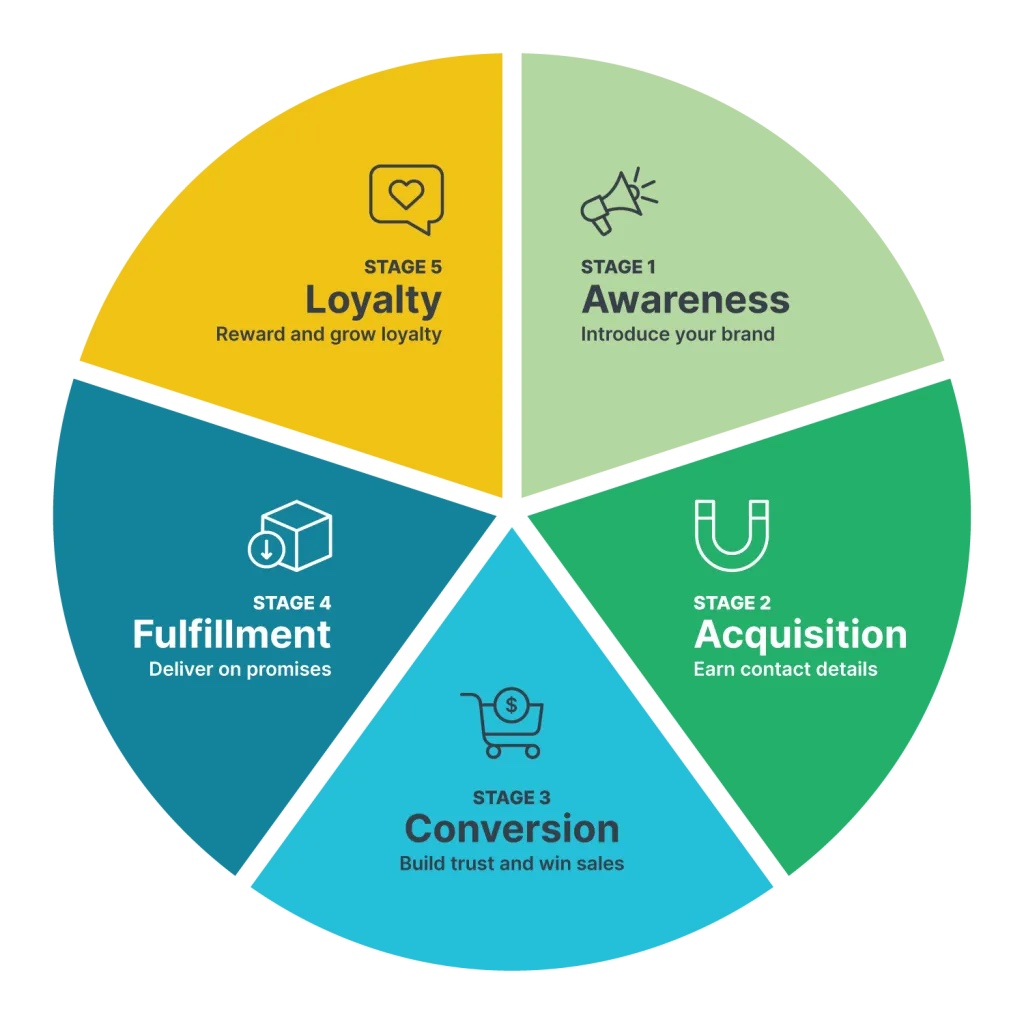
Maximizing Customer Lifetime Value (LTV) begins long before the first transaction; it is rooted in the precision of your initial audience selection. For a WooCommerce store to scale efficiently, you must identify a “High-Value Audience”—a segment whose specific pain points align perfectly with your unique value proposition. By focusing on a niche with high repeat-purchase potential or a high emotional investment in the solution, you reduce your Customer Acquisition Cost (CAC) and establish a foundation for compounding growth through automated retention flows.
- Behavioral Alignment: Analyze whether your target audience exhibits existing patterns of brand loyalty or subscription-based consumption within your category, which are primary indicators of long-term LTV.
- Feedback Loops: Engaging a specific, well-defined audience allows for cleaner data collection, enabling you to iterate on product development and marketing automation with high accuracy.
- Efficiency in Personalization: A narrow audience focus simplifies the implementation of dynamic segmentation in WooCommerce, ensuring that your email and SMS retargeting efforts remain highly relevant and less prone to churn.
From a technical standpoint, choosing a broad, generic audience often results in diluted data and fragmented marketing efforts that fail to move the needle on retention. By contrast, a data-driven approach to audience selection allows you to leverage WooCommerce’s open-source flexibility to build bespoke customer journeys. This strategic alignment ensures that every marketing dollar spent contributes to a customer base that is functionally and emotionally locked into your ecosystem, driving sustainable revenue without a constant reliance on top-of-funnel acquisition.
Building a Data-Driven Foundation for Scalable eCommerce Automation
Building a scalable WooCommerce store requires transitioning from manual audience selection to a data-driven framework that supports high-level automation. For a new business, the initial data architecture you establish determines your ability to personalize at scale without increasing operational overhead. By capturing granular customer intent and behavioral signals from the outset, you create a feedback loop that allows automated systems to optimize marketing spend and product recommendations autonomously.
To ensure your audience data is actionable for automation, focus on implementing these three core data pillars:
- Zero-Party Data Collection: Use quizzes or preference centers to have users self-identify their needs and pain points, providing high-intent data that Shopify’s rigid systems often silo.
- Event-Based Tracking: Implement detailed tracking for high-value actions beyond the purchase, such as specific category views or cart additions, to trigger personalized SMS and email flows.
- Unified Customer Profiles: Ensure your WooCommerce database acts as a single source of truth, integrating third-party marketing data to calculate and act upon predicted Customer Lifetime Value (LTV).
Establishing this foundation early allows you to move beyond basic demographic targeting and toward sophisticated segmentation. This technical readiness is what enables a growing brand to execute complex, high-converting workflows—like automated loyalty triggers or churn prevention—that are essential for sustaining long-term profitability in a competitive eCommerce landscape.
Ready to take your e-commerce to the next level?
Selecting an initial audience is merely the first step in a complex lifecycle of customer acquisition and retention. If your growth feels stagnant or if you suspect you are targeting high-churn segments that destrói your margins, the underlying issue is often a lack of alignment between your audience data and your technical conversion infrastructure. Scaling a WooCommerce store requires moving beyond intuition into a framework where every customer segment is validated by its ability to drive long-term profitability and sustainable Customer Lifetime Value (LTV).
We act as a strategic extension of your in-house team to build robust, data-driven eCommerce systems that eliminate the guesswork from your marketing stack. By integrating advanced tracking, CRM automation, and high-performance paid media, we ensure your infrastructure is optimized for maximum ROAS and long-term expansion. To identify the specific revenue leaks in your funnel and align your audience strategy with your growth goals, book one of our data-driven & conversion-focused audits today.