






We’ve all heard the mantra that data privacy is just a legal hurdle—a necessary friction that slows down your marketing and limits your ability to track. But what if this mindset is the very thing causing your brand to leave massive revenue on the table? With 2.5 quintillion bytes of data created daily, the hidden cost of a poor consent strategy isn’t just a GDPR or CCPA fine; it is the silent erosion of your customer lifetime value (LTV) and the contamination of your email and SMS lists with low-quality, unverified leads.
The hard reality is that in a privacy-first world, your Consent Management Platform (CMP) is your first high-converting touchpoint, not a technical roadblock. Leading eCommerce brands understand that a sophisticated CMP does more than display a banner; it automates trust, turning transparent data collection into a catalyst for revenue expansion. This guide breaks down exactly what to look for when choosing a platform that bridges the gap between regulatory compliance and aggressive marketing growth, ensuring your data remains your most profitable asset.
Automating Compliance: How the Right CMP Drives WooCommerce Revenue
For a high-growth WooCommerce store, automating compliance is not merely a legal safeguard; it is a conversion optimization strategy. A sophisticated Consent Management Platform (CMP) replaces manual, error-prone script blocking with a dynamic infrastructure that ensures your marketing stack—from Facebook Pixels to Google Analytics—only fires when valid consent is present. By automating this “handshake” between user choice and data collection, you eliminate the risk of “dirty data” contaminating your marketing attribution, which is essential for accurate ROAS calculation and scaling your paid media spend.
To turn compliance into a revenue-driving asset, WooCommerce operators should prioritize CMP features that reduce technical debt and improve the user journey:
- Dynamic Script Prioritization: Automatically holding back non-essential scripts until consent is granted prevents legal breaches while ensuring essential site functions load instantly, preserving your Core Web Vitals and SEO rankings.
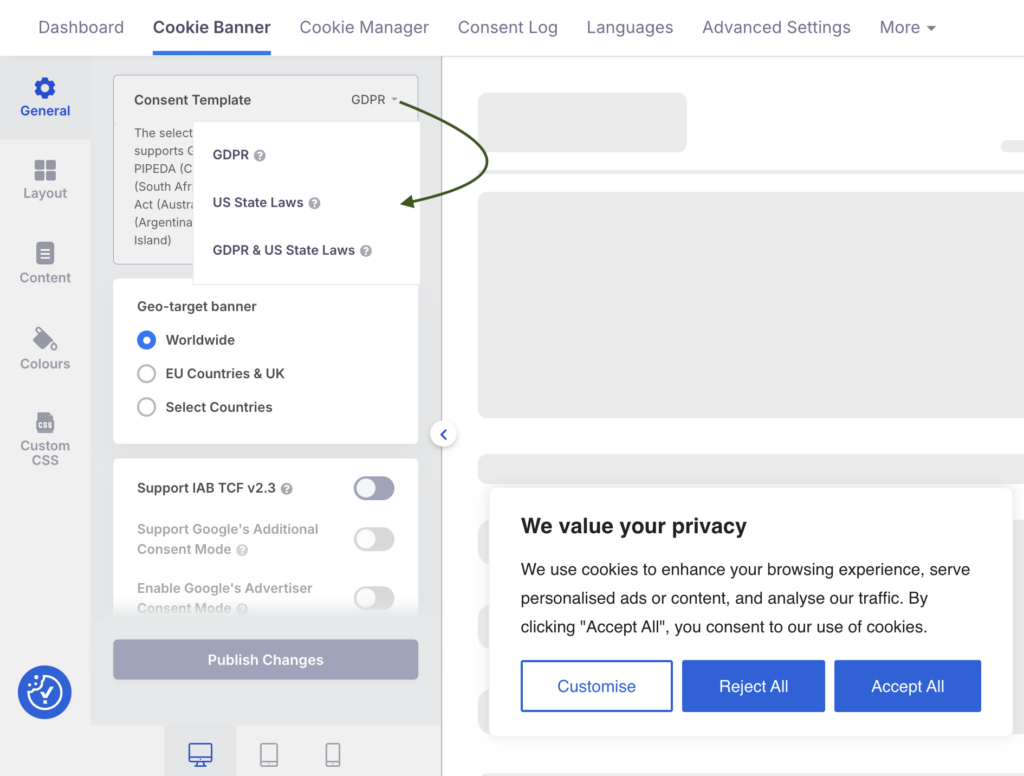
- Geo-Specific Consent Logic: Automatically displaying different banner types based on the visitor’s location (e.g., Opt-in for GDPR vs. Opt-out for CCPA) ensures you are not introducing unnecessary friction to users in less regulated regions, maximizing your global conversion potential.
- A/B Testing for Consent Rates: Utilizing a CMP that allows for testing different banner placements and copy enables you to find the “trust sweet spot” that maximizes opt-in rates, directly increasing the volume of retargeting data available for your marketing campaigns.
Ultimately, a transparent, automated consent flow signals brand authority and professional integrity. When customers feel in control of their data through a clean, on-brand interface, they are more likely to establish a high-LTV relationship with your store. By offloading the complexity of global privacy laws to an automated system, you free up internal resources to focus on scaling operations and improving the customer experience, rather than chasing manual compliance updates.
Scaling Trust: Why Consent Management is the Foundation of Email and SMS Growth
For WooCommerce stores, the cookie banner is often the first interactive touchpoint a customer encounters. When you implement a transparent, user-friendly CMP, you are not just fulfilling a legal requirement; you are establishing the brand integrity necessary for high-intent lead generation. A visitor who feels in control of their data is significantly more likely to engage with high-value conversion points, specifically email and SMS opt-ins, because the initial trust barrier has been successfully navigated through clear communication.
To effectively scale these marketing channels, the CMP must function as a data-routing hub that informs your entire tech stack. Technical alignment between your consent preferences and your marketing automation is the key to maintaining a clean, high-LTV list. Consider these core strategies:
- Granular Consent Syncing: Automatically pass real-time consent status from your CMP to tools like Klaviyo or SMSBump to ensure that only users who have explicitly opted into marketing cookies are targeted with tracking-heavy campaigns.
- Conditional Logic for Pop-ups: Set your email and SMS capture forms to trigger only after a user has interacted with the consent banner, preventing the “interstitial pile-up” that kills mobile conversion rates and damages trust.
- Data Integrity for Deliverability: Use the recorded consent strings from your CMP as a safeguard against spam complaints, ensuring your sender reputation remains high by only messaging users with a documented history of permission.
Scaling a list without a robust consent foundation creates significant technical debt and long-term legal risk. By treating consent management as a foundational growth lever, you ensure that every subscriber on your list is legally compliant and psychologically primed for engagement, which directly correlates to higher retention and lower churn for your WooCommerce operation.
Beyond the Banner: Connecting User Privacy to High-Converting Marketing Data
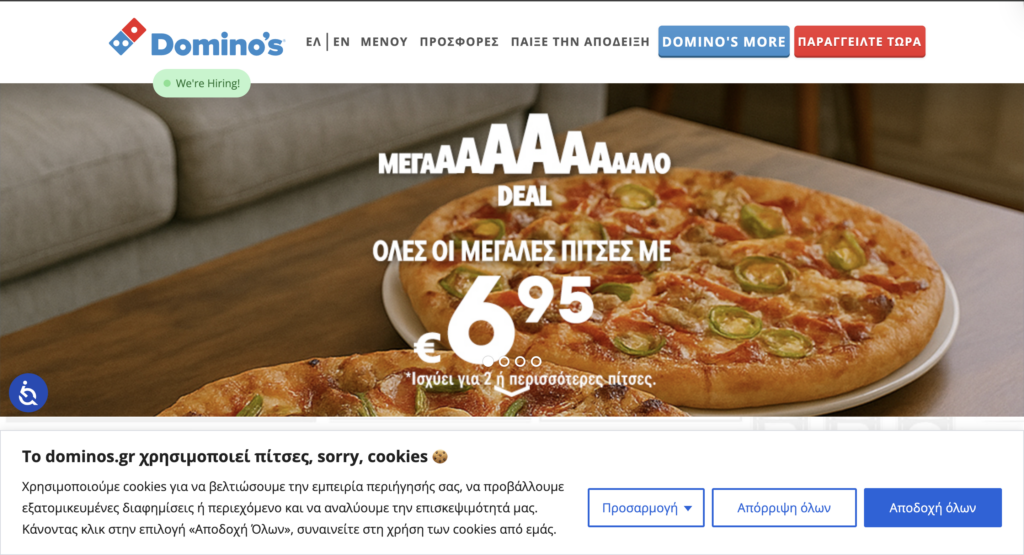
For a growth-focused WooCommerce store, the cookie banner should not be viewed as a hurdle to tracking, but as a high-fidelity data filter. Shifting to a consent-first data strategy transforms compliance from a legal burden into a technical advantage. When a user explicitly grants consent through a transparent, well-configured CMP, the resulting data is legally durable and carries a much higher signal of intent. This allows you to build a marketing stack powered by verified first-party insights rather than relying on brittle, unvetted third-party data that is increasingly subject to browser-level suppression.
- Google Consent Mode Integration: Ensure your CMP communicates directly with Google Tags to recover conversion data through behavioral modeling for unconsented pings, maintaining attribution accuracy without violating privacy.
- Server-Side Event Triggering: Use consent signals to orchestrate server-side tracking via the WooCommerce API, reducing client-side script bloat while bypassing the limitations of traditional browser-based cookie blocking.
- Ethical Audience Segmentation: Leverage the CMP’s preference center to qualify customer intent from the first interaction, ensuring that your Klaviyo or SMS marketing segments are built on a foundation of explicit permission.
By treating privacy as a technical bridge rather than a roadblock, you ensure that your marketing automation operates on a foundation of high-quality data. This proactive approach minimizes the risk of data debt—where marketing lists are invalidated by retroactive compliance audits—and protects your long-term Customer Lifetime Value (LTV). In a landscape where platform tracking is becoming less reliable, a robust CMP serves as the primary gateway for collecting the clean, high-converting data necessary for sustainable eCommerce scaling.
Protecting Customer LTV: Choosing a CMP That Minimizes Friction and Maximizes Retention
In a WooCommerce environment, every millisecond of latency and every intrusive UI element directly destróis your conversion rate and long-term Customer Lifetime Value (LTV). Selecting a Consent Management Platform (CMP) is not merely a legal checkbox; it is a critical optimization of the first interactive touchpoint in your sales funnel. A high-friction CMP that triggers layout shifts or presents a confusing interface creates immediate cognitive dissonance, signaling to high-intent users that your store lacks professional integrity, which fundamentally undermines retention before the first purchase is even made.
- Optimized Core Web Vitals: Ensure the CMP script is lightweight and asynchronously loaded to prevent blocking the main thread, preserving your site’s speed and search engine ranking.
- Geo-Targeted Compliance: Implement a solution that dynamically adjusts the banner based on the user’s location, ensuring you don’t over-burden non-regulated users with unnecessary friction.
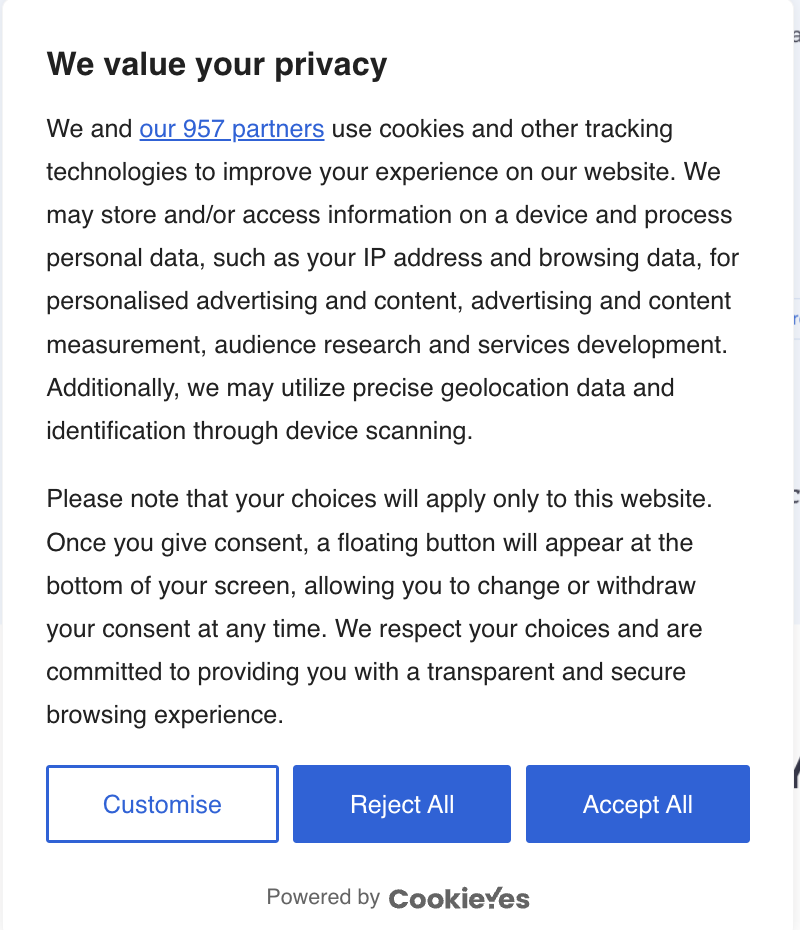
- Seamless UI Integration: Choose a platform that allows for deep CSS customization to match your store’s design system, making the consent flow feel like a native part of the brand experience rather than a third-party intrusion.
Maximizing retention requires transitioning the privacy dialogue from a diretrizry interruption to a transparent trust signal. By deploying a CMP that offers granular, easy-to-navigate controls, you empower users to manage their data preferences without exiting the buyer journey. This transparency fosters a permission-based relationship, ensuring that the data you collect for retention marketing—such as email personalization and SMS retargeting—is both high-quality and legally robust, providing a stable foundation for sustainable revenue growth.
Future-Proofing Your Store: The Strategic Growth Value of Transparent Data Collection
In the evolving WooCommerce landscape, transparent data collection is no longer just a legal hurdle; it is a strategic asset for long-term scalability. As third-party cookies phase out and global privacy regulations tighten, the ability to collect high-quality first-party data depends entirely on the initial trust established through your Consent Management Platform. By being transparent about how you use 2.5 quintillion bytes of daily global data, you shift from reactive compliance to proactive growth, ensuring that your marketing automation and personalization engines are fueled by legally sound, high-intent user information.
To future-proof your store, your CMP must move beyond being a simple UI element and become a core part of your data strategy. This involves optimizing several technical and strategic pillars that directly impact your store’s ability to maintain a competitive edge:
- Zero-Party Data Acquisition: Using the consent interface to encourage users to share preferences voluntarily, which provides more accurate targeting than traditional tracking.
- Cross-Platform Compliance Sync: Ensuring that consent signals are mapped correctly across your WooCommerce store, Klaviyo, and Google Analytics to prevent data silos and legal gaps.
- Data Sovereignty: Implementing localized consent flows that automatically adapt to the user’s region (GDPR vs. CCPA), minimizing friction and maximizing global conversion rates.
Ultimately, a transparent approach to data collection minimizes the risk of sudden revenue drops caused by regulatory shifts or platform changes. By prioritizing user privacy at the point of entry, you build a resilient eCommerce infrastructure where Customer Lifetime Value (LTV) is protected by a foundation of ethical data handling and verified consumer trust.
Ready to take your e-commerce to the next level?
Choosing the right Consent Management Platform is a technical necessity that requires precision, but the strategic implications go far beyond simple legal box-ticking. If your WooCommerce growth feels capped or your paid media attribution is becoming increasingly murky, the core issue is often a fragmented data pipeline where consent and tracking are not harmonized. By moving beyond a “compliance-only” mindset and treating your CMP as a foundational trust signal, you can secure the high-quality, zero-party data needed to build more accurate marketing automations and drive sustainable increases in Customer Lifetime Value (LTV).
As an extension of your in-house team, we specialize in engineering unified eCommerce systems where tracking, consent, and CRM automation work together to maximize ROAS and long-term profitability. We remove the guesswork from data collection by aligning your privacy architecture with your growth objectives, ensuring every byte of data captured is both compliant and commercially actionable. To uncover exactly how your current consent framework is impacting your bottom line and receive a clear blueprint for optimization, book one of our data-driven & conversion-focused audits today.