






We’ve all heard the mantra that high-impact growth is driven solely by creative copy and eye-catching design. But what if this narrow focus on the visible is actually leading your brand astray and leaving massive amounts of money on the table? For many high-growth eCommerce businesses, the hidden cost of inaction lies within the technical health of their email infrastructure, specifically a declining sender reputation that acts as a silent, ongoing drag on conversion rates and Customer Lifetime Value (LTV).
The hard reality is that neglecting your sender score is a strategic liability that compromises the deliverability of every automated flow and marketing campaign you send. In an ecosystem where mailbox providers like Gmail use complex algorithms to gatekeep the inbox, a poor reputation ensures your most valuable messaging ends up in the spam folder, resulting in a measurable revenue leak. This guide cuts through the technical complexity to show you exactly how to audit and improve your email sender reputation to safeguard your brand’s growth trajectory and maximize your ROI.
What is an email sender reputation?
Email sender reputation is a health score assigned to your sending domain and IP address by Internet Service Providers (ISPs). Think of it as a digital credit score that determines your trustworthiness as a sender. This metric is the primary filter used by mailbox providers like Gmail and Outlook to decide whether your WooCommerce transaction notifications and marketing campaigns land in the primary inbox, the promotions tab, or the dreaded spam folder.
- IP Reputation: A measure of the sending history associated with your specific server address, tracking how often emails from that IP are flagged as spam.
- Domain Reputation: The perceived quality of your brand’s specific web domain, which follows you even if you switch email service providers (ESPs).
- Engagement Metrics: How your customers interact with your emails, where high open and click-through rates signal to ISPs that your content is valued.
For high-growth eCommerce brands, maintaining a pristine reputation is a technical necessity for protecting revenue. A poor score leads to “silent” delivery failures where emails are accepted by the server but never seen by the customer, directly sabotaging your abandoned cart recovery and customer lifetime value. Protecting this reputation requires a proactive approach to list hygiene and authentication, ensuring your infrastructure supports rather than hinders your conversion funnel.
Why does my email sender score matter for WooCommerce?
For a WooCommerce store, your email sender score is the primary gatekeeper between your transactional communications and your customer’s inbox. Because WooCommerce relies heavily on automated emails for order confirmations, shipping updates, and password resets, a poor reputation can lead to these critical messages being flagged as spam. When high-intent customers fail to receive these touchpoints, it creates immediate friction in the post-purchase experience, leading to increased support overhead and a measurable decline in brand trust.
- Customer Lifetime Value (LTV): Maintaining a high sender score ensures that retention-focused communications, such as abandoned cart recoveries and personalized coupons, reach the user, directly impacting your store’s long-term profitability.
- Operational Efficiency: Reliable deliverability prevents the “double work” of manually resending invoices or tracking information, allowing your team to focus on growth rather than troubleshooting communication failures.
- Revenue Protection: Inbox providers use your IP and domain reputation to filter high-volume traffic; a low score can result in a catastrophic drop in conversion rates during peak sales events like Black Friday if your promotional blasts are blocked.
Ultimately, your sender reputation is a technical reflection of your brand’s integrity. By prioritizing a healthy score, you move beyond simply “hitting send” to ensuring that every automated workflow in your WooCommerce ecosystem contributes to a seamless, revenue-generating customer journey. Ignoring this metric means operating with a silent ceiling on your growth, as even the most optimized marketing campaigns cannot convert if they never reach the target audience.
How to check email sender reputation for free
Monitoring your sender reputation is a non-negotiable task for any WooCommerce store looking to protect its revenue. Since mailbox providers use proprietary algorithms to score your IP and domain, you need to leverage external diagnostic tools to gain visibility into how your infrastructure is perceived. These tools provide a baseline “credit score” for your email sending, allowing you to identify if your marketing messages or transactional receipts are being throttled or redirected to spam folders due to poor historical performance.
- Google Postmaster Tools: Essential for brands with a high volume of Gmail subscribers, this tool provides direct insights into your domain reputation, spam complaint rates, and authentication successes.
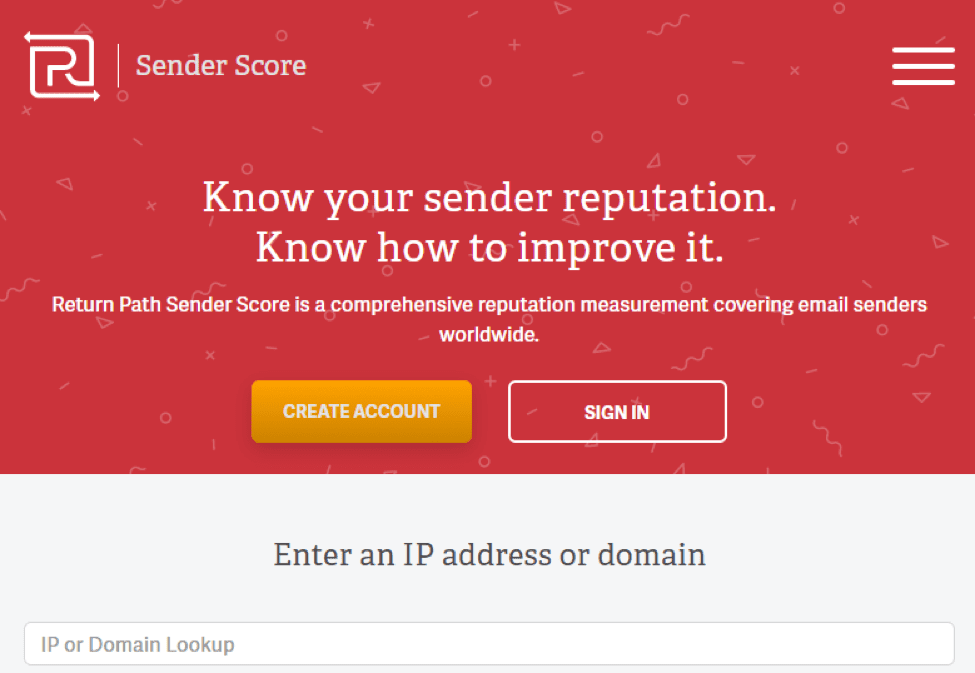
- Sender Score: Operated by Validity, this service provides a comprehensive numerical rating of your outgoing IP address, similar to a credit score, based on its reputation across the global email ecosystem.
- Microsoft SNDS: Specifically for the Outlook and Hotmail network, Smart Network Data Services offers data on your sending IP’s health and signals if you have been flagged for sending malicious or unwanted content.
- Talos Intelligence: Maintained by Cisco, this database allows you to check if your domain or IP has been added to significant blocklists, which can cause immediate and catastrophic drops in deliverability.
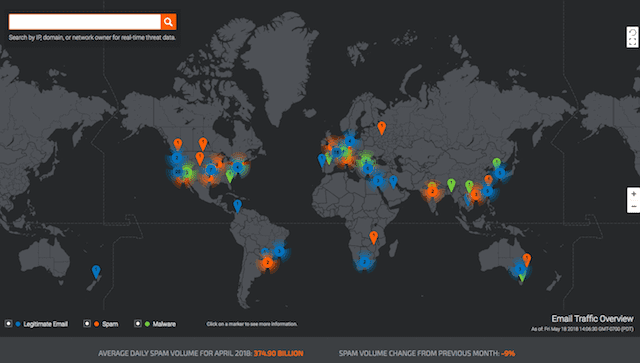
Beyond these third-party platforms, the most accurate indicator of your reputation health often lies in your own engagement data. High-growth brands should proactively monitor for “silent” reputation decay, such as a steady decline in open rates across specific providers like Yahoo or Outlook. By combining external reputation scores with internal deliverability metrics, you can transition from reactive troubleshooting to a proactive strategy that ensures your automated flows consistently reach the customer’s primary inbox.
How to improve email sender score and deliverability
Improving your email sender score is not a one-time fix but a continuous process of aligning your technical infrastructure with healthy sending habits. For a WooCommerce store, your sender reputation is the primary gatekeeper for your transactional and marketing revenue; if your score drops, your abandoned cart recoveries and order confirmations fail to reach the customer, leading to immediate churn. To move the needle, you must prioritize technical authentication and rigorous list hygiene to prove to ISPs that your domain is a trusted source of high-value content.
- Authenticate Your Domain: Implement SPF, DKIM, and DMARC protocols to verify your identity and prevent domain spoofing, which are the baseline requirements for modern inbox placement.
- Maintain List Hygiene: Regularly remove inactive subscribers and hard bounces to reduce negative signals like high bounce rates and spam complaints that rapidly decay your sender score.
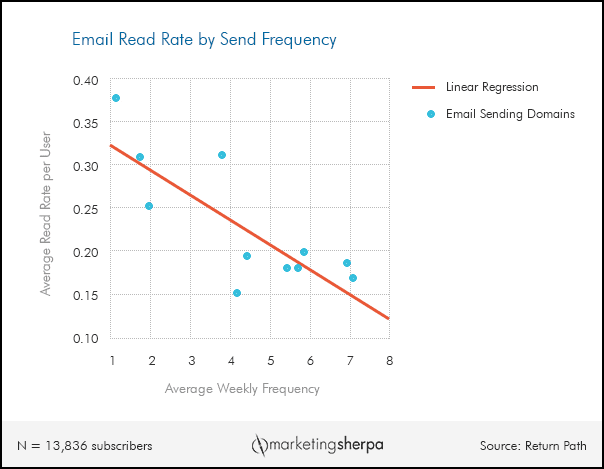
- Monitor Sending Consistency: Avoid erratic spikes in volume by warming up new IPs and maintaining a steady sending frequency, as sudden changes often trigger automated spam filters.
Beyond the technical setup, focus on driving positive engagement metrics—such as opens, clicks, and replies—which signal to mailbox providers that your audience actively wants your messages. In the competitive eCommerce landscape, a high sender score serves as a competitive advantage, ensuring that your marketing efforts translate into visible communications and, ultimately, measurable revenue growth.
What factors affect email sender reputation?
Your email sender reputation is a dynamic metric that determines the path of your WooCommerce communications, and it is calculated based on a variety of engagement and technical signals. For high-growth brands, understanding these variables is essential because a single campaign with poor list hygiene can cause a sudden drop in sender score, leading to a cascade of filtered messages and lost revenue opportunities across your automated flows.
To maintain a robust reputation that ensures primary inbox placement, you must monitor several key performance indicators and infrastructure settings that mailbox providers use to evaluate your trustworthiness:
- Spam Complaint Rates: This is the most critical factor; even a small spike in recipients marking your mail as spam signals to providers like Gmail that your content is unsolicited or irrelevant.
- Bounce Rates: High hard bounce rates indicate poor data integrity and suggest you are using old or purchased lists, which are major red flags for automated filtering algorithms.
- Recipient Engagement: Positive signals such as opens, clicks, and replies boost your standing, while a large volume of ignored or unopened mail suggests to ISPs that your messages are not valued by users.
- Authentication Compliance: Properly configured SPF, DKIM, and DMARC records verify your identity and protect your domain from spoofing, which is a foundational requirement for building a positive sender history.
- Sending Patterns: Mailbox providers look for consistency; sudden spikes in volume or irregular sending schedules can trigger suspicion, making it vital to warm up new IPs and maintain a steady cadence.
Ready to take your e-commerce to the next level?
While maintaining a high sender score is a technical prerequisite for inbox placement, the broader business reality is that a damaged reputation is a silent killer of your bottom line. If your email marketing efforts feel like they are stalling revenue despite a growing list, or if you suspect that poor deliverability is eroding your retention rates, you are essentially leaving money on the table for every campaign sent. Relying on basic practices without a deep understanding of your IP and domain health is not just a technical oversight; it is a direct compromise of your customer lifetime value and long-term profitability.
To move beyond basic troubleshooting and build a high-performance eCommerce ecosystem, you need a strategy that synchronizes your technical infrastructure with your growth objectives. We act as a strategic extension of your in-house team, helping DTC brands maximize Profit, Retention, and LTV through data-driven systems where tracking, CRM, and automation operate in perfect concert. Our process begins with rigorous, conversion-focused audits to eliminate guesswork and identify the exact bottlenecks in your customer journey. If you are ready to secure your sender reputation and optimize your automation for maximum ROAS, book a free consultation today.