






We’ve all heard the mantra that scaling an eCommerce brand is simply a matter of driving more traffic through top-of-funnel ads and social media buzz. But what if this obsession with acquisition is actually leading your brand astray and leaving massive amounts of money on the table? For many high-growth stores, the hidden cost of inaction lies in fragmented customer data, where the inability to track interactions across social, email, and in-store touchpoints acts as a silent, ongoing drag on your conversion rates and Customer Lifetime Value (LTV).
The hard reality is that without a centralized CRM, your marketing team is essentially flying blind, resulting in a measurable revenue leak within your email and SMS automation flows. With the potential to improve ROI by as much as 245%, implementing a robust CRM is not just a technical upgrade; it is a strategic necessity for revenue expansion. This guide breaks down how to leverage CRM software to centralize your data streams, optimize the customer journey, and secure the bottom-line growth your brand deserves.
What is CRM for eCommerce?
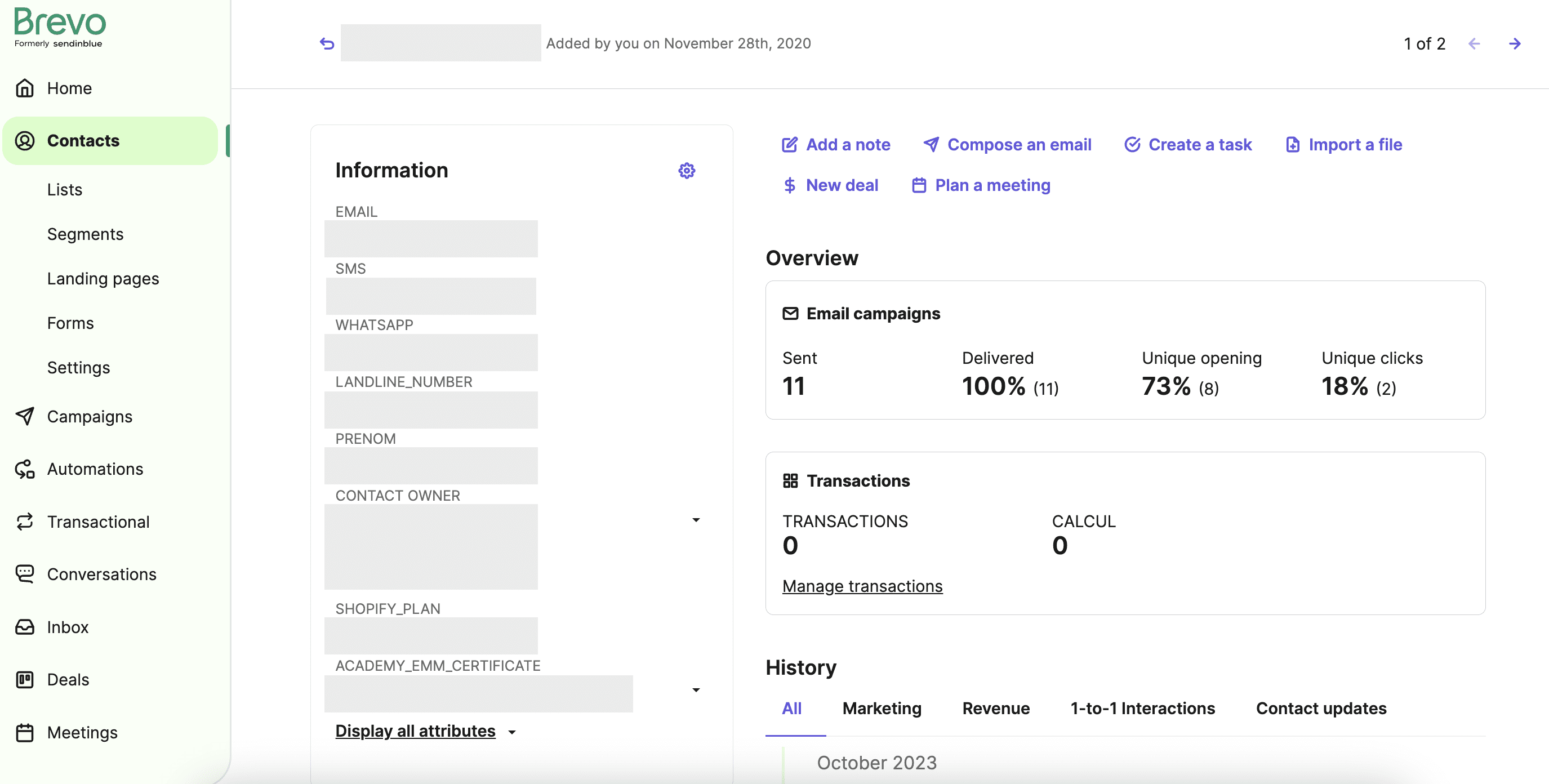
In the high-velocity world of online retail, an eCommerce CRM acts as the centralized intelligence hub that bridges the gap between raw data and personalized customer experiences. Unlike traditional sales-focused CRMs designed for long B2B cycles, an eCommerce-specific system is built to handle high transaction volumes and fragmented digital touchpoints. It aggregates data from your WooCommerce store, social media interactions, and support tickets to create a single source of truth for every customer identity.
- Unified Customer Profiles: Centralizes purchase history, browsing patterns, and communication logs to eliminate data silos across your marketing stack.
- Behavioral Synchronization: Tracks real-time intent signals, such as abandoned carts or product views, to trigger immediate, relevant automated responses.
- Lifecycle Intelligence: Categorizes customers based on their stage in the journey, allowing you to distinguish between first-time browsers and high-value brand loyalists.
Implementing a CRM within your eCommerce ecosystem is less about simple contact management and more about maximizing the return on your data assets. By integrating this technology, WooCommerce brands can move beyond generic mass marketing toward highly targeted, automated workflows that significantly improve Time to First Byte in communication and overall conversion efficiency. For a scaling store, the CRM is the essential engine that turns customer insights into predictable, sustainable revenue growth.
Why do high-growth brands need CRM software?
For high-growth WooCommerce brands, the transition from a startup to a scale-up hinges on the ability to move beyond transactional data and toward comprehensive relationship management. As customer touchpoints multiply across social media, email, and support tickets, a CRM serves as the single source of truth that prevents data silos. Without this centralization, brands often struggle with fragmented customer profiles, leading to inefficient marketing spend and missed opportunities for personalized engagement.
- Omnichannel Synchronization: Centralize interactions from your WooCommerce store, social channels, and offline points of sale to ensure a consistent brand voice and customer experience across all platforms.
- Advanced Segmentation: Utilize granular purchase history and behavioral data to create highly targeted segments, allowing for more effective automated marketing flows that drive higher conversion rates.
- Predictive Analytics: Leverage customer insights to identify high-value segments and anticipate future buying patterns, enabling proactive inventory management and personalized outreach that increases retention.
By integrating a CRM, businesses can transform raw data into actionable growth strategies, significantly improving ROI by optimizing the entire sales cycle. This infrastructure allows teams to guide contacts through a more intentional customer journey, ensuring that every message is relevant and timely. Ultimately, a robust CRM setup is what enables a brand to scale its operations without losing the personalized touch that builds long-term customer loyalty and increases lifetime value.
How to use a CRM for WooCommerce revenue growth?
For high-growth WooCommerce stores, revenue growth isn’t just about traffic acquisition; it is about leveraging centralized data to maximize the value of every existing contact. By integrating a CRM, you move beyond basic transactional data and gain a unified view of the customer journey. This allows you to transition from generic marketing to hyper-personalized engagement strategies that significantly increase conversion rates and average order value.
- Advanced Customer Segmentation: Use CRM data to group customers by purchase frequency, lifetime value, or specific product interests, allowing for highly targeted promotions that resonate with distinct buyer personas.
- Automated Lifecycle Marketing: Trigger personalized workflows based on real-time CRM insights, such as automated re-engagement campaigns for slipping customers or exclusive loyalty rewards for your highest-spending segments.
- Omnichannel Personalization: Synchronize customer interactions across email, social media, and support tickets to ensure your brand messaging is consistent and relevant at every touchpoint of the sales funnel.
Implementing these CRM-driven strategies transforms your store into a data-led growth engine. By reducing the reliance on manual data entry and using insights to guide customer service and marketing efforts, you eliminate the friction that often prevents scaling. This technical foundation not only improves the customer experience but directly contributes to a sustainable increase in your bottom line through improved retention and optimized sales cycles.

When should you integrate CRM with your online store?
For high-growth WooCommerce stores, the decision to integrate a CRM is often driven by the limitations of basic order management. While WordPress handles transactions, it is not designed to track the nuanced lifecycle of a customer across multiple touchpoints. You should consider integration when your manual efforts to personalize marketing or manage support tickets start to hit a technical ceiling, leading to data fragmentation and missed revenue opportunities.
- Data Fragmentation: When customer interaction data is scattered across email platforms, social media, and your WooCommerce backend, making it impossible to form a cohesive customer profile.
- Scalability Bottlenecks: When your team can no longer manually segment lists or provide personalized follow-ups to an expanding database without significant operational overhead.
- Stagnant Retention Rates: When your store relies solely on new acquisitions because you lack the behavioral insights necessary to trigger automated, high-conversion win-back or loyalty campaigns.
Ultimately, the right time for integration is before your operational complexity sabotages your customer experience. By centralizing data early, you establish a scalable foundation that allows for data-driven decision-making and advanced automation, effectively turning your backend into a growth engine rather than just a transaction processor.
How can a CRM increase customer lifetime value?
A CRM increases Customer Lifetime Value (LTV) by shifting the focus from individual transactions to long-term relationship health. By centralizing behavioral data, purchase history, and support interactions, a CRM allows WooCommerce store owners to identify high-value segments and deploy precision marketing that encourages repeat purchases. This data-driven approach ensures that your retention efforts are focused on the customers with the highest potential for growth, directly improving your store’s profitability and stability.
To maximize LTV, a CRM enables specific strategies that scale personalization and reduce churn:
- Predictive Personalization: Use historical purchase patterns to trigger automated recommendations and replenishment reminders, ensuring your brand remains top-of-mind at the exact moment a customer is ready to buy again.
- Proactive Churn Mitigation: Monitor engagement metrics to identify “at-risk” customers who have stopped interacting with your store, allowing you to trigger win-back campaigns before the relationship is permanently severed.
- Enhanced Customer Service: Provide support teams with a 360-degree view of the customer’s journey, enabling them to resolve issues faster and offer personalized incentives that transform a negative experience into a loyalty-building moment.
Ready to take your e-commerce to the next level?
While understanding the foundational role of a CRM is essential for managing customer interactions, the business reality is that most DTC brands treat their CRM as a passive database rather than a high-performance revenue engine. If your retention efforts feel like they are stalling revenue, or if you suspect you are investing in acquiring the wrong customer segments, your CRM architecture is likely failing to bridge the gap between raw data and actionable profit. True eCommerce growth is not found in vanity metrics or surface-level relationship management; it requires a structural alignment where tracking, automation, and lifecycle marketing work in perfect concert to drive measurable increases in LTV and bottom-line profitability.
We help high-growth brands move beyond the guesswork of standard implementations by acting as a strategic extension of your in-house team. Our methodology centers on building integrated systems that synchronize paid media with precise CRM data and privacy-compliant tracking to maximize ROAS and long-term retention. By shifting the focus from mere record-keeping to a data-driven growth strategy, you can transform your backend infrastructure into a competitive advantage that scales. If you are ready to identify the hidden bottlenecks in your customer journey and optimize your system for maximum performance, book one of our conversion-focused audits today.