






Many eCommerce brands operate under the dangerous assumption that the checkout page is merely a functional finish line—a simple utility to capture a credit card number. This passive mentality is precisely why 69% of shopping carts are abandoned before a single dollar changes hands, representing a massive revenue leak that most audits fail to address. When you treat the checkout experience as a static transaction rather than a dynamic conversion engine, you are not just losing a sale; you are hemorrhaging the very momentum your brand spent significant capital to build through expensive top-of-funnel marketing.
The hard reality is that every unnecessary field and friction point acts as a hidden tax on your scaling efforts, directly suppressing Customer Lifetime Value (LTV) and crippling the ROI of your Email and SMS retargeting flows. If your checkout process feels like an interrogation rather than a seamless transition, high-intent shoppers will simply walk away, leaving your growth stuck in a cycle of high acquisition costs and diminishing returns. Optimizing this critical touchpoint is the fastest path to immediate revenue expansion, transforming a baseline utility into a strategic asset that captures more value and turns one-time shoppers into loyal, long-term relationships.
Eliminating Friction: Automating a Streamlined Checkout Experience
Reducing checkout friction is the most direct path to recapturing the 69% of revenue typically lost to cart abandonment. For WooCommerce stores, this requires moving beyond a standard one-size-fits-all form to a dynamic, automated experience that anticipates user needs. By minimizing cognitive load and technical hurdles during the final steps of the buyer journey, you transition the checkout from a point of resistance into a seamless gateway for conversion and long-term customer retention.
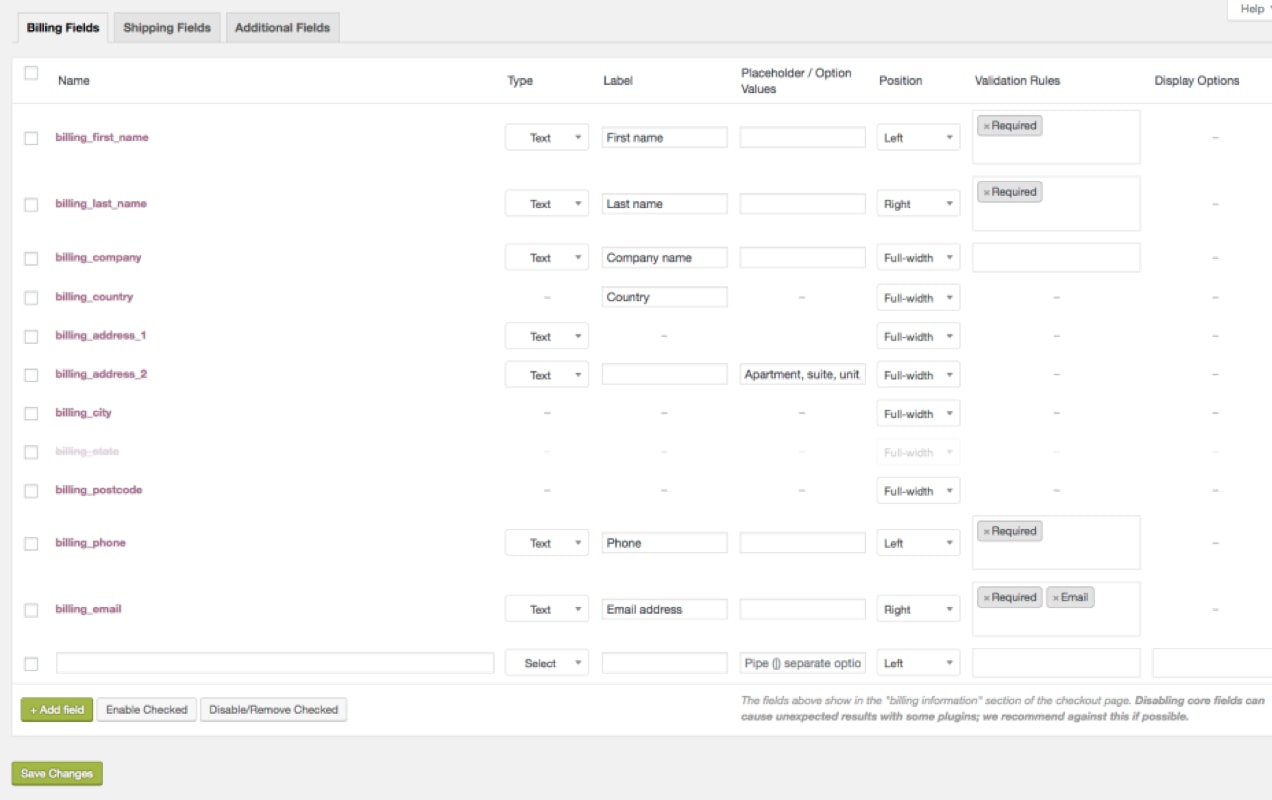
- Field Minimization: Programmatically remove non-essential fields like ‘Company Name’ or ‘Phone Number’ to reduce the physical effort required to complete a transaction.
- Address Autocomplete: Implement Google Maps or Postcode lookup integration to automate data entry, significantly reducing mobile input errors and speeding up the shipping calculation process.
- Guest Checkout Default: Eliminate the diretrizry account creation barrier, allowing users to finalize their purchase immediately while offering post-purchase account creation to capture customer data without stalling the initial sale.
Automation plays a critical role in streamlining this process, particularly through the use of smart defaults and real-time validation. When the checkout page automatically calculates shipping and applies relevant coupons based on cart contents, it removes the uncertainty that often leads to mid-checkout abandonment. High-growth stores must treat every additional field or click as a potential leak in their revenue funnel, ensuring the path to purchase is as short and automated as possible.
Scaling Revenue with High-Impact Post-Purchase Email Flows
The checkout page is the definitive point where a visitor transitions into a customer, but the revenue potential of that transaction extends far beyond the initial “Place Order” click. For high-growth WooCommerce stores, the post-purchase phase is a critical window to maximize Customer Lifetime Value (LTV) by capitalizing on the peak engagement of a successful checkout. Shifting from generic order confirmations to strategically triggered email flows allows you to recoup acquisition costs more efficiently and build immediate brand momentum.
To transform your post-purchase sequence into a scalable revenue driver, implement these three high-impact automation flows:
- Immediate Dynamic Cross-Sells: Trigger personalized product recommendations based on the specific items just purchased. By using WooCommerce data to suggest logical companions—such as accessories or maintenance kits—you can capture additional sales while the customer’s intent and trust are at their highest level.
- The Progressive “Thank You” Sequence: Move beyond transaction receipts by delivering a multi-part onboarding flow. Use the first 48 hours to provide value through product usage guides or social proof, followed by a time-sensitive discount code for their next order to reduce the duration between first and second purchases.
- Replenishment & Subscription Reminders: For consumable products, use historical purchase data to predict when a customer is running low. Automating a “restock” reminder with a one-click checkout link removes the friction of re-entry and protects your recurring revenue from competitors.
By integrating these flows directly with your WooCommerce customer data, you create a self-sustaining loop that automates retention. This technical approach ensures that the relationship started at checkout is immediately nurtured, turning a single transaction into a long-term, high-value customer asset without requiring manual oversight or additional ad spend.
Maximizing Order Value via Dynamic One-Click Upsell Automation
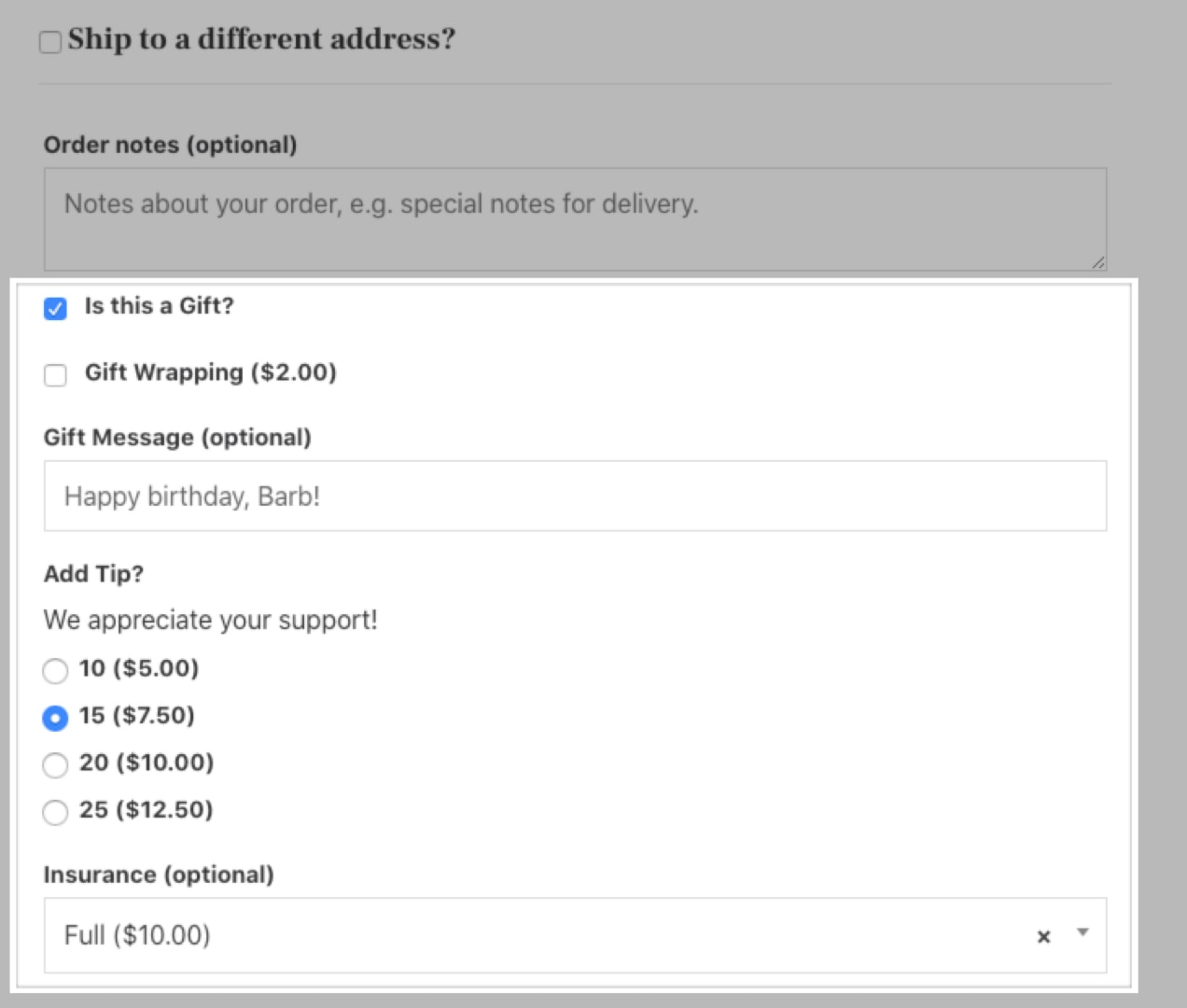
Maximizing Average Order Value (AOV) requires a strategic shift from intrusive pre-purchase pop-ups to frictionless, post-purchase one-click upsells. By presenting a complementary offer immediately after the initial transaction—but before the thank-you page—you capitalize on the psychological state of a committed buyer without risking the primary conversion. This technical approach ensures that the customer has already completed their main goal, allowing for a personalized offer that feels like a curated recommendation rather than a barrier to checkout.
- Payment Tokenization: Utilize payment gateways that support secure tokenization to allow customers to authorize additional charges with a single click, eliminating the need to re-enter credit card details and removing all technical friction.
- Dynamic Logic Mapping: Implement automation rules that trigger specific upsells based on the category, price point, or SKU of the item just purchased to ensure the offer is highly relevant to the customer’s immediate needs.
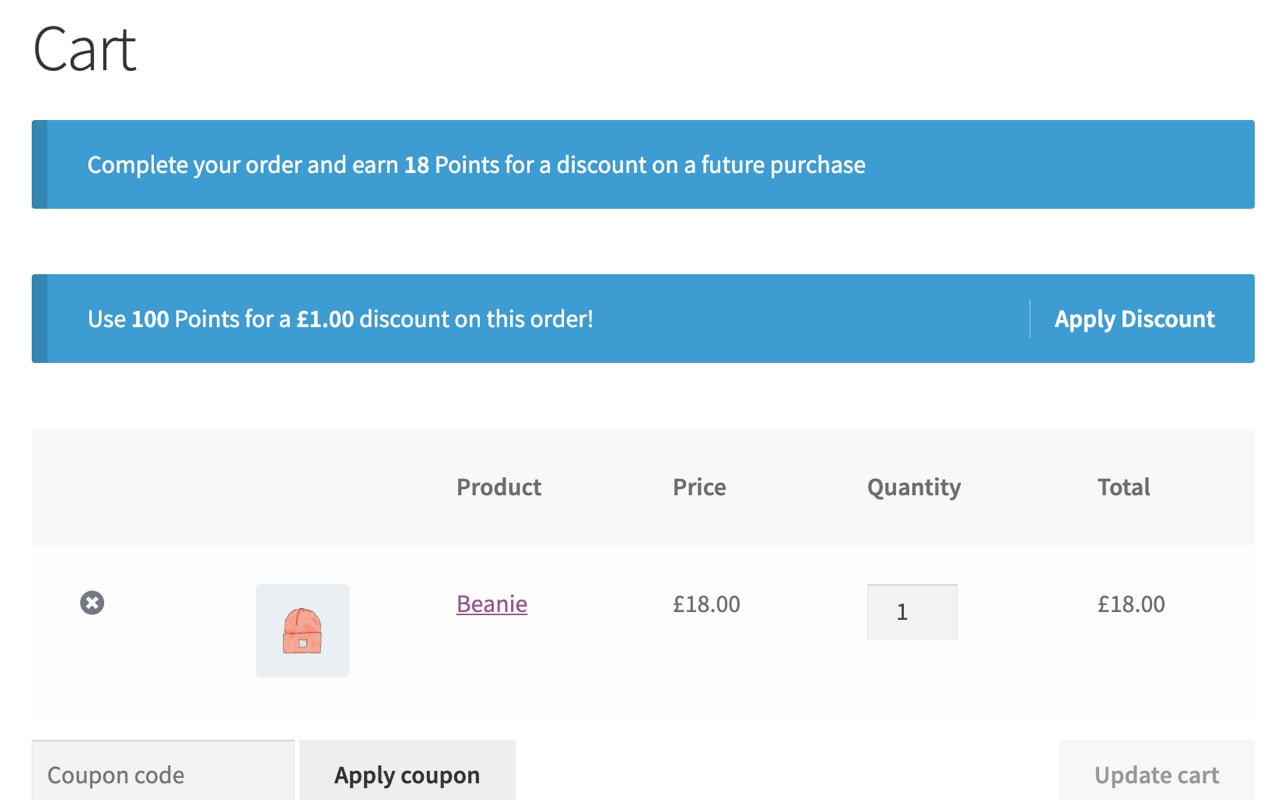
- Exclusive Time-Bound Incentives: Offer a “one-time-only” discount on the upsell item to create legitimate urgency, incentivizing the customer to increase their order size in the moment to secure a better deal.
Integrating these automated sequences into your WooCommerce ecosystem transforms the checkout from a static endpoint into a dynamic revenue engine. By leveraging data-driven relevance and frictionless execution, you effectively increase Customer Lifetime Value (LTV) from the very first transaction while providing a more sophisticated and helpful shopping experience.
Driving Repeat Sales through Integrated SMS Marketing Recovery
SMS marketing recovery transforms the high-friction event of checkout abandonment into a high-conversion touchpoint by bypassing the saturated inbox. For WooCommerce stores, integrating SMS directly into the checkout flow allows you to capture high-intent signals in real-time. Unlike email, which may go unread for hours, SMS offers near-instantaneous open rates, making it the ideal channel for time-sensitive recovery offers that address immediate purchase hesitations such as shipping costs or technical confusion.
- Real-Time Triggers: Automate messages to deploy within 30 to 60 minutes of abandonment to capitalize on the user’s active shopping session and peak product interest.
- Granular Segmentation: Use checkout data to trigger different flows based on cart value; high-value carts can be prioritized with personalized concierge-style support or exclusive incentives.
- One-Click Re-entry: Ensure every SMS includes a deep-linked URL that restores the customer’s exact cart session, reducing the technical friction required to complete the transaction.
The strategic value of SMS extends beyond simple recovery into long-term Customer Lifetime Value (LTV) optimization. By securing opt-ins during the checkout process, you establish a direct, low-noise communication channel for future post-purchase engagement. This allows for automated follow-ups that encourage repeat purchases through replenishment reminders or personalized product recommendations based on their specific checkout history, effectively turning a recovered cart into a recurring revenue stream.
Data-Driven Growth: Leveraging Checkout Analytics for Higher LTV
To maximize Customer Lifetime Value (LTV), you must transform your WooCommerce checkout from a static transaction point into a rich data source. Leveraging granular analytics allows you to move beyond basic conversion rates and identify exactly where high-value segments are experiencing friction. By integrating advanced tracking, you can observe how different customer cohorts interact with shipping calculators, coupon fields, and cross-sell offers, enabling you to refine the experience for those most likely to become repeat buyers.
Focus your analytical efforts on these three critical technical metrics to drive long-term growth:
- Field-Level Drop-off Rate: Identify specific input fields—such as phone numbers or company names—that cause disproportionate abandonment, allowing you to prune unnecessary data collection.
- AOV via Upsell Interaction: Measure the attach rate and subsequent retention of customers who accept one-click offers versus those who don’t, ensuring your offers enhance rather than degrade the user experience.
- Payment Method Attribution: Track which payment gateways correlate with higher LTV and lower return rates, helping you prioritize the most profitable checkout paths for your specific audience.
Ultimately, a data-driven checkout strategy shifts the focus from a single sale to the entire customer journey. By continuously auditing these analytics, you can implement a feedback loop where checkout optimizations directly fuel more effective post-purchase automation and personalized SMS marketing, creating a compounding effect on your store’s total revenue.
Ready to take your e-commerce to the next level?
Optimizing your checkout flow is a technical necessity, but if your conversion rate remains stagnant despite these adjustments, the issue likely stems from a deeper systemic fragmentation. When checkout friction acts as a silent revenue leak, it suppresses your Average Order Value (AOV) and destróis the efficiency of your paid media spend. True profitability is not found in isolated UI tweaks; it requires a cohesive architecture where tracking, CRM, and automation work in concert to turn a single transaction into a sustainable, high-LTV relationship.
As an extension of your in-house team, we help DTC brands move beyond guesswork to build data-driven eCommerce systems designed for scalable growth. Our methodology centers on maximizing ROAS and long-term retention through advanced tracking and integrated marketing automation. If you are ready to identify the structural leaks in your funnel and optimize your entire customer journey for maximum profit, book one of our data-driven & conversion-focused audits today.