






Many eCommerce brands operate under the misconception that ultra-high-resolution, uncompressed imagery is the only way to convey premium brand value. In reality, this pursuit of aesthetic perfection is often the single greatest point of friction in your conversion funnel, leading to a massive revenue leak that quietly destróis your Customer Lifetime Value (LTV). When high-intent traffic from your SMS and email marketing campaigns hits a landing page that takes more than a few seconds to load, you aren’t just losing a session; you are actively training your most valuable customers to abandon your brand in favor of a faster, more responsive competitor.
The hard logic of eCommerce growth dictates that site speed is a primary driver of both search rankings and bottom-line profitability. Failing to optimize your visual assets represents a significant cost of inaction, as bloated images act as a technical barrier that prevents search engines from indexing your store effectively and thwarts the customer journey at the point of highest intent. This guide provides the technical blueprint to reconcile visual quality with peak performance, ensuring your store delivers the lightning-fast experience necessary to scale revenue and maximize the return on every marketing dollar spent.
Maximizing Revenue Through Speed: The ROI of Image Optimization
For a high-growth WooCommerce store, every millisecond of latency translates to a measurable dip in conversion rates. Images typically account for the vast majority of a page’s total weight; when these assets are unoptimized, they create a bottleneck that punishes mobile users and high-intent shoppers alike. By reducing the payload of your product galleries and hero sections, you are not just improving a technical metric, but actively removing the friction that leads to cart abandonment and lost Customer Lifetime Value (LTV).
- Conversion Rate Recovery: Faster load times directly reduce bounce rates, ensuring that potential customers stay engaged through the checkout funnel rather than abandoning due to frustration.
- Organic Visibility: Google’s Core Web Vitals, specifically Largest Contentful Paint (LCP), heavily factor in image load times for search rankings, making optimization a core pillar of technical SEO.
- Infrastructure Efficiency: Smaller image files consume less bandwidth and server resources, which stabilizes site performance during high-traffic sales events and reduces long-term hosting overhead.
Investing in image optimization provides a rare win-win scenario where the user experience is significantly enhanced while simultaneously satisfying search engine algorithms. For brands scaling on WooCommerce, establishing automated image workflows is a critical step in maintaining a high-performance front end as the product catalog and traffic volume grow, ensuring that site speed remains a competitive advantage rather than a revenue leak.
Automating Image Compression to Protect Conversion Rates
High-resolution product imagery is essential for building trust, but unmanaged file sizes are often the primary cause of high bounce rates. For a high-growth WooCommerce store, relying on manual image resizing before every upload is a process prone to human error and significant technical debt. By automating image compression, you ensure that every asset—from featured gallery images to thumbnail previews—is delivered at the minimum file size necessary without compromising visual fidelity, directly protecting your conversion funnel from the friction of slow load times.
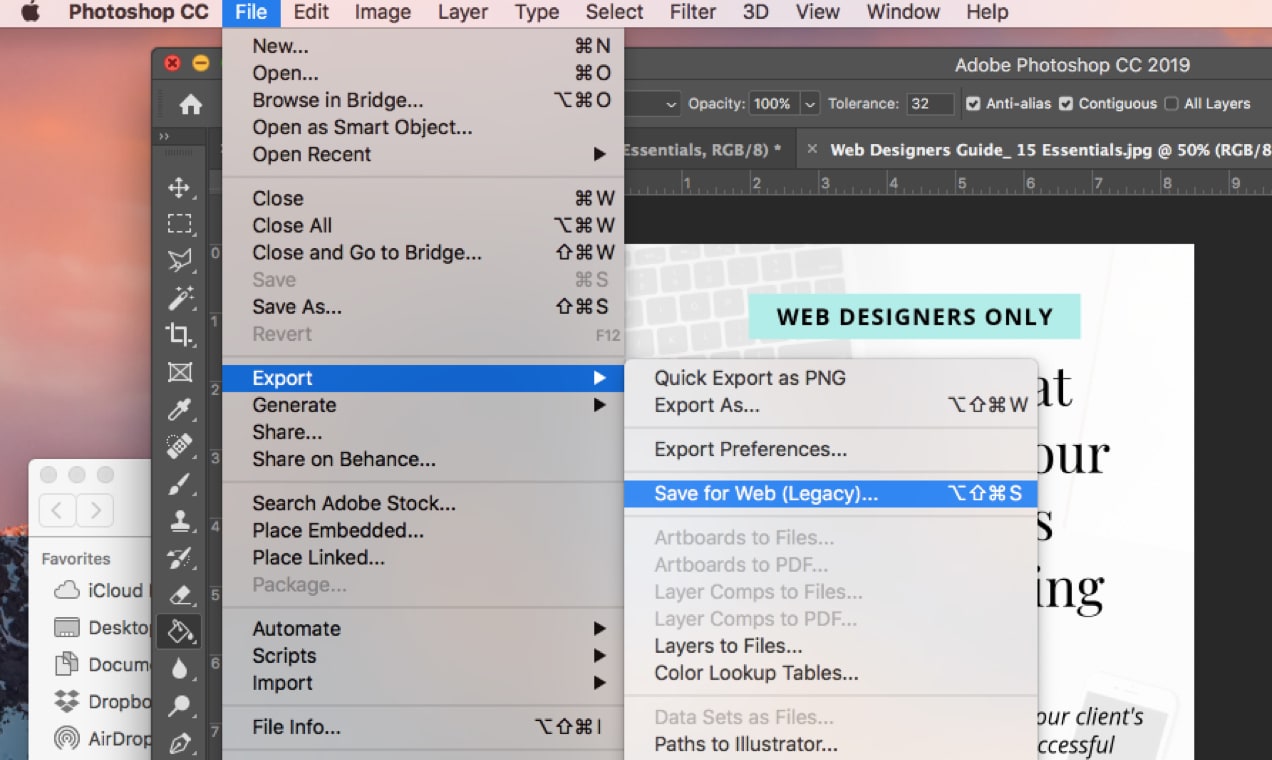
- On-Upload Compression: Implement tools that automatically trigger lossy or lossless compression algorithms the moment an image is added to the WordPress Media Library, ensuring no unoptimized original is ever served to a customer.
- Next-Gen Format Conversion: Use automation to generate and serve formats like WebP or AVIF, which offer superior compression ratios compared to traditional JPEGs, significantly reducing the total page payload for mobile users.
- Dynamic CDN Optimization: Offload image processing to a Content Delivery Network (CDN) that resizes and optimizes visuals in real-time based on the visitor’s specific device and viewport, providing the most efficient version of an image without taxing server resources.
Shifting to an automated workflow transforms image optimization from a periodic maintenance chore into a continuous performance gate. This systemic approach stabilizes your Core Web Vitals, particularly Largest Contentful Paint (LCP), providing a seamless user experience that keeps high-intent shoppers engaged throughout the path to purchase.

Fueling High-Converting Email and SMS Flows with Optimized Visuals
The efficacy of your retention marketing—specifically automated email and SMS flows—is tethered to the performance of your product visuals. For a high-growth WooCommerce store, serving unoptimized, heavy image assets within these flows is a technical failure that leads to high bounce rates and diminished engagement. When an automated abandoned cart email or a product recommendation SMS takes too long to render its primary visual, the high-intent window of opportunity closes, resulting in a measurable leak in your conversion funnel.
- Data-Efficient Asset Delivery: Use modern formats like WebP or Avif for email hero images and thumbnails to ensure instant rendering across all mobile devices and mail clients, which is critical for maintaining the momentum of the customer journey.
- Automated Scaling for SMS: Ensure your MMS (Multimedia Messaging Service) visuals are strictly compressed and correctly aspect-ratioed to prevent carrier-side cropping or delivery failures that can render your SMS flows unprofessional and ineffective.
- Dynamic CDN Integration: Leverage a Content Delivery Network (CDN) to serve marketing assets from the closest edge server to the recipient, reducing the “Time to First Byte” and ensuring that visuals load synchronously with the text content of your marketing automation.
By prioritizing image optimization within your marketing stack, you move beyond simple aesthetics and into the realm of technical performance optimization. Fast-loading visuals reduce the friction between the notification and the checkout, ensuring that your automated flows operate at peak efficiency. This technical diligence directly supports a higher Customer Lifetime Value (LTV) by providing a seamless, high-performance experience that respects the user’s time and bandwidth constraints.
Accelerating the Path to Purchase: Image SEO for Scalable Growth
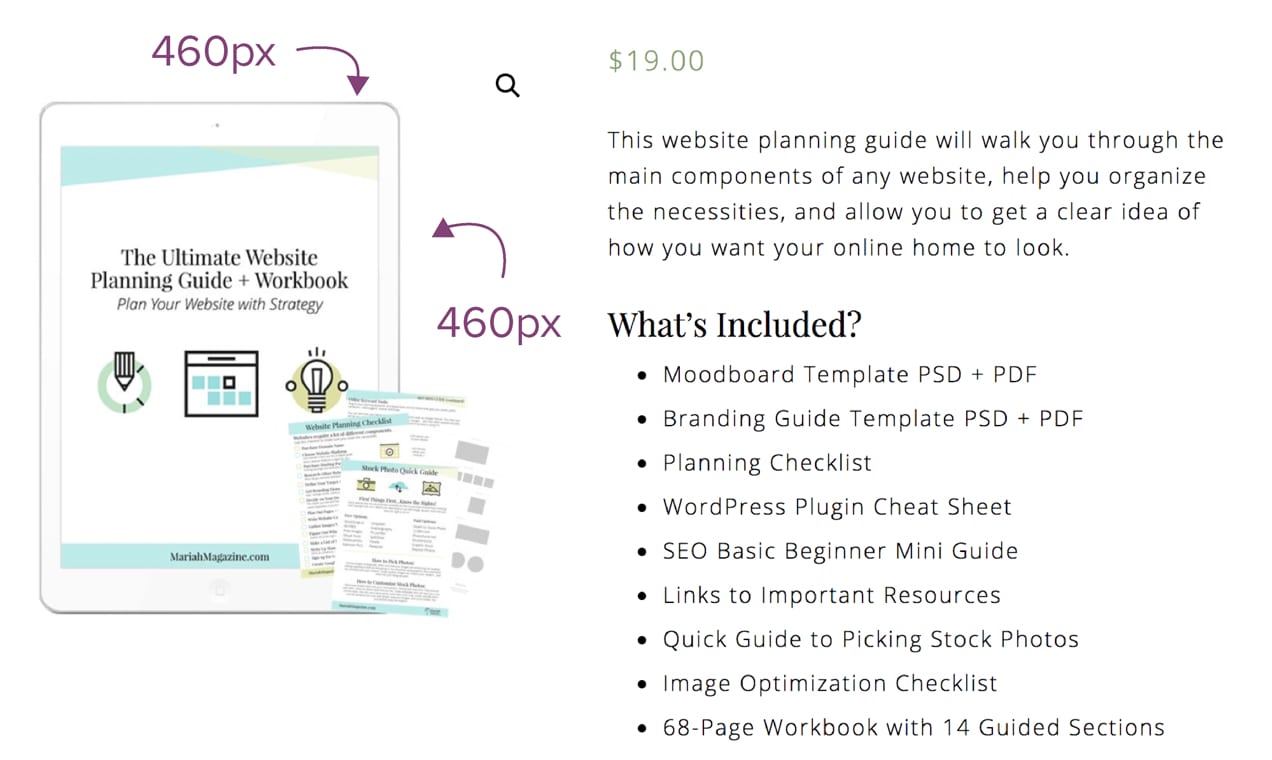
Image SEO is a critical, yet frequently overlooked, lever for scaling a WooCommerce store’s organic reach and reducing friction in the buyer’s journey. For a high-growth brand, image optimization transcends simple file compression; it is about ensuring your visual assets are discoverable, indexable, and contextually relevant to search engine crawlers. When Google’s bots can efficiently parse your product imagery, you unlock access to high-intent visual search traffic, effectively shortening the distance between a customer’s initial search and the final transaction.
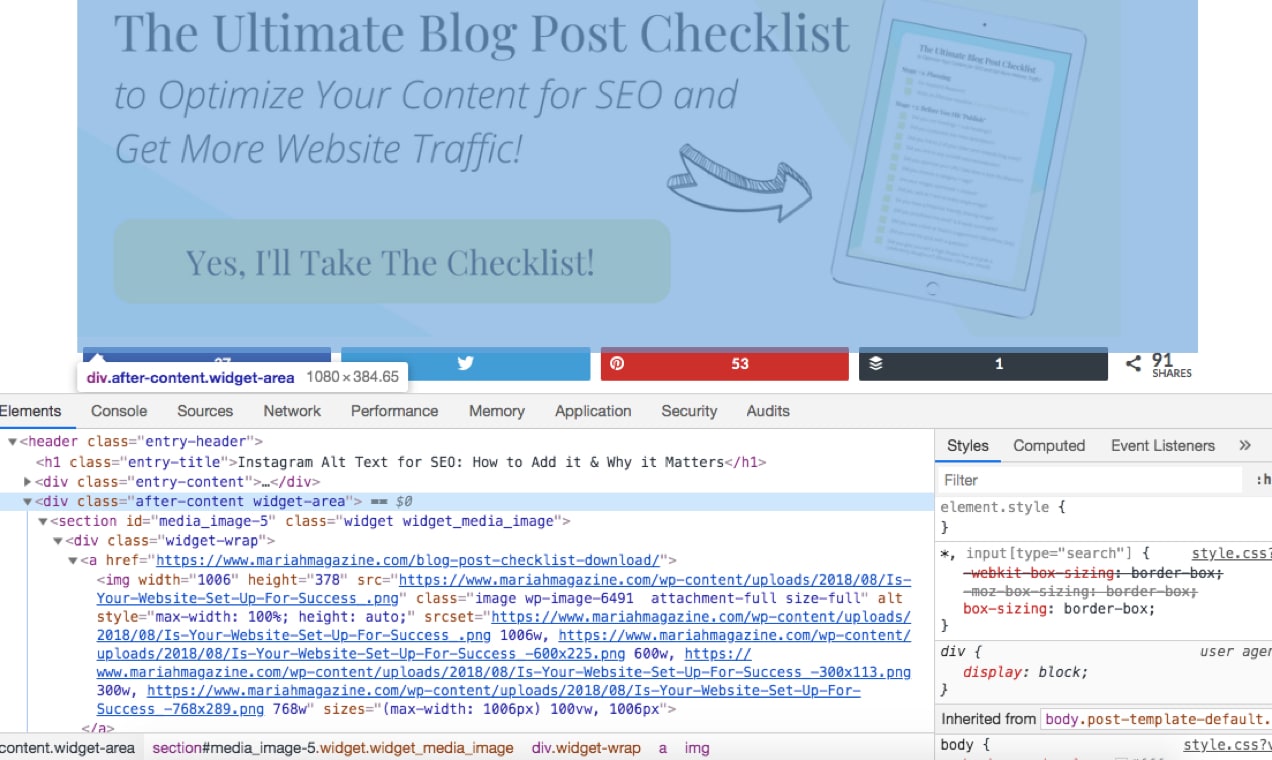
- Descriptive File Naming: Replace generic camera outputs like “IMG_001.jpg” with keyword-rich, hyphen-separated filenames that describe the product and its specific attributes to provide immediate context to search engines.
- Semantic Alt Text: Beyond accessibility, alt tags should provide a concise, natural description of the image content, allowing screen readers and crawlers to understand the visual context without resorting to keyword stuffing.
- Image XML Sitemaps: Ensuring your product images are explicitly listed in your site’s XML sitemap helps search engines discover assets that might otherwise be hidden behind JavaScript or complex gallery scripts, ensuring maximum crawl coverage.
By treating images as structured data rather than just aesthetic elements, you directly improve your site’s performance in Core Web Vitals, specifically Largest Contentful Paint (LCP). A technically sound image SEO strategy ensures that high-resolution visuals do not become a bottleneck for scalability. Instead, they become a high-performance entry point that captures traffic from Google Images and Pinterest, driving qualified users into an optimized, fast-loading checkout funnel that prioritizes speed and conversion.
Reducing Technical Debt: Automated Image Workflows for WooCommerce Growth
For scaling WooCommerce stores, unoptimized media represents a significant form of technical debt that compounds as the product catalog expands. Relying on manual image preparation creates a critical bottleneck that leads to inconsistent site speed and eventual performance degradation. Implementing automated workflows ensures that every asset is systematically optimized at the point of ingestion, preventing the need for expensive, retroactive optimization projects that divert developer focus from high-value growth initiatives.
To build a future-proof media strategy, integrate these automated processes into your WooCommerce infrastructure to ensure efficiency and scalability:
- Next-Gen Format Conversion: Automatically generate and serve WebP or AVIF versions of your images to reduce file sizes by up to 30% compared to standard JPEGs while maintaining visual quality.
- Dynamic Breakpoint Delivery: Utilize an Image CDN or responsive image syntax to serve correctly scaled dimensions based on the visitor’s device, ensuring mobile users aren’t penalized by desktop-sized files.
- Lossless Metadata Stripping: Implement automated scripts to remove unnecessary EXIF data from every upload, shaving off vital kilobytes that contribute to cumulative layout shifts and slow loading times.
Ready to take your e-commerce to the next level?
While the technical implementation of image optimization is a critical lever for improving site speed, the broader business reality is that every millisecond of latency is a direct leak in your conversion funnel. If your load times are forcing high-intent shoppers to abandon their carts or if your mobile experience is actively suppressing your ROAS, you aren’t just facing a technical hurdle; you are operating an inefficient growth system that burns capital and destroys Customer Lifetime Value (LTV). True profitability in a high-growth WooCommerce environment requires moving beyond vanity speed scores to ensure your visual assets are optimized to fuel high-converting user journeys across every touchpoint.
Optimizing your store’s performance is a continuous strategic requirement that demands a holistic, data-driven approach where tracking, infrastructure, and marketing automation work in perfect synchronization. We act as a strategic extension of your in-house team, helping DTC brands eliminate guesswork and maximize long-term growth through technical precision and performance marketing. Our process begins with rigorous, data-driven & conversion-focused audits to identify structural bottlenecks and ensure your entire eCommerce ecosystem is engineered for maximum profit. If you are ready to stop leaking revenue and want to build a high-performance system designed for scalable growth, book a free consultation today.