






Many eCommerce brands operate under the dangerous misconception that GDPR compliance is merely a legal checkbox or a minor administrative hurdle for their European segments. But what if this dismissive attitude toward data privacy is actually acting as a silent leak in your revenue expansion strategy? For high-growth stores, the hidden cost of inaction isn’t just the threat of astronomical fines; it is the systematic erosion of customer trust and the subsequent collapse of long-term Customer Lifetime Value (LTV) when subscribers feel their personal data is being exploited rather than protected.
The hard reality is that in a data-driven market, your brand reputation is your most valuable asset, and a single deliverability crisis triggered by non-compliant lists can stall your growth for years. Transitioning to a strictly GDPR-compliant email marketing strategy is a strategic pivot that shifts your focus from aggressive, low-intent list building to high-value, permission-based engagement. This guide explores the essential frameworks of the General Data Protection Regulation, providing the technical and strategic roadmap needed to safeguard your infrastructure, protect your brand, and ensure your automated workflows remain a sustainable engine for scalable growth.
What is GDPR and how does it affect email marketing?
The General Data Protection Regulation (GDPR) is a comprehensive legal framework enacted by the European Union to govern how the personal data of individuals within the EEA is collected, processed, and stored. For high-growth WooCommerce brands, GDPR isn’t just a legal hurdle; it is a fundamental shift in how you build and maintain your subscriber list. It establishes that data protection is a primary right, requiring businesses to move from passive data collection to a model of radical transparency and explicit accountability.
- Explicit Consent: You must obtain “active” opt-in consent that is freely given, specific, and unambiguous, meaning pre-ticked boxes or silence no longer constitute valid permission to send marketing emails.
- Right to Erasure: Subscribers have the “right to be forgotten,” necessitating that your systems can efficiently delete all personal data upon request to avoid severe financial penalties.
- Data Minimization: Your WooCommerce store should only collect the absolute minimum data necessary for the transaction or communication, reducing the risk surface in the event of a security breach.
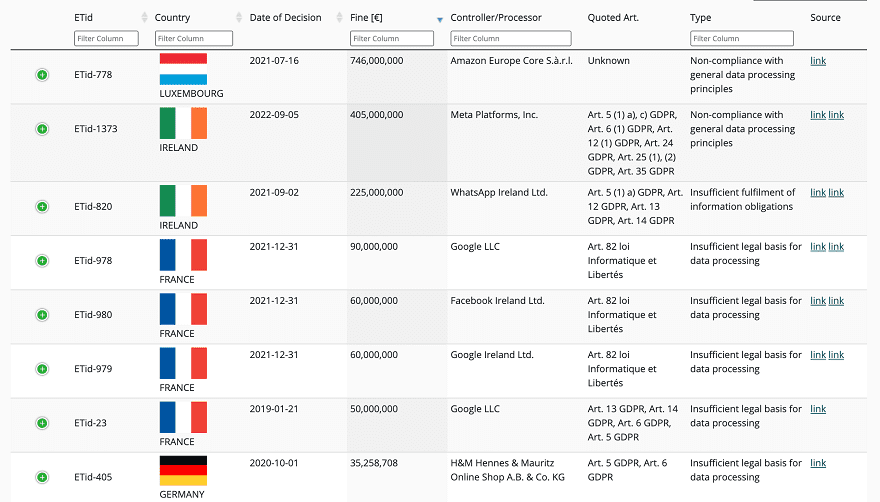
In the context of email marketing, GDPR transforms your database from a list of addresses into a registry of verified relationships. It affects everything from your signup form design to the technical headers in your email API requests. Failing to align your strategy with these principles exposes your brand to fines of up to €20 million or 4% of global annual turnover, making technical compliance a critical component of your store’s operational reliability and revenue security.
Why is GDPR compliance necessary for WooCommerce stores?
For high-growth WooCommerce stores, GDPR compliance is more than a legal hurdle; it is a fundamental requirement for maintaining access to the European market. Because WooCommerce inherently processes sensitive customer data—including billing addresses, IP addresses, and purchase histories—it falls directly under the jurisdiction of the General Data Protection Regulation if any of your customers are EU residents. Ignoring these mandates puts your brand at risk of severe financial penalties that can reach up to 4% of your annual global turnover, creating a structural risk that can stall even the most successful revenue expansion.
- Brand Trust and LTV: Demonstrating transparency in how you collect and store data builds customer confidence, which directly correlates with higher retention and long-term brand loyalty.
- Global Scalability: Many emerging markets are adopting GDPR-inspired privacy frameworks; aligning your WooCommerce infrastructure with these standards today ensures you can expand internationally without future technical debt.
- Data Integrity: Compliance forces a cleanup of your data processing workflows, reducing the security risks associated with abandoned cart tracking and third-party plugin integrations.
Ultimately, a GDPR-compliant strategy protects your business from the reputational damage and revenue loss associated with data breaches. By implementing robust consent mechanisms and clear data retention policies within your WooCommerce settings, you transition from reactive legal defense to a proactive, trustworthy customer experience. This technical diligence ensures that your automated marketing efforts remain effective and legally sound as you scale your operations.
How to collect GDPR-compliant email consent from customers?
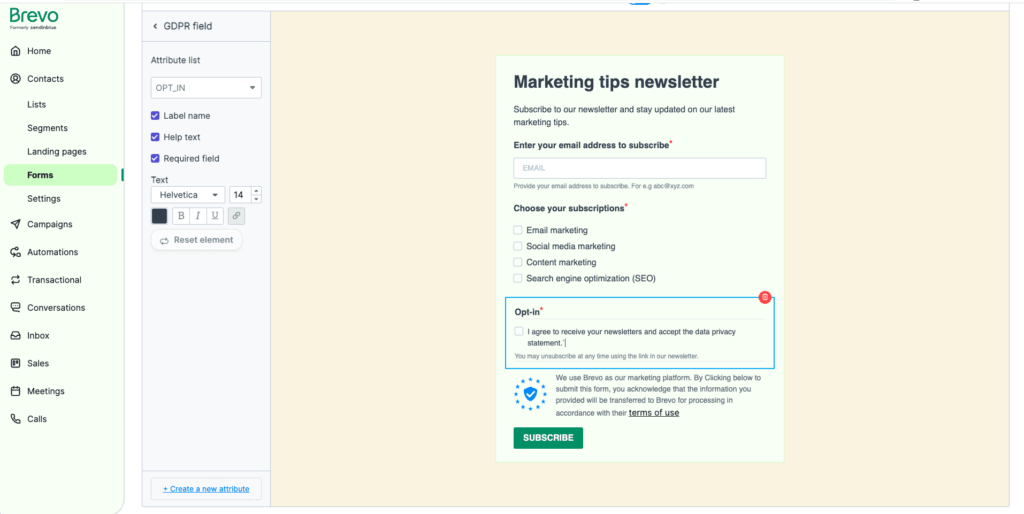
Collecting GDPR-compliant consent in a WooCommerce environment requires a shift from passive data collection to active, transparent user engagement. Under the GDPR, consent must be a freely given, specific, informed, and unambiguous indication of the user’s wishes. For eCommerce brands, this means your checkout pages and registration forms must move away from “implied” agreement and toward documented, affirmative actions that prove a customer explicitly chose to receive your marketing communications.
- Active Opt-In: Ensure all marketing checkboxes are unchecked by default. Pre-ticked boxes are a direct violation of GDPR, as consent must result from a clear affirmative act rather than silence or inactivity.
- Granular Transparency: Clearly distinguish marketing consent from other terms and conditions. Your forms should use plain language to explain exactly what the user is signing up for, such as weekly newsletters or personalized product recommendations, rather than using vague “service improvement” clauses.
- Verifiable Audit Trails: Implement a system that records the timestamp, IP address, and the specific form version used when consent was granted. This “record of consent” is technically required to satisfy the accountability principle, allowing you to demonstrate compliance during a regulatory audit.
To further solidify your compliance posture, adopting a double opt-in (DOI) mechanism is highly recommended for high-growth stores. By requiring a secondary confirmation via email, you not only verify the accuracy of your data but also provide a second layer of proof that the subscriber intended to join your list. This programmatic approach reduces technical debt and protects your sender reputation by ensuring your database is built on high-intent, fully compliant customer data.
What are the penalties for GDPR non-compliance in eCommerce?
For high-growth WooCommerce stores, the financial penalties for GDPR non-compliance are structured to be effectively punitive, ensuring that data protection is treated as a core business requirement rather than a secondary checklist item. Regulatory authorities utilize a two-tiered fine system that scales based on the severity of the infringement and the size of the undertaking. For an eCommerce brand, even a technical oversight in how you manage your email list or process customer checkout data can trigger significant administrative action.
- Lower Tier Penalties: For less severe violations, such as failure to maintain proper records or not conducting a data protection impact assessment, fines can reach up to €10 million or 2% of the company’s total global annual turnover, whichever is higher.
- Upper Tier Penalties: For serious breaches involving the core principles of processing, customer consent rights, or international data transfers, fines can escalate to €20 million or 4% of the company’s total global annual turnover.
- Corrective Powers: Beyond monetary fines, supervisory authorities have the power to impose temporary or definitive bans on data processing, which can lead to immediate operational shutdowns for digital-first brands.
While the headline-grabbing fines often focus on multi-national corporations, the strategic reality for WooCommerce merchants is that non-compliance acts as a silent ceiling on brand equity. Beyond the immediate legal fees and administrative charges, a publicized data breach or a regulatory warning results in catastrophic reputational damage and a loss of customer trust. In a competitive market, failing to secure your transactional flows and marketing automation not only risks your babidding sheet but destróis the Customer Lifetime Value (LTV) that high-growth brands depend on for sustainable expansion.
How to automate GDPR-friendly email marketing to grow revenue?
Automating GDPR-compliant email marketing in WooCommerce requires shifting from broad-spectrum broadcasting to a precision-engineered architecture that respects data sovereignty while maximizing conversion. For high-growth brands, the key is to integrate compliance directly into the automation logic, ensuring that revenue-driving flows—such as abandoned cart recovery or post-purchase upsells—only trigger for contacts with verified, documented consent. By utilizing behavioral data within a secure framework, you can increase Customer Lifetime Value (LTV) without exposing the business to the structural risks of non-compliance.
- Double Opt-In Logic: Implement a diretrizry two-step verification process to ensure that every subscriber on your list has actively confirmed their interest, providing a robust paper trail of consent that satisfies GDPR audit requirements.
- Dynamic Preference Centers: Use automation to direct users to granular preference management pages where they can opt-down or adjust the frequency of specific message types, reducing total unsubscribes and maintaining a high-quality, engaged audience.
- Automated List Hygiene: Configure your marketing platform to programmatically archive or delete inactive contacts and those who have exercised their “right to be forgotten,” ensuring your infrastructure remains lean and compliant with data minimization principles.
By delegating consent management to automated workflows, you remove the human error associated with manual list uploads and segmented tagging. This technical rigor builds long-term consumer trust, which translates directly into higher deliverability and superior engagement rates. Ultimately, a GDPR-friendly automation strategy ensures that your store’s communication engine remains a scalable asset rather than a legal liability during aggressive growth phases.
Ready to take your e-commerce to the next level?
If your growth efforts feel like they are stalling despite a growing subscriber list, or if you suspect that a lack of rigorous consent management is creating a hidden ceiling on your deliverability, you are facing a structural barrier to scale. For high-growth WooCommerce brands, GDPR compliance is not merely a legal checkbox; it is a technical necessity that ensures your data infrastructure remains a resilient asset rather than a liability. By moving beyond basic regulatory adherence and treating privacy-first data collection as a competitive advantage, you can build a more transparent relationship with your customers that translates directly into higher engagement and long-term profitability.
Scaling a DTC brand in an increasingly regulated environment requires a partner that views privacy and performance through the same lens. We act as a strategic extension of your team, building data-driven systems where consent, CRM, and automation operate in perfect concert to maximize ROAS and LTV without the guesswork. Our process begins with data-driven and conversion-focused audits to identify the exact bottlenecks in your customer journey and eliminate the risks that compromise your scaling efforts. If you are ready to transform your email marketing into a secure, high-performance engine for revenue expansion, book a free consultation today.