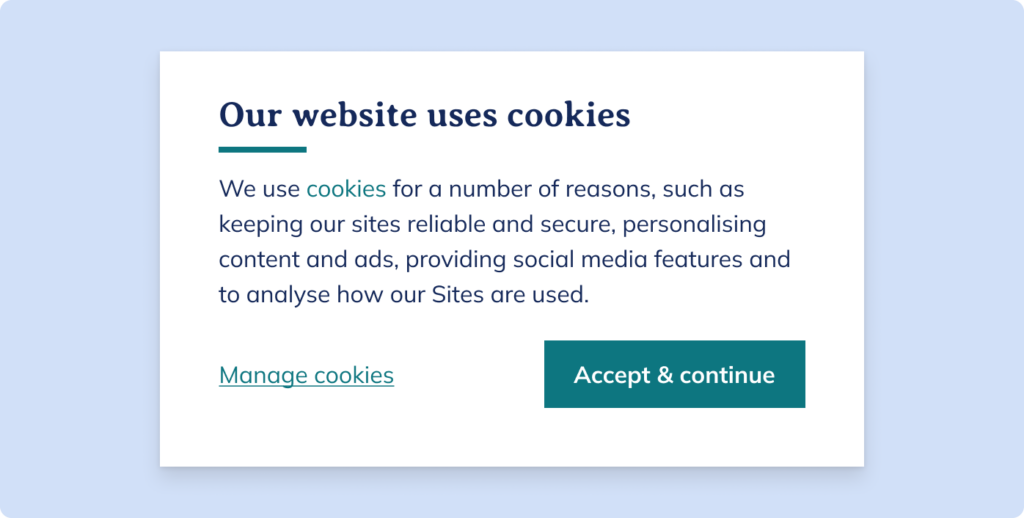






Many brands operate under the comforting illusion that a one-time compliance check is sufficient to protect their store, believing that as long as their initial consent banner is live, the legal job is done. But what if this reliance on static infrastructure is actually acting as a silent ceiling on your revenue expansion? For high-growth eCommerce businesses, the hidden cost of inaction lies in the compliance gaps created by third-party scripts and new marketing tools, which can trigger data privacy violations and destrói customer trust at the exact moment you are trying to scale.
The hard reality is that manual audits cannot keep pace with a living website system that evolves with every new integration or content update. Transitioning to automated, scheduled cookie scans is not merely a technical preference; it is a strategic necessity that ensures your consent setup remains accurate while freeing your team to focus on maximizing Customer Lifetime Value (LTV). This guide explores how implementing continuous compliance automation provides the critical protection needed to eliminate legal debt and fuel growth with total confidence.
What is a scheduled cookie scan?
A scheduled cookie scan is an automated compliance diagnostic that periodically audits your WooCommerce store to identify first and third-party tracking technologies. Unlike a one-time manual check, which only captures a snapshot of your site at a single moment, a scheduled scan operates on a recurring basis—typically weekly or monthly—to ensure your consent banner remains synchronized with the actual technical reality of your website. This is particularly critical for high-growth stores where frequent updates to plugins, marketing pixels, or third-party integrations can introduce “shadow cookies” that fall outside your existing legal disclosures.
- Automated Discovery: The system crawls your entire domain to detect new scripts and trackers introduced by updates or new tools without requiring manual intervention.
- Dynamic Categorization: It automatically classifies detected cookies into functional, analytical, or marketing categories based on known databases, ensuring accurate blocking behavior.
- Policy Synchronization: The scan results are used to instantly update your public-facing cookie declaration and privacy policy, maintaining transparency with your users and regulators.
For eCommerce brands, this automation serves as a critical safeguard against compliance drift. By shifting from a reactive auditing model to a proactive, scheduled workflow, you eliminate the human error associated with manual updates. This ensures that mission-critical tracking signals—like Google Consent Mode v2—are accurately configured, protecting both your advertising data integrity and your legal standing across multiple jurisdictions.
Why are regular cookie scans essential for WooCommerce growth?
For high-growth WooCommerce stores, the technical landscape is constantly shifting as you integrate new payment gateways, marketing pixels, and third-party plugins to optimize the customer journey. Each of these additions typically introduces new cookies that must be disclosed and managed to maintain legal compliance under regulations like GDPR and CCPA. Relying on a one-time manual scan creates a “compliance debt” where hidden trackers can emerge between audits, exposing your business to regulatory fines and eroding the consumer trust necessary for long-term brand equity.
- Automated Detection of Plugin Updates: WooCommerce updates or new extensions frequently introduce structural changes to how data is tracked; regular scans ensure these new cookies are categorized before they create a liability.
- Accuracy of Consent Records: To protect your revenue from legal disputes, your consent banner must accurately reflect the real-world state of your site’s tracking stack, which is only possible through consistent monitoring.
- Optimization of Marketing Spend: Identifying “stealth” cookies from abandoned scripts or outdated marketing tools helps clean up your site’s performance, ensuring that tracking only occurs through active, authorized channels.
Implementing a scheduled scanning cadence transforms compliance from a reactive bottleneck into a proactive asset. By automating the discovery and classification of tracking technologies, store owners can focus on scaling their operations with the confidence that their data processing remains transparent. This technical diligence prevents the “silent vulnerabilities” that often plague growing eCommerce sites, ensuring that your expansion into global markets is not sidelined by avoidable privacy breaches.
How to automate cookie compliance for your eCommerce store?
Automating cookie compliance for a high-growth WooCommerce store requires moving beyond manual checks to a persistent, infrastructure-led approach. Because eCommerce sites are dynamic environments—frequently updated with new product plugins, marketing pixels, and third-party widgets—a static consent banner is insufficient. To maintain continuous compliance, you must integrate an automated scanning engine that syncs directly with your consent management platform, ensuring that your public-facing disclosures always reflect the actual scripts running on your backend.
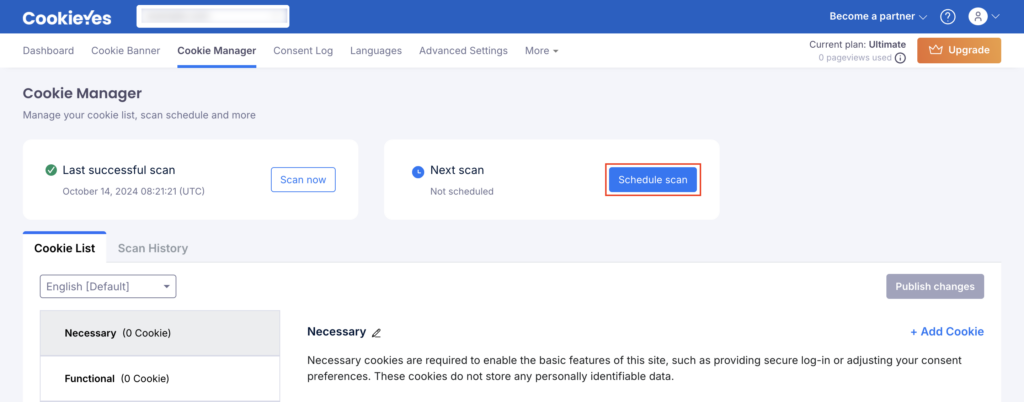
- Scheduled Scanning: Configure your compliance tool to perform deep crawls of your URL structure at regular intervals, such as weekly or monthly. This proactive cadence ensures that any new cookies introduced by site updates or plugin installations are detected and categorized before they can create a regulatory liability.
- Auto-Blocking Mechanism: Enable scripts that prevent non-essential cookies from loading until a visitor provides explicit consent. For WooCommerce brands, this technical safeguard is critical to meeting GDPR and CCPA standards without requiring manual intervention for every new tracking tag added to the site.
- Dynamic Policy Updates: Ensure your scanner is linked to your privacy policy and cookie list so that they update automatically after each scan. This synchronicity eliminates the risk of “compliance drift,” where your legal documentation fails to match your technical reality, potentially eroding customer trust and invited legal scrutiny.
By implementing these automated workflows, you transform compliance from a recurring manual task into a background process that scales with your business. This structural reliability allows your team to focus on conversion optimization and revenue growth, safe in the knowledge that your store’s data privacy framework is robust, accurate, and consistently updated to handle the evolving complexity of the eCommerce landscape.
When should you schedule website scans to maintain compliance?
Determining the ideal frequency for your cookie scans depends on the change velocity of your WooCommerce store. For high-growth brands, a website is a dynamic ecosystem; every new marketing pixel, third-party plugin update, or embedded social widget can introduce tracking technologies that fall outside your existing consent framework. Relying on sporadic manual checks creates a compliance gap where unauthorized cookies may be active for weeks, exposing your business to regulatory scrutiny and eroding customer trust.
- Weekly Intervals: Recommended for active stores that frequently deploy new marketing campaigns, conduct A/B tests, or integrate third-party SaaS tools that might inject hidden trackers.
- Monthly Intervals: Suitable for established, stable environments where changes are limited to routine content updates and core security maintenance.
- Post-Integration Audits: While scheduled scans handle routine maintenance, you should trigger an immediate scan following major site migrations or the installation of complex WooCommerce extensions to ensure your consent banner remains accurate.
To maximize your store’s operational efficiency, your scanning schedule should act as an automated safety net that mirrors your development and marketing cycles. By aligning these scans with your reporting periods, you ensure that your technical and legal teams always have an up-to-date inventory of active cookies, allowing you to focus on scaling revenue without the silent drag of compliance debt.
How does automated cookie scanning protect your revenue?
For high-growth WooCommerce brands, automated cookie scanning acts as a technical firewall for your bottom line. Non-compliance is not just a legal risk; it is a direct threat to your conversion rates and customer lifetime value. When a website fails to accurately disclose its tracking technologies—often due to “shadow cookies” introduced by new plugins or third-party integrations—it risks severe financial penalties that can reach up to 4% of annual global revenue. By automating the discovery of these tracking elements, you ensure that your store remains operational and protected from the litigation and fines that frequently target scaling eCommerce businesses.
Implementing a scheduled scanning cadence safeguards your revenue through several critical channels:
- Mitigating Regulatory Fines: Automatic detection prevents the accumulation of non-compliant tracking scripts that trigger heavy penalties under GDPR, CCPA, and other global privacy frameworks.
- Preserving Brand Integrity: Maintaining an accurate and transparent consent banner builds consumer trust, which is the primary driver of retention and long-term brand equity in a competitive digital landscape.
- Ensuring Data Continuity: By keeping your consent management platform (CMP) synchronized with your actual site scripts, you avoid data gaps in your analytics and marketing stacks that occur when unclassified cookies are blocked or ignored.
Ultimately, transitioning from manual audits to automated, scheduled scans removes the structural bottleneck of compliance management. This allows your team to focus on revenue-generating activities like offer refinement and infrastructure scaling, with the confidence that your legal foundation is resilient and up to date.
Ready to take your e-commerce to the next level?
While maintaining a compliant cookie setup through automated scanning is a technical necessity, the business reality for high-growth WooCommerce brands is that data integrity is the bedrock of profitable scaling. If your acquisition efforts feel like they are stalling due to attribution gaps, or if you suspect that unmanaged tracking changes are eroding customer trust and exposing you to technical liability, you are facing a structural barrier to growth. Relying on sporadic manual checks is not just a compliance risk; it is a direct compromise of your ability to collect the high-quality data required to optimize ROAS and maximize audience-wide Customer Lifetime Value.
To move beyond basic compliance and build a high-performance eCommerce ecosystem, you need a partner that synchronizes your technical infrastructure with your broader commercial objectives. We act as a strategic extension of your team, helping DTC brands maximize Profit and Retention through data-driven systems where consent management, advanced tracking, and marketing automation operate in perfect concert. Our process begins with rigorous, conversion-focused audits to eliminate guesswork and identify the exact bottlenecks in your customer journey. If you are ready to transform your backend into a scalable, privacy-compliant engine that drives long-term growth, book a free data-driven audit today.