






The common industry misconception is that transactional emails are merely a technical necessity—a boring logistical chore to be checked off after a sale. Many high-growth WooCommerce brands funnel their entire budget into top-of-funnel acquisition, treating order confirmations and shipping updates as an afterthought. This passive approach is a silent revenue leak that actively ignores the highest-intent engagement point in the entire customer journey, effectively leaving significant capital on the table at the exact moment a shopper is most attentive to your brand.
The hard reality is that while standard marketing campaigns struggle to achieve a 25% open rate, transactional emails boast a staggering 80-85% engagement floor. By failing to customize these touchpoints, you are squandering an elite opportunity to expand Customer Lifetime Value (LTV) through brand reinforcement, dynamic cross-sells, and personalized loyalty incentives. This guide moves beyond basic settings to provide a strategic blueprint for transforming your automated notifications from generic receipts into high-converting revenue drivers that fuel sustainable eCommerce growth.
Maximizing the 85% Open Rate: Why Transactional Email Customization is a Revenue Lever
Transactional emails represent the highest-engagement touchpoint in the eCommerce lifecycle, yet they remain one of the most underutilized assets in the WooCommerce ecosystem. While standard marketing campaigns struggle to bypass promotional filters, order confirmations and shipping updates achieve a consistent 80-85% open rate because they provide essential utility. Leaving these templates in their default, generic state is a significant strategic oversight that ignores a captured audience at the peak of their brand engagement.
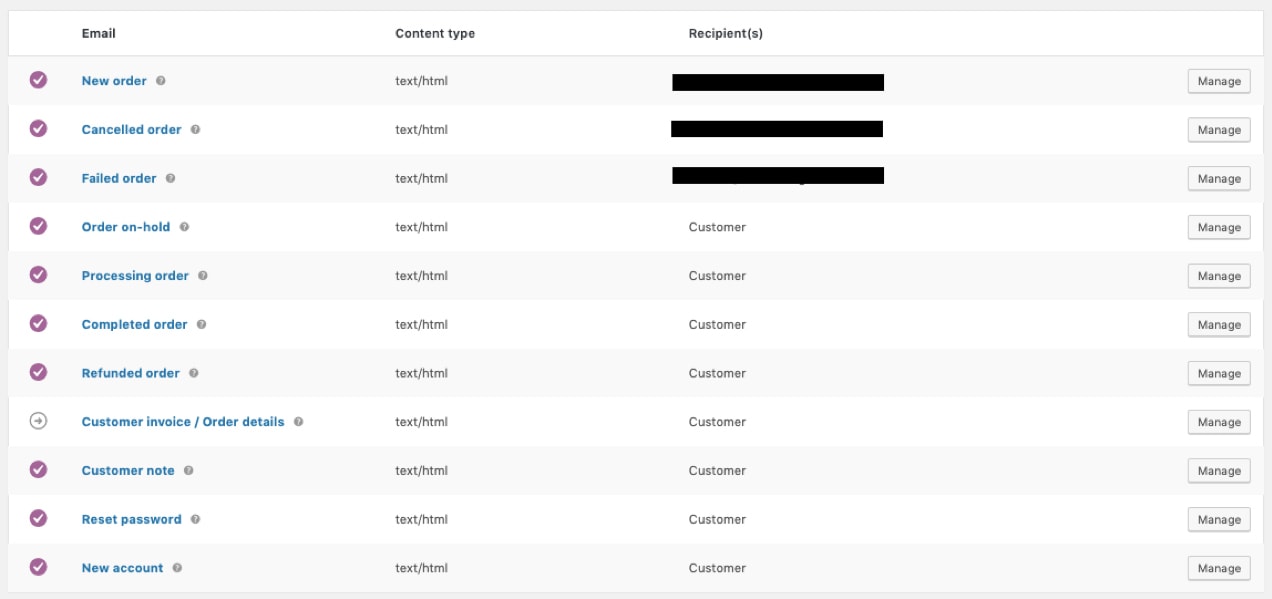
To transform these notifications into revenue generators, merchants must shift from a purely functional mindset to a growth-oriented framework. By leveraging the specific customer data available within the WooCommerce environment, you can implement high-impact elements that drive immediate Customer Lifetime Value (LTV):
- Dynamic Upselling: Injecting personalized product recommendations based on current order data converts a standard receipt into a targeted shopping opportunity.
- Incentivized Retention: Including time-bound coupon codes for future purchases directly addresses the post-purchase phase to increase repeat purchase frequency.
- Brand Reinforcement: Customizing visual elements and brand voice ensures that the fulfillment process feels like a cohesive extension of the storefront, building the trust necessary for long-term loyalty.
Automating Brand Consistency to Build Long-Term Customer Trust
Maintaining visual and tonal consistency across every customer touchpoint is a technical prerequisite for building long-term brand equity. When a transactional email—which enjoys an 80-85% open rate—mirrors the aesthetic and voice of your WooCommerce store, it provides immediate psychological reassurance to the buyer. This consistency validates the legitimacy of the transaction and reduces post-purchase anxiety, effectively transforming a routine notification into a powerful tool for customer retention.
- Global Style Synchronization: Ensure that your brand’s primary HEX codes, typography, and logo placement are applied uniformly across all default WooCommerce templates to prevent a jarring transition from the checkout page to the inbox.
- Unified Brand Voice: Replace generic system text with language that reflects your brand’s unique personality, ensuring that even technical updates like “Order Processing” or “Refund Completed” feel like a natural extension of your customer service.
- Automated Trust Signals: Programmatically include critical trust-building information, such as links to your help center, return policies, and social proof, to provide value and clarity within every automated interaction.
By automating these brand elements within your email settings, you eliminate the risk of human error and ensure that every high-intent communication serves as a professional brand ambassador. This strategic alignment between your storefront and your automated messaging is essential for moving beyond transactional interactions and fostering a sense of reliability that drives repeat purchases and increases overall Customer Lifetime Value.
Beyond Generic Notifications: Using Product Data to Fuel Repeat Sales
Transactional emails should not be viewed as static administrative tasks, but as high-performance marketing real estate. With an 85% open rate, these messages are the most effective channel for delivering personalized product recommendations. By leveraging the specific product data from a customer’s current order—such as category, price point, or complementary attributes—you can transform a simple order confirmation into a tailored storefront that drives immediate re-engagement.
- Dynamic Cross-Sells: Use the product category of the purchased item to automatically display “Complete the Look” or “Frequently Bought Together” items within the confirmation email, reducing the friction for the next purchase.
- Replenishment Triggers: For consumable goods, utilize the purchase date and product type to embed a “Reorder Now” link or a subscription offer within the shipping notification to capture the next sales cycle automatically.
- Category-Specific Coupons: Instead of a generic global discount, generate a unique coupon code valid only for a complementary product category to encourage horizontal exploration of your catalog based on the user’s demonstrated interest.
Implementing these data-driven elements requires moving beyond the default WooCommerce template limitations. Utilizing the underlying order metadata allows for the programmatic insertion of content blocks that change dynamically based on what was bought. This technical shift ensures that every post-purchase touchpoint is architected for maximum Customer Lifetime Value (LTV) rather than just record-keeping.
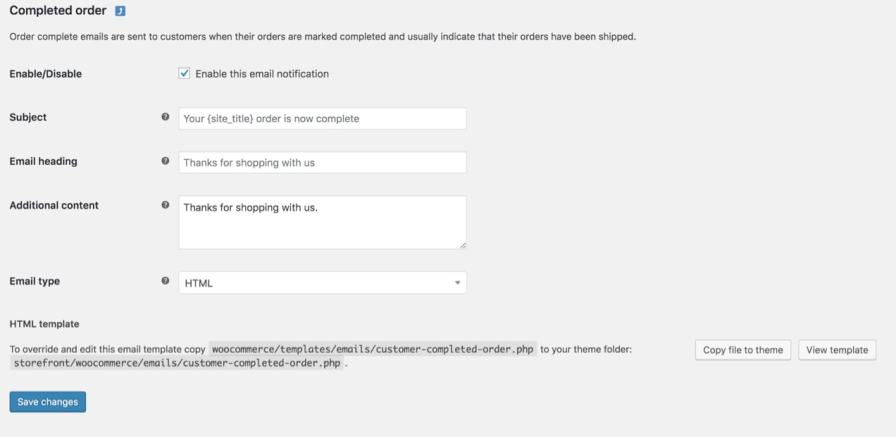
Scaling LTV with Dynamic Coupons and Personalized Related Product Recommendations
Transactional emails represent the most consistent high-intent touchpoint in the customer lifecycle, yet they are frequently relegated to basic utility. By treating these notifications as a retention channel, merchants can capitalize on the 85% open rate to shorten the time between the first and second purchase. Integrating dynamic elements directly into the order confirmation or shipping update transforms a standard receipt into a personalized storefront that is uniquely relevant to the user’s immediate behavior.
- Dynamic Coupons: Generating unique, single-use discount codes via WooCommerce hooks ensures that incentives for the next purchase are personalized and time-sensitive, preventing the margin erosion associated with generic, evergreen coupons.
- Cross-Sell Logic: Utilizing recommendation engines to display products complementary to the specific items just purchased—rather than global bestsellers—significantly increases the relevance and conversion rate of the email real estate.
- Behavioral Triggers: Segmenting these recommendations based on the customer’s existing purchase history or total spend allows for tiered rewards that incentivize higher-value behaviors.
The technical objective is to shift from static templates to a data-driven framework. For WooCommerce stores, this often involves leveraging tools like AutomateWoo or custom PHP hooks to inject conditional content blocks into the email template. When transactional emails transition from informative to actionable, they become a scalable lever for increasing Customer Lifetime Value (LTV) without the additional acquisition costs associated with traditional top-of-funnel marketing.
Streamlining the Post-Purchase Journey: How to Optimize WooCommerce Email Settings for Growth
Optimizing the post-purchase journey begins with treating WooCommerce transactional emails as a high-performance communication channel rather than a backend utility. Given the 85% open rate, these emails are your most effective touchpoint for reducing buyer’s remorse and securing the second sale. Streamlining this journey requires a technical shift in the WooCommerce Email settings to move beyond the generic “Order Received” notification toward a cohesive brand experience that provides immediate value and clear next steps for the customer.
- Identity Configuration: Ensure the ‘From’ name and address are personalized to your brand rather than a generic server address to improve deliverability and trust.
- Template Global Styling: Use the built-in customizer to align the base colors, header images, and footer text with your primary brand guidelines to ensure a seamless transition from store to inbox.
- Strategic Status Triggers: Evaluate which order statuses trigger emails; for instance, customizing the ‘Processing’ email to include usage guides or FAQs can significantly reduce initial support tickets during the fulfillment lag.
To maximize growth, you must look at the specific content blocks within individual email templates. Integrating dynamic elements such as personalized coupon codes for future orders or cross-sells based on the current purchase data transforms a standard receipt into a proactive retention tool. By refining these settings within the WordPress dashboard, you mitigate the risk of customers disengaging after the checkout, instead building a predictable cycle of repeat engagement and increased Customer Lifetime Value.
Ready to take your e-commerce to the next level?
While customizing your WooCommerce email templates is a vital technical step toward brand consistency, the broader business reality is that transactional touchpoints are often the most undervalued assets in a growth strategy. If your retention efforts are stalling despite high open rates, or if you suspect your post-purchase journey is failing to convert high-intent attention into recurring revenue, the core issue is likely a fragmented automation system. Relying on generic notifications means you are essentially leaving an 85% engagement rate on the table, missing the critical window to maximize Customer Lifetime Value through strategic, data-driven cross-sells and personalized incentives.
Transforming these emails from simple administrative alerts into high-performance revenue drivers requires a holistic approach where CRM, automation, and tracking work in total synchronicity. We act as a strategic extension of your in-house team, helping DTC brands move beyond surface-level tweaks to build robust eCommerce ecosystems designed for maximum profitability and ROAS. Our process begins with rigorous, no-guesswork, data-driven & conversion-focused audits to identify exactly where your system is leaking margin. If you are ready to stop guessing and start scaling your lifecycle marketing with precision, book a free consultation today.