






Many eCommerce store owners operate under the misconception that all traffic is created equal, focusing their energy on broad acquisition tactics that treat every visitor with a one-size-fits-all approach. This strategy is a primary driver of profit erosion, as it ignores the fundamental 80/20 rule: the reality that roughly 80% of your total revenue is generated by a mere 20% of your customer base. By failing to segment these high-value individuals, brands are actively leaving money on the table and diluting their brand equity through generic, low-margin promotions that do nothing to foster long-term loyalty.
The hidden cost of this inaction is most detrimental to your retention efforts, specifically within Email and SMS marketing flows that lack the precision of data-driven personalization. To trigger exponential revenue expansion, you must move beyond basic metrics and leverage your WooCommerce Dashboard to master Customer Lifetime Value (LTV) and Average Order Value (AOV). This guide provides the strategic framework to identify your top-spending 20% and use those insights to find more high-intent customers, transforming your analytics from a static report into a dynamic engine for scalable, profitable growth.
Unlocking the 80/20 Rule: Identifying Your Highest-Value WooCommerce Customers
The Pareto Principle, or the 80/20 rule, is a fundamental law of eCommerce growth: a small minority of your customers generates the vast majority of your revenue. Identifying this “Power 20%” is not a matter of guesswork; it requires a technical deep dive into your WooCommerce Analytics to move beyond surface-level metrics. By isolating this segment, you can transition from a broad, inefficient acquisition strategy to a high-leverage model that prioritizes the retention and expansion of your most profitable relationships.
- Customer Lifetime Value (CLV): This is the total revenue a customer contributes over their entire relationship with your store. High-growth brands use this to identify which segments justify a higher Customer Acquisition Cost (CAC).
- Recency, Frequency, Monetary (RFM) Analysis: By segmenting users based on how recently they bought, how often they return, and how much they spend, you can technically define your “Champions” versus those at risk of churning.
- Average Order Value (AOV) Trends: Analyzing AOV specifically within your top-tier segment allows you to identify the specific product bundles or upsell triggers that resonate with high-intent buyers.
Leveraging these insights within the WooCommerce Dashboard allows you to create data-driven personas that mirror your highest-value users. Once identified, this segment becomes the bedrock for your most effective marketing automations, from exclusive early-access email flows to personalized loyalty rewards. Focusing your technical resources on these power buyers ensures that every optimization made to your store is designed to scale your most reliable revenue streams.
Leveraging CLV Data to Fuel High-Converting Email and SMS Automation
Customer Lifetime Value (CLV) data is the engine that transforms static analytics into a proactive revenue strategy. By syncing CLV segments from your WooCommerce dashboard to your email and SMS marketing platforms, you can stop treating all customers as equals and start prioritizing the top 20% who drive the majority of your growth. This allows for the creation of behavioral triggers that respond to the specific purchase patterns and loyalty markers of your highest-value users.
- VIP Milestone Triggers: Automatically deploy personalized SMS invitations or exclusive rewards when a customer crosses a specific lifetime spend threshold, reinforcing their loyalty.
- Predictive Replenishment Flows: Utilize historical order data to send automated email reminders just as a high-CLV customer is statistically likely to need a refill, maximizing repeat purchase rates.
- High-Value Win-Back Sequences: Identify high-spending customers who haven’t made a purchase within their normal window and trigger a multi-channel recovery flow to prevent the loss of significant future revenue.
Integrating these insights into your automation stack ensures that your marketing spend is allocated with maximum efficiency. By focusing your most direct and personal channels—like SMS—on customers with a proven high LTV, you reduce noise for low-value segments while increasing the relevancy and conversion rate of your communications for those who matter most to your store’s long-term health.
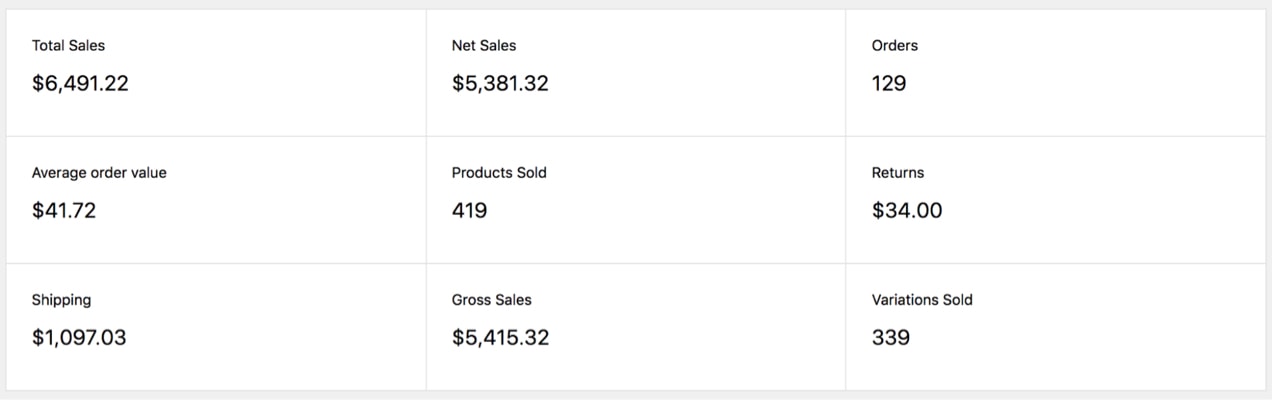
Automating Revenue Growth by Targeting Your Top 20% Customer Segment
Automating revenue growth starts with transforming your WooCommerce data from a static report into an active engine. By applying the 80/20 rule, you can identify the specific 20% of customers responsible for the bulk of your revenue and deploy automated systems to nurture this high-value segment. This requires moving beyond basic tracking to implementing automated triggers based on Customer Lifetime Value (CLV) and purchase frequency, ensuring your most profitable users receive a tailored experience that encourages repeat high-ticket conversions.
- Dynamic Segmentation: Use WooCommerce Analytics to create an automated segment for customers whose total spend or order frequency puts them in the top quintile, allowing for instant synchronization with your marketing stack.
- VIP Retention Flows: Configure automated email and SMS workflows specifically for this segment that offer early access to new products, exclusive loyalty rewards, or personalized bundles based on their unique purchase history.
- Predictive Churn Prevention: Set up automated alerts or re-engagement sequences that trigger if a top-tier customer’s buying pattern deviates from their historical average, protecting your most valuable revenue streams before they lapse.
By systematically focusing your automation efforts on this power-buyer segment, you maximize your marketing ROI and stabilize your growth trajectory. This technical approach ensures that your store is not just chasing new traffic, but is strategically architected to extract the maximum Customer Lifetime Value from the individuals already proven to drive your business success.
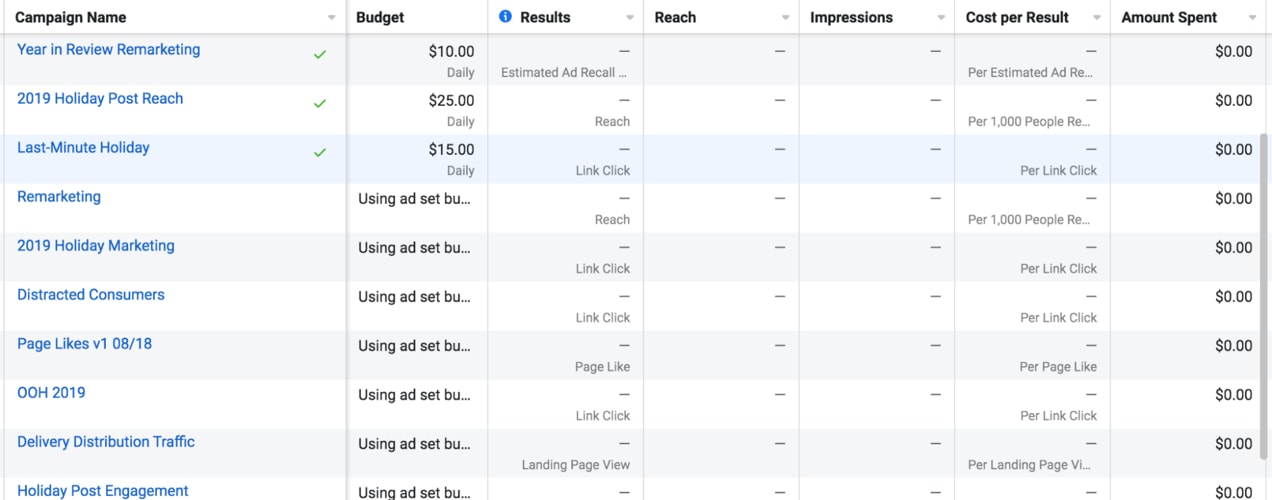
Beyond AOV: Using Advanced Analytics to Predict and Scale Customer Lifetime Value
While Average Order Value (AOV) provides a snapshot of immediate transaction health, scaling a high-growth WooCommerce store requires shifting focus toward predictive Customer Lifetime Value (CLV). By analyzing historical purchase data through the WooCommerce Analytics dashboard, merchants can move beyond reactive reporting to identify the specific behavioral triggers that transform a one-time buyer into a high-value repeat customer. This transition allows for more efficient capital allocation, ensuring that acquisition spend is directed toward segments with the highest long-term revenue potential rather than just the lowest immediate cost per acquisition.
- RFM Analysis: Segment your database based on Recency, Frequency, and Monetary value to distinguish between “at-risk” big spenders and your “loyal champions” who drive the 80/20 revenue split.
- Purchase Latency Mapping: Calculate the average time between the first and second purchase to automate perfectly timed replenishment reminders or loyalty incentives.
- First-Product Correlation: Identify which initial products in your catalog most frequently lead to a high-CLV trajectory, allowing you to optimize your front-end customer acquisition strategy around these “gateway” items.
Implementing these advanced metrics directly within your WooCommerce infrastructure enables a more granular approach to growth. Instead of applying universal discounts that destrói margins, you can use these insights to deploy surgical marketing interventions. By predicting which customers are likely to join your top 20% segment, you can proactively scale your revenue through personalized experiences that solidify loyalty before a churn event occurs.
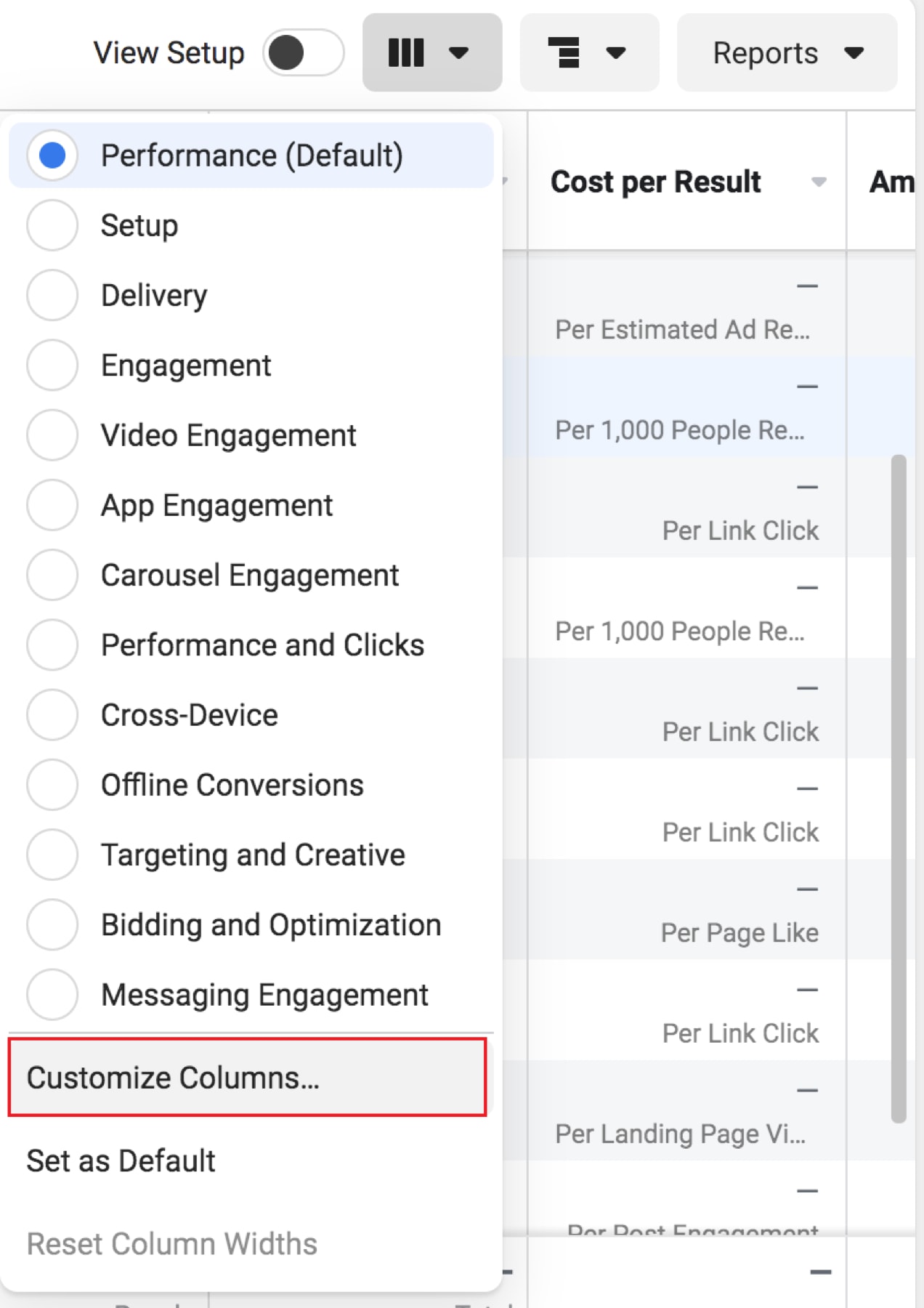
Turning Data into Growth: Finding Your Next Power Buyers with WooCommerce Insights
Transforming raw transactional data into a scalable acquisition strategy requires moving beyond surface-level metrics to identify the specific behavioral markers of your “Power Buyers.” By utilizing the advanced filtering capabilities within WooCommerce Analytics, you can isolate the top 20% of your customer base and analyze their unique path to purchase. This data-driven approach allows you to move from broad-spectrum marketing to a surgical focus on high-LTV segments, ensuring your customer acquisition cost (CAC) is invested in users with the highest probability of long-term profitability.
To identify and replicate these high-value segments, focus your analysis on these specific WooCommerce data points:
- RFM Scoring: Analyze Recency, Frequency, and Monetary value to segment customers who have purchased recently, shop often, and spend the most, providing a clear map of your most loyal advocates.
- Product Affinity Mapping: Identify which initial products or categories most frequently lead to a high-value second purchase, allowing you to optimize your entry-level offers for long-term retention.
- Coupon Sensitivity: Determine if your Power Buyers are driven by full-price value or specific promotional triggers, which is essential for preserving margin in your automated retention flows.
Once these patterns are established, the strategic goal is to use these insights to fuel “lookalike” acquisition campaigns across paid social and search channels. By feeding your refined WooCommerce customer data back into your marketing stack, you can target new audiences that mirror the attributes of your existing top-tier customers. This creates a self-optimizing growth loop where your store’s internal data directly informs more efficient and higher-converting external acquisition efforts.
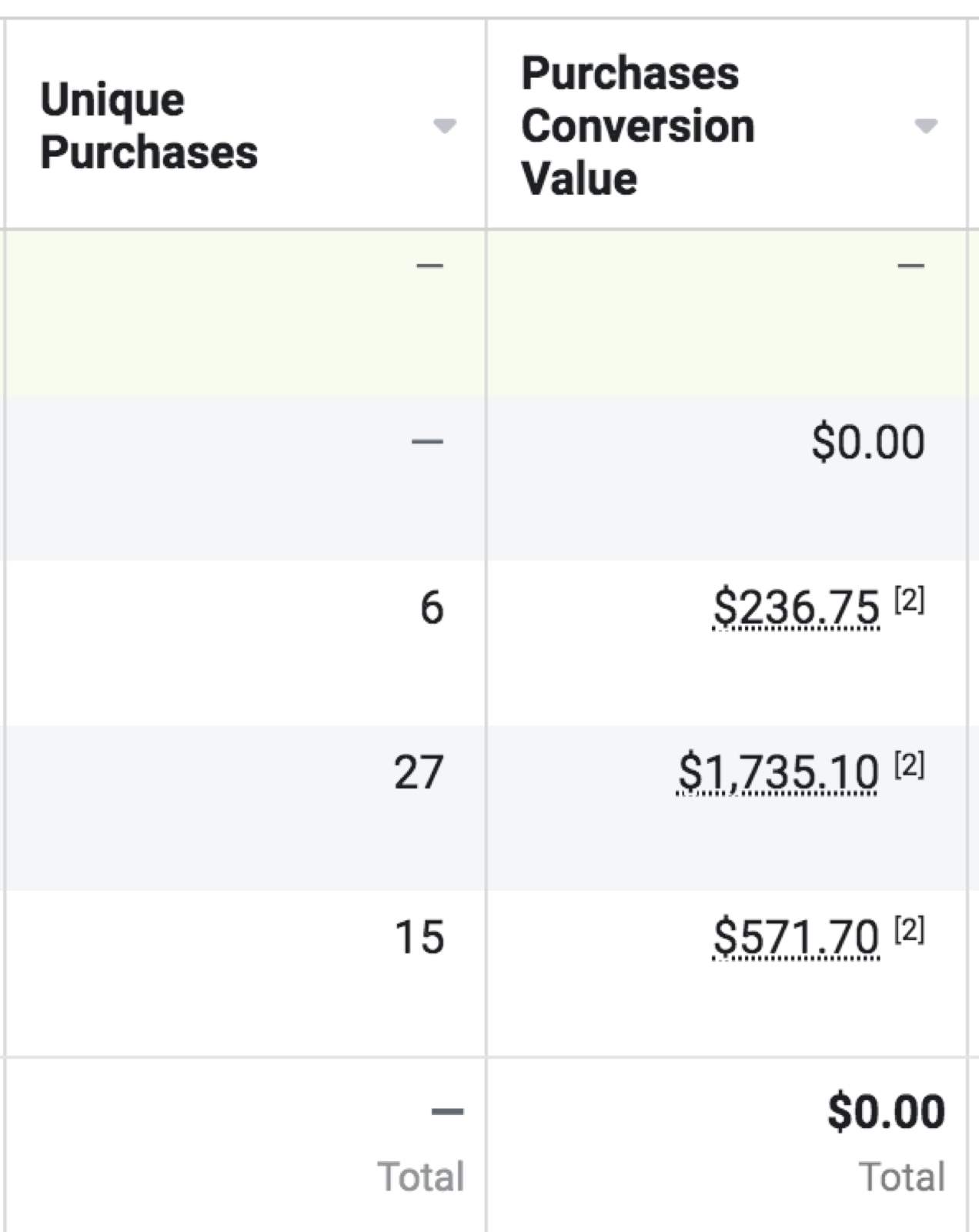
Ready to take your e-commerce to the next level?
While mastering the WooCommerce dashboard is a critical first step, the true challenge for high-growth brands is translating these metrics into a scalable, profit-driven strategy. If your retention efforts feel like they are stalling revenue, or if you suspect you are spending valuable customer acquisition cost to chase low-value traffic while ignoring your most profitable 20%, you are likely dealing with a systemic intelligence gap. Relying on vanity metrics like surface-level traffic often masks the deeper reality of suppressed Customer Lifetime Value and inefficient marketing spend.
We help DTC and eCommerce brands bridge this gap by acting as a strategic extension of your in-house team to maximize Profit, Retention, and LTV. Our methodology moves beyond guesswork by building integrated data-driven systems where tracking, CRM, and automation work in concert to protect your margins. To pinpoint the exact leaks in your current funnel and identify where your next power buyers are hiding, book one of our rigorous, data-driven & conversion-focused audits today.