






Many new eCommerce founders operate under the misconception that scaling revenue requires a massive, front-loaded advertising budget, viewing organic traffic as a slow-moving bonus rather than a core requirement. This pay-to-play mindset is a silent revenue leak that forces brands to constantly rent their audience at ever-increasing prices, directly suppressing Customer Lifetime Value (LTV). By treating SEO as an afterthought, you are ignoring a high-intent segment of the market and leaving substantial, high-margin profit on the table for your competitors to claim.
The strategic shift to organic growth is the non-negotiable bedrock of sustainable revenue expansion and long-term brand equity. High-quality organic traffic does not just lower your average acquisition cost; it provides the high-intent data needed to fuel your most profitable Email and SMS marketing flows. This guide strips away the technical jargon to provide a clear roadmap for generating natural momentum, helping you transition from a reliance on expensive ads to a scalable model that captures every possible conversion opportunity across the search landscape.
Mastering the Basics: Organic vs. Paid Traffic for Sustainable Growth
Understanding the distinction between organic and paid traffic is the first step toward building a sustainable eCommerce revenue engine. While paid traffic offers immediate visibility and is ideal for aggressive customer acquisition or testing new product-market fit, it creates a dependency on advertising spend that can destrói margins. Organic traffic, conversely, represents a compounding asset; it requires upfront effort in SEO and content strategy but delivers a lower long-term customer acquisition cost (CAC) and builds lasting brand authority that persists even when ad budgets are paused.
- Paid Traffic (PPC): Delivers instant, highly targeted traffic with granular control over demographics and intent, but ceases the moment funding stops, making it a variable expense.
- Organic Traffic (SEO): Focuses on earning trust from search engine algorithms through relevance and authority, providing a continuous stream of high-intent visitors without a direct per-click cost.
- Sustainable Growth: A babiddingd strategy uses paid channels for short-term scaling while simultaneously investing in organic foundations to ensure long-term profitability and resilience against rising ad costs.
To achieve true scalability on WooCommerce, merchants must transition from viewing marketing as a series of isolated campaigns to an integrated growth funnel. By leveraging organic search as a primary discovery tool, you can capture high-intent users at the top of the funnel and then utilize strategic paid remarketing or email automation to drive conversions. This synergy ensures that your growth is not just fast, but structurally sound and capable of supporting increasing Customer Lifetime Value (LTV) over time.
Automating SEO Workflows to Scale Your WooCommerce Store
Scaling a WooCommerce store from a handful of products to a massive inventory requires a shift from manual SEO adjustments to automated workflows. The primary challenge for growing brands is maintaining consistent search visibility without a linear increase in overhead. By leveraging automation, you can ensure that every new product launch or category update is optimized for search engines the moment it goes live, protecting your organic growth trajectory.
- Dynamic Schema Markup: Automatically generate structured data for product pages to secure rich snippets in SERPs, displaying prices, availability, and ratings without manual input.
- Programmatic Meta Tags: Utilize templates that pull attributes like product name, price, and category into Meta titles and descriptions, ensuring SEO coverage across thousands of SKUs instantly.
- Automated Internal Linking: Use tools to analyze keyword clusters and automatically suggest or insert relevant internal links within blog posts and product descriptions to distribute link equity efficiently.
Automating these technical SEO elements does more than just save time; it eliminates the human error that leads to broken canonical tags or missing descriptions. For a high-growth store, this systematic approach ensures that your technical foundation remains robust as you expand into new markets, allowing your team to focus on high-level content strategy and conversion optimization rather than repetitive data entry.
Leveraging Organic Search to Fuel High-Converting Email and SMS Flows
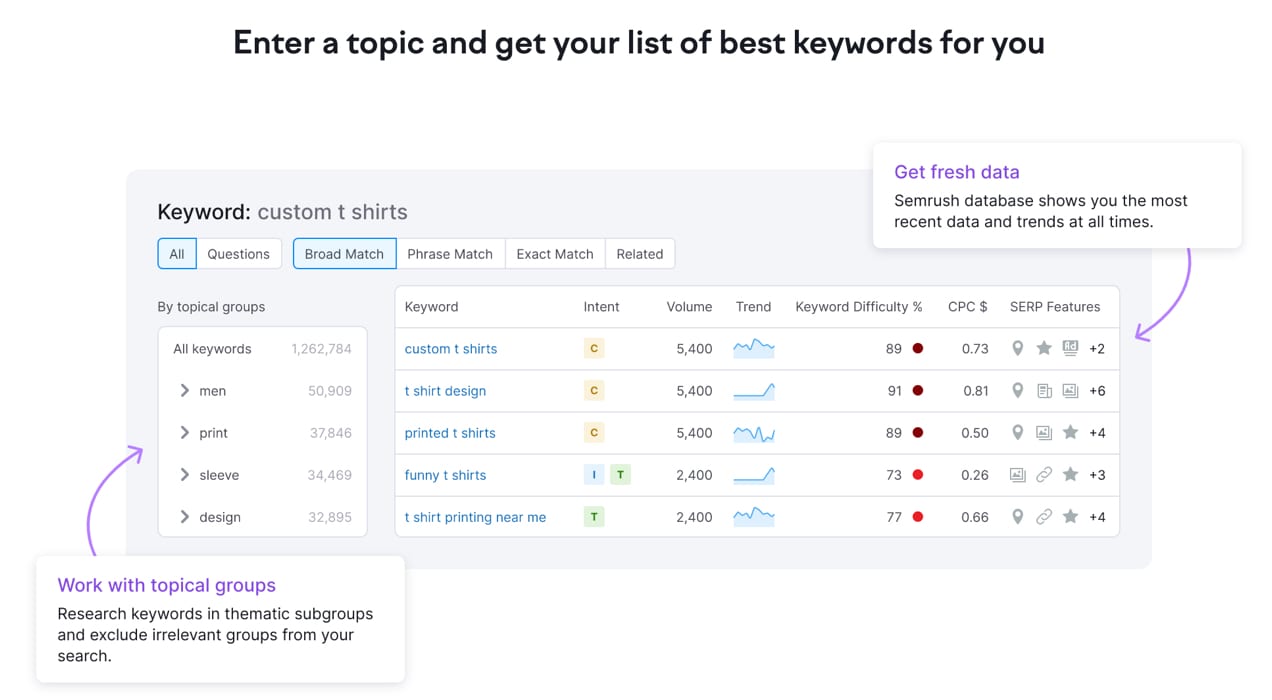
Organic search traffic is often viewed as the final destination of a customer journey, but for high-growth WooCommerce stores, it should be treated as the primary entry point for high-intent data collection. When a user arrives via an organic search result, they are signaling a specific need or problem; capturing this intent through strategic opt-ins allows you to transition “unpaid” visitors into owned audience members. By aligning your SEO keywords with specific automation triggers, you can ensure that the subsequent email and SMS flows are hyper-relevant to the visitor’s initial search query, significantly increasing the probability of conversion.
- Keyword-to-Flow Mapping: Categorize your top-performing organic landing pages by intent and link them to specialized email welcome sequences that expand on the exact topic the user was searching for.
- Intent-Based Lead Magnets: Replace generic “10% off” pop-ups on high-traffic organic posts with content upgrades or tools that provide immediate value related to the page’s specific SEO focus.
- Behavioral Triggers: Use the granular data from organic sessions—such as time spent on specific educational content—to tag users in your CRM, triggering automated SMS reminders or product recommendations that bridge the gap between information-seeking and purchasing.
The synergy between organic search and retention marketing effectively lowers your blended Customer Acquisition Cost (CAC) by maximizing the value of every free click. Rather than hoping a one-time organic visitor remembers your brand, integrating these visitors into automated flows creates a predictable revenue engine. This technical alignment transforms SEO from a top-of-funnel awareness tactic into a robust driver of long-term Customer Lifetime Value (LTV).
Beyond Search: Using Referral and Social Traffic to Boost Revenue
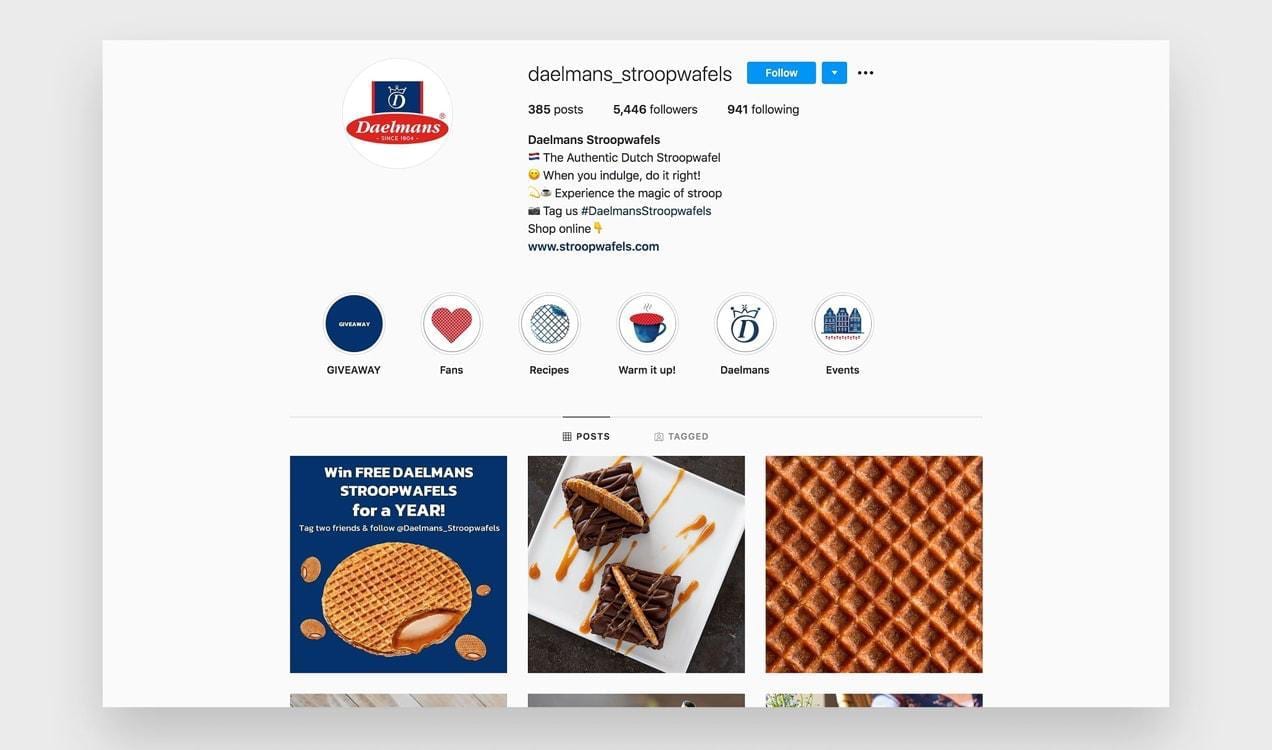
While search engine optimization often focuses on keywords, a holistic growth strategy for a WooCommerce store must leverage the synergy between referral and social channels to diversify revenue streams. These forms of unpaid traffic do more than just drive clicks; they provide social proof and build a layer of authority that search engines use to validate your store’s relevance. When high-quality external sites link to your products, they transfer “link equity” that directly improves your organic rankings while simultaneously delivering pre-qualified leads with a higher propensity to convert.
- Referral Authority: Establishing partnerships with industry blogs or review sites creates a permanent path for high-intent traffic and strengthens your domain authority through backlink acquisition.
- Social Signaling: Consistent engagement and content sharing on social platforms generate immediate traffic spikes and provide secondary signals to search engines regarding your brand’s current popularity and user trust.
- Direct Momentum: Success in referral and social channels eventually compounds into direct traffic, where repeat customers navigate straight to your URL, representing the highest-margin segment of your revenue.
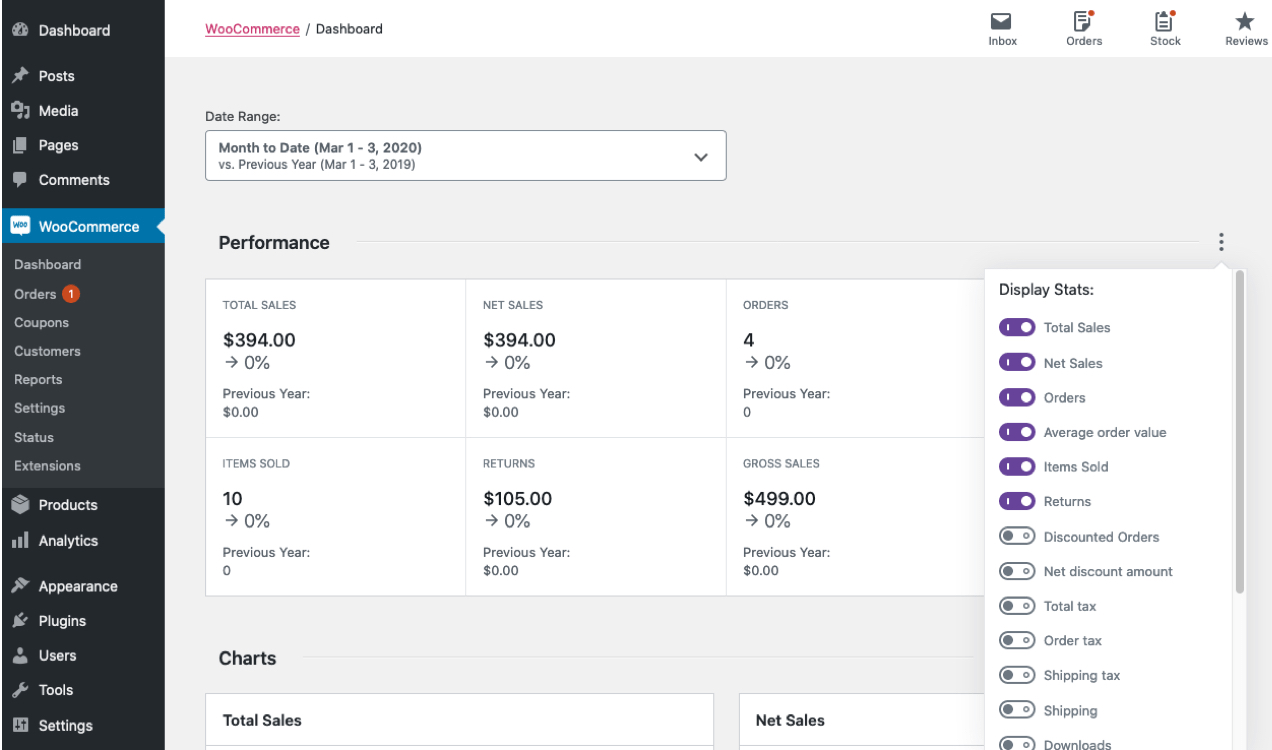
To maximize the ROI of these channels, WooCommerce owners should utilize UTM parameters to track specific referral sources and analyze their behavior within the customer journey. By identifying which external platforms yield the highest average order value (AOV), you can pivot your content strategy to focus on the sources that drive actual profit rather than just volume. This data-driven approach transforms “unpaid” traffic from a passive occurrence into a scalable, strategic asset for long-term eCommerce growth.
Future-Proofing Your Funnel: The ROI of Organic Growth Strategies
Building a sustainable WooCommerce store requires decoupling your growth from escalating customer acquisition costs (CAC). While paid media offers immediate feedback, organic growth strategies serve as a high-yield investment that appreciates over time, providing a foundation that remains productive even if your advertising budget is paused. By focusing on technical SEO and high-quality content, you are essentially building a proprietary asset that drives a compounding return on investment by capturing high-intent traffic at zero marginal cost.
To future-proof your funnel and maximize the ROI of your organic efforts, focus on these critical pillars:
- Search Intent Alignment: Moving beyond simple keywords to address the specific problems your audience is solving, ensuring your store appears at every stage of the buyer’s journey.
- Technical Foundation: Optimizing WooCommerce-specific elements like product schema and Core Web Vitals to ensure search engines can efficiently crawl, index, and rank your product pages.
- Cross-Channel Synergy: Leveraging organic landing pages to capture data for automated email and SMS flows, effectively turning “unpaid” visitors into high-LTV customers.
Ready to take your e-commerce to the next level?
While mastering the basics of organic traffic is essential for establishing a foundation, the true challenge for a high-growth WooCommerce store is ensuring that this natural momentum translates into actual profitability. If your organic growth efforts feel like they are generating vanity metrics without a corresponding lift in bottom-line revenue, or if you suspect your search-to-conversion funnel is leaking high-intent users, the issue often lies in a fragmented data ecosystem. Organic reach is only a leverage point if your underlying systems are built to capture and nurture that intent into long-term Customer Lifetime Value (LTV).
To move beyond basic search visibility and build a scalable, high-performance eCommerce engine, you need a strategy where tracking, paid media, and marketing automation work in total synchronization. We act as a strategic extension of your in-house team, helping DTC brands maximize Profit, Retention, and ROAS through precision engineering. Our methodology eliminates guesswork by starting with rigorous, data-driven & conversion-focused audits that identify structural inefficiencies in your customer journey. If you are ready to stop chasing traffic and start building a predictable system for sustainable growth, book a free consultation today.