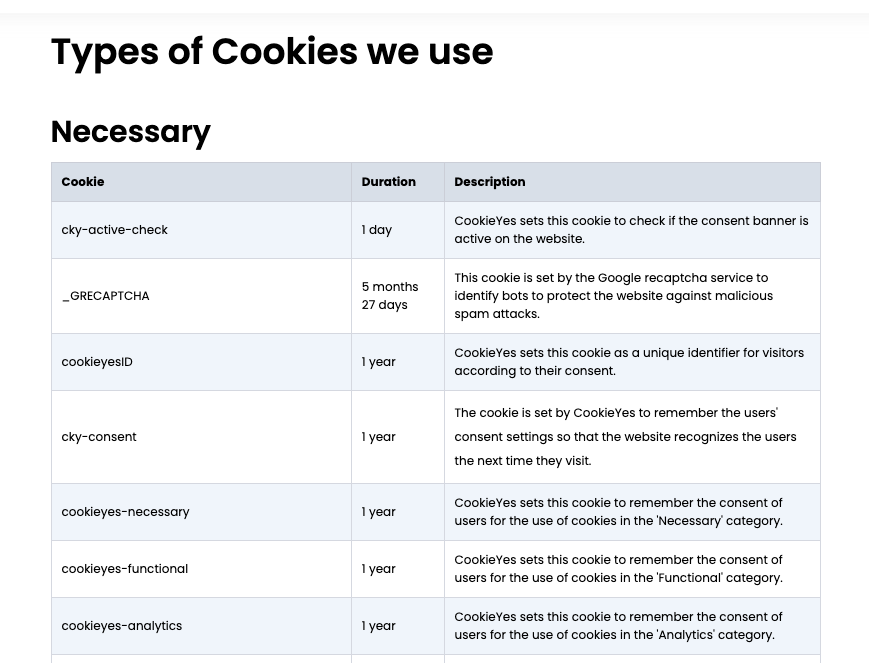






The core strategic misconception crippling many high-growth WooCommerce store owners is the belief that the global push for consumer data privacy—from GDPR to the rapid deprecation of third-party cookies—must inevitably result in sacrificing ad personalization and revenue. The silent, urgent reality is that this perceived “trade-off” is already costing your business a measurable fortune. Every day you delay, your reliance on outdated measurement methods means you are hemorrhaging the precise behavioral data that fuels your highest-converting retargeting campaigns, creating a massive, unaccounted-for leak in your Customer Lifetime Value (LTV) that traditional analytics simply cannot track.
The path to scalable revenue expansion is not to retreat from personalization, but to master the technical infrastructure that allows it to coexist with privacy. While nearly 97 percent of consumers are concerned about protecting their information, an equally powerful 91 percent are more likely to buy from brands that recognize and provide them with relevant offers. This is the chasm Facebook Conversions API (CAPI) is engineered to close. Implementing CAPI on your WooCommerce store now is the critical, non-negotiable pivot that future-proofs your ad spend, secures the integrity of your conversion data, and protects the targeted marketing engine that drives your email and SMS flows.
Recouping Lost Revenue The CAPI Fix for iOS 14 Data Drain
The introduction of iOS 14’s App Tracking Transparency (ATT) framework created an immediate and measurable data drain for all e-commerce businesses relying on the Facebook Pixel. This restriction on client-side data signals directly compromised the accuracy of conversion tracking, retargeting pools, and, most critically, the ad algorithm’s optimization capability. For WooCommerce merchants, the path to recouping this lost revenue is the immediate and robust implementation of the Conversions API (CAPI). CAPI bypasses the browser limitations by sending conversion events directly from your server (the WooCommerce backend) to Facebook, establishing a resilient, first-party data connection.
This server-side connection is not a replacement for the Pixel but an essential redundancy layer. Its primary function is to stabilize the data foundation your ad campaigns rely on, directly translating into better performance and lower Cost Per Acquisition (CPA) by ensuring Facebook’s algorithm is training on real-world, complete purchase data. The practical benefits of this dual-tracking mechanism are significant:
- Event Redundancy: CAPI works in tandem with the Pixel, sending both server and browser events to the ad platform. This allows Facebook to deduplicate and verify conversions, providing the cleanest, most comprehensive data set for optimization.
- Improved Attribution: CAPI tracks conversions that the Pixel may miss entirely due to ad blockers, browser restrictions, or cookie consent limitations, ensuring you accurately credit the correct ad for the sale and calculate a truthful Return on Ad Spend (ROAS).
- Higher Match Rate: Server-side events can include crucial customer data (like hashed email and phone number) directly, dramatically improving Facebook’s ability to match the conversion back to the specific user who saw the ad, thereby maximizing audience quality.
Implementing CAPI is not merely a reactive fix; it is a fundamental architectural upgrade. By shifting conversion event delivery from a fragile, client-side dependence to a secure, server-side infrastructure, your WooCommerce store future-proofs its most valuable marketing asset: accurate data. This ensures your ad spend is optimized based on the full picture of completed purchases, moving past the degraded, incomplete data provided solely by the Pixel in the modern privacy-first web environment.

Automating Accurate Conversions Server-Side Data for Predictable Scaling
The central pillar of predictable eCommerce scaling is data integrity, a foundation that has been eroding with the decline of third-party cookies and the introduction of browser privacy restrictions. Relying solely on the browser Pixel exposes your WooCommerce store to significant conversion data loss, which creates instability in ad platform optimization and budget forecasting. Implementing the Conversions API (CAPI) automates the transmission of key events—such as Purchase and InitiateCheckout—directly from your server to Facebook. This server-side connection bypasses browser-side friction, ensuring a near-complete and highly accurate record of customer actions, which is non-negotiable for any merchant aiming for scalable, stable growth.
- Event Deduplication: For maximum reliability, your CAPI implementation must be set up to send events in parallel with the browser Pixel. Crucially, each event requires a unique ‘event_id’ and a matching ‘event_name’ and ‘event_time’ so the Facebook platform can deduplicate the conversion, preventing over-reporting and skewed ROAS metrics.
- Utilize Customer Information Parameters (CIPs): The efficacy of CAPI hinges on its ability to accurately match server-side events to a specific user. Ensure you are sending as many available, hashed Customer Information Parameters (like email, phone number, and name) as possible with each event to dramatically improve the Event Match Quality score, which in turn fuels better ad personalization and targeting.
- Prioritize High-Value Events: While the Pixel often tracks every micro-interaction, your server-side implementation should prioritize the most critical conversion events. Focus on a flawless transmission for ‘Purchase’, ‘InitiateCheckout’, and ‘AddtoCart’. This focused approach ensures the ad algorithm receives the clearest signals for bottom-of-funnel optimization, resulting in more stable Cost Per Acquisition (CPA).
This foundational shift to accurate, server-side data transforms your ad campaigns from reactive guesswork into an automated, high-fidelity feedback loop. The precise conversion signals received via CAPI allow Facebook’s machine learning algorithms to exit the ‘data starvation’ cycle caused by browser limitations. This translates directly to a lower blended CPA and a higher, more stable Return on Ad Spend (ROAS), which is the key metric for sustainably scaling ad spend on your WooCommerce store. Accurate attribution is the mechanism for predictable scaling.
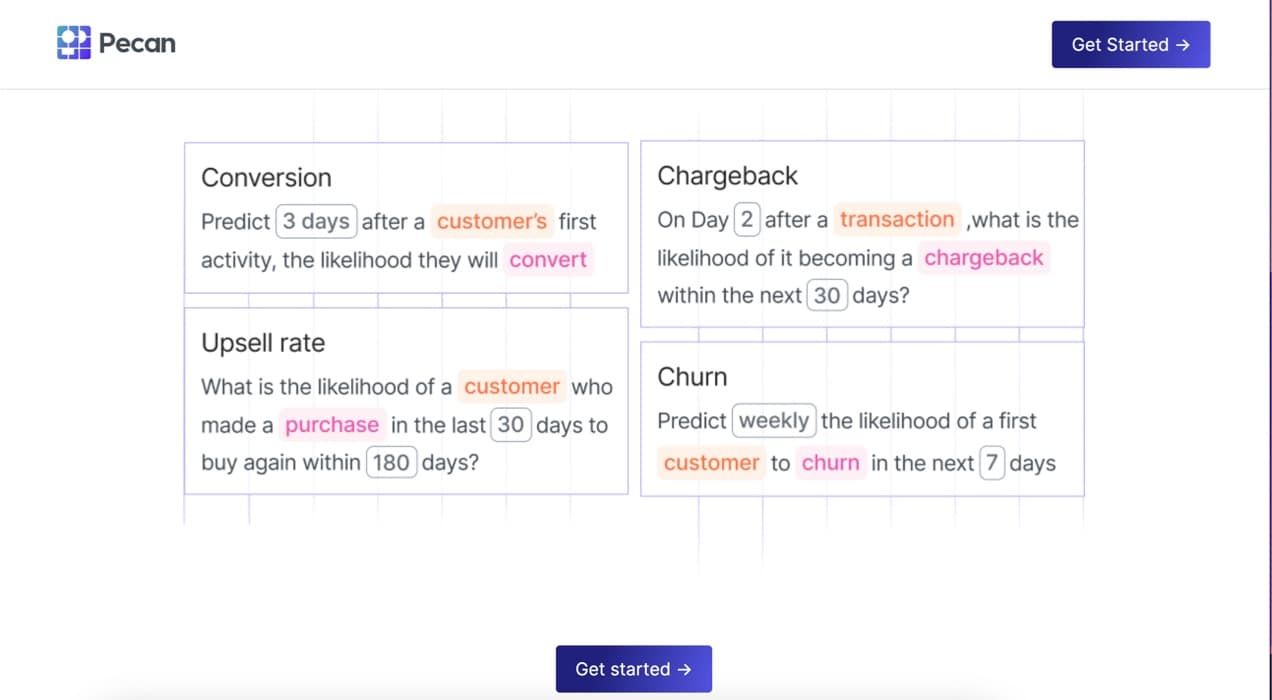
Fueling High-Converting Email/SMS Retargeting with Reliable CAPI Data
The conversion effectiveness of your email and SMS retargeting sequences is fundamentally dependent on the reliability and completeness of your customer event data. In a privacy-first ecosystem where client-side tracking is increasingly unreliable, the Facebook Conversions API (CAPI) acts as the critical bridge, ensuring that high-intent signals from your WooCommerce store are never lost. By transmitting events like ViewContent, AddToCart, and Purchase directly from your secure server, CAPI allows for the creation of far more precise and real-time custom audiences than is possible with a pixel alone.
This superior data fidelity directly translates into higher-converting marketing flows. Reliable CAPI data eliminates the common issue of sending abandoned cart emails to customers who actually completed the purchase (due to a dropped pixel event), preventing customer frustration and wasted margin. More importantly, it empowers deep segmentation and timely automation:
- High-Intent Abandonment Recovery: Utilize CAPI’s complete data set to create ultra-accurate “Add to Cart, No Purchase” audiences for immediate, highly personalized SMS or email retargeting sequences.
- Hyper-Segmented Post-Purchase Flows: Instantly sync CAPI’s validated
Purchaseevents to your Email Service Provider (ESP) to exclude recent buyers from acquisition campaigns and immediately trigger cross-sell or review-request journeys. - Dynamic Product Retargeting: Feed CAPI’s reliable
ViewContentdata into your creative engine to dynamically populate abandoned product emails with the exact item a user browsed, significantly boosting click-through and conversion rates.
By integrating CAPI, your WooCommerce store moves from reacting to fragmented data to proactively fueling every stage of the customer journey with validated, server-side intelligence. This technical stability is what transforms a generic retargeting campaign into a high-leverage conversion mechanism, ultimately driving stronger Customer Lifetime Value (LTV) across your entire marketing stack.
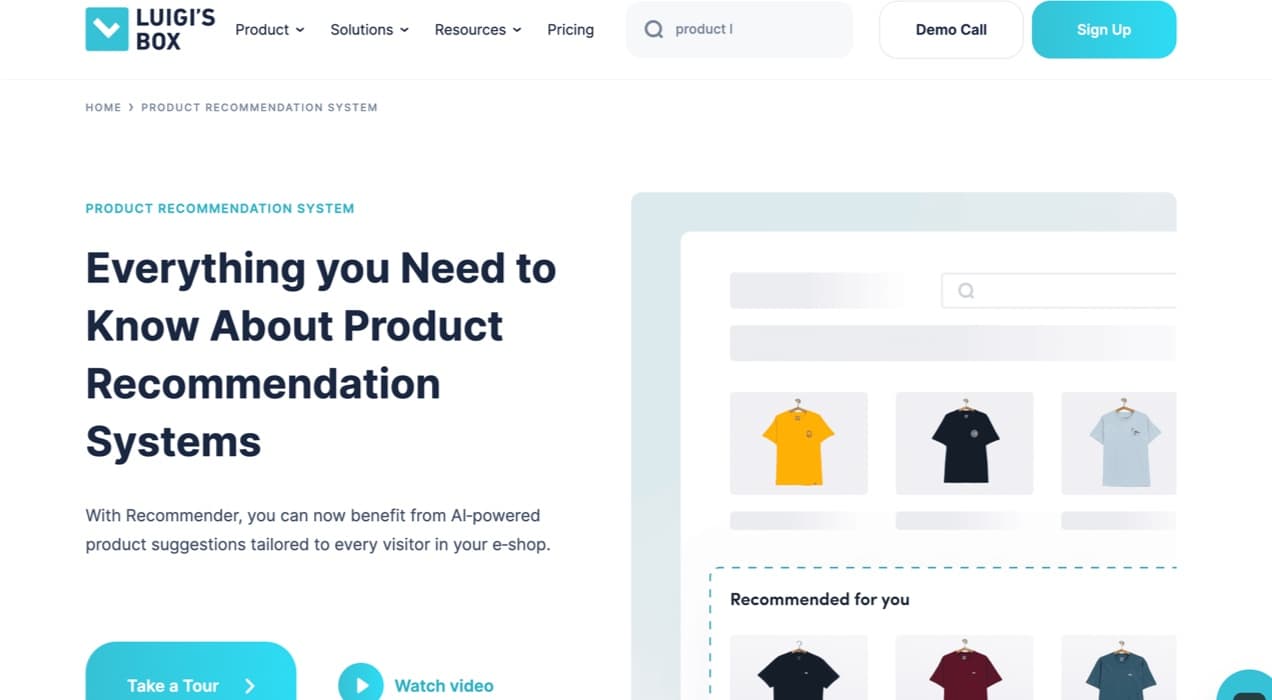
Future-Proofing Your WooCommerce Funnel Against Browser Privacy Restrictions
The shift from client-side tracking (browser-based, relying on cookies) to server-side event sending via the Conversions API (CAPI) is the essential architectural pivot for long-term funnel resilience. As major browsers systematically restrict third-party cookies and, increasingly, limit the lifespan of first-party cookies for advertising purposes, the WooCommerce store’s ability to accurately measure and optimize ad performance becomes compromised. CAPI moves the data communication directly from your server to Facebook’s, bypassing the browser’s restrictions and ensuring a higher data match quality, which is critical for maintaining robust audience segments and reliable conversion attribution.
- Server-Side Redundancy: CAPI creates a critical redundancy layer. While the browser-based Pixel is still valuable, the server-side signal ensures that events lost due to ad blockers, poor network connection, or Intelligent Tracking Prevention (ITP) restrictions are still captured, providing a more complete picture of the customer journey.
- Enhanced Data Quality: By sending conversion events directly from the WooCommerce server, you have greater control over the data parameters, allowing for more thorough Customer Information Parameters (CIP) to be included. This improves Facebook’s Event Match Quality (EMQ) score, directly enhancing ad delivery and optimization.
- Mitigation of Privacy Restrictions: This server-side methodology inherently future-proofs your measurement against upcoming privacy changes, such as Google’s Privacy Sandbox and the complete deprecation of third-party cookies, as it relies on first-party data shared with user consent, not unreliable browser trackers.
For a high-volume WooCommerce merchant, this implementation is not merely a technical fix; it is a fundamental shift from reactive compliance to proactive data governance. A future-proofed funnel ensures that every dollar of ad spend is backed by verifiable conversion data, allowing the core business logic of retargeting and Lookalike Audience generation to operate effectively regardless of evolving browser policies. This stable, reliable data pipeline is the prerequisite for predictable, scalable growth in a privacy-centric advertising landscape.
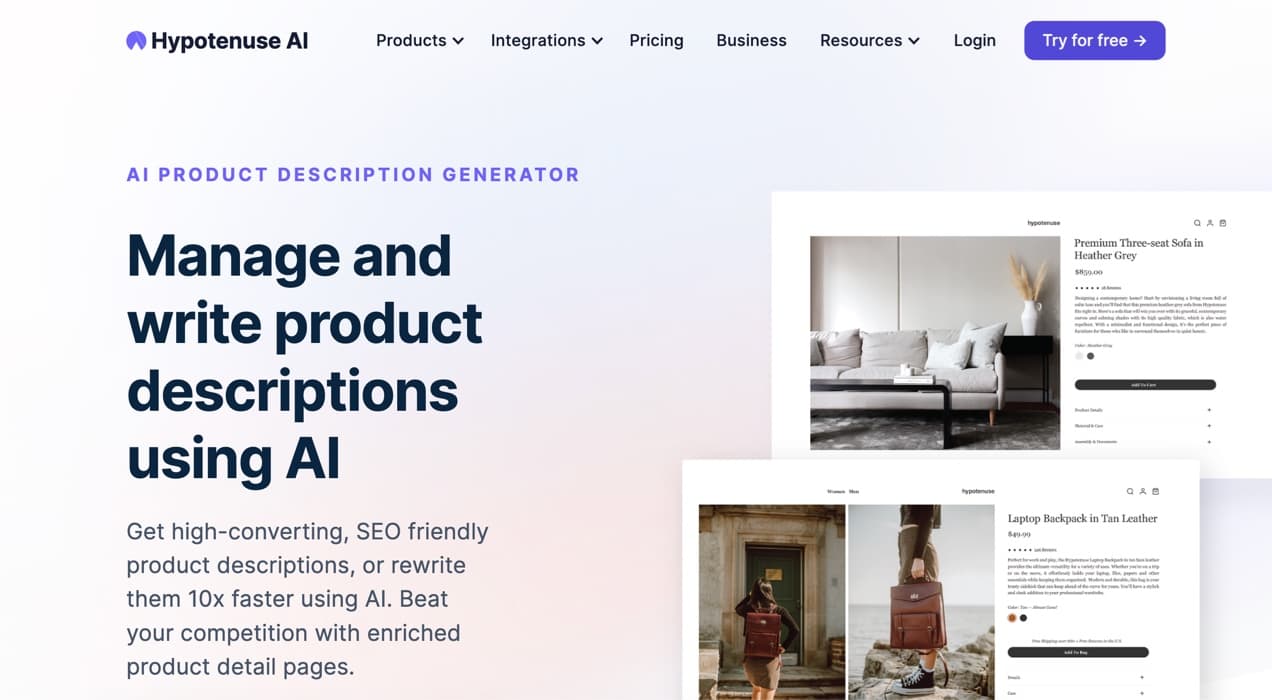
Maximizing Ad ROI Using CAPI’s Full-Funnel View for Better Optimization
The core mechanism for maximizing ad ROI in the current privacy-first landscape is achieving data parity through the Facebook Conversions API (CAPI). A reliance on the legacy browser pixel results in a fragmented and incomplete view of the customer journey, as critical mid- and top-of-funnel events—such as ViewContent or AddToCart—are often missed due to browser limitations, ad blockers, or connection issues. This data loss handicaps the Facebook algorithm, forcing it to make suboptimal bidding and targeting decisions based on insufficient data and leading to inflated Cost Per Acquisition (CPA) and wasted budget.
CAPI solves this by creating a direct, server-to-server connection that captures events the pixel misses, establishing a reliable, full-funnel data stream. This guaranteed data integrity is the foundation for highly accurate performance modeling and optimization. This new level of insight allows you to strategically refine your ad delivery and audience targeting through the following mechanisms:
- Precision Bidding and Budget Allocation: Accurate, server-side purchase confirmations ensure Facebook’s machine learning models are optimizing based on verified conversion data, enabling more competitive and profitable bidding across all campaign objectives.
- Superior Lookalike Audiences: Generating high-quality lookalike audiences based on confirmed, server-side data—rather than potentially incomplete pixel data—results in a higher density of qualified prospects, dramatically improving top-of-funnel efficiency.
- Robust Retargeting and Funnel Events: Capturing all critical events (View Content, Add to Cart, Initiate Checkout) reliably enables you to optimize for earlier, high-intent stages of the funnel and run hyper-personalized retargeting campaigns to recover lost users with significantly greater accuracy.
Ready to take your e-commerce to the next level?
While successfully implementing the Facebook Conversions API is a critical technical maneuver, it is merely the defense against an industry-wide data drain. The true, profit-driven question for a high-growth WooCommerce store is whether this newly secured data is being leveraged strategically to build a profitable ecosystem. If your retargeting efficiency is still flatlining, if your campaigns feel like guesswork, or if you suspect the ongoing hidden cost of suppressed attribution is actively preventing a maximum Return on Ad Spend (ROAS), the problem is systemic. Surviving the privacy shift is one thing; leveraging the change to fundamentally increase Customer Lifetime Value (LTV) requires aligning your entire data infrastructure—from tracking and consent to paid media and CRM—for unified performance.
To move beyond tactical data recovery and establish predictable, scalable growth, you need an integrated, data-first operating framework. We act as a strategic extension of your in-house team, helping DTC/eCommerce brands radically increase Profit, Retention, and LTV. Our process begins with rigorous, no-guesswork, data-driven & conversion-focused audits that pinpoint the exact structural leaks in your current system, ensuring every customer interaction is accurately tracked, consented, and utilized for optimization. If you are ready to pivot from managing data loss to a strategy designed for maximum ROAS and long-term growth, book a free consultation today.