






The biggest lie in international eCommerce is believing that simply translating your WordPress site guarantees global revenue. You’ve invested significant capital in localization, hired translators for your French and Australian markets, yet when a shopper in Paris searches for your brand, they are consistently served the English version of your site. The common misconception is that search engines are smart enough to figure it out, but every misdirected click is a direct, measurable hit to your conversion rate, turning high-intent global traffic into frustrated bounces and dramatically inflating the hidden cost of customer acquisition.
The hard reality is that without a proper technical directive, your multilingual pages are not collaborating—they are competing. When two highly similar pages for different regions exist, Google’s algorithm forces them to fight for the same search ranking, resulting in unpredictable and often irrelevant results for the user. This is where HREFLANG becomes your non-negotiable solution. It’s the essential signal that cuts through the noise, telling search engines exactly which localized page to serve based on language and geography. This precision in international SEO is the key to unlocking true global revenue expansion and maximizing the long-term value (LTV) of every international visitor.
HREFLANG as a Revenue Engine: How Geo-Targeting Maximizes International Conversion
The core function of HREFLANG is not merely technical SEO; it is a critical revenue driver for any WooCommerce store operating across multiple markets. When a French user searches for a product, and the English version of your product page (with USD pricing and US shipping) appears, the conversion loss is immediate. This incorrect serving eliminates a primary point of friction at the very top of the conversion funnel, causing an immediate bounce.
HREFLANG signals to search engines like Google which page version—French-language, Euro-priced, and local-shipping-focused—should be displayed for that user. By resolving this “wrong version” issue, you ensure that every organic click lands on a page optimized for that customer’s specific geographic and linguistic context, drastically improving the chance of conversion.
True geo-targeting uses HREFLANG to align specific regional commercial elements with the correct user. The goal is to deliver an experience so localized it minimizes second-guessing and checkout abandonment. This strategic alignment impacts key conversion factors as follows:
- Pricing & Currency: Ensuring the local currency is displayed (e.g., AUD for Australia, not USD) is a non-negotiable trust signal that HREFLANG helps Google surface correctly.
- Shipping & Logistics: Associating regional pages with relevant, local shipping policies and times reduces cart abandonment caused by unexpected costs or delivery delays.
- Local Trust Signals: Correctly showing region-specific customer reviews, payment logos (like local bank transfers), and contact information drastically improves perceived credibility and purchase intent.

Streamlining HREFLANG: Automation Best Practices for WooCommerce Store Owners
For WooCommerce store owners, the manual implementation of HREFLANG tags is not a scalable or sustainable practice. The volume of product and category pages alone creates an exponential risk of technical error. Since HREFLANG requires perfect reciprocal linking—if page A points to page B, page B must point back to page A—any missed link instantly breaks the chain, leading to search engine confusion and the very cannibalization issues this system is designed to solve.
Streamlining this process requires leveraging dedicated WordPress and SEO solutions to enforce technical accuracy across your entire product catalog. The automation should handle the heavy lifting, ensuring that every product variant is correctly mapped to its regional counterpart. Focus on your setup to enforce these best practices universally:
- Plugin Reliability: Utilize an established SEO or multilingual plugin that automatically generates and manages HREFLANG tags for all WooCommerce custom post types (Products, Categories, etc.), rather than relying on manual code insertion.
- Canonical Consistency: Verify that your automation tool consistently pairs the HREFLANG set with a correct, self-referencing canonical tag on every page, which is crucial for indicating the primary version to search engines.
- X-Default Implementation: Program your setup to automatically implement the
x-defaulttag for a non-specific language/region page. This acts as a global fallback for untargeted markets, preventing traffic from landing on an irrelevant page and maintaining a clean international SEO profile.
By enforcing this layer of technical automation, you shift HREFLANG from a fragile, manual maintenance task to a robust system that continually optimizes itself, ensuring search engines always serve the most locally-relevant product page, which directly impacts conversion rate.
Fueling Email ROI: Using HREFLANG Data for Hyper-Local Segmentation
The primary function of HREFLANG tags is to resolve content competition between international pages for search engines, ensuring the correct regional version ranks. However, the data stream that informs your HREFLANG strategy—the language and geographical signals driving user behavior—is a goldmine for email marketing. By integrating the language and country codes (like ‘en-au’ or ‘fr’) of the pages your customers land on into your WooCommerce customer profiles or email platform’s CRM, you move beyond basic ‘country of origin’ segmentation. This allows you to segment not just by where they are, but by their preferred content experience, a crucial distinction for international brands.
- Content Preference: Segment users who actively viewed the ‘en-gb’ version of a product page, ensuring all follow-up abandoned cart or promotional emails are delivered in British English and use GBP.
- Post-Purchase Upsell: After a purchase on the ‘de-de’ German site, trigger an automated email sequence featuring products specifically popular or available in the German market, maximizing conversion rates.
- Promotion Timing: Use the inferred time zone from the geo-targeting data (the ‘x’ in ‘language-x’) to optimize email send times, directly improving open rates and click-through rates (CTR) in that specific region.
This hyper-local segmentation approach drastically refines your Email ROI by eliminating generic messaging. Sending an email with USD pricing to an Australian customer, or a US-centric holiday promotion to a European market, introduces friction and degrades trust. By dynamically matching your email content, currency, local offers, and tone to the preference data captured by your HREFLANG implementation, you create a seamless, localized experience that drives higher engagement, lowers unsubscribe rates, and ultimately boosts Customer Lifetime Value (LTV) across your global markets.
Stop Cannibalizing Sales: Why Mismanaged HREFLANG Kills Global eCommerce Growth
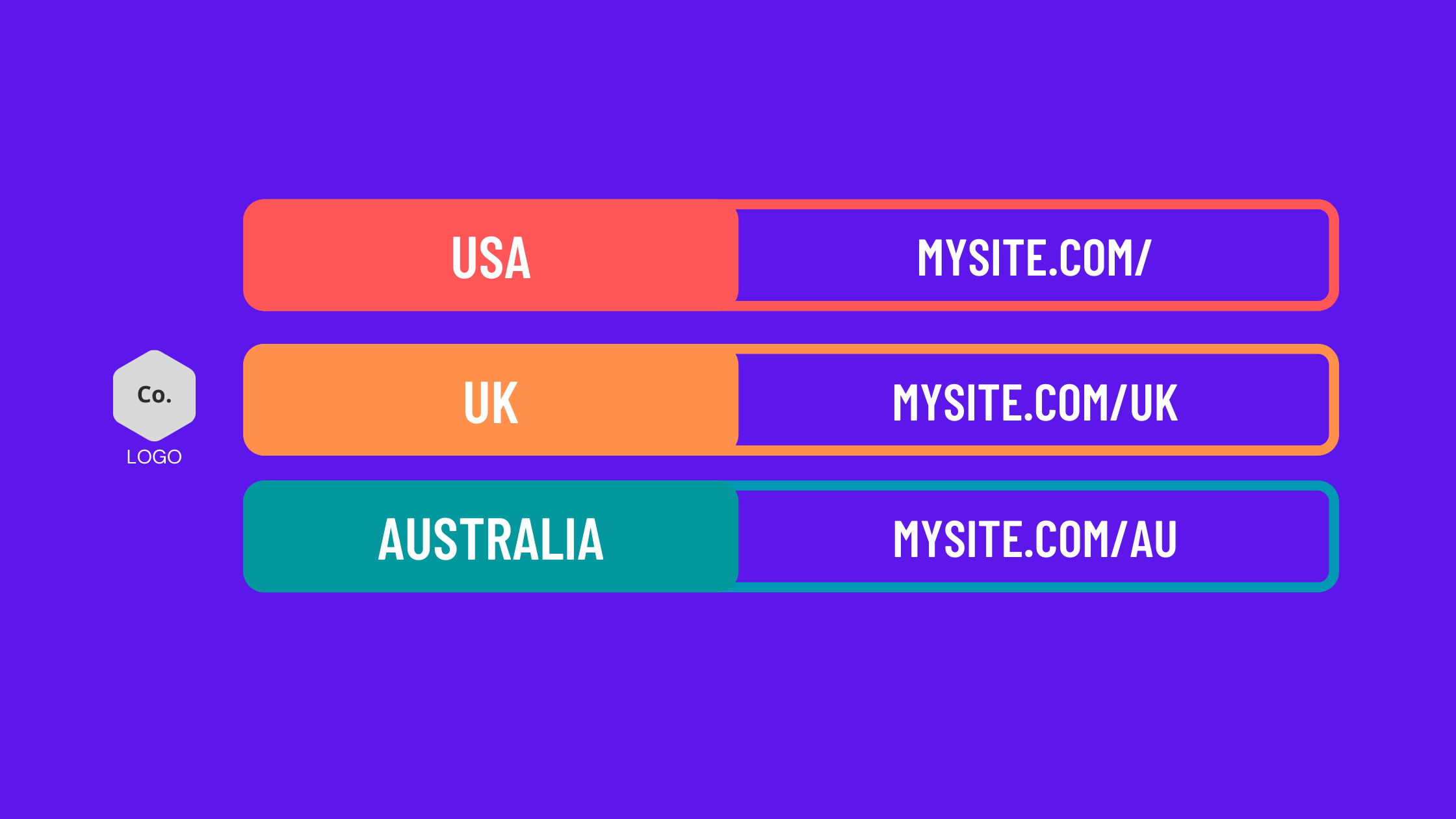
The concept of “cannibalization” in international SEO is a direct threat to your global WooCommerce sales. When you have multiple pages targeting the same product or topic across different country codes (like /us/, /uk/, and /au/), Google views them as competing for the same search query unless it receives a clear signal. Without a correct HREFLANG tag setup, your domain’s core page often outranks the regional page, sending high-intent Australian shoppers to the US version of your store, resulting in geo-mismatch friction, incorrect pricing, and high cart abandonment—a direct kill switch on localized revenue.
This competition dilutes page authority and prevents the right content from reaching the right geo-targeted consumer. Mismanaged HREFLANG signals confuse search engines about which localized page is the canonical source for a specific market. To effectively mitigate this, perform a thorough audit for these critical errors:
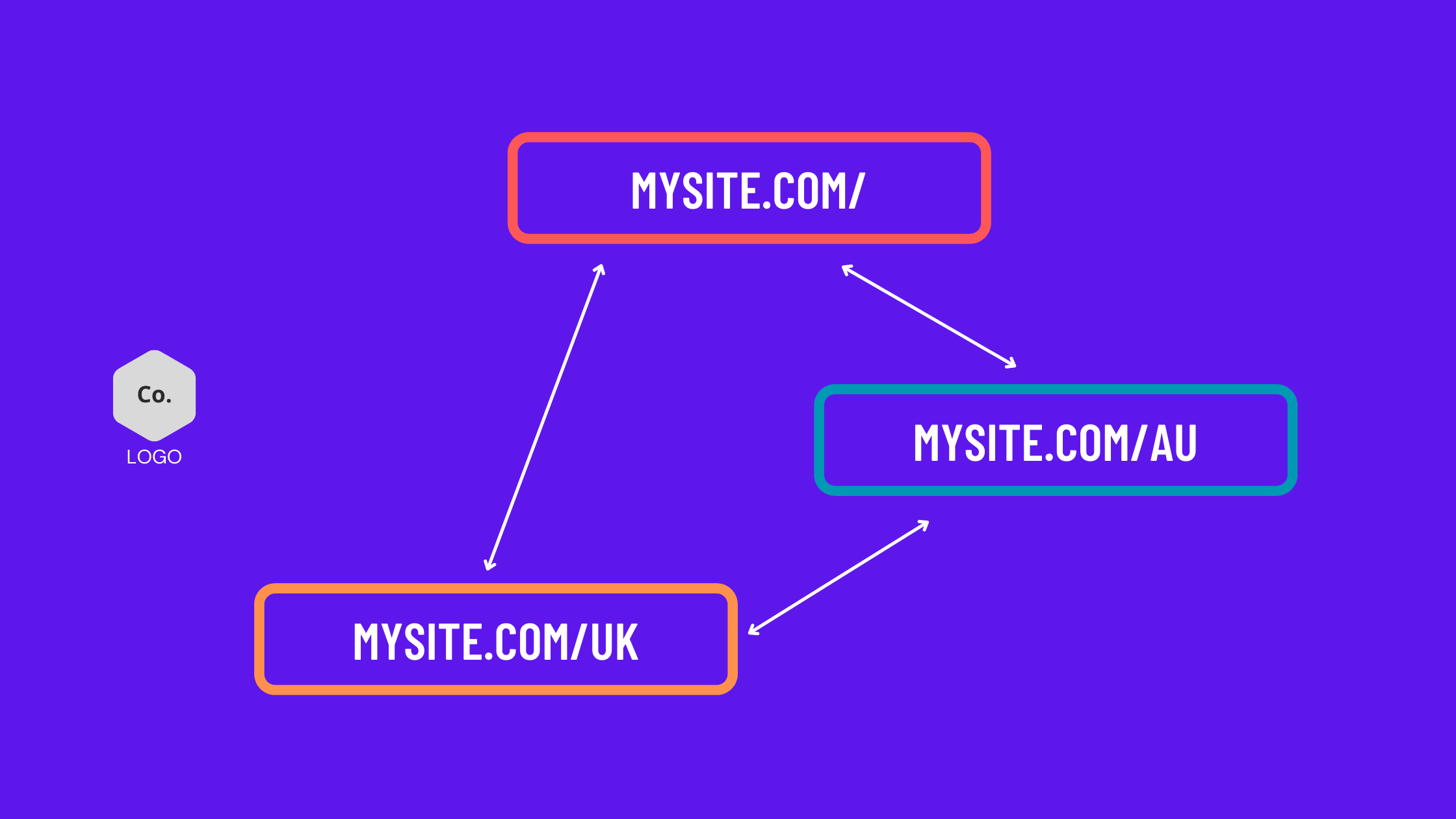
- Missing Bi-Directional Links: The most common error is implementing HREFLANG on a page pointing to its alternatives, but those alternatives failing to point back. This breaks the necessary reciprocal link, causing Google to ignore the entire set.
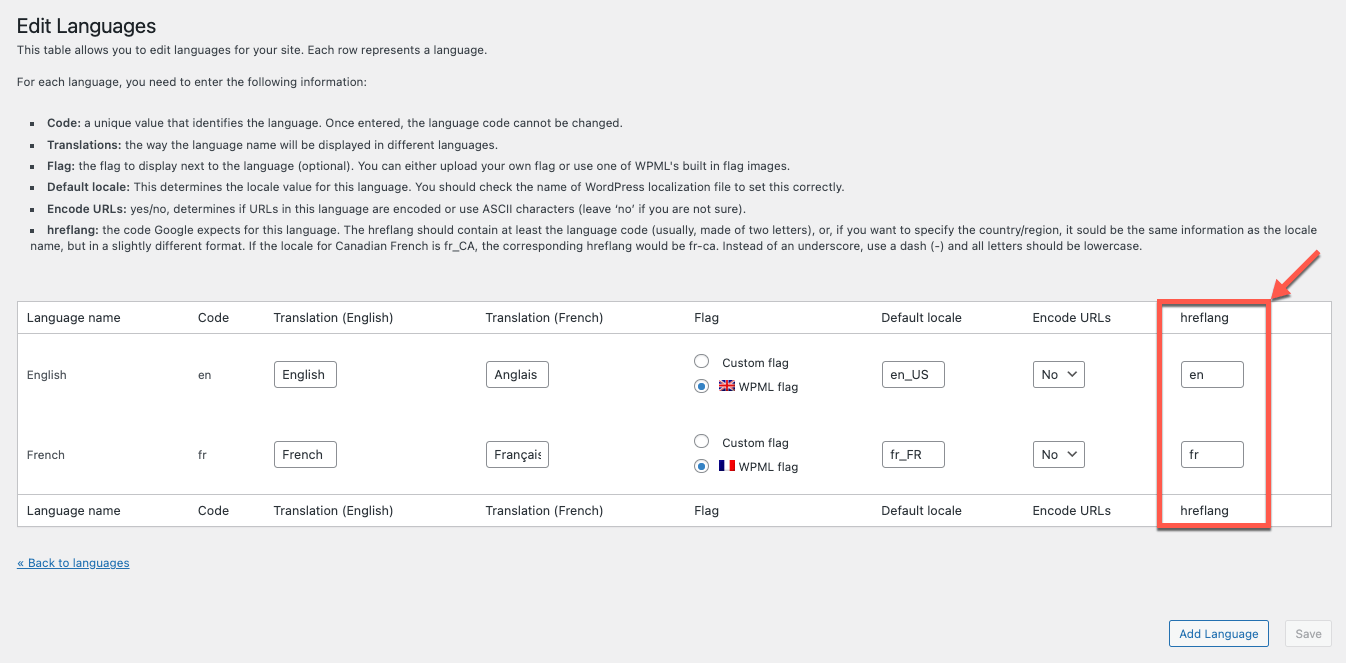
- Incorrect Country/Language Codes: Using a language-only code (e.g., ‘en’) when you intend to target a specific region (e.g., ‘en-AU’ for Australian English) is a common mistake that leads to mis-targeting.
- Self-Referencing Omission: Every page in the set must include a tag pointing to itself. Failing to include this self-reference tag can lead to indexation and ranking confusion for the search engine.
Correct HREFLANG implementation is a fundamental protective layer for your global revenue. By correctly tagging your regional WooCommerce product and category pages, you ensure that only the most relevant, localized version is presented to the user, thereby maximizing conversion rate and stopping the unnecessary content competition that stifles global growth.
Error-Proof HREFLANG Setup: A Technical Checklist for WordPress SEO Automation
The implementation of HREFLANG is fundamentally a technical SEO challenge, and even small errors can lead to total tag failure, resulting in disastrous content cannibalization across your global product pages. On a WooCommerce site, where product SKUs, categories, and dynamic URLs are in constant flux, relying on manual HREFLANG management is simply untenable. A robust, automated setup via a reliable WordPress SEO plugin is non-negotiable. However, automation alone is not a cure-all; it requires diligent configuration and a recurring verification process to ensure two critical technical components are always perfect: bi-directional linking and correct code formatting.
To truly error-proof your international SEO structure, adhere to this technical checklist for every HREFLANG cluster:
- Bi-Directional Linking: All pages within a specific language/regional cluster (e.g., US, UK, AU versions of the same product) must link back to every other page in that set, including itself. This reciprocal relationship is diretrizry for Google to validate the tags.
- Absolute URLs Only: HREFLANG tags must strictly use the full, absolute URL (e.g., https://mysite.com/product-us) and not relative URLs. Relative URLs are a frequent cause of HREFLANG implementation failure.
- Canonical Consistency: Ensure the canonical tag on each page points correctly to its own URL. The canonical and HREFLANG tags must work in tandem; a conflicting canonical can completely override the HREFLANG signal.
- The X-Default Tag: Always define an ‘x-default’ tag to specify the default page for users whose language or region is not explicitly targeted by any other tag in the set.
After initial deployment, the automation of these tags must be paired with continuous error monitoring via Google Search Console’s International Targeting report. A single broken or improperly formatted link in an HREFLANG chain can invalidate the entire cluster. Treat this technical checklist not as a one-time setup, but as a critical, ongoing maintenance protocol essential for sustaining predictable revenue growth from your international WooCommerce markets.
Ready to take your e-commerce to the next level?
The technical precision required for HREFLANG implementation on WordPress is not just about avoiding Google penalties; it is a direct function of your international profitability. If your geo-targeting is misconfigured, your different regional pages are not simply competing for rank—they are cannibalizing high-intent sales traffic. This critical infrastructure failure leads to an inefficient Customer Acquisition Cost (CAC) by serving the wrong users with the wrong content, ultimately hemorrhaging Customer Lifetime Value (LTV) across every international market you serve.
At this stage of complexity, relying on guesswork is not an option. Our consultancy specializes in building fully optimized, data-driven eCommerce systems where international SEO, advanced tracking, and marketing automation work in synergy to maximize global ROAS and long-term growth. We remove the technical friction that kills profit. If you suspect your current setup is leaking international revenue, stop the bleed and book one of our data-driven & conversion-focused audits today to establish a predictable, high-profit blueprint for global scale.