






The common misconception among many WooCommerce merchants is that Black Friday success is solely built on deep discounts and heavy inventory. This passive focus on front-end offers ignores the technical reality of high-velocity commerce, where a single second of latency or a server crash doesn’t just lose a sale—it hemorrhages long-term Customer Lifetime Value (LTV). With Cyber Monday driving record-breaking revenues of nearly 8 billion dollars, treating site stability as a secondary concern is a high-stakes gamble that leaves millions in potential revenue on the table during the most critical weekend of the year.
The shift to a high-growth mindset requires recognizing that technical infrastructure is the foundation of revenue expansion. Beyond simple traffic handling, the hidden cost of inaction lies in failing to bridge the gap between peak spikes and post-holiday retention through automated Email and SMS marketing. This guide provides the strategic blueprint to ensure your store remains technically sound under pressure, transforming seasonal shoppers into a loyal, high-value customer base that continues to drive growth long after the holiday crowds have vanished.
Scale Your WooCommerce Infrastructure for Peak Holiday Traffic
Scaling your WooCommerce infrastructure for the BFCM surge requires moving beyond standard hosting to a setup designed to handle thousands of concurrent database queries and high-intensity traffic spikes. During peak holiday hours, the primary bottleneck is typically the server’s processing power and memory, which can lead to slow response times or catastrophic site failure. To safeguard your revenue, you must transition from a reactive posture to a proactive, performance-optimized environment that prioritizes stability under load.
- Object Caching: Implement a solution like Redis or Memcached to store database query results in RAM, which drastically reduces the processing load on your server during high-volume checkout events.
- Edge Optimization: Utilize a high-performance Content Delivery Network (CDN) to offload static assets and use edge-caching to deliver content closer to the user, minimizing latency and origin server strain.
- Database Maintenance: Cleanse expired transients, redundant order metadata, and large log files before the rush to ensure SQL queries remain lean and efficient when the traffic hits.
The cost of technical negligence during Black Friday is measured directly in lost Customer Lifetime Value (LTV). Even a minor lag in page load speed can cause high-intent shoppers to bounce to a competitor. By hardening your infrastructure, you ensure that your store remains a high-speed conversion engine capable of capturing the maximum revenue possible without the risk of downtime or performance degradation.
Automate High-Converting BFCM Email and SMS Sequences
To capitalize on the surge of BFCM traffic without overwhelming your internal team, automation must move from a background task to a primary revenue engine. During peak volatility, the window for conversion is incredibly narrow; manual follow-ups are physically impossible at scale. By leveraging WooCommerce-native hooks and API-driven marketing tools, you can ensure that every high-intent signal—from a cart addition to a specific category view—triggers a personalized response in real-time, effectively reclaiming revenue that would otherwise be lost to the competitive noise of the holiday season.
- Multi-Step Cart Recovery: Replace standard abandonment emails with a high-frequency sequence that combines an immediate SMS reminder for high-value carts with a series of emails offering tiered incentives or social proof as the BFCM deadline approaches.
- VIP Early Access Flows: Segment your database by Customer Lifetime Value (LTV) to trigger automated early-access notifications, ensuring your most loyal customers bypass the stock-out risk while securing predictable revenue before the Friday morning rush.
- Browse Abandonment Automation: Deploy triggers for users who view high-margin products multiple times without adding to cart, delivering a targeted SMS with a limited-time “BFCM doorbuster” reminder to drive them back to the site during peak shopping hours.
The strategic advantage of automation lies in its ability to maintain a consistent customer experience even when site traffic hits record levels. By integrating your SMS and email flows, you create a redundant communication layer that ensures your message is seen regardless of inbox saturation. This technical synchronization allows you to focus on managing logistics and inventory while your marketing stack works autonomously to maximize the Average Order Value (AOV) and conversion rate of every visitor landing on your store.
Drive Record Revenue with Dynamic Holiday Promotion Workflows
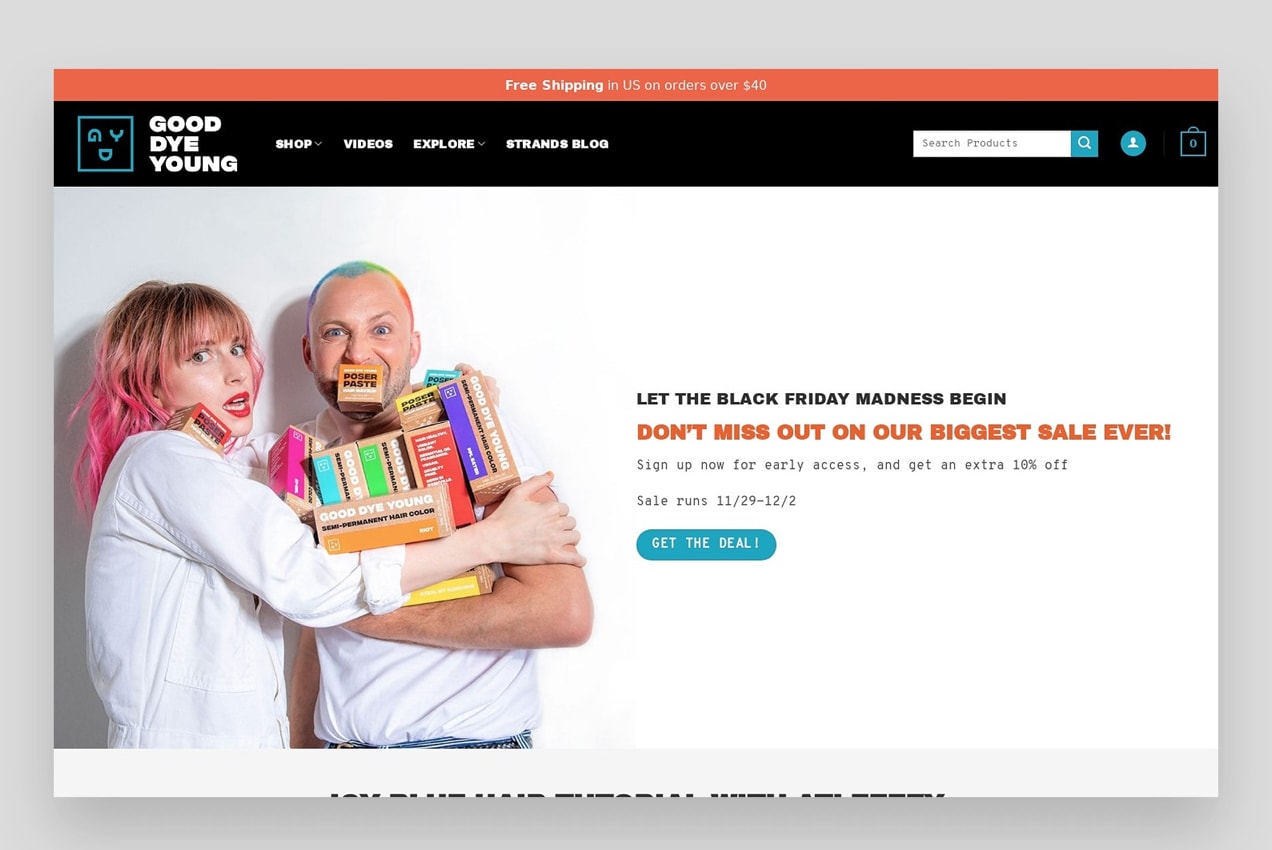
To capitalize on the massive traffic surges during Black Friday and Cyber Monday, static discounts are no longer sufficient. High-growth WooCommerce stores must transition to dynamic promotion workflows that respond to real-time customer behavior and inventory levels. By automating the logic behind your offers, you can protect your margins while ensuring that high-intent shoppers are met with the most compelling incentives at the exact moment they are ready to convert.
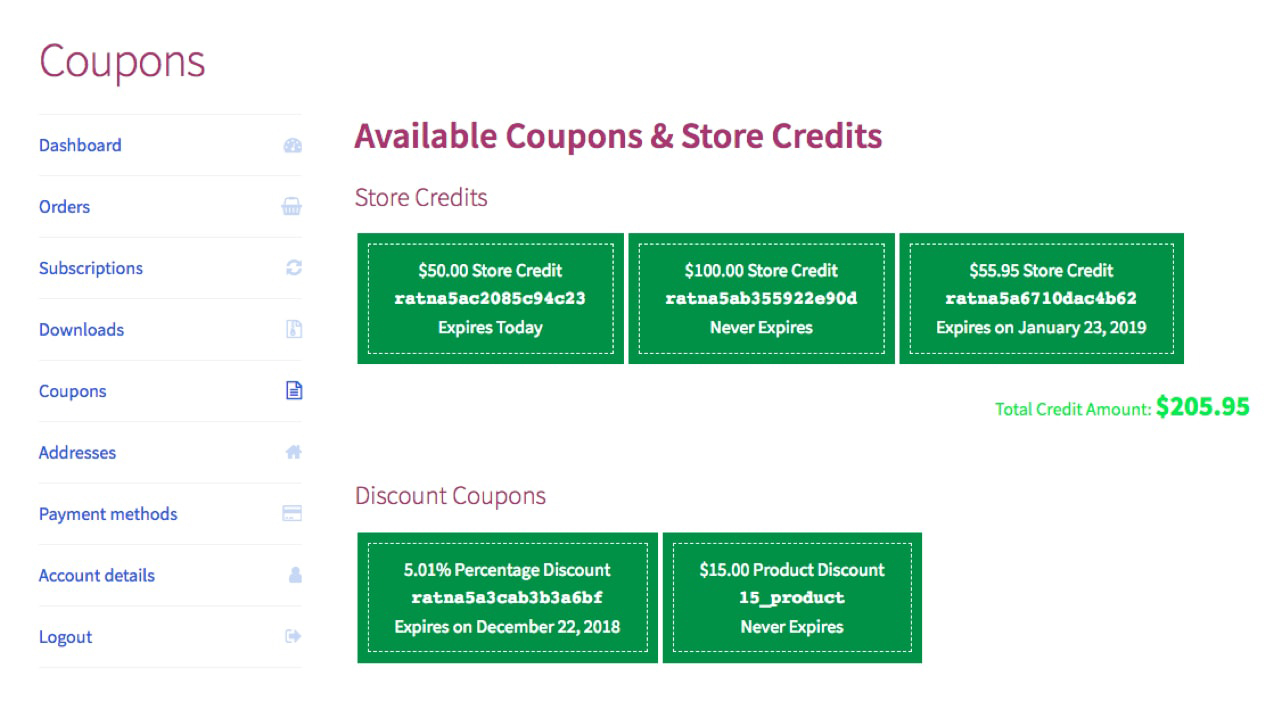
- Tiered Pricing Automation: Implement workflows that automatically increase discount depth based on cart value, incentivizing higher Average Order Value (AOV) without sacrificing margin on smaller, single-item purchases.
- Inventory-Triggered Scarcity: Use dynamic banners and notifications that sync with your real-time stock levels to trigger “Low Stock” alerts, creating authentic urgency that accelerates the decision-making process for competitive holiday items.
- Flash Sale Sequencing: Schedule automated transitions between specific promotional periods (e.g., Early Access to Cyber Monday) to maintain momentum throughout the holiday week without requiring manual site updates during peak traffic hours.
Executing these workflows effectively requires a robust technical foundation where your promotional engine and database are perfectly synchronized. When your store can programmatically adjust its strategy based on site performance and user engagement, you eliminate the risk of human error and maximize revenue potential. This data-driven approach transforms your holiday campaign from a series of manual tasks into a scalable, high-performance sales machine capable of handling the intense competition of the eCommerce season.
Optimizing Technical Performance to Prevent Revenue-Crashing Downtime
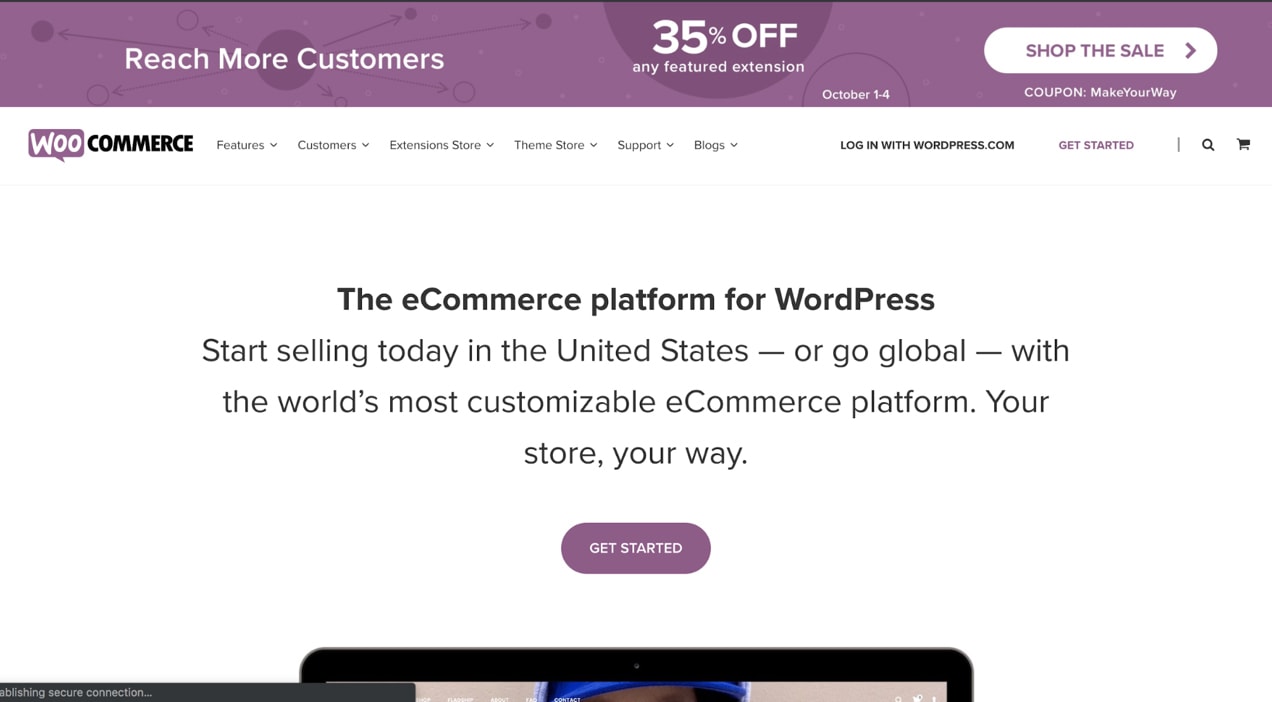
The sudden influx of traffic during peak holiday events like Black Friday can instantly expose hidden inefficiencies in your WooCommerce stack, turning a high-revenue opportunity into a site-wide crash. To prevent revenue-crashing downtime, you must move beyond basic shared hosting and ensure your infrastructure is decoupled and horizontally scalable. This involves optimizing how your server processes dynamic requests—specifically the cart and checkout pages—which cannot be served from static cache and place the highest demand on your database and CPU resources.
- Elastic Scaling: Ensure your hosting environment can dynamically allocate additional PHP workers and RAM to handle concurrency spikes without manual intervention.
- Database Optimization: Clean up expired transients, old order logs, and redundant metadata to reduce query execution times, ensuring the database doesn’t become a bottleneck during high-volume transactions.
- Object Caching: Implement Redis or Memcached to store frequently accessed data in memory, significantly reducing the load on your database and accelerating page load speeds for logged-in users.
Technical performance is also a mobile-first imperative; with the majority of BFCM shoppers using handheld devices, a slow-loading mobile interface will lead to immediate bounce rates. Beyond server-side readiness, you should audit your site for heavy JavaScript execution and unoptimized image assets that delay the Largest Contentful Paint (LCP). By refining these technical foundations, you ensure that your store remains stable and responsive, protecting your conversion rate when the stakes—and the traffic volumes—are at their absolute highest.
Post-Purchase Automation: Turning One-Time Shoppers into Lifetime Fans
The influx of new customers during Black Friday and Cyber Monday represents a significant technical asset that many WooCommerce stores fail to capitalize on once the peak traffic subsides. High acquisition costs during the holiday season mean that profitability often hinges on the second purchase. By implementing automated post-purchase flows, you transition from a high-friction transactional model to a data-driven retention strategy, ensuring that the surge in customer data is immediately utilized to fuel long-term Customer Lifetime Value (LTV).
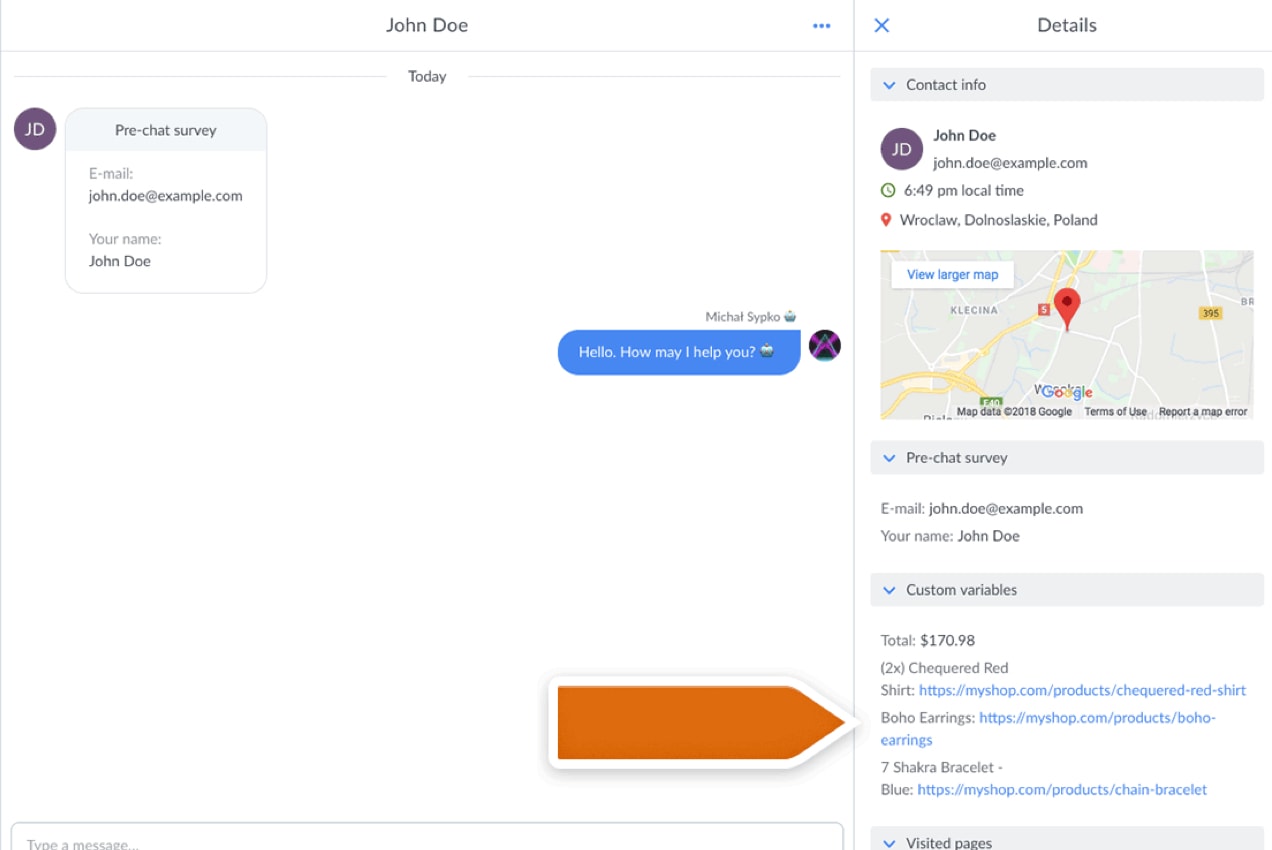
- Transactional Data Synchronization: Automatically pass order metadata into your CRM or Email Service Provider (ESP) to segment holiday-only discount hunters from potential brand advocates based on purchase behavior.
- Dynamic Replenishment Sequences: Set automated triggers based on the average consumption cycle of the products purchased during BFCM to send perfectly timed replenishment reminders.
- Automated Social Proof Harvesting: Deploy staggered review requests that incentivize User-Generated Content (UGC), which serves as critical social proof for future marketing cycles and improves SEO through fresh content.
Effective automation requires a robust integration between your WooCommerce backend and your marketing stack. Utilizing real-time webhooks or dedicated tools ensures that these triggers are executed without manual oversight, allowing your team to focus on operations while the system handles the heavy lifting of customer nurturing and re-engagement during the critical post-holiday window.
Ready to take your e-commerce to the next level?
While ensuring your WooCommerce infrastructure can withstand Black Friday traffic spikes is a technical necessity, the true business reality is that site stability is merely the baseline for capturing seasonal demand. If your holiday strategy focuses solely on surviving the surge without a plan to maximize long-term profitability, you are essentially treating a massive customer acquisition event as a one-time transaction. If your conversion rates are suppressed by technical friction, or if you suspect your high-volume traffic is failing to translate into sustainable Customer Lifetime Value (LTV), the core problem is a systemic failure in your data and automation ecosystem.
To transform a successful Black Friday into a foundation for year-round growth, you need a strategy where tracking, CRM, and performance marketing operate in total synchronicity. We act as a strategic extension of your in-house team, helping DTC brands move beyond guesswork to build high-performance systems that drive measurable Profit and Retention. Our process starts with rigorous, data-driven & conversion-focused audits designed to identify and plug the revenue leaks in your funnel. If you are ready to optimize your WooCommerce store for maximum ROAS and long-term scalability, book a free consultation today.