






Many WooCommerce store owners operate under the comforting illusion that their default transactional notifications are sufficient for maintaining customer relationships, believing that as long as order receipts are sent, the communication job is done. But what if this reliance on basic, out-of-the-box infrastructure is actually acting as a silent ceiling on your revenue expansion? For high-growth brands, the hidden cost of inaction lies in treating email as a mere administrative utility rather than a strategic engine, which results in leaving massive amounts of money on the table by failing to capitalize on peak customer intent during the most critical windows of the buyer journey.
The hard reality is that basic mail settings cannot support the sophisticated, data-driven logic required to maximize Customer Lifetime Value (LTV) in today’s competitive landscape. Transitioning from simple checkout notifications to a comprehensive WooCommerce email marketing strategy is not just a technical upgrade; it is a fundamental shift toward building an automated system that fosters long-term loyalty and drives repeat purchases through behavioral triggers. This guide breaks down the essential functionalities and best practices you need to move beyond the basics, ensuring your store’s communication framework is engineered to eliminate technical debt and fuel scalable growth from the very first transaction.
What is WooCommerce email marketing?
WooCommerce email marketing is a strategic framework used to engage, nurture, and convert visitors into loyal customers through targeted digital communication. While the core WooCommerce software includes basic transactional capabilities for order status updates, a true marketing strategy leverages your store’s backend data—such as purchase history, browsing behavior, and cart contents—to trigger high-impact messages that drive revenue expansion. By moving beyond manual sends to an integrated, data-driven approach, you can create a seamless customer journey that maximizes the lifetime value (LTV) of every subscriber.
- Transactional Emails: Automated system notifications like order receipts and shipping updates that boast high open rates and provide prime real estate for cross-selling.
- Behavioral Automations: Trigger-based workflows such as abandoned cart recoveries and welcome sequences that respond to specific customer actions in real-time.
- Promotional Campaigns: Segmented broadcasts used for product launches, seasonal sales, and loyalty rewards to re-engage your existing audience without relying on expensive ad spend.
For high-growth brands, the transition from basic notifications to a professional email infrastructure is critical for operational reliability and deliverability. By integrating a dedicated email marketing platform with your WooCommerce store, you bypass the performance bottlenecks of shared hosting servers. This ensures that mission-critical communications reach the inbox instantly, preventing the latency that often leads to customer frustration and lost sales during peak traffic periods.
Why is email marketing important for WooCommerce stores?
For high-growth WooCommerce stores, email marketing serves as the primary engine for stabilizing revenue and maximizing Customer Lifetime Value (LTV). While paid acquisition channels are subject to rising costs and algorithm shifts, your email list represents an owned asset that allows for direct, unmediated communication with your audience. In a WooCommerce environment, this technical integration ensures that every customer interaction—from the first checkout to a repeat purchase—is captured and utilized to build a sustainable feedback loop of engagement and profit.
- Direct Revenue Attribution: Unlike social media engagement, email marketing provides clear data on conversion rates and revenue per recipient, allowing you to identify which products and offers drive the most significant growth.
- Automated Lifecycle Management: By leveraging WooCommerce data, you can trigger automated messages like abandoned cart recovery or post-purchase follow-ups that operate 24/7, capturing revenue that would otherwise be lost to friction.
- Enhanced Customer Retention: Consistent, personalized communication fosters brand loyalty and trust, transforming one-time buyers into repeat customers and reducing your dependency on expensive new lead generation.
Strategic email implementation also safeguards your brand reputation by ensuring mission-critical transactional data reaches the inbox without latency. By shifting from reactive broadcasting to a data-driven lifecycle strategy, you move beyond the limitations of standard WordPress mailers to a professional infrastructure capable of supporting rapid eCommerce expansion.
How to set up email marketing in WooCommerce?
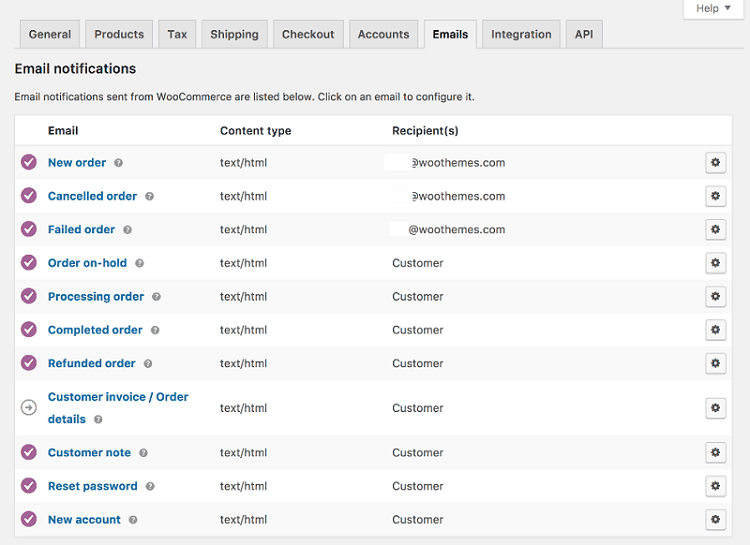
Setting up email marketing in WooCommerce begins with configuring the native transactional settings located in your WordPress admin under WooCommerce > Settings > Emails. While the platform automatically triggers notifications for events like new orders and processing status, relying solely on the default PHP mailer is a technical risk that often leads to deliverability failures. To ensure your messages actually reach the inbox, you must transition from basic server-side sending to a professional infrastructure that supports authentication and behavioral tracking.
- SMTP Configuration: Replace the unreliable default PHP mail function with a dedicated SMTP plugin or an email API. This ensures your emails are sent via authenticated servers using SPF, DKIM, and DMARC records, which significantly reduces the likelihood of your communications being flagged as spam.
- Platform Integration: Connect your store to a specialized email marketing service using a native extension. This allows you to sync customer data, purchase history, and opt-in status in real-time, moving beyond simple notifications to sophisticated marketing workflows.
- Automation Mapping: Identify key customer touchpoints to trigger automated sequences. Start by enabling critical flows such as abandoned cart recovery and post-purchase follow-ups, which utilize the customer data captured during the checkout process to drive incremental revenue.
Once the technical foundation is secure, focus on customizing your templates to mirror your brand identity. Native WooCommerce emails are functional but visually limited; utilizing a third-party tool allows you to inject personality and strategic calls-to-action into every message. By shifting from a “notification” mindset to a data-driven strategy, you transform your transactional touchpoints into a high-performance engine for customer retention and long-term growth.
What are the best WooCommerce email marketing practices for growth?
To transition from basic order notifications to a high-growth revenue engine, WooCommerce merchants must move beyond the default system settings and focus on strategic brand reinforcement. The most critical practice is capitalizing on the high engagement of transactional emails, which boast open rates over 60%, by transforming them from plain-text receipts into branded touchpoints that drive subsequent behavior.
- Brand Alignment and Personalization: Customize your email templates to mirror your store’s visual identity and use dynamic placeholders to address customers by name, which can increase engagement by up to 80% compared to generic messaging.
- Strategic Incentivization: Embed cross-sell recommendations or exclusive discount codes for future purchases within order confirmation and shipping emails to capitalize on peak purchase intent and increase Customer Lifetime Value (LTV).
- Automated Lifecycle Triggers: Implement behavioral sequences, such as abandoned cart recovery and post-purchase follow-ups, to re-engage shoppers automatically without increasing your manual operational overhead.
Implementing these practices ensures that your communication remains relevant to where a customer is in their buying journey. By prioritizing segmentation and automation, you shift your strategy from a batch-and-blast approach to a precision-engineered system that optimizes Average Order Value (AOV) and builds long-term loyalty.
How to use automated emails to increase WooCommerce revenue?
Transforming your WooCommerce store into a revenue-generating engine requires moving beyond basic order notifications toward behavioral automation. While the default WordPress mailer handles transactional basics, high-growth brands leverage event-driven triggers to capture revenue that would otherwise remain untapped. By aligning your email sequences with the specific stages of the customer lifecycle, you ensure that every digital touchpoint serves a strategic purpose in maximizing Customer Lifetime Value (LTV).
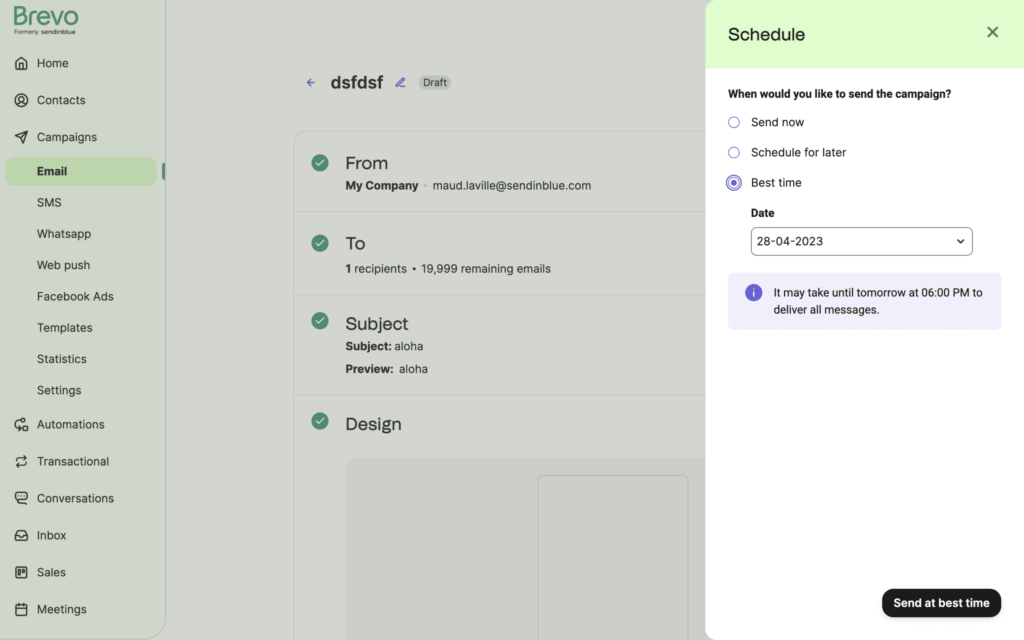
- Abandoned Cart Recovery: Implement a three-tier sequence triggered when a user leaves the checkout flow; start with a gentle reminder within one hour, followed by social proof at 24 hours, and a time-sensitive incentive at 48 hours to recover 10-30% of lost sales.
- Post-Purchase Upselling: Use purchase data to trigger automated cross-sell recommendations within the first week after a transaction, focusing on complementary products that naturally enhance the original purchase to boost average order value by up to 35%.
- Win-Back Campaigns: Identify lapsed customers through RFM (Recency, Frequency, Monetary) analysis and trigger automated re-engagement sequences after 30 to 90 days of inactivity to proactively prevent churn and restore the relationship.
To execute these strategies successfully, prioritize data integrity and deliverability. Transitioning from standard server-side SMTP to a professional email API ensures that your high-intent messages bypass spam filters and reach the inbox with millisecond latency. When your automation is built on a specialized infrastructure, you shift from manual “batch-and-blast” methods to a scalable, data-driven system that responds to real-time customer behavior.
Ready to take your e-commerce to the next level?
While mastering the basics of WooCommerce email marketing is an essential technical foundation, the business reality for high-growth brands is that basic automation is often the silent ceiling on your revenue expansion. If your retention efforts feel like they are stalling despite increasing list sizes, or if you suspect that a lack of sophisticated segmentation is causing you to leave money on the table, you are likely facing a structural data bottleneck rather than a simple creative one. Moving beyond standard order confirmations to a high-performance lifecycle strategy requires a shift from “batch-and-blast” tactics to a synchronized system where CRM, automation, and advanced tracking operate in perfect concert to maximize Customer Lifetime Value (LTV).
We act as a strategic extension of your in-house team, helping DTC brands replace guesswork with precision-engineered eCommerce systems that drive sustainable profitability. Our process begins with rigorous, data-driven and conversion-focused audits designed to identify the exact friction points in your customer journey and eliminate the deliverability gaps that destrói your ROAS. By integrating advanced tracking with privacy-compliant data collection, we ensure your marketing automation performs as a scalable growth engine rather than a manual chore. If you are ready to stop chasing vanity metrics and start building a high-performance communication infrastructure that maximizes every customer touchpoint, book a free consultation today.