






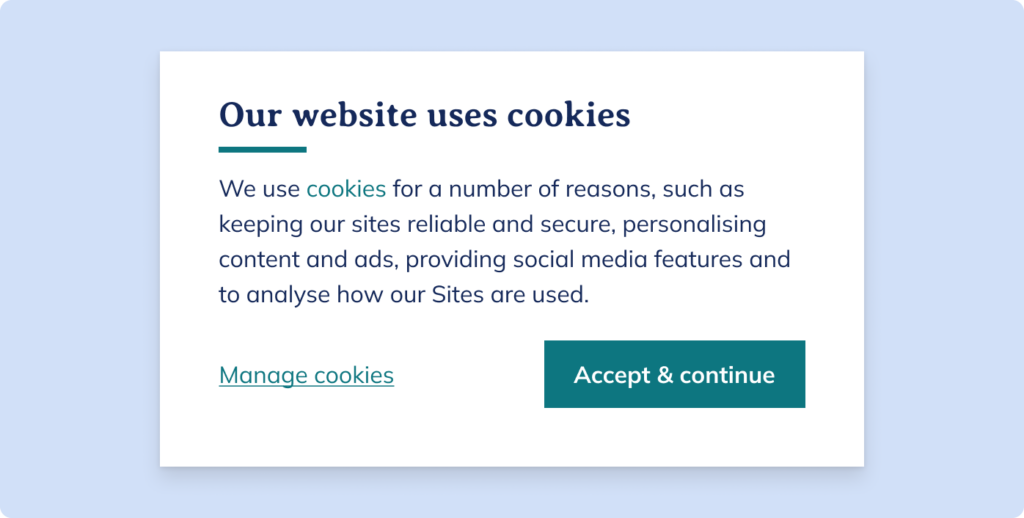
We’ve all been in that frustrating loop: you land on a new website, a cookie popup appears, and after a moment of searching for a clear ‘Reject’ button, you give up, click ‘Accept All,’ and move on. This immediate, high-volume consent might look like a great win for your marketing analytics—a seemingly efficient way to keep the user journey moving and the data flowing. But what if this apparent quick-fix for data collection is actually a deliberate design practice known as a ‘dark pattern’ that is systematically eroding customer trust and creating a massive, hidden compliance liability for your brand?
Ignoring the deceptiveness of these dark patterns is one of the most critical mistakes an eCommerce business can make. It’s a short-sighted strategy that destroys the long-term relationship essential for scalable growth and high Customer Lifetime Value (LTV). The hard reality is that regulators across the globe, from the EU’s GDPR to the US’s CPRA, are now actively targeting these deceptive interfaces, transforming poor user experience into massive financial risk. Understanding how to pivot from these quick, non-compliant tactics to transparent, high-trust consent experiences is the key to unlocking true revenue expansion without facing the devastating cost of a regulatory fine.
How Deceptive Cookie Practices Sabotage Your Email List and SMS ROI
Dark patterns in cookie consent, such as obscuring the ‘Reject’ button or pre-checking preference boxes, are a form of short-sighted data acquisition. While these tactics may momentarily inflate the volume of collected user data, they fundamentally compromise the quality and legality of the consent captured. This ‘false’ consent contaminates the segmentation foundation for your email and SMS programs. When your marketing automation platforms—especially for WooCommerce—act upon data collected without genuine, informed permission, you introduce a high risk of spam complaints, regulatory fines, and inflated, inefficient spend across your lifecycle campaigns.
The direct sabotage of Email List and SMS ROI occurs because you are systematically investing resources into low-intent subscribers. Subscribers who were manipulated into ‘Accept All’ are often highly sensitive to subsequent marketing communication. This results in poor engagement metrics—low open rates, high unsubscribe rates, and high customer acquisition costs (CAC) for no genuine lift in Customer Lifetime Value (LTV). This erosion of sender reputation is a long-term drain, as poor reputation severely limits the deliverability of all your email and SMS campaigns, even to your most loyal, high-value customer segments.
To transition from revenue-sapping friction to a compliant, high-ROI consent strategy, WooCommerce merchants must prioritize explicit, unambiguous consent. This means treating your cookie banner as a trust-building touchpoint, not a conversion blocker. Focus on the following tactical shifts to sanitize your data stream:
- Consent Visibility: Ensure the ‘Accept All’ and ‘Reject All’ options have equal prominence and visual weight on the first layer of the cookie banner, eliminating the ‘no clear reject’ dark pattern.
- Strict Pre-Consent Blocking: Configure your Consent Management Platform (CMP) to technically block all non-essential marketing, analytics, and personalization cookies until the user has actively provided explicit consent.
- List Re-Qualification: For any subscriber segments acquired under non-compliant banner designs, deploy a high-value, transparent re-confirmation campaign to secure fresh, explicit opt-in for email and SMS, purging any segments that do not re-qualify to protect your overall sender health.
The True Revenue Cost of Blindly Forcing ‘Accept All’ on Your Customers
The short-term spike in tracking consent achieved by deploying ‘dark patterns’—such as concealing the ‘Reject’ button or using confusing preference screens—creates a fundamentally brittle and misleading data pipeline for your WooCommerce operation. The true revenue cost is not simply the risk of regulatory fines under GDPR or CPRA, but the immediate and measurable erosion of Customer Lifetime Value (LTV). Customers who feel manipulated, or who are forced to consent against their will, convert from a potential loyal buyer into a wary, high-churn visitor. This intentional friction directly violates the principle of informed and freely given consent, transforming what should be a transparent trust exchange into an adversarial interaction at the very first touchpoint.
This loss of trust translates into material financial decay across the customer lifecycle, making the data collected unreliable and expensive:
- LTV Erosion: The most significant long-term cost. Visitors who feel tricked have a dramatically lower probability of returning for a second purchase and are far less likely to become brand advocates, thereby capping their LTV at the initial transaction margin.
- Increased Abandonment: Users who cannot easily find a ‘Reject’ button or who are frustrated by the consent flow are more likely to abandon the session entirely, inflating bounce and exit rates before they even reach a product page.
- Negative Brand Equity: Aggressive consent tactics generate word-of-mouth distrust and negative sentiment. This necessitates higher future Customer Acquisition Costs (CAC) to offset the damaged reputation and lure wary customers back.
For WooCommerce merchants, mitigating this cost requires a strategic shift from viewing compliance as a hurdle to compliance as a competitive differentiator. Ensure your Consent Management Platform (CMP) is configured to offer a clear, symmetrical choice on the first layer—’Accept All’ and ‘Reject All’ must be equally prominent. By prioritizing user autonomy, you are filtering for high-quality, high-trust data subjects whose consent is genuinely valuable for accurate marketing attribution and personalization, ensuring that the data you collect reliably contributes to scalable revenue, rather than misleading volume.
Automating GDPR/CCPA Compliance: A Strategic Growth Play for WooCommerce
For a WooCommerce operation, shifting the perspective on GDPR and CCPA compliance from a legal necessity to a strategic growth play hinges entirely on automation and transparency. Manual consent management and the use of deceptive “dark patterns,” such as pre-checked boxes or hidden reject buttons, result in user friction, high abandonment rates, and crucially, non-compliant, low-quality data. By implementing a sophisticated, automated Consent Management Platform (CMP), you are building a highly trustworthy site infrastructure. This trust translates directly into higher-quality opt-in data for remarketing channels like Klaviyo and SMS, ensuring the segments you target are both legally clean and highly engaged. The strategic advantage lies in the dynamic adjustment of the customer experience based on consent signals—serving a compliant experience while ensuring minimal disruption to high-value conversions by immediately and correctly filtering data.
- Geo-Targeted Consent Logic: Automatically display a full GDPR-compliant consent banner (requiring explicit opt-in) for users within the EU/UK, but switch to a CCPA “Do Not Sell” link (opt-out model) for California users. This ensures compliance without applying unnecessary friction to all global visitors.
- Pre-Consent Script Blocking: Integrate a script blocker that automatically delays the loading of all non-essential, tracking-related scripts (e.g., Facebook Pixel, Google Analytics, advertising tags) until the user provides explicit, informed consent for each cookie category.
- Consent Synchronization with CRM: Implement automated, real-time syncing of user consent status with your email and SMS marketing platforms. If a user withdraws consent via the banner’s preference center, their profile must be instantly flagged or suppressed from all non-compliant marketing sequences, reducing regulatory risk and improving list hygiene.
By automating these compliance measures, you transform a potential liability into a mechanism for generating higher-quality, verifiable consent. This clean data is the bedrock of a scalable, profitable marketing strategy for any serious WooCommerce store, effectively shifting your focus from compliance anxiety to optimized conversion flows and long-term LTV growth.
Stop Trading Trust for Data: The Long-Term LTV Penalty of Dark Patterns
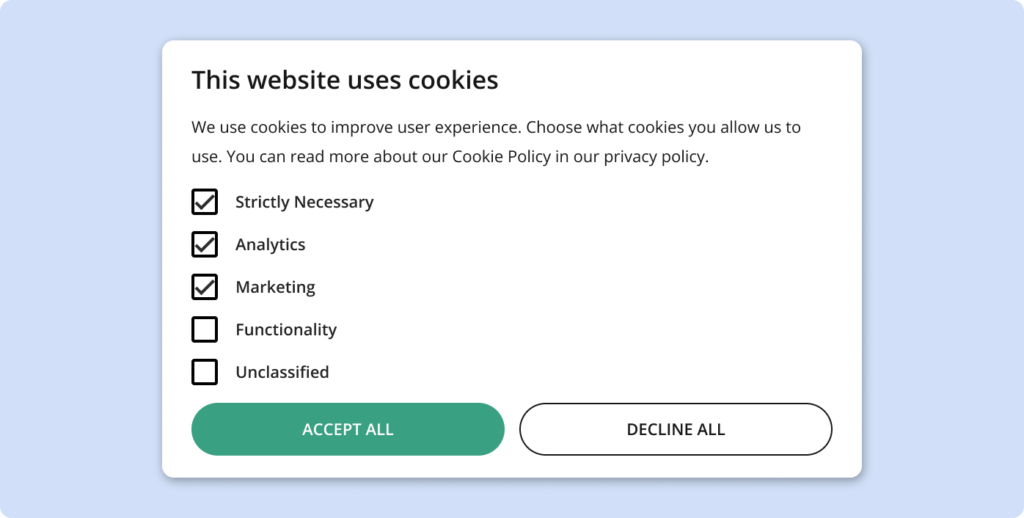
Dark patterns in cookie consent operate on a short-sighted exchange: a quick surge in consent rates for a massive, unquantifiable decline in customer trust. For a WooCommerce store, this translates directly into a long-term Customer Lifetime Value (LTV) penalty. When users feel tricked into an ‘Accept All’ decision—due to a hidden ‘Reject’ button, pre-checked categories, or confusing language—the integrity of the initial data point is compromised. More critically, the user experience is fractured, resulting in a subconscious but definitive drop in brand affinity. This friction is highly correlated with lower repeat purchase rates and reduced Average Order Value (AOV) over time, as manipulated customers are unwilling to commit further to a brand they perceive as unethical or manipulative.
The strategic imperative for LTV growth is to move past volume-based data collection (blindly chasing 100% consent) toward value-based data collection (seeking high-quality, informed consent). Implementing truly compliant and transparent consent flows is not merely a legal checkbox; it’s a conversion optimization tactic. Transparency builds psychological safety, which is the bedrock for repeat business and customer advocacy. To facilitate this pivot, focus on the following foundational changes:
- Symmetrical Design: Ensure the “Accept All” and “Reject All” options are visually symmetrical in size, color, and placement on the primary banner layer. Avoid deceptive practices like link-based reject options or button shadowing to push the user toward acceptance.
- Pre-emptive Disclosure: Clearly and concisely state the core purpose of the cookies (e.g., personalization for better product recommendations) directly on the banner. This frames the consent as a value exchange, not a demand.
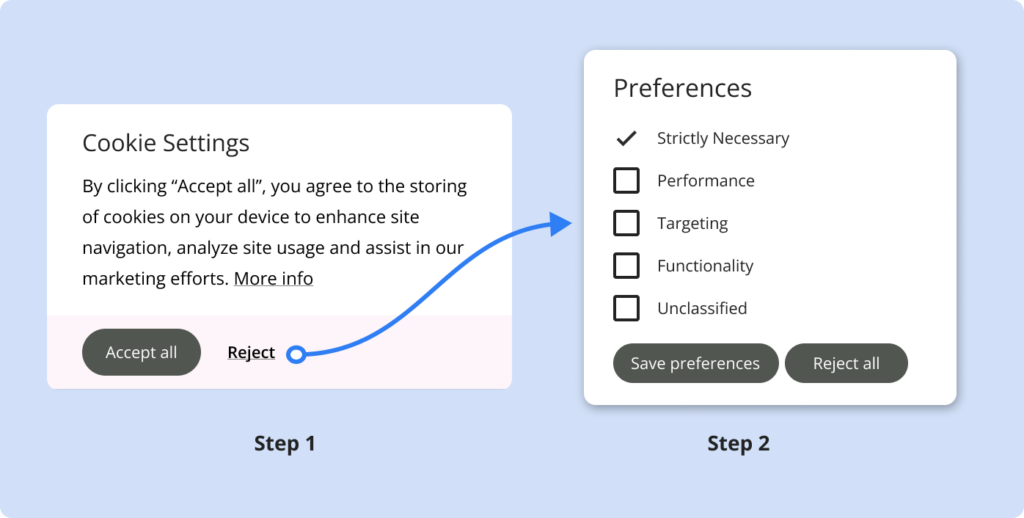
- One-Click Opt-Out: For global compliance, particularly with CCPA/CPRA, ensure the “Do Not Sell My Personal Information” link is a friction-free, one-click mechanism that is immediately accessible without requiring the user to navigate a multi-layered preference center.
In the WooCommerce ecosystem, where competition for repeat business is fierce, LTV is inherently tied to user experience. Trading a short-term, low-quality data gain from a dark pattern for the systemic loss of trust is a profit-limiting error. By making your cookie consent a transparent, user-empowering touchpoint, you convert a regulatory necessity into a competitive advantage that secures the most valuable asset: genuinely engaged, profitable customer relationships.
Turning Consent Transparency into a High-Converting Customer Touchpoint
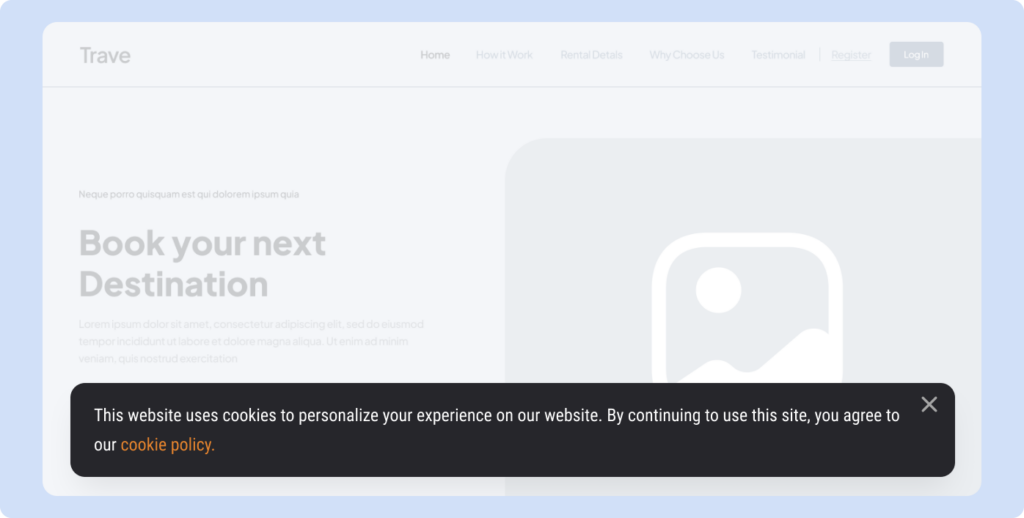
The cookie consent banner should be viewed by a modern WooCommerce consultant not as a necessary legal evil, but as the very first interactive point in your conversion funnel. Dark patterns exploit short-term compliance for immediate, low-quality data, inevitably leading to customer distrust, regulatory risk, and high-friction sales cycles. Turning consent into a high-converting touchpoint requires a strategic pivot: leveraging crystal-clear transparency to establish a foundation of trust that reduces cognitive load and friction for the user, priming them for engagement deeper within your store.
By prioritizing user experience and compliance simultaneously, the consent process transforms from an obstructive legal gate to a validation mechanism for the customer relationship. This compliance-as-trust methodology ensures that the data you collect is high-quality, legally robust, and linked to a user who has initiated the relationship on their terms. This approach offers significant, measurable improvements over the low-quality, high-churn data harvested by deceptive methods.
- Equal Choice Design: Ensure that the “Accept All” and “Reject All” buttons on the first layer of the banner are visually and positionally symmetrical. This eliminates the dark pattern of the ‘Accept’ button being more prominent, immediately validating the user’s right to choice and boosting initial trust.
- <strong>Clear Taxonomy & Description: Do not use technical jargon in the cookie settings panel. Clearly define cookie categories—like ‘Performance & Analytics’ or ‘Marketing’—and provide a simple, human-readable explanation of what each category tracks. Transparency reduces user anxiety and accelerates decision-making.
- <strong>Seamless Brand Integration: Customize the banner’s design elements (color, font, and tone of voice) to perfectly align with your existing WooCommerce theme. A banner that looks and feels like a natural part of your brand, rather than a generic pop-up, significantly lowers the perceived invasiveness and boosts acceptance rates by reinforcing brand integrity.
Ready to take your e-commerce to the next level?
If the data streams feeding your marketing automation feel brittle, or if you suspect the volume of ‘Accept All’ clicks on your WooCommerce store is masking a deeper problem of customer distrust, the issue is not the regulation—it is a flawed, short-term data strategy. The deployment of dark patterns is a short-sighted exchange: a momentary surge in tracking consent for a massive, unquantifiable decline in Customer Lifetime Value (LTV). By prioritizing high-volume, low-quality data acquired through manipulation, you are actively eroding price integrity and conditioning your customer base to view your brand as untrustworthy, which directly restricts your scalable growth and profitability ceiling.
Sustainable, profitable growth in the privacy-first era requires moving beyond deceptive tactics and implementing an integrated, data-driven system where consent is a foundational conversion signal, not a legal loophole. We act as an extension of your in-house team, specializing in engineering the complex interplay between your advanced tracking, consent management, CRM, and paid media to build a truly ethical and high-LTV data foundation. Stop trading customer trust for fleeting data points. The first step to transforming compliance into a scalable growth play is an objective assessment. Schedule one of our data-driven & conversion-focused audits today to pinpoint precisely where your consent flows are sabotaging your LTV and receive a clear, actionable blueprint for maximizing long-term profit.