






We’ve all heard the mantra that aggressive list building is the only path to rapid eCommerce revenue expansion, leading many brands to believe that as long as they have an email address, they have the right to use it. But what if this disregard for explicit consent is actually acting as a silent ceiling on your growth? For high-growth businesses, the hidden cost of inaction regarding privacy compliance is not just a legal risk under GDPR and CCPA, but a structural deliverability gap that destróis Customer Lifetime Value (LTV) by burying your messages in spam folders and destroying brand trust at the very first touchpoint.
The hard reality is that playing fast and loose with data collection in 2026 is a recipe for diminishing returns and terminal list fatigue. Understanding the fundamental mechanics of Opt-In versus Opt-Out is no longer a back-office legal concern; it is a strategic necessity for any growth consultant aiming to build a scalable, high-performance communication engine. This guide breaks down the essential definitions and compliance best practices you need to shift from passive data collection to affirmative user consent, ensuring your marketing infrastructure fuels sustainable engagement rather than costly litigation.
What is the difference between opt-in and opt-out consent?
The fundamental difference between opt-in and opt-out consent lies in the default state of data processing and the specific action required from the user to establish a lawful basis for communication. For WooCommerce merchants, understanding this distinction is a matter of both technical architecture and legal risk management. While one model treats privacy as the default setting, the other assumes engagement until a restriction is applied by the consumer.
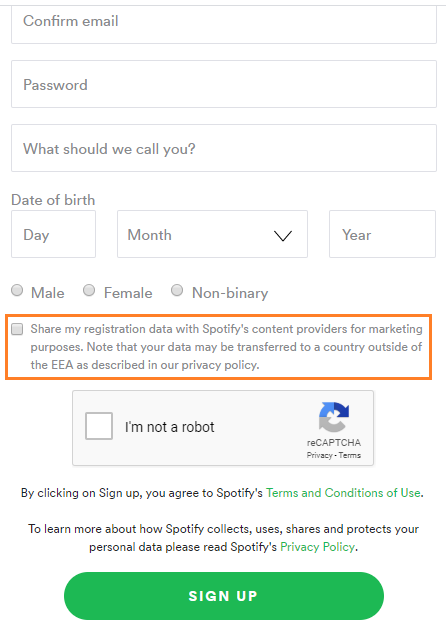
- Opt-In Consent: Requires a proactive, affirmative action from the user—such as checking an empty box or clicking an ‘Accept’ button—before any data collection or marketing begins. This model is the cornerstone of strict regulations like the GDPR, where silence or inactivity does not constitute valid permission.
- Opt-Out Consent: Operates on an ‘agreement by default’ basis, allowing businesses to collect data or enroll users in marketing lists unless the individual takes a specific action to decline. This model is more prevalent in U.S. frameworks like the CCPA/CPRA, which emphasize the consumer’s right to stop the sale or sharing of their information after the fact.
From a growth perspective, while opt-out models typically yield larger initial audience sizes due to lower friction, opt-in strategies generally produce higher-quality data and more engaged subscriber lists. For high-growth eCommerce brands, the strategic reality is that relying on the wrong model can lead to significant deliverability issues or severe regulatory penalties, making it essential to implement a hybrid infrastructure that adjusts based on the visitor’s geographic location and the sensitivity of the data being processed.
Why is opt-in consent required for GDPR compliance in WooCommerce?
For high-growth WooCommerce stores, the transition from passive data collection to an active opt-in model is not merely a legal formality but a structural requirement for scaling within the EU market. Under the GDPR, valid consent must be a clear affirmative action, meaning that silence, pre-ticked boxes, or inactivity within your checkout or registration flows do not constitute legal permission. Relying on an opt-out strategy for marketing communications exposes your brand to significant regulatory risk and destróis the trust-based foundation necessary for high Customer Lifetime Value (LTV).
- Active Affirmation: WooCommerce merchants must ensure that checkboxes for newsletters or tracking are unchecked by default, requiring the user to take a deliberate physical action to signify agreement.
- Granular Specificity: Consent must be unbundled from general terms and conditions, allowing customers to choose specifically which data processing activities—such as email marketing, SMS alerts, or third-party analytics—they wish to authorize.
- Verifiable Documentation: Unlike the opt-out model, an opt-in framework provides a clear audit trail, allowing your store to demonstrate exactly when and how a user consented, which is a core requirement of the GDPR’s accountability principle.
Implementing a rigorous opt-in strategy also functions as a high-intent filter for your marketing database. By ensuring that every subscriber has actively chosen to hear from your brand, you significantly reduce spam complaints and improve your sender reputation with major ISPs. In the context of eCommerce growth, a smaller, highly engaged list of consented users is far more valuable than a massive, unauthenticated list that risks domain blacklisting and legal penalties.
How to implement an opt-in strategy for email marketing growth?
Implementing a successful opt-in strategy for a WooCommerce store requires a shift from passive collection to active engagement. To drive sustainable growth while maintaining compliance, you must move beyond simple checkboxes and focus on creating a value-driven exchange. By clearly articulating the benefit of the subscription and ensuring the technical implementation is seamless, you transform a legal hurdle into a high-leverage acquisition channel that prioritizes list quality over raw volume.
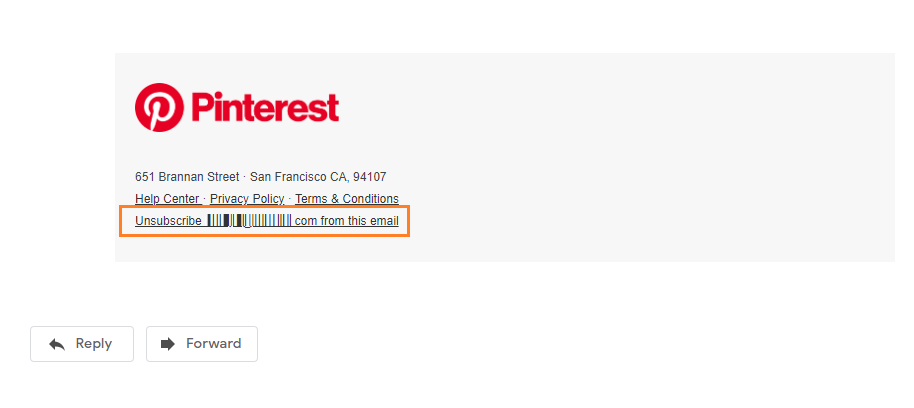
- Double Opt-In Verification: Deploy a two-step confirmation process where subscribers must verify their email address via a follow-up message. This filters out bots and invalid addresses, significantly improving your sender reputation and ensuring your marketing budget is spent on engaged, high-intent leads.
- Explicit and Unbundled Consent: Ensure that your opt-in checkboxes at checkout or on landing pages are not pre-checked and are physically separate from your terms and conditions. This clarity reduces user friction and ensures that every subscriber has made an unambiguous choice to receive your communications.
- Preference-Based Segmentation: Use the initial opt-in moment to collect minimal but high-impact data, such as product interests or email frequency preferences. Allowing users to control the cadence and relevance of their emails from the start drastically reduces future unsubscribe rates and increases long-term customer lifetime value.
By grounding your growth strategy in these permission-based principles, you build a foundation of trust that inbox providers reward with higher deliverability rates. For high-growth WooCommerce brands, the business reality is that a smaller, fully opted-in list will consistently outperform a larger, forced-consent database by generating fewer spam complaints and higher conversion signals.
When should eCommerce stores use opt-out models for data collection?
For high-growth WooCommerce brands, the strategic application of opt-out models is largely dictated by the geographic location of the customer base and the specific nature of the data being processed. While stricter regimes like the GDPR mandate explicit opt-in for almost all tracking, many U.S. state laws, such as the CCPA, allow for a “proceed unless stopped” approach for non-sensitive data. Implementing an opt-out model can significantly reduce friction in the user journey, allowing for immediate data collection that powers real-time personalization and cart recovery efforts without requiring a proactive click from the user.
- U.S.-Based Operations: In many U.S. jurisdictions, you can activate tracking and data collection by default, provided you offer a clear and accessible way for users to decline, such as a “Do Not Sell or Share My Personal Information” link.
- Low-Risk Business Operations: Opt-out is generally appropriate for essential technical functions, such as performance analytics, basic site metrics, and user interface preferences that improve the shopping experience without identifying specific individuals.
- Standard Transactional Communications: Critical service updates, shipping notifications, and order confirmations often fall under a legitimate interest or contractual necessity, allowing you to send these messages without a prior marketing opt-in.
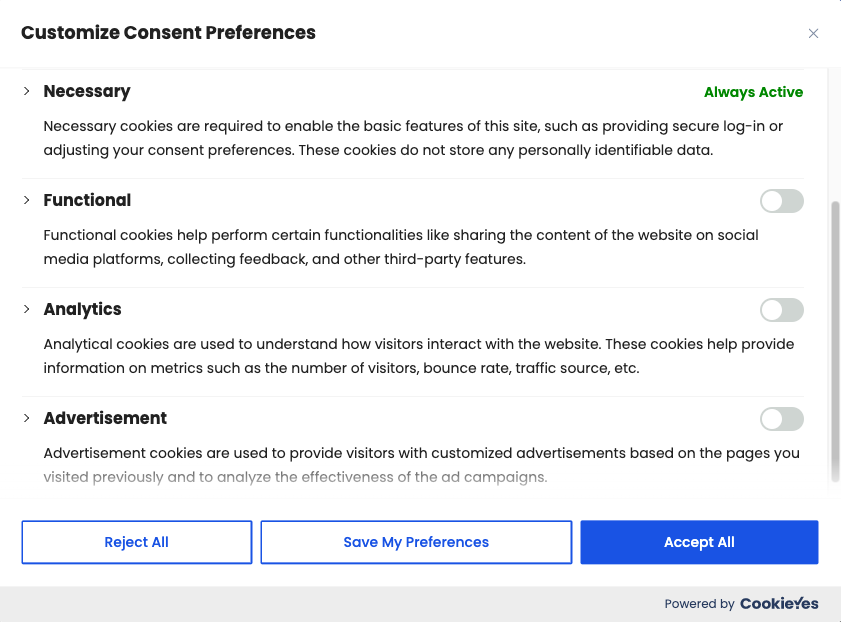
However, relying on opt-out models requires a sophisticated technical infrastructure to ensure that a user’s decision to withdraw is honored instantly across all systems. For a WooCommerce store, this means ensuring that your consent management platform (CMP) is deeply integrated with your marketing automation tools and CRM. Failing to synchronize an opt-out request can lead to costly compliance violations and a rapid erosion of customer trust, which is far more expensive to recover than the cost of a lead lost through a stricter opt-in process.
How do you automate WooCommerce consent management to increase revenue?
Automating consent management in WooCommerce is no longer just a defensive legal maneuver; it is a strategic optimization that preserves your marketing reach while minimizing manual overhead. By integrating a Consent Management Platform (CMP) directly with your WooCommerce checkout and registration hooks, you can ensure that user preferences are dynamically synced across your entire marketing stack. This technical synchronization prevents “consent gaps” where high-intent users are lost to your retargeting or email workflows simply because their permission status wasn’t programmatically captured at the moment of peak engagement.
To maximize revenue through automated compliance, focus on these core integration strategies:
- Dynamic Geo-Targeting: Automate the display of opt-in checkboxes based on the user’s IP address, ensuring strict GDPR compliance for EU visitors while utilizing more frictionless opt-out models for regions with less restrictive privacy laws.
- Behavioral Trigger Syncing: Use webhooks to automatically update your CRM or email service provider the moment a user modifies their consent settings in their WooCommerce “My Account” area, ensuring your automated recovery sequences remain compliant and uninterrupted.
- Zero-Party Data Enrichment: Transform diretrizry consent checkpoints into value-exchange opportunities by automating the delivery of a one-time discount code via your welcome sequence immediately following a verified double opt-in.
By moving beyond static legal pages and into an automated, data-driven consent workflow, you reduce the risk of costly DSAR fulfillment expenses—which can average $1,400 per request—while building the high-quality, permission-based list necessary for sustainable LTV growth. This infrastructure ensures that your scaling efforts are built on a foundation of trust and technical resilience, rather than fragile, non-compliant data collection methods.
Ready to take your e-commerce to the next level?
While mastering the technical distinctions between opt-in and opt-out models is essential for regulatory compliance, the business reality for high-growth WooCommerce brands is that consent is more than a legal checkbox—it is the foundation of your data sovereignty. If your retention efforts feel like they are stalling despite a growing database, or if you suspect that poor consent management is eroding customer trust and deliverability, you are facing a structural barrier to scale. Relying on passive or unoptimized consent flows is a direct compromise of your Customer Lifetime Value (LTV), as it prevents you from building the high-intent, zero-party data segments necessary for precise, revenue-driving automation.
To move beyond basic compliance and transform your data collection into a competitive advantage, you need a partner that integrates privacy-compliant consent with a high-performance growth strategy. We act as an extension of your in-house team, helping DTC brands maximize Profit, Retention, and LTV through data-driven systems where tracking, CRM, and paid media operate in perfect concert. Our process begins with rigorous, conversion-focused audits to eliminate guesswork and identify the exact technical bottlenecks in your customer journey. If you are ready to build a scalable, privacy-first infrastructure that maximizes ROAS and long-term growth, book a free marketing automation audit today.