






Many eCommerce brands view social media integration as a simple matter of aesthetic engagement—adding like buttons and share widgets to boost social proof. This hands-off approach masks a massive, hidden cost in the form of unmanaged third-party tracking that quietly destróis your brand integrity and contaminates your first-party data. By treating social media cookies as a set-it-and-forget-it feature, you are essentially allowing global platforms to extract valuable customer behavioral data from your storefront without a clear value exchange, leading to a long-term decline in Customer Lifetime Value (LTV) and unpredictable ROAS on your paid social campaigns.
The reality is that every Facebook login or LinkedIn share button acts as a high-powered data pipeline, and if these trackers are not properly audited and communicated through your consent flow, you are leaving significant revenue on the table. For a high-growth brand, mastering the transparency behind these cookies is the key to building an ethical data moat that supercharges your email and SMS marketing. This guide pulls back the curtain on how social media cookies really operate, showing you how to transform these hidden trackers into transparent trust touchpoints that protect your customer relationships and fuel sustainable revenue expansion.
How Social Media Cookies Automate Retargeting for WooCommerce
For WooCommerce store owners, social media cookies act as the technical bridge between on-site browsing behavior and off-site re-engagement. When a visitor interacts with a product or abandons a cart, these third-party trackers capture specific intent signals and transmit them to platforms like Meta or LinkedIn. This process automates the creation of “Custom Audiences,” allowing your store to serve highly relevant ads without manual data exports or list building.
To maximize the efficiency of your WooCommerce retargeting, these cookies facilitate several automated growth levers that directly impact your return on ad spend (ROAS):
- Dynamic Product Remarketing: Automatically displays the exact SKU or category a user viewed on your site within their social feed, drastically reducing the friction to return and complete a purchase.
- Conversion Attribution: Links specific social ad interactions to completed WooCommerce orders, providing the granular data needed to optimize bidding strategies in real-time.
- Lookalike Audience Seeding: Uses cookie-captured data from your highest-value customers to help social algorithms identify and target new prospects with similar purchasing profiles.
While these cookies drive significant revenue automation, their efficacy is increasingly tied to technical accuracy and privacy compliance. Implementing these trackers via a robust Consent Management Platform ensures that the data handshake between WooCommerce and social networks remains active and legally sound, preventing the signal loss that often cripples unoptimized retargeting campaigns.
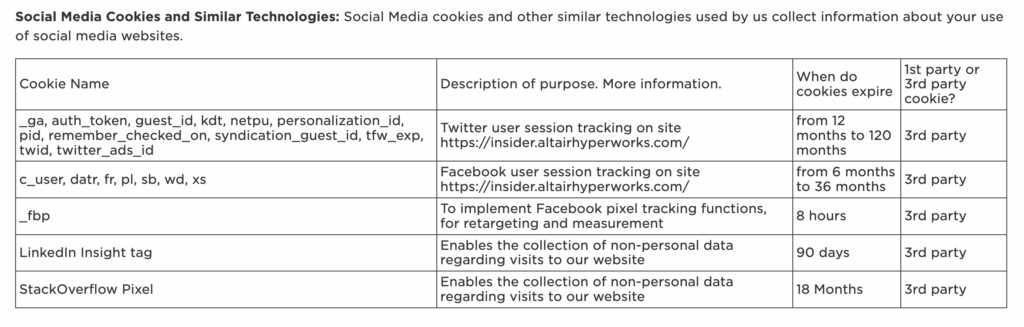
Scaling Revenue with Facebook and LinkedIn Pixel Integration
Integrating Facebook and LinkedIn pixels into your WooCommerce store transforms passive social media cookies into active revenue drivers. These scripts act as a bridge, allowing the platforms to identify exactly which users are performing high-value actions like adding items to a cart or completing a checkout. By mapping these browser-level events to specific user profiles, you enable sophisticated retargeting campaigns that keep your brand top-of-mind for visitors who didn’t convert on their first visit.
To effectively scale revenue, your integration must move beyond basic page-view tracking and focus on granular event data. This ensures the ad algorithms have enough signal to optimize for actual conversions rather than just clicks. Implement these essential technical configurations to maximize your ROI:
- Standard Event Mapping: Ensure your WooCommerce setup sends detailed metadata—such as product IDs and order values—to the pixel, which allows for precise ROAS calculation and Dynamic Product Ads.
- Server-Side Conversion API (CAPI): Implement server-to-server tracking to supplement browser-side cookies, ensuring data accuracy in the face of ad blockers and browser privacy restrictions like ITP.
- Custom Audience Segmentation: Use the tracked data to build high-intent segments, such as “cart abandoners from the last 7 days,” which typically yield the highest conversion rates at the lowest acquisition cost.
The ultimate goal of pixel integration is the creation of high-performing Lookalike Audiences. By feeding the pixel clean, consented data from your existing customers, you allow Facebook and LinkedIn to find new prospects with similar behavioral profiles, effectively automating the discovery of your next high-value customers while lowering your overall customer acquisition cost.
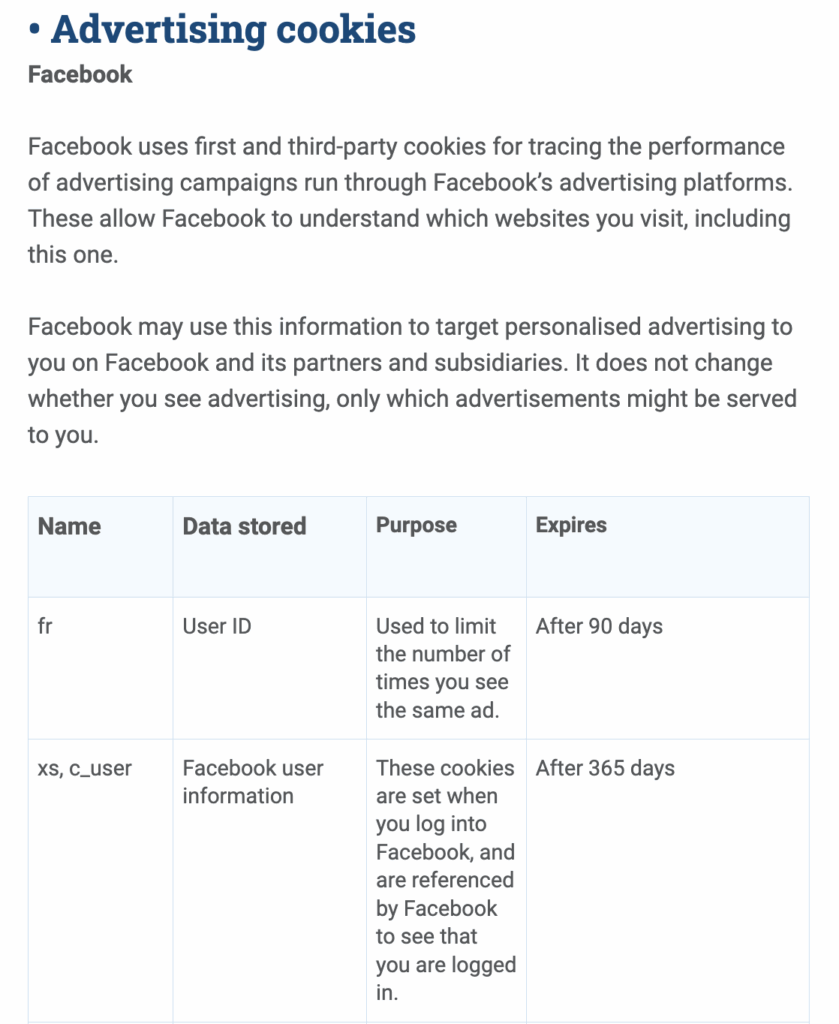
Protecting Customer LTV Through Transparent Social Data Tracking
In the WooCommerce ecosystem, Customer Lifetime Value (LTV) is often compromised by a lack of transparency in how social media cookies are deployed. When shoppers encounter aggressive retargeting without clear consent, it destróis the brand trust necessary for repeat purchases. By implementing transparent social data tracking, merchants can preserve the integrity of the customer relationship, ensuring that the data gathered by Facebook, LinkedIn, or Pinterest pixels is used to enhance the user journey rather than interrupt it with perceived privacy violations.
To protect LTV while maintaining effective social marketing, WooCommerce stores must move beyond passive compliance to a proactive communication strategy. This involves clearly identifying which social trackers are active and providing users with the agency to control them. Actionable steps for protecting LTV through transparency include:
- Granular Social Opt-In: Separate social media cookies from functional cookies in your consent manager, allowing users to opt-out of social tracking without losing site functionality, which preserves the user experience.
- Pixel Transparency: Explicitly list the specific social platforms currently tracking data in your privacy center, explaining how this data facilitates personalized offers and reduces irrelevant ad fatigue for the customer.
- First-Party Data Shift: Use transparent social tracking as a bridge to collect consented first-party data; when users trust your tracking methods, they are more likely to engage with high-value conversion points like newsletter signups or loyalty programs.
Ultimately, a transparent approach to social media cookies transforms tracking from a hidden liability into a trust-driven growth asset. When customers feel empowered by their data choices, they exhibit higher brand affinity, leading to increased retention rates and more predictable long-term revenue. This strategic alignment between privacy and personalization is what allows a WooCommerce brand to scale sustainably in an increasingly privacy-conscious market.

Boosting Email and SMS ROI via Consent-Based Social Insights
Integrating social media cookie data with your WooCommerce store’s email and SMS strategy allows for a high-precision approach to customer retention. By capturing consent-based insights from third-party trackers, you can bridge the gap between anonymous social browsing and identified subscriber profiles. This synchronization ensures that your automated flows in platforms like Klaviyo are triggered by real-world social engagement signals, significantly reducing wasted ad spend and increasing the relevance of every message sent.
To maximize the ROI of these cross-channel efforts, focus on converting social tracking signals into actionable segmentation criteria within your marketing stack:
- Social-Triggered Abandonment Flows: Use pixel data to identify subscribers who engaged with specific social ads but didn’t convert, triggering a personalized SMS follow-up that references the product category they viewed.
- Custom Audience Refinement: Synchronize your email list with social platforms to exclude active subscribers from top-of-funnel awareness ads, reallocating that budget toward high-intent retargeting for users who have already provided cookie consent.
- Lookalike Modeling from High-LTV Segments: Leverage the behavioral data collected via social cookies from your most loyal email and SMS subscribers to build more accurate ‘seed’ audiences for Facebook and LinkedIn prospecting.
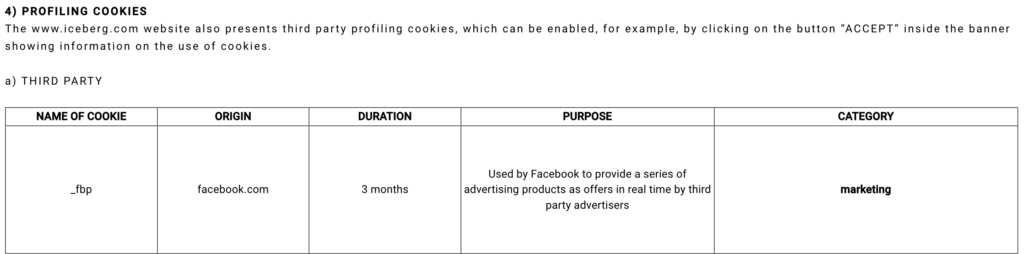
Turning Third-Party Trackers into a Trust-Driven Growth Strategy
For a WooCommerce store, the strategic value of social media cookies lies in the transition from invasive tracking to a transparent value exchange. By moving away from “shadow tracking” and toward a consent-first model, you transform the Facebook or LinkedIn pixel from a potential privacy liability into a tool for high-precision personalization. The goal is to use these trackers to decrease marketing noise for the consumer, ensuring that retargeting efforts are relevant and helpful rather than repetitive and intrusive.
- Value-Based Retargeting: Use social cookie data to serve dynamic ads that solve specific friction points discovered during the browsing session, such as offering a guide related to a viewed product category rather than just a generic discount code.
- Granular Consent Toggling: Implement a consent management framework that allows users to specifically opt-in to “Marketing and Social Media” cookies while still allowing functional site elements, building immediate brand authority through transparency.
- First-Party Data Enrichment: Leverage social insights to identify high-intent audience segments, allowing you to allocate your ad spend toward users who have already signaled a high Customer Lifetime Value (LTV) through specific on-site social interactions.
Technically, this strategy requires a robust synchronization between your WooCommerce backend and your social pixels. By automating the blocking of these trackers until explicit consent is granted, you mitigate the risk of regulatory fines while simultaneously signaling to your customers that you prioritize their data sovereignty. This “trust-driven” approach ultimately results in higher quality data streams, as the users who do opt-in are statistically more likely to engage with your brand long-term.
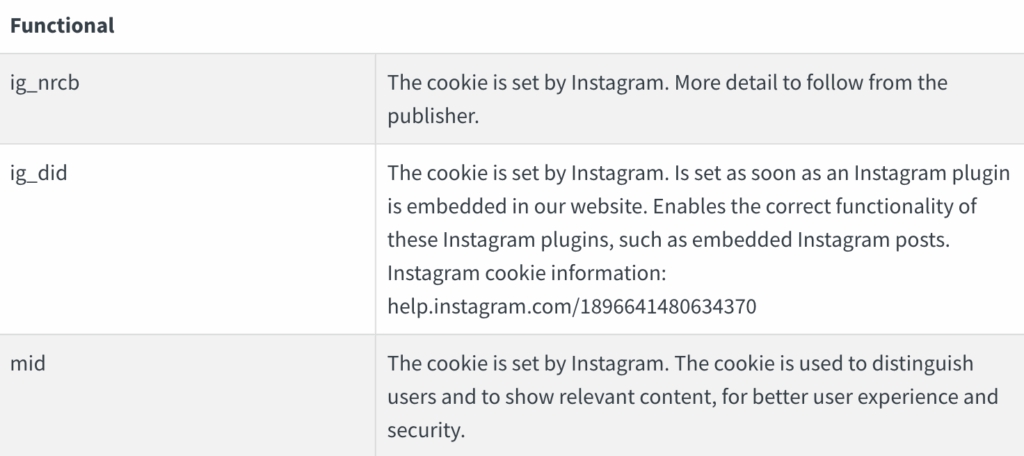
Ready to take your e-commerce to the next level?
If your social media retargeting efforts feel like they are burning through your ad spend with diminishing returns, or if you suspect your tracking is masking a fundamental loss of high-intent customer data, the issue is rarely the platforms themselves—it is the integrity of your data infrastructure. Managing social media cookies is not merely a technical checkbox; it is a strategic imperative to ensure that every Facebook pixel event and LinkedIn conversion signal translates into measurable profit rather than just vanity metrics. Without a privacy-compliant, automated system that bridges the gap between third-party trackers and your WooCommerce CRM, you are effectively building your growth strategy on a foundation of unstable, low-quality data that destróis Customer Lifetime Value (LTV) and compromises long-term ROAS.
Maximizing eCommerce revenue in a post-cookie landscape requires a sophisticated alignment of advanced tracking, consent management, and lifecycle automation. We act as an extension of your in-house team, specializing in engineering data-driven systems where paid media and CRM work together to capture and leverage every interaction for maximum profitability. If you are ready to move beyond guesswork and want to see exactly how your current tracking architecture is limiting your scalability, the first step is a clinical evaluation of your ecosystem. Book one of our data-driven & conversion-focused audits today to receive a clear, actionable blueprint for optimizing your data collection for sustainable growth.