






Many eCommerce brands operate under the comforting illusion that a simple cookie banner is a sufficient shield for their digital storefront, believing that a generic pop-up is all it takes to satisfy global privacy standards. But what if this surface-level approach to compliance is actually acting as a silent ceiling on your revenue expansion? For high-growth businesses, the hidden cost of inaction lies in the growing disconnect between basic cookie notices and detailed policies, which leaves massive amounts of money on the table by eroding customer trust and inviting devastating legal liabilities that can stall your scaling efforts overnight.
The hard reality is that a performative cookie notice without a robust, integrated cookie policy cannot support the sophisticated, data-driven strategies required to maximize Customer Lifetime Value (LTV) in today’s privacy-first economy. Transitioning from a basic checkbox to a comprehensive compliance framework is not just a legal requirement; it is a strategic necessity that ensures your marketing automation and tracking pixels function within a baseline of consumer trust. This guide breaks down the critical distinctions between a cookie notice and a cookie policy, helping you eliminate technical debt and secure the infrastructure needed for sustainable, long-term growth.
What is the difference between a cookie notice and a cookie policy?
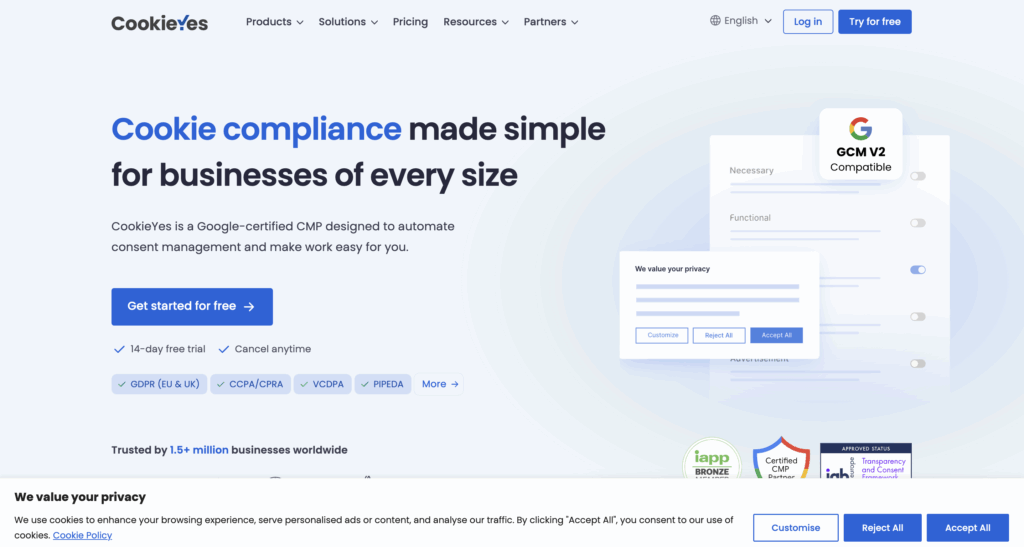
Understanding the distinction between a cookie notice and a cookie policy is fundamental for any WooCommerce merchant aiming for global scalability. While they are often conflated, they serve as the two distinct layers of your compliance architecture: the notice acts as the active point of consent, while the policy serves as the comprehensive legal disclosure. For a high-growth store, the notice is your front-line interface that manages user intent, whereas the policy is the technical inventory that justifies your data processing activities to regulators.
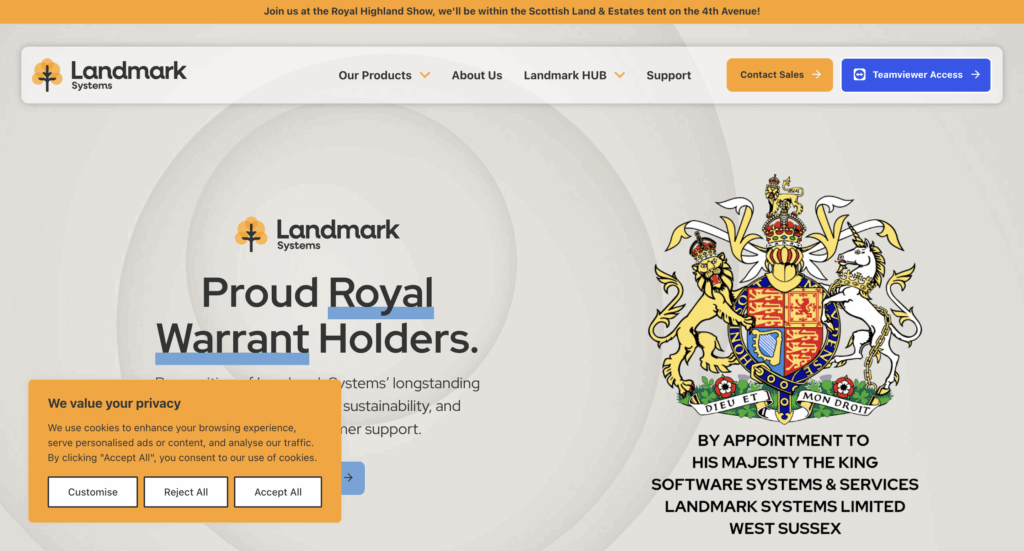
- Cookie Notice (The Interaction Layer): This is the dynamic banner or pop-up that appears upon a user’s first visit. Its primary function is to block non-essential scripts—like Facebook pixels or Google Analytics—until the user provides explicit, informed consent. It provides immediate, granular choices to accept, reject, or customize tracking preferences.
- Cookie Policy (The Information Layer): This is a static, persistent document that provides an exhaustive audit of every cookie active on your site. It must detail the specific purpose of each tracker, its duration (session vs. persistent), and whether it is a first-party or third-party cookie. Crucially, it must also provide clear instructions on how users can withdraw consent at any time.
From a growth perspective, maintaining this dual structure is not just about avoiding heavy GDPR or CCPA fines; it is about building brand equity through transparency. A well-configured cookie notice reduces friction by offering clear choices, while a detailed cookie policy provides the “paper trail” necessary to match your consent logs during a privacy audit. Failing to separate these functions often leads to “consent fatigue” or technical bottlenecks where non-essential tracking scripts fire before a user has even had the chance to interact with your notice.
Why does your WooCommerce store need both a cookie notice and policy?
For high-growth WooCommerce stores, the distinction between a cookie notice and a cookie policy is not merely academic; it is a structural requirement for multi-jurisdictional compliance. While a cookie notice serves as the immediate point of interaction to capture user intent, the policy functions as the legal repository that justifies that data collection. Relying on one without the other creates a technical debt that can lead to significant regulatory fines under GDPR and CCPA, while simultaneously eroding the consumer trust necessary for high conversion rates.
- Regulatory Alignment: Most modern privacy frameworks require both a “Notice at Collection” to inform users in real-time and a comprehensive disclosure document that details specific data retention periods and third-party sharing.
- Operational Transparency: A dedicated policy provides the technical granularity—such as listing specific tracking pixels and analytics scripts—that a simple banner cannot accommodate without destroying the mobile user experience.
- Conversion Optimization: Professional compliance documentation signals to high-intent shoppers that your store handles sensitive data responsibly, which is critical for reducing cart abandonment during the final stages of the checkout funnel.
Implementing this dual-layered approach ensures your store maintains a “clean” data profile, which is essential for accurate attribution and marketing automation. By providing clear paths for users to accept, reject, or customize their settings via the notice, and then documenting those processes in the policy, you mitigate the risk of “dark patterns” that often trigger automated compliance audits. This technical diligence safeguards your brand’s reputation and provides a stable foundation for international scaling.
How to implement a GDPR-compliant cookie banner for revenue growth?
For high-growth WooCommerce brands, a GDPR-compliant cookie banner is a critical tool for preserving data integrity rather than just a legal hurdle. When implemented strategically, it ensures that your marketing attribution remains intact while respecting user privacy. By leveraging advanced configurations like Google Consent Mode v2, you can recover significant portions of lost data through conversion modeling, allowing your ad spend to remain efficient and your revenue projections accurate even in a privacy-first environment.
- Google Consent Mode v2 Integration: Configure your WooCommerce store to communicate consent states directly to your tracking tags, enabling behavioral modeling to fill data gaps for users who decline cookies.
- Granular Category Control: Provide users with distinct toggles for functional, analytical, and marketing cookies, as allowing specific preferences is proven to increase total opt-in rates compared to rigid “all or nothing” prompts.
- Technical Prior Consent: Ensure your tag management system is architected to prevent non-essential scripts from firing before the user provides explicit consent, maintaining the strict “prior consent” standard required by EU regulators.
Ultimately, a high-performing cookie banner babiddings compliance with a seamless user experience by avoiding deceptive “dark patterns” that destrói customer trust. By providing a clear, non-intrusive interface that links directly to your detailed cookie policy, you demonstrate professional transparency. This trust-building exercise not only reduces immediate bounce rates but also fosters the long-term customer loyalty necessary for sustainable revenue expansion in the global marketplace.
What are the diretrizry elements of an eCommerce cookie policy?
For high-growth WooCommerce stores, a cookie policy is not merely a legal checkbox but a technical transparency document that bridges the gap between data collection and customer trust. To meet the rigorous standards of the GDPR and CCPA, your policy must move beyond generic templates and provide a granular accounting of every tracker active on your domain. This requires a dynamic approach to documentation, as your store likely leverages various third-party scripts for analytics, retargeting, and payment processing that change over time.
- Specific Cookie Inventory: A comprehensive list of every cookie used on your site, including its name, the service provider (host), and whether it is a first-party or third-party tracker.
- Purpose and Categorization: Each cookie must be classified into functional buckets—such as strictly necessary, functional, performance, or advertising—with a plain-language explanation of exactly what data it collects and why.
- Duration and Expiry: You must explicitly state the lifespan of each cookie, distinguishing between session cookies that expire when the browser closes and persistent cookies that remain on the user’s device for months.
- Granular Opt-Out Instructions: Clear, step-by-step guidance on how users can withdraw consent, manage their preferences, or manually block cookies through their specific browser settings.
Implementing these diretrizry elements ensures that your store remains compliant even as you scale your marketing stack. By maintaining an accurate, updated policy, you mitigate the risk of heavy financial penalties while signaling to your customers that you prioritize their privacy. This structural transparency is essential for reducing “friction” in the customer journey, as users are more likely to convert when they feel they have total control over their personal data.
How to automate WooCommerce cookie compliance to build customer trust?
Automating cookie compliance within a WooCommerce environment is no longer just about avoiding legal penalties; it is a critical strategy for reducing friction and building brand authority. For high-growth stores, manual tracking of scripts is unsustainable. Automation allows your site to dynamically respond to evolving privacy regulations while ensuring that essential eCommerce functions, such as cart persistence and session management, remain uninterrupted for the user.
To implement a robust automation framework that babiddings compliance with user experience, store owners should prioritize the following technical pillars:
- Automated Domain Scanning: Deploy a solution that performs scheduled crawls of your store to identify new cookies added by plugins or marketing pixels, automatically updating your cookie policy without manual intervention.
- Dynamic Script Blocking: Utilize a Consent Management Platform (CMP) that integrates with the WP Consent API to prevent non-essential trackers, like Facebook Pixel or Google Ads, from firing until the user provides explicit opt-in consent.
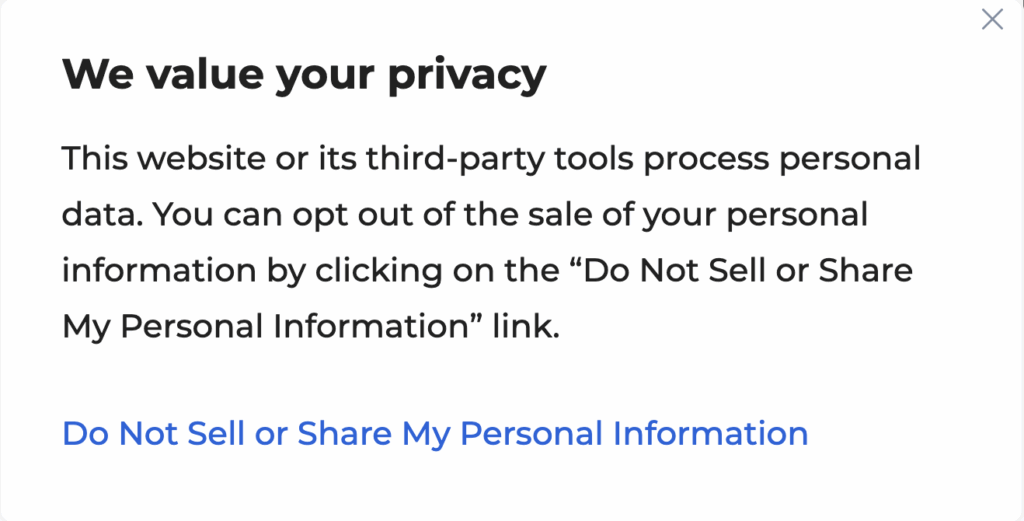
- Geo-Targeted Banner Logic: Implement automation that detects a visitor’s location to serve the appropriate legal framework, such as a strict GDPR-compliant opt-in for EU visitors while maintaining a CCPA-style opt-out toggle for users in the United States.
By delegating these technical requirements to automated systems, you ensure that your WooCommerce store remains a high-performance environment where data privacy is respected by default. This transparency not only secures your backend infrastructure but also serves as a powerful trust signal that can significantly improve long-term customer retention rates.
Ready to take your e-commerce to the next level?
While distinguishing between a cookie notice and a cookie policy is a fundamental compliance requirement, the technical reality for high-growth WooCommerce brands is that unoptimized consent management acts as a silent ceiling on your data integrity. If your performance marketing feels like it is stalling despite rising traffic, or if you suspect that signal loss from fragmented tracking is eroding your ROAS, you are likely facing a structural barrier where legal checkboxes are actively undermining your revenue expansion.
To move beyond basic compliance and build a high-performance eCommerce system, you need a technical partner that synchronizes consent management with advanced tracking, CRM, and automation to maximize LTV and long-term growth. We act as a strategic extension of your team, utilizing data-driven & conversion-focused audits to eliminate guesswork and identify the exact bottlenecks in your customer journey. If you are ready to transform your privacy strategy into a scalable growth engine that captures revenue at every touchpoint, book a free consultation today.