





We’ve all heard the mantra that aggressive customer acquisition is the only path to rapid eCommerce scaling, but what if this hyper-focus on the top of the funnel is actually causing you to leave massive amounts of money on the table? For many high-growth brands, the hidden cost of inaction lies in the post-click experience, where a lack of sophisticated, automated communication creates a silent ceiling on revenue expansion. By failing to deliver the right information at the exact moment of peak intent, you aren’t just missing a sale; you are actively eroding the potential Customer Lifetime Value (LTV) of every lead you’ve worked so hard to acquire.
The hard reality is that in a competitive 2026 landscape, a “one-size-fits-all” marketing blast is a relic of the past that yields diminishing returns. True growth is driven by a slick, automated buying experience that leverages personalized touchpoints to build lasting relationships and encourage consistent return buyers. This guide breaks down 13 essential ecommerce email examples that transform standard notifications into high-performance revenue engines, ensuring your brand personality shines through while systematically maximizing every conversion opportunity across the customer journey.
What are the best ecommerce email examples for brand growth?
Identifying the best ecommerce email examples for brand growth requires a shift from viewing emails as simple notifications to treating them as strategic touchpoints within the customer journey. For high-growth WooCommerce stores, the most effective examples are those that leverage behavioral triggers to deliver high-relevancy content. By automating these flows, you ensure that your brand remains top-of-mind without increasing manual server overhead, effectively bridging the gap between a first-time purchase and long-term brand advocacy.
- The Welcome Series: Beyond a simple confirmation, this sequence introduces your brand ethos and sets expectations, often achieving the highest open rates of any automated flow.
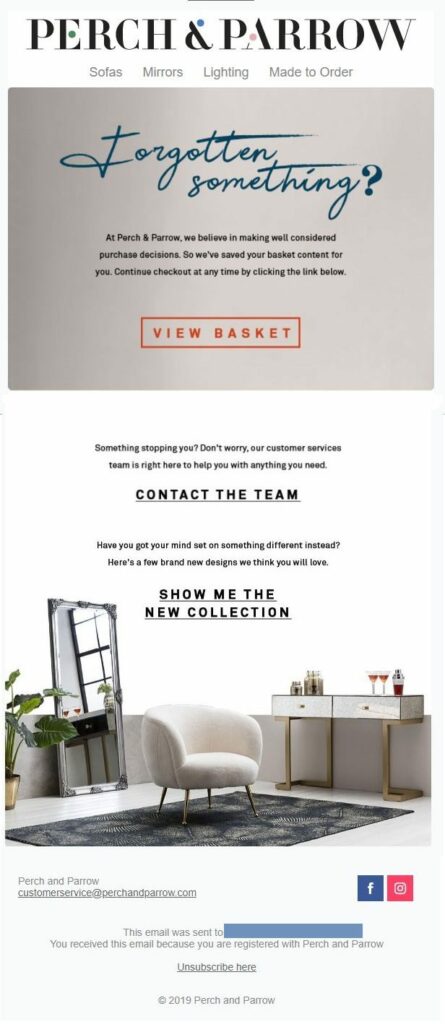
- Abandoned Cart Recovery: A technical necessity that captures high-intent traffic by offering timely reminders or dynamic incentives to complete a checkout.
- Post-Purchase Nurture: These emails build trust through order transparency and personalized product recommendations based on the customer’s specific purchase history.
- Win-back Campaigns: Targeted at dormant segments, these messages use data-driven insights to re-engage customers before they churn completely.
Implementing these examples allows you to build a scalable communication infrastructure that prioritizes the buyer experience. The technical integration of these automated workflows into your WooCommerce environment transforms your store into a proactive sales engine. By focusing on these high-impact examples, you move beyond generic marketing and establish a personalized dialogue that drives both immediate conversions and sustainable Customer Lifetime Value.
Why is email marketing automation essential for WooCommerce stores?
For WooCommerce merchants, email marketing automation is the primary bridge between anonymous browsing behavior and predictable revenue expansion. While manual campaigns are limited by human bandwidth, automated workflows function as a 24/7 sales engine that responds to real-time data signals—such as cart abandonment or post-purchase milestones—without requiring constant oversight. By shifting from static broadcasts to behavioral triggers, brands can ensure that mission-critical information reaches the customer at the exact moment of highest intent, significantly reducing the “handshake latency” that often kills conversions in a manual setup.
- Operational Efficiency: Automation eliminates the need for manual data exports and list management, allowing lean teams to scale their outreach to thousands of customers with the same level of precision as a one-to-one interaction.
- Recovered Revenue: Behavioral sequences, such as abandoned cart flows, capture high-intent leads who have already signaled a willingness to buy, turning potential losses into profitable conversions through timely, automated reminders.
- Increased LTV: Automated post-purchase and win-back flows nurture existing customers based on their purchase history, driving repeat sales and maximizing Customer Lifetime Value (LTV) through personalized product recommendations.
Relying on the default WordPress mail server often leads to technical bottlenecks and deliverability failures as your store grows. Implementing a professional automation infrastructure ensures that your transactional and promotional messages bypass spam filters and reach the primary inbox. For a high-growth brand, this technical diligence is not just a convenience; it is a structural necessity to safeguard domain reputation and build the long-term trust required for sustainable eCommerce scaling.
How to use automated emails to increase ecommerce conversions?
To maximize conversions on a WooCommerce store, automated emails must move beyond generic notifications and function as real-time responses to specific user behaviors. By leveraging event-based triggers, you ensure that your brand remains top-of-mind during peak moments of intent, such as immediately after a cart is abandoned or a specific product category is viewed. This technical shift from manual broadcasts to automated logic allows for hyper-personalized messaging that scales without increasing your team’s operational overhead.
- Behavioral Triggers: Implement “if-then” logic to send targeted messages based on actions like browse abandonment, newsletter signups, or high-value product interactions to capture revenue that would otherwise be lost.
- Dynamic Personalization: Use merge tags and shortcodes to inject customer-specific data, such as first names and images of the exact items left in a cart, which can increase click-through rates by over 150% compared to static emails.
- Strategic Timing: Deploy multi-step recovery sequences—typically at 1-hour, 24-hour, and 72-hour intervals—to gently nudge hesitant buyers back to the checkout page with increasing levels of urgency or incentives.
Integrating these automated workflows directly into your WooCommerce ecosystem creates a frictionless bridge between customer interest and completed transactions. By focusing on data-driven touchpoints like post-purchase follow-ups and win-back campaigns, you not only drive immediate sales but also significantly increase Customer Lifetime Value (LTV) through consistent, relevant engagement.
What types of ecommerce emails drive the most revenue?
To maximize revenue in a WooCommerce environment, you must shift focus from broad-cast campaigns to high-intent behavioral triggers. While newsletters keep your brand top-of-mind, automated flows triggered by specific user actions capture revenue that would otherwise be lost to friction or distraction. For high-growth stores, the most profitable emails are those that address the immediate needs of a customer within their specific lifecycle stage.
- Abandoned Cart Recovery: Historically achieving recovery rates near 29%, these emails act as a safety net for high-intent shoppers who exit the checkout flow. For best results, deploy a three-part sequence starting within the first hour of abandonment.
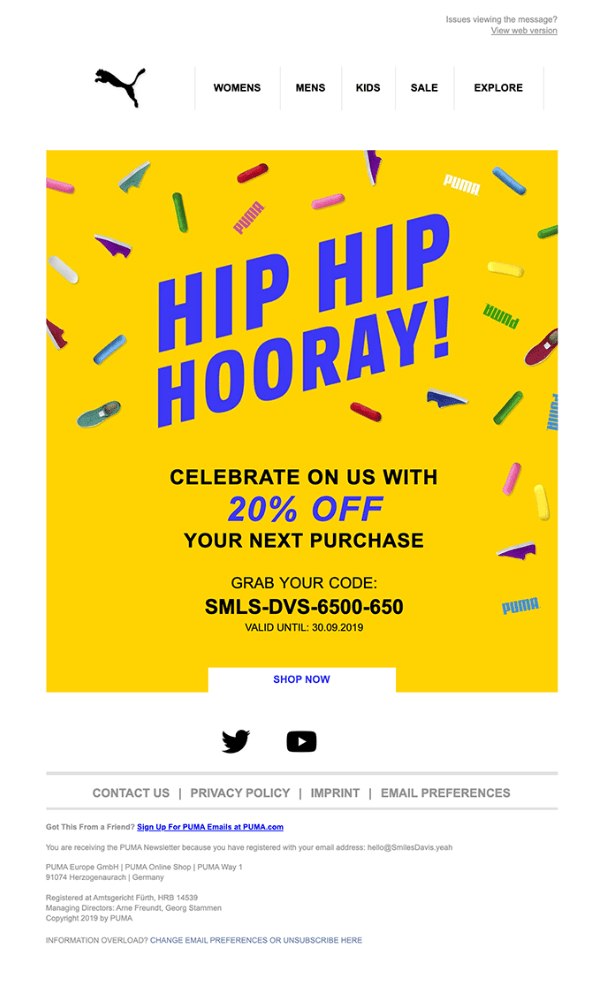
- Welcome Series: Generating up to 320% more revenue per email than standard promotions, the welcome flow capitalizes on the peak moment of brand interest. It is your most effective tool for converting first-time subscribers into buyers through social proof and introductory incentives.
- Post-Purchase Upsells: These triggers leverage the “momentum of the sale” by suggesting complementary products or replenishment reminders. By automating recommendations based on past purchase data, you significantly increase Customer Lifetime Value (LTV) without additional acquisition costs.
Implementing these flows requires a technical foundation that integrates your store’s real-time data with your email service provider. By prioritizing relevance and timeliness over volume, you ensure that every message sent serves as a direct contributor to your bottom line rather than just another notification in a crowded inbox.
How do I integrate automated email workflows into my WooCommerce site?
Integrating automated email workflows into your WooCommerce environment requires shifting from static, one-size-fits-all messaging to a dynamic, event-driven infrastructure. The most effective method involves connecting your store to a dedicated marketing automation platform via a REST API or specialized plugin. This connection allows your site to transmit real-time customer data and behavioral signals—such as item additions, checkout progress, and purchase history—to an external engine that manages delivery logistics without taxing your local server resources.
- Trigger Mapping: Align your workflows with specific WooCommerce action hooks, such as woocommerce_thankyou for post-purchase sequences or woocommerce_cart_updated for abandoned cart recovery, to ensure messages are sent at the exact moment of highest intent.
- Data Synchronization: Utilize deep integration to pass granular customer attributes, including lifetime value (LTV) and product categories, allowing you to segment your audience and deliver hyper-personalized content that reflects their unique shopping behavior.
- Flow Optimization: Establish multi-branch logic within your automation builder to treat first-time buyers differently than loyal advocates, ensuring your communication strategy scales proportionally with your brand’s growth.
By delegating these complex workflows to a robust automation partner, you move beyond the limitations of standard transactional emails. This professional integration ensures that mission-critical data—like order updates and re-engagement triggers—bypasses common deliverability hurdles, transforming your communication into a high-performance engine for sustained revenue expansion.
Ready to take your e-commerce to the next level?
While mastering ecommerce email examples is a vital step toward improving engagement, the business reality for high-growth WooCommerce brands is that aesthetic templates alone cannot fix a fragmented customer journey. If your retention efforts feel like they are stalling revenue despite high open rates, or if you suspect that a lack of sophisticated automation is causing you to leave money on the table, you are likely facing a structural data bottleneck. Moving beyond basic newsletters to a fully integrated, behavioral communication engine is a technical necessity to ensure that every touchpoint contributes directly to your bottom line rather than just serving as a vanity metric.
We specialize in helping DTC brands transform these technical challenges into scalable growth engines by acting as a strategic extension of your in-house team. Our methodology is centered on building data-driven systems where advanced tracking, CRM, and automation work in perfect concert to maximize LTV and ROAS. We eliminate the guesswork through rigorous, conversion-focused audits that identify the exact leaks in your lifecycle marketing. If you are ready to move from manual execution to a high-performance system that drives consistent profitability, book a free marketing automation audit with us today.