





Discounting is the easiest lever to pull and the most expensive habit to break. For WooCommerce brands under pressure to hit monthly targets, a 20% off code feels like a guaranteed win — until margins vanish, customers wait for the next sale, and your brand becomes synonymous with perpetual promotions. The real challenge is increasing your repeat purchase rate through systems that build genuine loyalty rather than transactional dependency. In this article, you’ll learn how lifecycle marketing automation, precision replenishment timing, and behavior-driven loyalty programs can turn one-time buyers into habitual customers without training them to expect a discount at every touchpoint.
Why Does Constant Discounting Hurt Your eCommerce Profit Margins?
Constant discounting creates a destructive feedback loop that most brands do not recognise until it is too late. When you train customers to expect a percentage off before they reorder, you simultaneously destrói your unit economics and devalue your brand positioning. In WooCommerce environments where product margins are often thin after shipping, payment processing, and fulfilment costs, every discount deepens the hole. A customer who only repurchases at 30% off is not a loyal customer — they are a bargain hunter whose lifetime value is permanently capped.
The damage extends beyond immediate margin loss. Your email and SMS marketing automation channels become less effective over time because subscribers learn to ignore full-price messaging and only engage when a promotion lands. This conditions your audience to associate your brand with savings rather than value, making it nearly impossible to return to standard pricing without experiencing a sharp drop in conversion. For DTC brands focused on sustainable revenue growth, discount dependency is not a retention strategy; it is a slow-motion liquidation of brand equity.
How to Use Lifecycle Marketing Automation to Drive Repeat Purchases
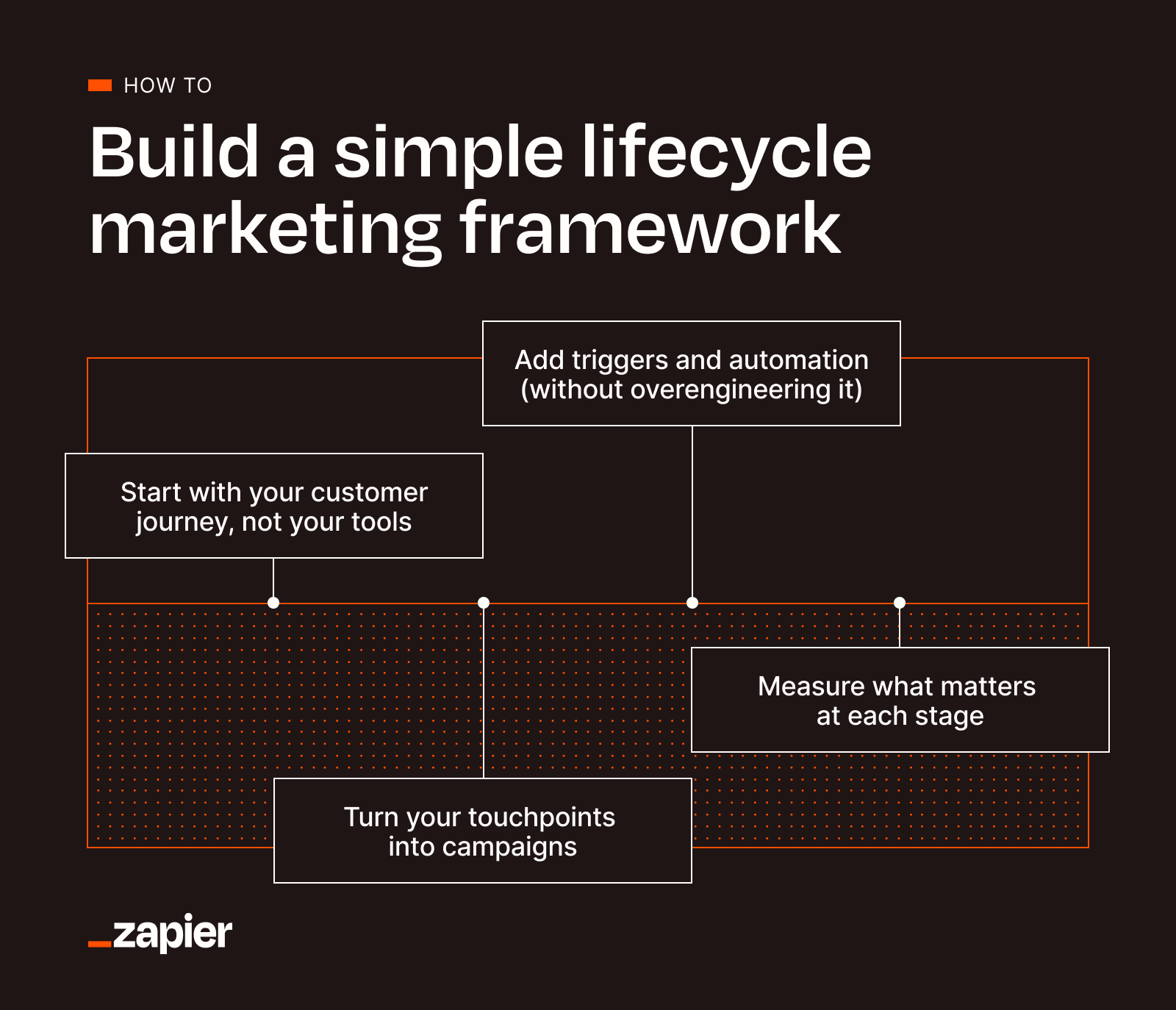
Lifecycle marketing automation is the most scalable alternative to discounting because it delivers the right message at the precise moment a customer is ready to buy again. Instead of broadcasting generic promotions, you build behaviour-triggered email and SMS flows that respond to purchase history, browsing patterns, and engagement signals. In WooCommerce, this requires connecting your store data to a marketing automation platform so that every flow is informed by real order behaviour rather than guesswork.
The most effective post-purchase flows include:
- Educational onboarding sequences that help customers maximise their first purchase, increasing satisfaction and reducing time to second order
- Cross-sell and upsell flows triggered by product category and complementary SKU data
- Win-back sequences for customers who pass their typical reorder window without engaging
- Social proof and review requests that reinforce the purchase decision and surface user-generated content for future campaigns
These flows increase repeat purchase rate by maintaining relevance and timing rather than relying on price cuts. When executed correctly, they generate higher engagement rates, stronger deliverability, and a customer base that buys because they want to, not because they are bribed to.
What Is the Best Replenishment Timing Strategy for WooCommerce Stores?
Replenishment timing is one of the highest-ROI tactics for increasing repeat purchase rate, yet most WooCommerce stores either ignore it or trigger reminders far too late. The strategy hinges on understanding exactly how long your product lasts in the hands of a typical customer, then automating a reminder slightly before depletion. For consumables such as supplements, skincare, or pet food, this means analysing historical order data to calculate average consumption intervals rather than sending generic monthly newsletters.
The optimal approach is to trigger replenishment flows when the customer has consumed roughly 70% to 80% of their product. This creates urgency without desperation and positions your brand as helpful rather than pushy. In WooCommerce, you can calculate this by exporting order timestamps and quantities, then segmenting customers by product variant and purchase frequency. Your marketing automation platform can then trigger personalised email or SMS reminders based on these intervals.
Key factors that affect replenishment timing:
- Product usage rate: a 30-day supply should trigger around day 22 to 25
- Shipping and handling time: account for delivery windows so the customer never runs out
- Seasonal variations: some products deplete faster during specific periods
- Subscription behaviour: distinguish between one-time buyers and subscribers to avoid redundant messaging
How to Build a Loyalty Program That Increases LTV Without Discount Codes
Traditional loyalty programs reward spend with points that convert into discounts — which simply reinforces the same dependency you are trying to escape. A modern loyalty program for eCommerce should reward behaviours that drive long-term value: referrals, user-generated content, early access to new products, and engagement with your brand ecosystem. These rewards cost far less than perpetual markdowns and create emotional bonds that transactional discounts cannot replicate.
For WooCommerce stores, this means integrating a loyalty platform that tracks non-purchase behaviours and triggers rewards through your marketing automation stack. Instead of offering 10% off for a second order, grant loyal customers exclusive access to a limited product drop, a behind-the-scenes content series, or a priority support channel. The perceived value of exclusivity often exceeds the financial equivalent of a modest discount, while your margins remain intact.
Effective non-discount loyalty incentives include:
- Early access to sales or new collections before the general public
- Free shipping upgrades or gift wrapping for repeat customers
- Referral credits that benefit both parties without requiring a percentage-off code
- Surprise-and-delight rewards such as free samples or handwritten notes tied to milestone purchases
What Are the Biggest Mistakes Brands Make When Trying to Improve Repeat Purchase Rate?
Many brands attempt to increase repeat purchase rate by blasting their entire list with the same message, ignoring the segmentation and timing principles that make automation effective. The first mistake is treating all past customers as a single audience. A customer who bought once six months ago requires a fundamentally different approach than someone who purchased three times in the last quarter. Without segmentation based on recency, frequency, and monetary value, your retention efforts feel impersonal and intrusive.
The second mistake is relying on batch-and-blast promotional emails rather than behaviour-triggered flows. Batch campaigns may spike short-term revenue, but they do not build the systematic purchase habits that drive long-term repeat rates. The third mistake is failing to measure the right metrics. Brands obsess over open rates and click-through rates while ignoring repeat purchase rate, time between orders, and cohort-based lifetime value. Until you connect your WooCommerce order data with your CRM and automation platform, you are optimising for engagement rather than actual retention.
Common pitfalls to avoid:
- Sending the same replenishment reminder to subscribers and one-time buyers
- Offering blanket discounts instead of personalised incentives based on purchase history
- Ignoring product-specific reorder windows in favour of generic monthly campaigns
- Measuring campaign revenue instead of cohort-level repeat purchase rate
Ready to take your e-commerce to the next level?
If your retention efforts feel like they’re stalling revenue, or if you suspect you’re training customers to only buy when you slash prices, the problem isn’t your product — it’s your retention architecture. Constant discounting is a symptom of weak lifecycle systems, and the brands that break the cycle are the ones that replace promotional bribery with automated relevance. Repeat purchase rate is not a metric you hack with coupon codes; it is a behaviour you engineer through timing, segmentation, and value-driven loyalty.
We help DTC and eCommerce brands build data-driven systems where tracking, CRM, paid media, and automation work together to maximise ROAS, LTV, and long-term growth. Through our data-driven, conversion-focused audits, we diagnose exactly where your retention flows leak revenue and redesign your lifecycle marketing to increase repeat purchases without sacrificing margin. If you’re ready to stop buying loyalty and start earning it, book a free marketing automation audit.