






Market dominance is rarely the result of internal innovation alone; it is almost always built on the back of superior market intelligence. In the high-stakes environment of 2026, operating without a granular understanding of your competitor’s marketing logic is like playing a game of chess where your opponent’s side of the board is obscured. For eCommerce brands, the difference between capturing a category and fading into the noise lies in the ability to deconstruct why certain competitors are winning the battle for customer attention and retention.
Ignoring the specific tactical moves of your rivals is a luxury that high-growth brands cannot afford. True competitive advantage comes from moving beyond surface-level observations to programmatically tracking the organic strategies, traffic values, and authority metrics that define the current leaders. This guide details how to leverage professional-grade tools to pull back the curtain on competitor activities, transforming external data into actionable internal growth strategies that allow you to pivot with precision and scale with confidence.
What is eCommerce competitor analysis?
eCommerce competitor analysis is the systematic process of gathering and evaluating information about your market rivals to gain a deep understanding of the competitive landscape. For a high-growth WooCommerce store, this goes beyond simple observation; it is a structured evaluation of your competitors’ business models, marketing practices, and product offerings to identify opportunities for revenue expansion. By researching and documenting their strategies, you can gather actionable insights to refine your own market positioning and proactively respond to potential threats.
- Identification: Recognizing both direct competitors with similar products and indirect competitors that fulfill the same consumer needs.
- Benchmarking: Comparing your site’s performance metrics, such as Domain Rating (DR) and organic traffic value, against industry averages to pinpoint specific areas for improvement.
- Strategic Evaluation: Analyzing competitor strengths and weaknesses to discover untapped market gaps or missing features that your target audience is seeking.
Implementing a rigorous analysis allows you to learn from others’ successes and failures without the high cost of trial and error. Using professional SEO tools to monitor technical benchmarks—such as organic sessions, CTR, and keyword rankings—is essential for shaping a data-driven strategy that outpaces the competition. Ultimately, this process ensures your store combines human creativity with technical precision to capture market share and increase Customer Lifetime Value (LTV).
How to find competitors for my WooCommerce store?
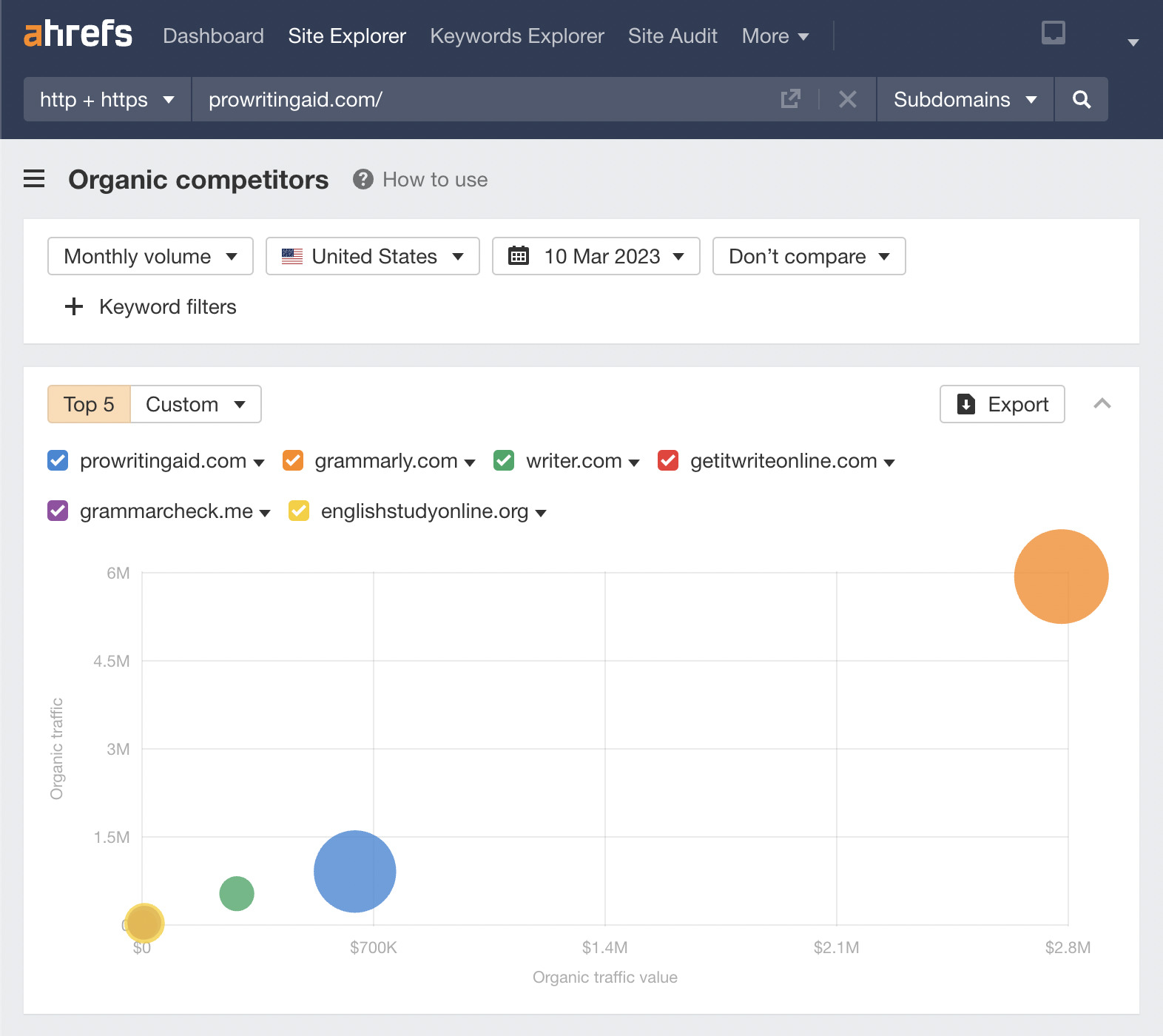
For high-growth WooCommerce stores, identifying competitors goes beyond simply looking at brands that sell similar products. To truly understand your digital landscape, you must differentiate between your business rivals and your SEO competitors—those sites that consistently outrank you for high-intent keywords regardless of their product category. Identifying these players requires moving from assumptions to data-driven discovery by leveraging professional SEO tools to analyze keyword overlap and domain authority.
- Organic Competitor Reports: Plug your domain into a tool like Ahrefs or SEMrush and navigate to the organic competitors report to see which sites share the most keyword real estate with your store.
- URL Extraction and AI Analysis: Scrape the URLs of potential rivals to analyze their subfolder patterns and posting frequency, which reveals their content priorities and specific customer segments.
- SERP Monitoring: Continuously monitor Search Engine Results Pages (SERPs) and AI Overviews to identify niche content hubs, directories, or comparison tools that capture your target audience’s attention before they reach your site.
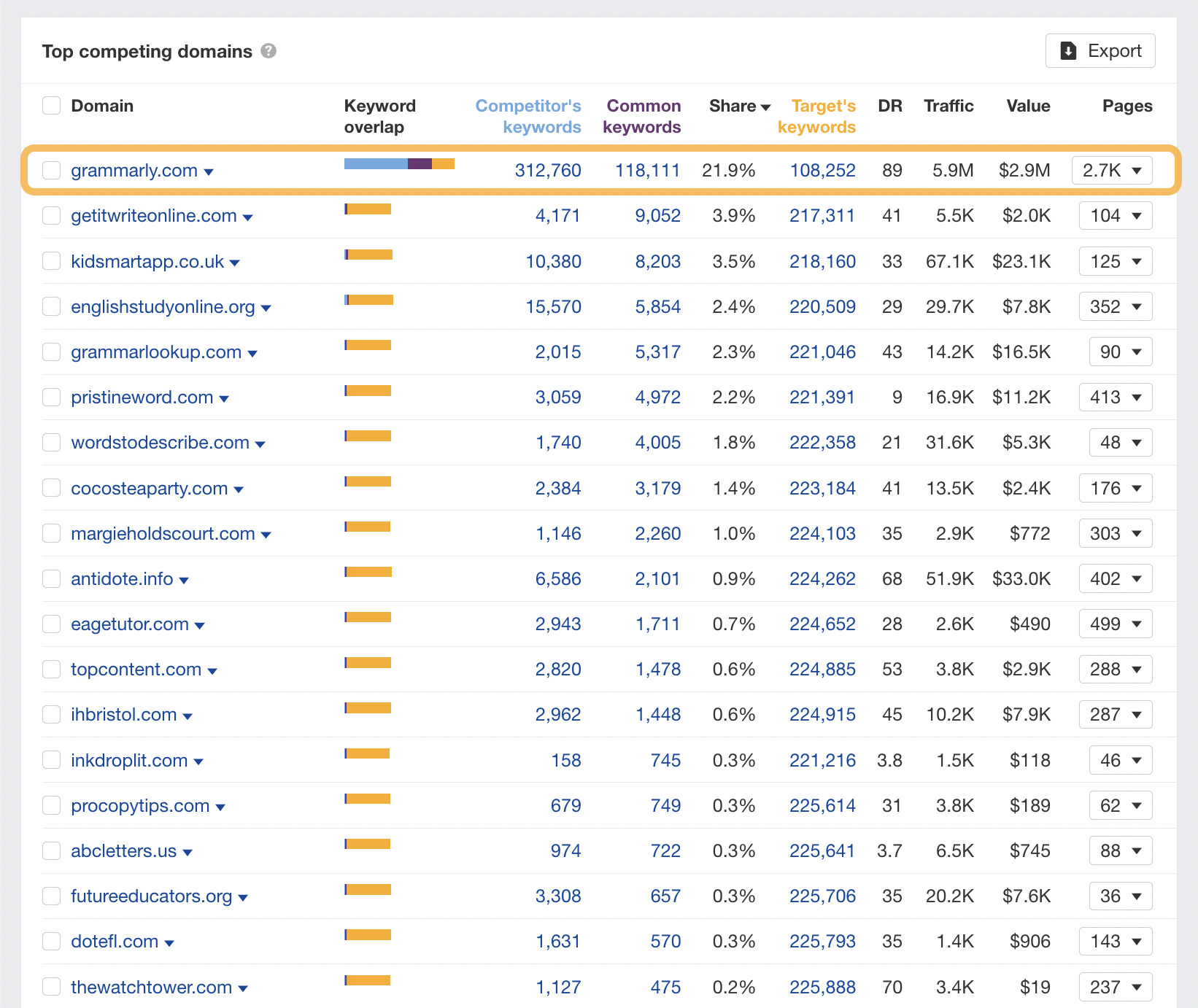
Once you have identified your true competitors, the next step is to analyze their marketing activity metrics, such as Domain Rating (DR), traffic value, and content volume. This depth of analysis allows you to spot unaddressed market gaps and prioritize keyword targets based on actual revenue potential rather than just search volume. By establishing who you are up against, you can focus your technical SEO efforts on areas where your WooCommerce store has the greatest chance of building relative authority and capturing market share.
Why should I track competitor marketing activity for revenue growth?
For high-growth WooCommerce brands, tracking competitor marketing activity is not about imitation; it is about identifying the specific market gaps and structural inefficiencies that allow you to capture a larger share of the revenue. By analyzing where your rivals are investing their resources—whether in high-intent SEO keywords, aggressive social media campaigns, or specific product promotions—you can benchmark your own store’s performance against industry leaders. This intelligence acts as a technical roadmap, allowing you to bypass costly trial-and-error phases by leveraging strategies that have already proven effective for others in your niche.
- Identifying High-Value Content Gaps: Analyze your competitors’ top-performing organic pages to discover valuable topics they have not yet covered, allowing you to position your store as the primary authority in those underserved areas.
- Uncovering Untapped Market Opportunities: Monitoring shifts in competitor traffic—such as growth in specific geographic regions—can signal emerging markets or demographic shifts that your WooCommerce store can exploit for rapid expansion.
- Optimizing Strategic Business Planning: Competitive tracking provides a holistic view of the digital landscape, enabling you to build informed business plans that address customer needs more effectively than existing alternatives.
Ultimately, a consistent competitor analysis ensures your brand stays agile and responsive to emerging trends rather than being blindsided by them. By understanding the strengths and weaknesses of alternative solutions available to your customers, you can refine your unique selling proposition (USP) and implement data-driven workflows that maximize Customer Lifetime Value (LTV) and long-term profitability.
How to use SEO tools to spy on competitors?
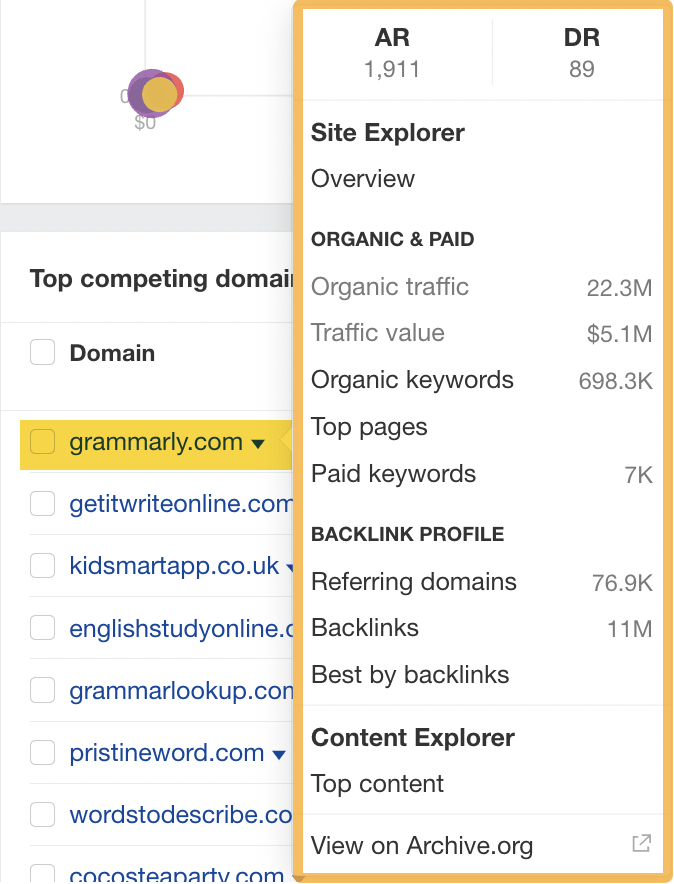
For high-growth WooCommerce stores, leveraging SEO tools to spy on competitors is less about copying their tactics and more about reverse-engineering their success to find strategic gaps. Tools like Ahrefs or Semrush allow you to move beyond surface-level observations and analyze the specific keyword rankings and backlink profiles that drive their organic traffic. By plugging a competitor’s domain into a tool’s explorer feature, you can identify their most valuable “money” keywords and the content formats that are successfully capturing market share.
- Keyword Gap Analysis: Use specialized tools to cross-reference your domain against rivals to find high-volume search terms they rank for that you have missed, enabling rapid content expansion.
- Backlink Profiling: Analyze the source and authority of your competitors’ links to discover new outreach opportunities and understand the technical optimization tactics driving their domain rating.
- Content Performance Benchmarking: Identify which competitor pages attract the most traffic and use these insights to flag quality gaps in your own content or discover emerging topical trends before they become saturated.
Transitioning from manual site audits to automated intelligence helps your team focus on implementation rather than data collection. To maximize revenue growth, use these tools to build a system that tracks how rivals gain or lose visibility over time, signaling shifts in their strategy that you can capitalize on. This data-backed approach ensures your WooCommerce store is claiming its share of traffic from a proven roadmap rather than guessing what might work.
What are the best strategies to outperform eCommerce competitors?
To outperform competitors in the WooCommerce space, you must transition from reactive observation to proactive gap exploitation. Simply knowing that a rival has higher organic traffic or a better Domain Rating (DR) is the baseline; the strategic advantage comes from identifying the specific keyword and content “holes” that your competitors are ranking for but your store is not. By systematically analyzing these content gaps, you can create a roadmap to siphon high-intent traffic directly from their most successful pages.
- Content Gap Analysis: Use SEO tools to identify keywords where your rivals rank in the top positions while your site remains invisible. This reveals untapped opportunities in the buyer’s journey that can be filled with high-quality, targeted content.
- Operational Excellence: Beyond marketing, focus on optimizing internal processes—such as supply chain speed or customer service response times—to reduce costs and improve the overall customer experience compared to your rivals.
- AI-Powered Personalization: Integrate AI into your SEO and marketing strategy to predict user intent more accurately. Brands that leverage AI for personalized search experiences and automated optimization maintain higher visibility and lower bounce rates than those relying on static legacy systems.
Ultimately, a sustainable competitive advantage is built by reallocating resources from underperforming segments into these high-growth areas. This requires consistent monitoring of competitor financial performance and leadership styles to anticipate their next moves, allowing you to prepare defensive countermoves or aggressive pivots before they can consolidate their market share.
Ready to take your e-commerce to the next level?
While mastering tools for competitor tracking is a fundamental skill, the business reality for high-growth WooCommerce brands is that tactical spying without a strategic framework often leads to mimicry rather than market leadership. If your growth efforts feel like they are merely reacting to your rivals’ moves or if you suspect that chasing vanity metrics like Domain Rating and traffic volume is stalling your actual revenue expansion, you are facing a structural gap in your market intelligence. True competitive advantage is not found in replicating a competitor’s content schedule; it is found in identifying the technical and strategic bottlenecks that allow you to capture Profit and LTV where they are falling short.
To move beyond surface-level observations and build a high-performance eCommerce engine, you need a partner that translates competitive data into a differentiated growth roadmap. We act as a strategic extension of your in-house team, helping DTC brands maximize Retention and LTV through data-driven systems where advanced tracking, CRM, and performance marketing operate in total synchronization. Our methodology eliminates guesswork through rigorous, conversion-focused audits that identify the exact opportunities within your customer journey to outperform the competition. If you are ready to stop chasing the pack and start building a scalable system that maximizes ROAS and long-term profitability, book a free consultation today.