






Revenue is the trophy that marketers chase. It is the number that wins boardroom applause, populates year-end reports, and justifies bigger budgets. But revenue without profit is a hollow victory — and too many eCommerce marketers are optimising campaigns for top-line growth while the bottom line bleeds. Understanding the difference between revenue and profit is not just a finance lesson; it is a strategic imperative for anyone running paid media, automation, or retention programmes in a WooCommerce environment. In this article, you will learn exactly how these two metrics differ, why marketers default to revenue, which hidden costs destroy apparent gains, and how to restructure your KPIs around real ecommerce profitability.
What Is the Difference Between Revenue and Profit in eCommerce?
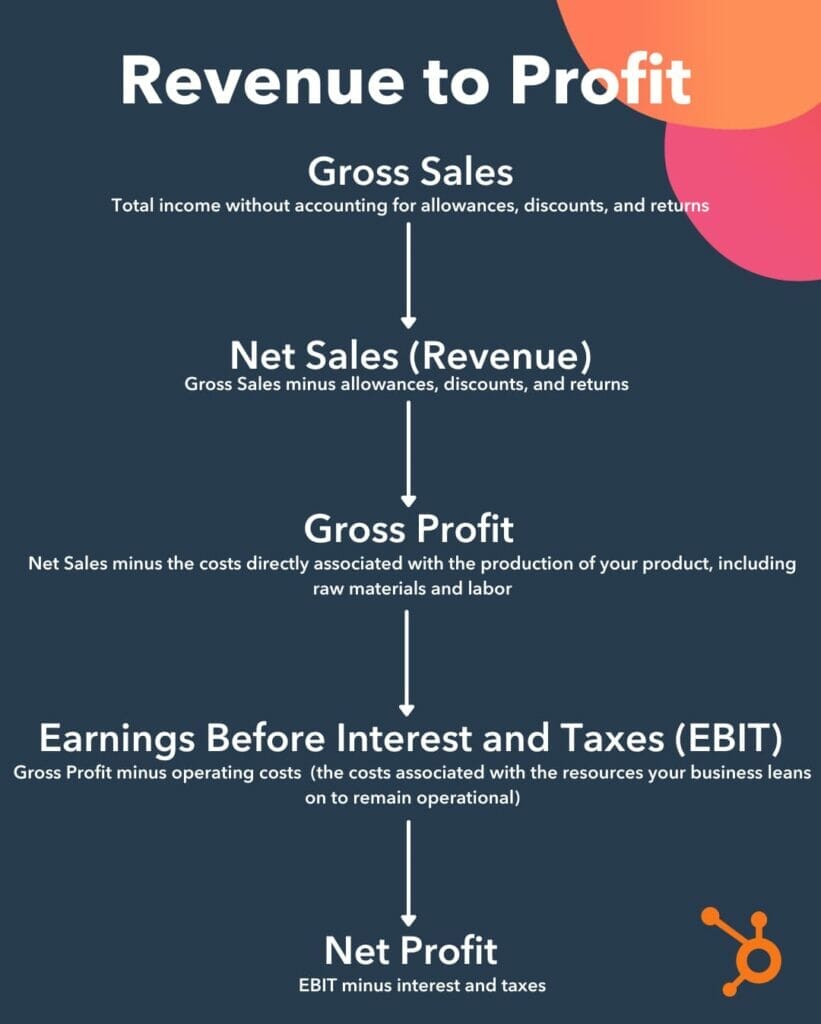
Revenue is the total amount of money generated from sales before any costs are deducted. It is the top-line figure — the number that appears in your WooCommerce dashboard, your Google Ads reports, and your monthly stakeholder updates. Profit, on the other hand, is what remains after all expenses have been subtracted from that revenue. It is the bottom-line figure that actually determines whether your business can sustain itself, invest in growth, or return value to its owners.
For eCommerce brands, this distinction is not merely academic. A store can generate €1 million in revenue while operating at a loss if its cost of goods sold, advertising spend, shipping, platform fees, and operational overhead exceed incoming cash. Revenue measures market demand and sales velocity; profit measures economic viability. Marketers who conflate the two risk optimising campaigns for top-line growth while silently eroding the financial health of the business. In the context of WooCommerce and DTC operations, understanding this difference is the foundation of sustainable marketing strategy.
Why Do Marketers Focus on Revenue Instead of Profit?
Marketers gravitate toward revenue because it is visible, immediate, and easy to attribute. Revenue figures populate dashboards in real time, making them ideal for reporting wins to leadership and justifying campaign budgets. Attribution tools readily assign revenue to specific channels, campaigns, and creative assets, giving marketers a clear narrative of cause and effect. Profit, by contrast, requires a holistic view of the business that spans finance, operations, and fulfilment — departments that marketers often do not control or even access.
There is also a cultural incentive. Revenue growth is celebrated publicly; profitability is discussed privately in boardrooms. Marketing teams are frequently incentivised on revenue-based targets such as return on ad spend (ROAS), customer acquisition, and sales volume. These metrics feel actionable and align with the fast-paced rhythm of digital marketing. However, this focus creates a dangerous blind spot. A campaign with a 500% ROAS can still be unprofitable if the product margin is thin, return rates are high, or fulfilment costs are escalating. Until marketers demand visibility into the full cost stack, they will continue optimising for the wrong outcome.
How Does Chasing Revenue Over Profit Hurt Your eCommerce Business?
When marketers prioritise revenue above profit, the damage manifests across pricing, inventory, and customer quality. The most common symptom is aggressive discounting. A 30% off promotion may spike revenue and deliver a compelling ROAS figure, but if the margin was only 40% to begin with, the remaining contribution after variable costs may not cover fixed overhead or acquisition spend. Over time, this trains customers to wait for discounts and compresses brand equity.
The second consequence is misallocated media spend. Marketers may scale campaigns for high-revenue products that actually generate minimal profit, while neglecting SKUs with stronger unit economics but lower top-line appeal. In WooCommerce environments, this is compounded by platform fees, payment processing, and shipping subsidies that silently eat into apparent gains. Additionally, chasing revenue often attracts low-intent, price-sensitive buyers who churn quickly, increasing support costs and lowering lifetime value. The result is a business that looks successful on the surface — growing sales, expanding reach — but bleeds cash with every transaction.
What Hidden Costs Should Marketers Subtract to Calculate True eCommerce Profit?
To move beyond revenue and calculate genuine profit, marketers must account for costs that rarely appear in campaign dashboards. These extend far beyond the obvious cost of goods sold and include variable expenses that scale directly with order volume.
The hidden costs to subtract include:
- Payment processing fees: typically 1.5% to 3% per transaction, plus fixed per-order charges
- Shipping and fulfilment: outbound postage, packaging materials, and third-party logistics fees
- Platform and app fees: WooCommerce payment gateways, subscription apps, and marketplace commissions
- Returns and refunds: reverse logistics, restocking, and the lost revenue from refunded orders
- Customer acquisition cost: the fully loaded spend across Meta, Google, creative production, and agency fees
- Operational overhead: customer service, warehousing, and software tools allocated per order
Only when these costs are subtracted from net revenue do you arrive at true profit. Marketers who build this visibility into their reporting — integrating WooCommerce order data with financial systems — can make informed decisions about which campaigns, products, and customer segments actually deserve investment.
How Can Marketers Shift Their KPIs from Revenue to Profitability?
Transitioning from a revenue-first to a profit-first mindset requires changing what you measure and how you incentivise your team. Start by introducing profit-contribution metrics into campaign reporting. Instead of optimising purely for ROAS, track return on investment (ROI) that incorporates product margins and variable costs. Segment your reporting by product margin so you can identify which SKUs fund growth and which merely generate noise.
Next, align marketing automation and retention strategy with profitability. Use email and SMS flows to promote high-margin products, upsell complementary items with strong unit economics, and re-engage past customers who have already proven willing to pay full price. In WooCommerce, this means connecting your store data with your CRM and marketing automation platform to trigger behaviour-based campaigns that prioritise profit over volume.
Finally, collaborate with finance and operations to build a shared profit-and-loss view for each channel. When marketers understand the full cost structure, they can set smarter bids, write better briefs, and build automation flows that grow the business sustainably rather than just inflating the top line.
Ready to take your e-commerce to the next level?
If your retention efforts feel like they’re stalling revenue, or if you suspect you’re celebrating sales growth while your profit margins quietly collapse, the revenue versus profit gap is likely the blind spot undermining your marketing strategy. Most WooCommerce brands measure campaign success through dashboard metrics that ignore the true cost of every order, creating a dangerous illusion of progress. Revenue is easy to report, but profit is what keeps the lights on — and marketers who learn to optimise for the latter become the most valuable operators in the business.
We help DTC and eCommerce brands build data-driven systems where tracking, CRM, paid media, and automation work together to maximise ROAS, LTV, and long-term growth. Through our data-driven, conversion-focused audits, we expose where your marketing spend generates real profit versus vanity revenue, and we restructure your automation and reporting to align with sustainable profitability. If you’re ready to stop optimising for numbers that don’t matter and start building a business that actually grows, book a free marketing automation audit.