







Many eCommerce brands operate under the comforting illusion that a generic cookie banner is a sufficient shield against regulatory scrutiny, believing that as long as a “Reject All” button exists, their data assets are protected. But what if this surface-level compliance is actually a silent ceiling on your revenue expansion? For high-growth businesses, the hidden cost of inaction lies in misconfigured consent strings that prematurely trigger tracking or fail to honor user choices, leaving massive amounts of money on the table by eroding the very customer trust required to fuel long-term loyalty and high-intent conversions.
The hard reality is that unmanaged non-essential cookies are no longer just a legal technicality; they are a direct threat to your Customer Lifetime Value (LTV). When analytics and advertising scripts bypass meaningful consent, you aren’t just risking seven-figure fines—you are sabotaging the data integrity needed for sophisticated email and SMS automation. This guide breaks down the eight essential steps to mastering non-essential cookie consent, ensuring your technical infrastructure supports a transparent privacy strategy that turns compliance into a competitive advantage for scalable growth.
What are non-essential cookies and how do they work?
Non-essential cookies, often termed non-necessary or optional cookies, are data files that are not strictly required for the technical operation of your WooCommerce store, such as maintaining a shopping cart or securing a login session. Instead, they serve secondary functions that are often the primary drivers of growth and optimization. While your site will technically load and allow a checkout without them, their absence effectively blinds your marketing stack and limits your ability to personalize the customer journey. These cookies work by assigning unique identifiers to a user’s browser, allowing your server or a third-party service to recognize that specific user across different pages or sessions.
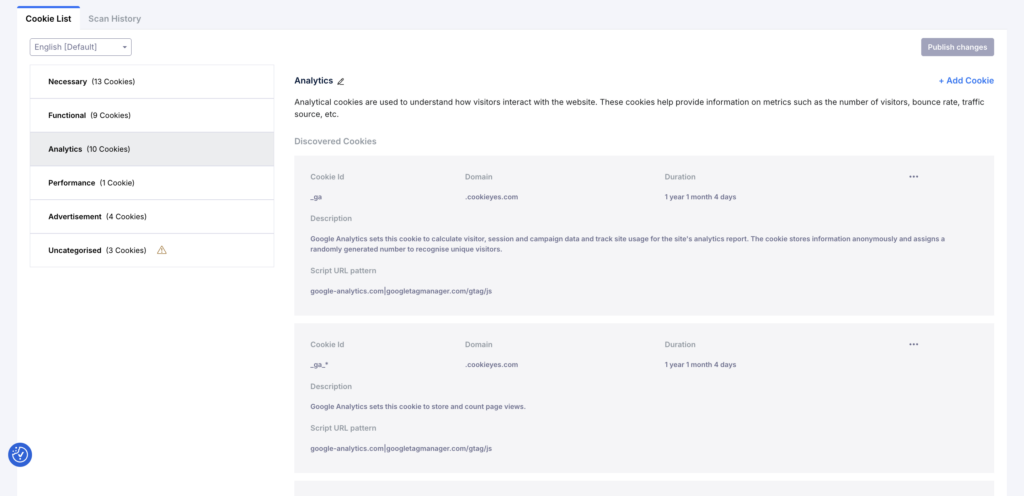
- Analytics Cookies: These track how users interact with your storefront, identifying high-drop-off pages and measuring the success of your conversion rate optimization (CRO) efforts.
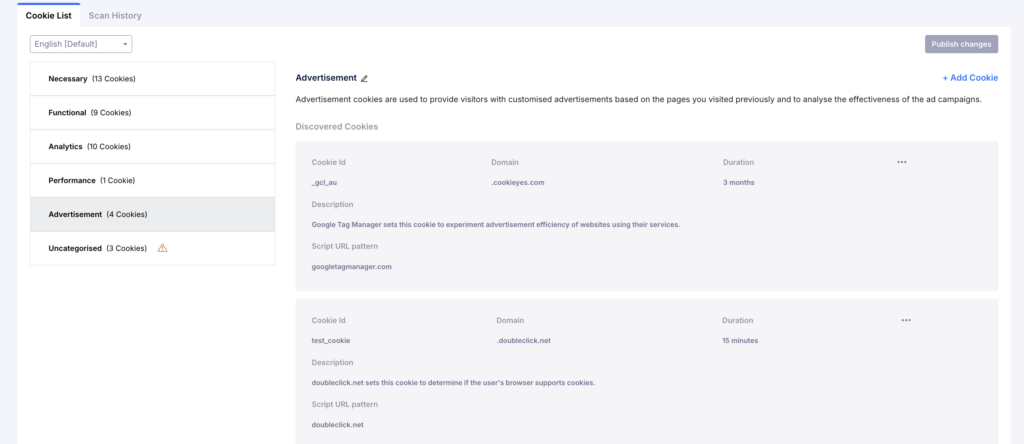
- Advertising Cookies: Used to build behavioral profiles, these enable retargeting campaigns on platforms like Meta or Google by tracking which products a user viewed without purchasing.
- Functional Cookies: These enhance the user experience by remembering non-vital preferences, such as currency selections, recently viewed items, or language settings.
- Social Media Cookies: Placed by social plugins, these allow users to share products directly while providing the social networks with data on user interests.
From a technical standpoint, non-essential cookies function by executing scripts—often from third-party domains—that collect and transmit data back to a central server. Because this data often includes unique IDs that can be linked back to an individual, privacy frameworks like the GDPR and ePrivacy Directive classify them as personal data. For a high-growth brand, the challenge lies in the “opt-in” requirement: these scripts must be technically blocked from firing until the user provides explicit, granular consent. Failing to manage this bridge between data collection and legal compliance not only risks heavy fines but also destróis the customer trust necessary for long-term brand loyalty.
Why is cookie consent critical for WooCommerce growth?
For high-growth WooCommerce stores, cookie consent is no longer a mere legal formality but a strategic pillar of customer retention and technical scalability. When a store transitions from local sales to a global audience, managing non-essential cookies becomes the primary interface for building brand trust. A transparent consent mechanism signals to high-value customers that their personal data—ranging from browsing behavior to cart interactions—is handled with professional integrity rather than through invasive tracking methods.
- Regulatory De-risking: Implementing granular consent for analytics and advertising cookies ensures your store remains compliant with strict frameworks like GDPR and CCPA, preventing costly fines that can derail eCommerce expansion.
- Data Quality Improvement: By utilizing a Consent Management Platform (CMP) that integrates with the WP Consent API, you shift toward a first-party data strategy. This provides higher-quality engagement metrics from users who have explicitly opted in, leading to more efficient ad spend and higher campaign ROI.
- Technical Performance: Modern consent solutions allow for the selective blocking of third-party scripts, such as Facebook Pixels or Google Ads, ensuring these non-essential elements do not impact your store’s Core Web Vitals and checkout speed before user authorization.
Ultimately, a robust cookie consent strategy transforms a potential technical bottleneck into a competitive advantage. By aligning your backend tracking with your front-end promises, you reduce “silent” bounce rates caused by intrusive dark patterns. This technical diligence builds a reliable foundation for automated marketing workflows, ensuring that your personalization efforts are both legally sound and mathematically accurate.
How to manage non-essential cookies for GDPR compliance?
Managing non-essential cookies for GDPR compliance requires moving beyond simple notification banners toward a “privacy by design” architecture. For high-growth WooCommerce stores, the technical burden lies in ensuring that no tracking scripts—such as those for GA4, Facebook Pixel, or heatmaps—execute before a visitor provides explicit, affirmative consent. This transition from implied to informed consent is a structural requirement that prevents unauthorized data processing and protects your brand from significant regulatory penalties.
- Prior Script Blocking: Implement a mechanism that prevents non-essential scripts from loading during the initial page request. This ensures that personal identifiers like IP addresses and tracking IDs are not transmitted to third-party vendors until the user clicks an “Accept” button.
- Granular Consent Controls: Provide users with a preference center where they can toggle specific categories of cookies, such as analytics, functional, or marketing, independently. GDPR mandates that users must be able to reject marketing cookies while still allowing performance-improving functional cookies.
- Proof of Consent: Maintain an encrypted, time-stamped log of all user consent decisions. This documentation is essential for accountability, as you must be able to demonstrate to regulators exactly when and how a user provided or withdrew their consent in the event of an audit.
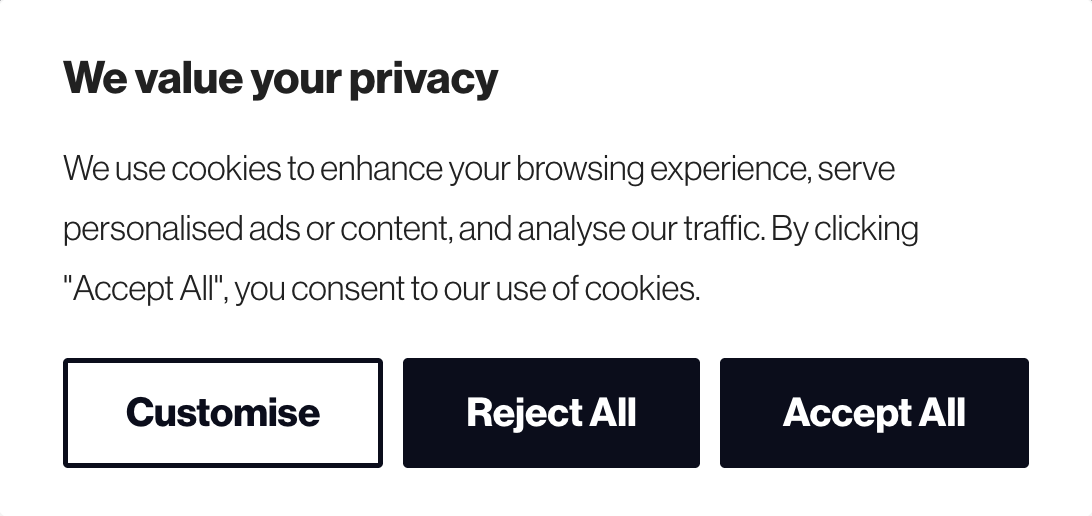
Furthermore, compliance requires that the option to “Reject All” is as prominent and accessible as the “Accept All” option, avoiding the use of dark patterns that manipulate user choice. By integrating a Consent Management Platform (CMP) directly with your WooCommerce backend, you can automate these requirements while maintaining a seamless user experience, ensuring that your data-driven growth strategy remains legally sound and ethically transparent.
What are the best cookie consent strategies for eCommerce?
For high-growth WooCommerce stores, navigating the babidding between data-driven marketing and user privacy is a critical driver of long-term brand equity. A sophisticated cookie consent strategy moves beyond a simple “accept” button to create a transparent data exchange that respects global privacy frameworks like GDPR and CCPA. By implementing granular control, you ensure that high-value tracking for personalized advertising and deep engagement analytics only occurs with explicit user intent, protecting your domain reputation and reducing the risk of legal friction.
- Prioritize Zero-Party Data Collection: Use your consent interface as a touchpoint to explain the value of non-essential cookies, such as how personalization improves the shopping experience, rather than treating it as a purely technical hurdle.
- Implement Prior Block Implementation: Ensure your WooCommerce backend is configured to block all non-essential scripts, including Facebook Pixels and Google Analytics, until the user has proactively opted in through your consent management platform.
- Granular Categorization: Allow users to toggle specific categories of non-essential cookies—such as functional, analytics, and advertising—separately, which increases the likelihood of partial consent compared to an all-or-nothing approach.
Ultimately, a best-in-class eCommerce consent strategy focuses on reducing “consent fatigue” while maintaining technical integrity. By automating the detection of a user’s geographic location to serve the appropriate legal notice, you can optimize the user journey for speed and trust. This systematic approach ensures that while you lose some visibility into anonymous sessions, the data you do collect is high-quality, compliant, and sourced from your most engaged customers.
How to automate cookie consent to improve customer trust?
Automating cookie consent in a WooCommerce environment is a critical step for scaling brands to move beyond a binary “accept or reject” model toward a data-driven system of trust. For high-growth stores, relying on manual script blocking is a technical bottleneck that often leads to compliance drift as new marketing pixels, chatbots, or A/B testing tools are added to the stack. Implementing a Consent Management Platform (CMP) allows your store to programmatically align technical behavior with user choice, ensuring that non-essential scripts—such as those for Facebook or Google Ads—are held in a “pending” state until a valid consent signal is received.
To establish a transparent and friction-free experience that preserves Customer Lifetime Value (LTV), store owners should automate the following core compliance workflows:
- Automated Scanning and Categorization: Schedule regular deep-scans of your domain to automatically detect and categorize new third-party trackers, preventing “dark tracking” where unlisted cookies fire before user interaction.
- Dynamic Geolocation Targeting: Use automation to detect the visitor’s jurisdiction and display a localized consent interface, such as a strict GDPR opt-in for EU users versus a CCPA-compliant opt-out for US visitors, which optimizes the user experience based on legal necessity.
- Consent Signal Propagation: Integrate your CMP with Google Consent Mode v2 and your CRM to ensure that user preferences are communicated across your entire tech stack, allowing for probabilistic modeling when consent is declined while maintaining full legal integrity.
By automating the enforcement of consent, you eliminate the risk of human error in script management and signal to your customers that their data privacy is a structural priority rather than a legal afterthought. This technical resilience not only protects the brand from regulatory fines but also reduces the high bounce rates associated with intrusive or broken consent modals, ultimately building the professional credibility required to convert high-intent traffic into loyal customers.
Ready to take your e-commerce to the next level?
While mastering the technical nuances of non-essential cookie management is a critical first step for any WooCommerce brand, the business reality is that privacy compliance without a unified data strategy is a recipe for blind decision-making. If your current tracking setup feels like it is stalling your ability to accurately attribute revenue, or if you suspect that your consent management is inadvertently eroding the data quality needed to scale your paid media, you are facing a structural barrier to growth. Relying on generic, “out-of-the-box” consent banners is no longer enough; in a privacy-first landscape, the precision of your data collection directly dictates the ceiling of your profitability and ROAS.
To move beyond basic compliance and build a high-performance growth engine, you need a partner that synchronizes your consent management with your broader business objectives. We act as a strategic extension of your team, helping DTC brands maximize Profit, Retention, and LTV through data-driven systems where tracking, CRM, and automation operate in perfect, privacy-compliant concert. Our process begins with rigorous, conversion-focused audits to eliminate guesswork and identify the exact data bottlenecks in your customer journey. If you are ready to transform your tracking from a liability into a scalable asset that maximizes long-term growth, book a free consultation today.
