






A common misconception among WooCommerce merchants is that the optimization of a store begins and ends with the checkout button. While marketing and branding drive the initial acquisition, an overlooked or inaccurate shipping strategy is the single greatest point of friction that hemorrhages Customer Lifetime Value (LTV) during the post-purchase experience. When shipping costs are vague or inaccurate, you are not just risking a single abandoned cart; you are actively training your high-intent customers to seek more reliable competitors, resulting in a measurable revenue leak that no amount of front-end ad spend can plug.
To unlock true revenue expansion, shipping must transition from a back-office utility into a core component of your retention marketing and conversion optimization. The hard reality is that precise shipping calculations are the bedrock of trust; failure to manage these expectations through automated, accurate data creates a catastrophic disconnect in your Email and SMS marketing flows, where inconsistent rates can lead to immediate churn. This guide provides the technical framework to master your WooCommerce shipping settings, ensuring you protect your margins while delivering the transparent, high-speed experience necessary to scale your brand and maximize long-term profitability.
Maximizing Profit Margins: The ROI of Automated Shipping Calculations
Manual shipping estimations are a significant source of margin erosion for scaling WooCommerce stores. When a merchant relies on flat rates or simplified weight-based tables, they often fail to account for the true complexity of carrier surcharges, dimensional weight, and residential delivery fees. Transitioning to automated, real-time shipping calculations ensures that the customer pays the precise cost required to fulfill the order, effectively protecting your net profit per unit from unexpected carrier invoices.
- Dynamic Rate Fetching: By integrating directly with carrier APIs like USPS, FedEx, and UPS, your store retrieves live pricing based on the specific origin, destination, and package dimensions, eliminating the risk of undercharging.
- Automated Dimensional Logic: Advanced automation accounts for the volume of the box rather than just physical weight, which is critical for preventing “dim weight” surcharges that frequently catch manual setups off guard.
- Strategic Surcharge Pass-Through: Automation allows you to selectively pass through or absorb specific fees—such as fuel surcharges or signature requirements—allowing for more granular control over your shipping-related overhead.
Beyond immediate cost recovery, the ROI of automated calculations is realized through operational efficiency. Reducing the time spent by customer service teams resolving billing discrepancies or manually calculating quotes for international orders allows your resources to be reallocated toward high-leverage growth activities. In a high-volume environment, the precision of automated shipping is not just a convenience; it is a fundamental requirement for maintaining a sustainable and predictable bottom line.
Leveraging Real-Time Shipping Rates to Boost Conversion Rates
One of the primary drivers of cart abandonment is the unexpected cost of shipping revealed only at the final stage of the checkout. By leveraging real-time shipping carrier APIs within WooCommerce, you eliminate this friction, providing users with transparent, accurate costs based on their specific location and the actual weight or dimensions of their cart. This technical precision builds immediate trust and ensures your profit margins are protected against manual estimation errors or fluctuating carrier surcharges.
To optimize this conversion lever, you should implement the following three technical strategies:
- Carrier API Integration: Connect your store directly to carriers like USPS, FedEx, or UPS to pull live rates dynamically. This ensures that the customer sees the most current pricing, including any residential or fuel surcharges, preventing revenue leaks from undercharging.
- Dimensional Weight Calculation: Use advanced shipping plugins that calculate rates based on box dimensions rather than just weight. This is critical for high-volume stores to ensure that bulky, light items are quoted accurately, avoiding the high costs of dimensional weight penalties at the carrier level.
- Rate Comparison at Checkout: Present a tiered selection of shipping speeds—from economy to overnight—directly from the carrier data. Giving customers control over the trade-off between cost and speed significantly reduces abandonment for time-sensitive or budget-conscious shoppers.
Ultimately, shifting from flat-rate guesses to automated, real-time calculations transforms your shipping strategy from a potential barrier into a core conversion optimization tool. Providing realistic delivery dates alongside these live rates sets clear post-purchase expectations, which is a fundamental component of increasing long-term customer loyalty and lifetime value.

Driving Repeat Sales with Automated Post-Purchase Shipping Updates
Automating post-purchase shipping updates transforms a logistical necessity into a high-leverage retention channel. While many WooCommerce stores rely on generic carrier emails, high-growth brands capitalize on “Where Is My Order” (WISMO) anxiety by hosting tracking data within their own ecosystem. This ensures that every time a customer checks their delivery status, they are re-exposed to your brand environment rather than a sterile third-party portal, significantly lowering the friction for a follow-up transaction.
- Branded Tracking Hubs: Replace external carrier links with on-site tracking pages to maintain brand consistency and display dynamic product recommendations based on the items currently in transit.
- Proactive Exception Alerts: Use automated triggers to notify customers of potential shipping delays before they become support tickets, preserving trust through transparency.
- Delivery Confirmation Triggers: Sync delivery events with your marketing automation to send a “Delivered” SMS or email that includes a time-sensitive loyalty discount or a request for a product review.
By integrating real-time shipping data directly into your marketing stack, you transition from transactional interactions to a predictable customer lifecycle. When the shipping calculations discussed in this guide are accurate, you set a baseline of trust that these automated updates then reinforce. This technical synergy reduces churn and directly increases Customer Lifetime Value (LTV) by proving your store is a reliable partner for future needs.
Integrating Accurate Shipping Costs into High-Converting Email Flows
The most common failure in WooCommerce email marketing is the omission of shipping data until the final checkout step. By integrating real-time shipping calculations into your automated email flows—specifically abandoned cart and browse abandonment sequences—you eliminate the “sticker shock” that accounts for nearly 50% of all abandoned transactions. Providing this transparency early in the recovery funnel transforms a generic reminder into a high-utility service message that directly addresses the primary barrier to conversion.
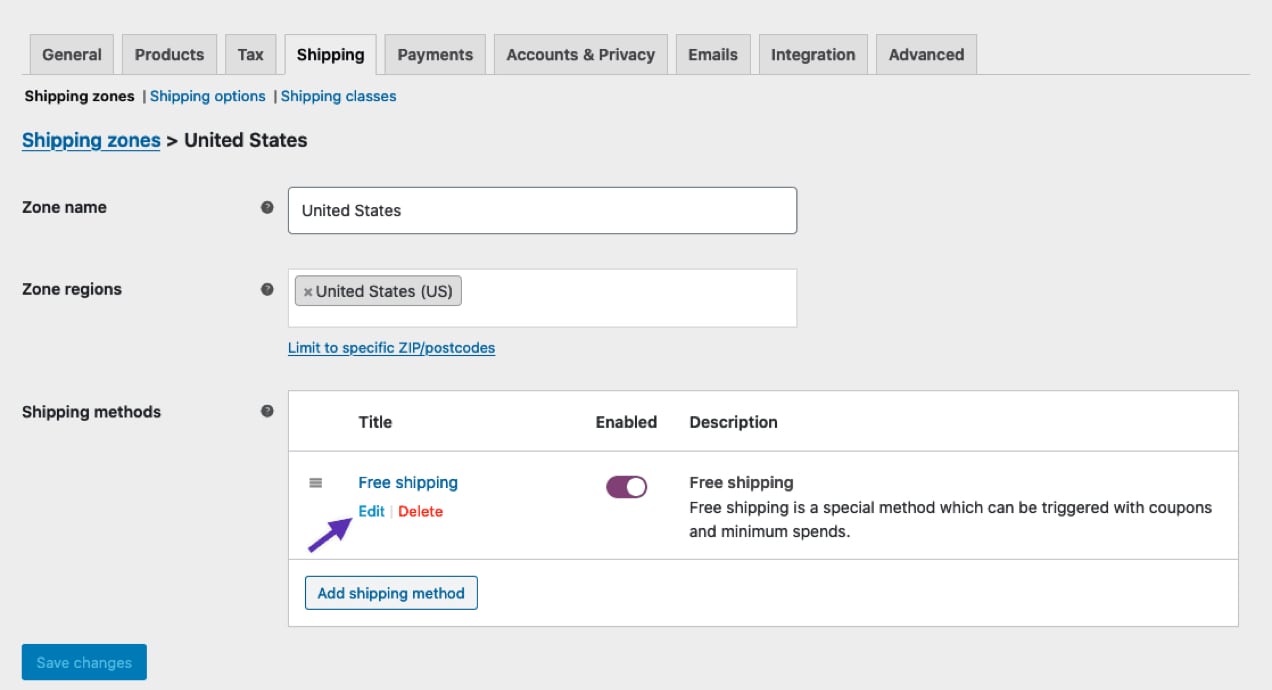
- Abandoned Cart Transparency: Passing dynamic shipping rates from your WooCommerce zones to your ESP allows you to display the exact total, including taxes and freight, providing a frictionless path back to the checkout page.
- Free Shipping Threshold Prompts: Use liquid logic within your email templates to calculate the delta between the current cart value and your free shipping tier, incentivizing a higher Average Order Value (AOV) through automated upsells.
- Carrier-Specific Reliability: Mentioning the specific carrier (USPS, FedEx, or UPS) and the estimated delivery window in your post-purchase or browse abandonment flows builds immediate brand authority and manages delivery expectations.
Technically, this requires a robust sync between your WooCommerce shipping settings and your marketing automation platform. By leveraging metadata from dimensional shipping plugins, you can ensure that the rates displayed in your email flows are identical to the rates in the cart. This consistency builds a “trust loop” with the customer, significantly increasing the efficiency of your automated revenue streams and reducing the volume of pre-sales inquiries regarding delivery costs.
Scaling Global Revenue: The Impact of Shipping Automation on Customer LTV
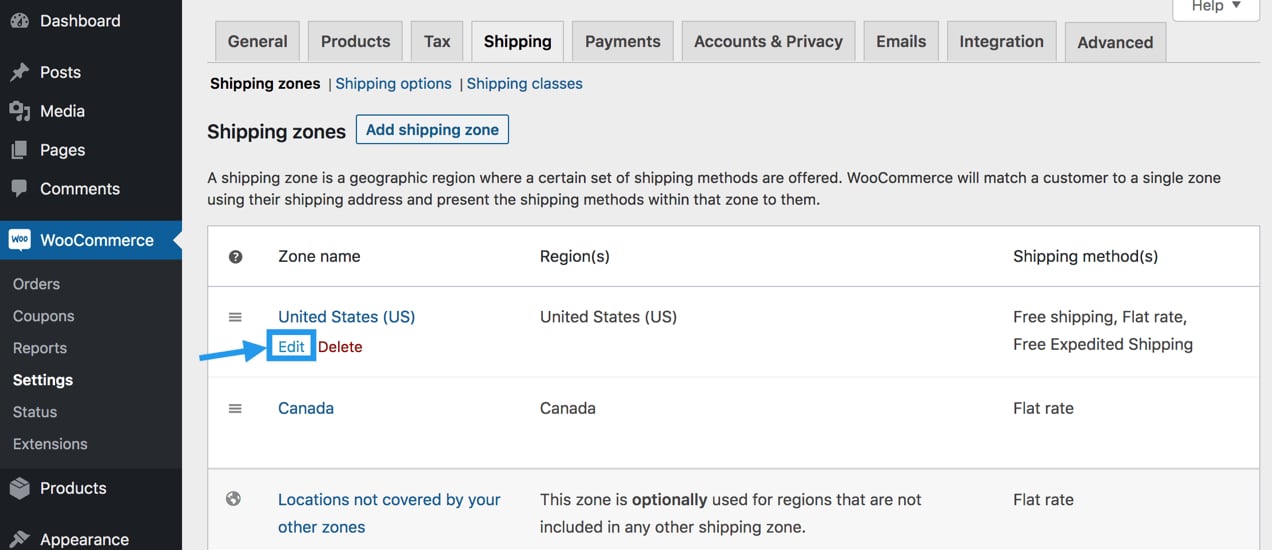
Scaling global revenue for a WooCommerce store requires moving beyond flat-rate estimates toward automated, real-time shipping calculations. When shipping costs are inaccurate, you face two primary risks: overcharging, which leads to abandoned carts and lowered conversion rates, or undercharging, which directly destróis your profit margins. Automation bridges this gap by dynamically fetching rates based on weight, dimensions, and destination, providing the transparency international customers demand before committing to a purchase.
By integrating automated shipping workflows, you directly influence Customer Lifetime Value (LTV) through a superior post-purchase experience. Reliability in delivery estimates and cost clarity builds the foundational trust necessary for repeat business. To maximize this impact, focus on these critical automation components:
- Live Carrier API Integration: Connect directly to USPS, FedEx, or UPS to provide real-time, accurate quotes at checkout, eliminating manual calculation errors.
- Dynamic Dimensional Packaging: Use automation to calculate the most efficient box size for an order, ensuring shipping charges reflect actual carrier costs rather than generic weight estimates.
- Automated Duty and Tax Calculation: For global scaling, automate the calculation of international customs fees to prevent “delivery duty unpaid” surprises that destroy customer loyalty.
Ready to take your e-commerce to the next level?
While mastering accurate shipping calculations is a technical necessity for operational stability, the broader business reality is that shipping strategy is a critical lever for maximizing Customer Lifetime Value (LTV) and protecting margins. If your logistics infrastructure feels like it’s eroding your bottom line, or if you suspect that opaque shipping costs are the primary friction point causing high-intent users to abandon their carts, then you are facing a systemic revenue leak. Transitioning from basic manual quotes to a robust, automated shipping ecosystem is not just about logistics; it’s about creating a seamless post-purchase experience that builds the trust required for long-term customer retention and scalable growth.
We help high-growth DTC brands transform these technical challenges into a competitive advantage by acting as a strategic extension of your in-house team. Our methodology centers on engineering data-driven eCommerce systems where tracking, CRM, and automation work in perfect concert to maximize your Return on Ad Spend (ROAS). By conducting rigorous, data-driven & conversion-focused audits, we pinpoint the exact structural leaks in your current funnel—from checkout friction to inefficient automation—ensuring your entire customer journey is optimized for peak profitability. If you are ready to move beyond guesswork and build a scalable revenue engine, book a free consultation with our experts today.