





Owning a verified Google Business Profile is often mistaken for a finished task, but in a competitive local market, a static profile is essentially invisible. While most brands focus on traditional SEO to capture global traffic, they overlook the immediate, high-intent revenue sitting right in their neighborhood. Proximity is a baseline factor, yet it is the sophisticated optimization of local signals that determines whether you anchor the top of the Local Pack or lose those customers to a competitor appearing just a few blocks away.
For growth-focused leaders, the shift toward AI-mediated local search means that being listed is no longer enough to guarantee discovery. Google now prioritizes businesses that demonstrate consistent authority and deep relevance through technical listing health and active engagement. Mastering these local ranking factors is a strategic necessity for any brand looking to secure market share and transform local search intent into a reliable engine for customer acquisition.
What is Google Maps SEO and how does it work?
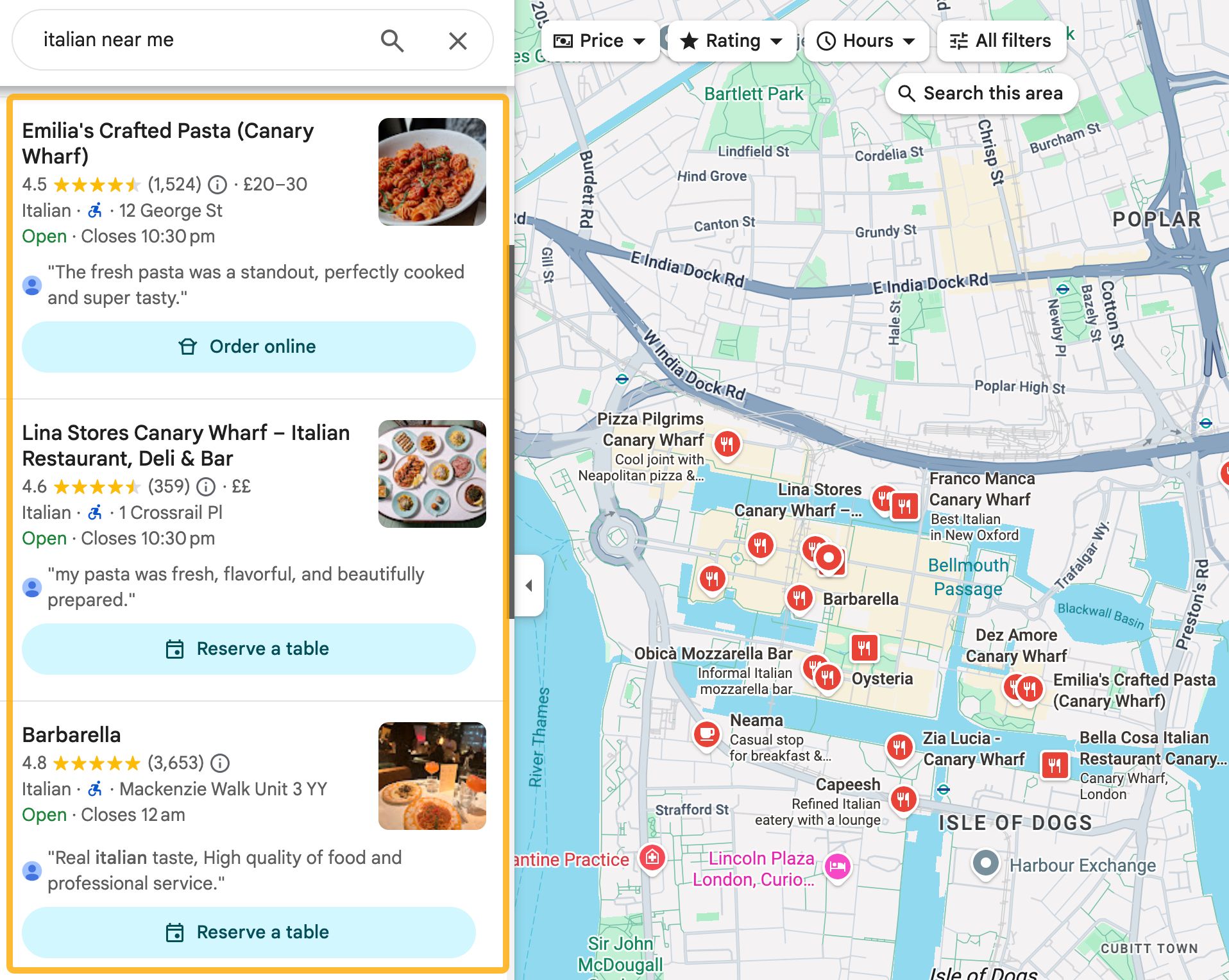
Google Maps SEO is the strategic process of optimizing your business’s presence to secure a higher ranking within Google Maps and the coveted Local Pack—the set of three high-visibility results that appear at the top of a standard Google Search. For WooCommerce brands with a physical presence or local service area, this is a critical growth lever because it captures high-intent traffic from “near me” queries. Unlike traditional SEO which focuses on broad web authority, Google Maps SEO is designed to bridge the gap between digital discovery and physical action, such as foot traffic or phone calls.
- Relevance: This measures how well your Google Business Profile (GBP) matches the specific intent of a user’s search. Maintaining a complete profile with accurate categories and keyword-optimized descriptions is vital to signal relevance.
- Distance (Proximity): Google calculates how close your business location is to the user or the specific area mentioned in their search query. While you cannot change your physical location, optimizing for surrounding service areas can help capture wider local intent.
- Prominence: This reflects how well-known and trusted your business is in the offline and digital worlds. It is determined by factors such as your review volume and rating, the consistency of your Name, Address, and Phone number (NAP) across the web, and your site’s organic SEO strength.
The system works by evaluating these three pillars to determine which business provides the best solution for a local searcher. By moving beyond a “set it and forget it” approach and actively managing your GBP—through consistent posting, responding to reviews, and ensuring data accuracy—you signal to Google’s algorithm that your business is active and reliable. This increased visibility in the Local Pack often results in a higher conversion rate, as nearly 80% of local searches lead to a direct interaction with the business.
Why is local SEO important for WooCommerce store growth?
For high-growth WooCommerce stores, local SEO is a critical lever for capturing high-intent traffic that many brands overlook in favor of broad national campaigns. While your digital storefront can reach a global audience, 46% of Google searches carry local intent, meaning a significant portion of your potential customers are looking for products “near me” or within their specific geographic area. Neglecting these signals creates a silent ceiling on your revenue expansion, as competitors optimized for the Local Pack and Google Maps will consistently capture these ready-to-convert users.
- Increased Visibility and Foot Traffic: Mastering local SEO allows your store to appear in the top three results of the Local Pack, significantly boosting visibility for location-based product searches and driving both online sales and physical visits if you have a showroom.
- Enhanced Trust through Social Proof: Local rankings are heavily influenced by reviews and engagement, which serve as powerful trust signals for WooCommerce customers. Managing these localized reputations builds the brand authority necessary to convert skeptical shoppers into loyal clients.
- Cost-Effective Customer Acquisition: Unlike high-competition global keywords, local SEO levels the playing field against larger corporations by focusing on geographic relevance, offering a sustainable and measurable way to grow without the soaring costs of traditional digital advertising.
Ultimately, a robust local SEO strategy transforms your WooCommerce store from a static website into a dynamic presence that meets customers at their exact moment of peak intent. By aligning your technical infrastructure—including Google Business Profile optimization and localized content—with how modern consumers search, you protect your brand authority and maximize Customer Lifetime Value (LTV) within your primary service regions.
How to optimize your Google Business Profile for more local revenue?
Optimizing your Google Business Profile (GBP) is no longer a passive task; for WooCommerce brands with a physical or local service presence, it is a critical ranking filter that determines whether you capture high-intent local traffic. To transform a verified profile into a revenue engine, you must treat it as a dynamic storefront that feeds both human searchers and AI-driven local packs. Simply claiming your profile is insufficient; you must achieve maximum relevance and prominence through meticulous data accuracy and consistent engagement.
- Data Integrity and Verification: Ensure your profile is fully claimed and verified to unlock essential features like insights and review management, and confirm that all business details are current and consistent across the web to build trust with Google’s algorithm.
- Strategic Content Updates: Maintain a weekly cadence of high-quality photo uploads and Google Posts to signal business activity, which acts as a hidden ranking factor by keeping your profile fresh and engaging for discovery searches.
- Active Review Management: Implement a system to encourage positive customer reviews post-purchase and respond swiftly to all inquiries, as customer interaction levels directly correlate with your profile’s prominence in local search results.
By shifting from a static profile to a managed system of regular updates and structured data—including adding specific products and services with clear pricing—you ensure your business remains visible at the exact moment of peak customer intent. This proactive optimization not only boosts your local search rankings but also builds the technical authority necessary to convert map views into measurable local revenue.
What are the top Google Maps ranking factors in 2026?
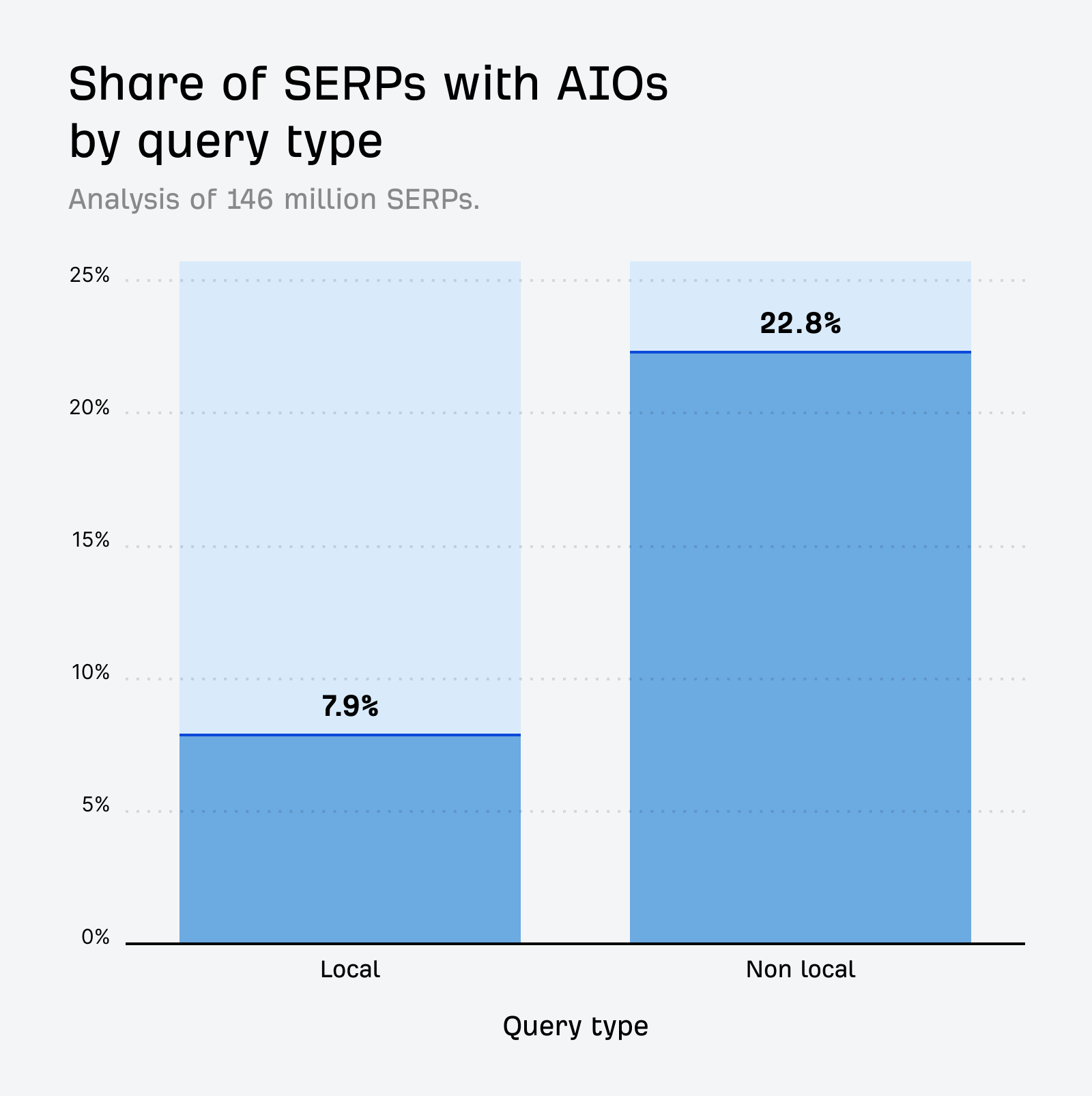
In 2026, the Google local algorithm has evolved into a sophisticated proximity engine that prioritizes entity confidence and real-world utility over simple keyword density. While the core pillars of relevance, distance, and prominence remain foundational, the search engine now utilizes probability-weighted graphs to determine which businesses it can “risk” recommending to high-intent users. For a WooCommerce brand, this means that having a complete profile is merely the baseline; winning the Local Pack requires maintaining a dynamic digital footprint that signals active engagement and authoritative neighborhood connections.
- Entity Confidence and Data Consistency: Google triangulates information across your website, Google Business Profile (GBP), and third-party directories to verify your business as a trusted source of truth. Inconsistencies in your NAP+W (Name, Address, Phone, Website) data across the ecosystem act as a trust barrier, directly impacting your ability to surface in AI-driven overviews.
- User Engagement Signals: Popularity is now measured through active behavioral data, including direction requests, click-to-calls, and how frequently users interact with your GBP photos and Q&A. High engagement velocity signals ongoing relevance, allowing businesses with strong prominence to occasionally override minor proximity gaps in specialized searches.
- Review Language and Recency: Modern algorithms prioritize the content and recency of reviews over simple star ratings. AI-assisted summaries now parse review text to match specific customer queries, meaning that a steady stream of reviews mentioning your core services is more valuable for ranking than an occasional burst of generic 5-star feedback.
Ultimately, dominating Google Maps in 2026 requires shifting from a “set it and forget it” mentality to a strategy of continuous entity validation. By providing high-confidence data—such as real-time holiday hours, high-quality weekly photo updates, and prompt review responses—you provide the structural evidence necessary for Google to confidently rank your business at the moment of peak customer intent.
How to automate local review management for eCommerce brands?
For high-growth WooCommerce brands, manual review management is a structural bottleneck that directly compromises local search visibility and customer trust. Relying on manual requests leads to inconsistent feedback loops, whereas automated systems ensure a steady velocity of fresh, authentic reviews—a critical signal that tells Google your business is active and relevant. By integrating your store’s transactional data with automated review platforms, you transform every completed purchase into a potential ranking signal without increasing your team’s operational load.
To build a resilient automated review engine, eCommerce leaders should focus on these technical integration points:
- Trigger-Based Requests: Configure webhooks to fire automated email or SMS review requests immediately after a WooCommerce order status changes to “completed” or a specific delivery event is recorded.
- AI-Assisted Responses: Utilize AI tools to analyze sentiment and generate personalized, keyword-optimized responses to customer feedback, ensuring search engines perceive your brand as highly engaged.
- Reputation Monitoring: Centralize multi-modal data from various review sources into a single dashboard to track velocity and identify service gaps that could lead to negative signals or lost revenue.
Transitioning from reactive to automated management not only builds a stronger online reputation but also provides the search-friendly terms and volume needed to outperform competitors in the Local Pack. This strategic shift ensures that your Google Business Profile remains a high-performance asset that captures local intent and converts it into measurable growth.
Ready to take your e-commerce to the next level?
While mastering the five core strategies for Google Maps SEO is a critical step toward visibility, the business reality for high-growth WooCommerce brands is that rankings alone are a vanity metric if they do not translate into profitable customer actions. If your local search efforts feel like they are stalling revenue expansion or if you suspect that your profile is attracting low-intent traffic that fails to convert, you are facing a structural gap between visibility and volume. Relying on basic profile optimization without a coordinated data-driven strategy is not just a missed opportunity; it is a direct compromise of your ability to dominate your local market and maximize the lifetime value of every lead captured via the Map Pack.
To move beyond simple checklists and build a high-performance local growth engine, you need a partner that synchronizes your local presence with your broader eCommerce ecosystem. We act as a strategic extension of your team, helping DTC brands maximize Profit, Retention, and LTV through integrated systems where advanced tracking, CRM, and automation operate in perfect concert to drive measurable ROAS. Our methodology is centered on rigorous, conversion-focused audits that eliminate guesswork and identify the precise bottlenecks preventing your Google Business Profile from fueling long-term growth. If you are ready to transition from manual updates to a scalable, data-driven local strategy, book a free consultation today.