

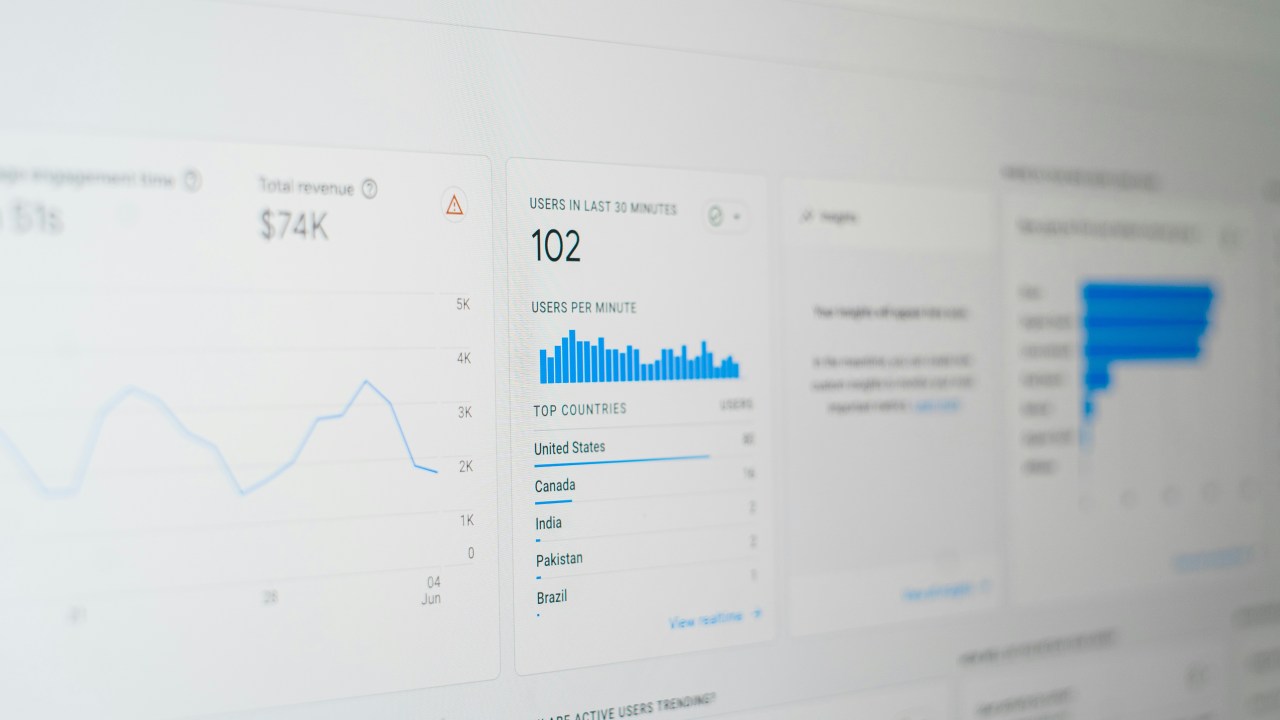
Consumer search behavior is undergoing a structural shift that traditional SEO metrics are currently failing to capture. As large language models become the primary interface for information retrieval through tools like Google’s AI Overviews and ChatGPT, the traditional list of blue links is being replaced by immediate, synthesized responses. For eCommerce brands, this means your visibility is no longer just about where you rank on a results page, but whether your brand is fundamentally integrated into the language model’s authoritative answer.
While the market is flooded with speculation regarding a secret formula for AI visibility, the high-growth brands winning this space are focusing on semantic depth and technical specificity rather than outdated keyword tactics. Understanding how these models decide to cite a source versus answering from memory is now a critical commercial requirement. This guide separates theoretical noise from documented research to help you position your store at the center of the AI-driven discovery journey.
What is LLM search and how does it work?
LLM search represents a fundamental shift from traditional keyword-based retrieval to a generative model where large language models synthesize information to provide direct, natural language answers. Instead of merely ranking URLs, platforms like Google’s AI Overviews, ChatGPT, and Perplexity use a retrieval-augmented generation (RAG) framework to identify specific content fragments from an index and reassemble them into a cohesive response. For WooCommerce store owners, this means your visibility is no longer tied solely to page rank, but to how effectively your product data and brand authority are ingested into these searchable libraries.
- Content Ingestion and Chunking: The system breaks your web content into smaller units, or chunks, to isolate clear ideas for better mathematical representation.
- Vector Embedding: Each chunk is converted into a numerical vector that captures its semantic meaning, allowing the engine to match user intent rather than just exact keywords.
- Retrieval and Synthesis: When a query is made, the engine retrieves the most relevant chunks from its internal index and uses the LLM to generate a personalized, natural language answer.
Success in this new paradigm, often referred to as Generative Engine Optimization (GEO), depends on the quality and structure of the data you provide at the indexing layer. Unlike traditional search engines that crawl in real-time, LLM search relies on content already processed into its searchable system. Consequently, high-growth brands must prioritize clean content structures and precise metadata to ensure their knowledge is correctly selected and cited during the retrieval process.
Why is LLM search optimization critical for WooCommerce growth?
For high-growth WooCommerce stores, the shift from keyword-based search to LLM-driven answers represents a fundamental change in how customers discover products. Unlike traditional search engines that provide a list of links, Large Language Models (LLMs) synthesize information into a single, natural language response. For a merchant, this means that if your brand is not cited or recommended within that AI-generated answer, you are effectively invisible to a rapidly growing segment of users who increasingly prefer these direct, zero-click interactions.
- Erosion of Organic Traffic: With predictions suggesting a 25% decline in organic search traffic by 2026, relying solely on traditional SEO is a strategic risk for eCommerce growth.
- Shift to Conversational Discovery: LLMs act as context-aware assistants that can recommend products based on nuanced user needs rather than simple keywords, making brand authority and entity clarity essential for being “chosen” as a source.
- Capture of High-Intent Shoppers: Users turning to AI for product comparisons or research are often at a critical decision-making stage; optimizing for LLMs ensures your WooCommerce store captures this high-intent traffic directly within the AI interface.
Critical growth now depends on “Relevance Engineering”—structuring your WooCommerce content so it is easily retrieved and accurately interpreted by models like ChatGPT, Gemini, and Claude. By moving beyond keyword density to focus on entity SEO and citation-building, brands can secure their position in AI summaries and knowledge panels. This technical adaptation is no longer optional; it is the foundation for maintaining a competitive edge in an ecosystem where AI agents are becoming the primary interface for consumer retrieval.
How to improve brand visibility in AI search results?
Improving brand visibility in AI-curated results requires a fundamental shift from traditional keyword density toward entity clarity and “citability.” For high-growth WooCommerce brands, this means ensuring that Large Language Models (LLMs) can definitively identify your brand as a trusted authority rather than just another string of text. Because these models synthesize natural language responses from probabilistic information, your store must provide clear, structured signals that anchor your brand within their knowledge graphs.
- Structured Data Implementation: Utilize advanced JSON-LD Schema markup, such as Organization and Product nodes, to provide a semantic data layer that LLMs can instantly verify.
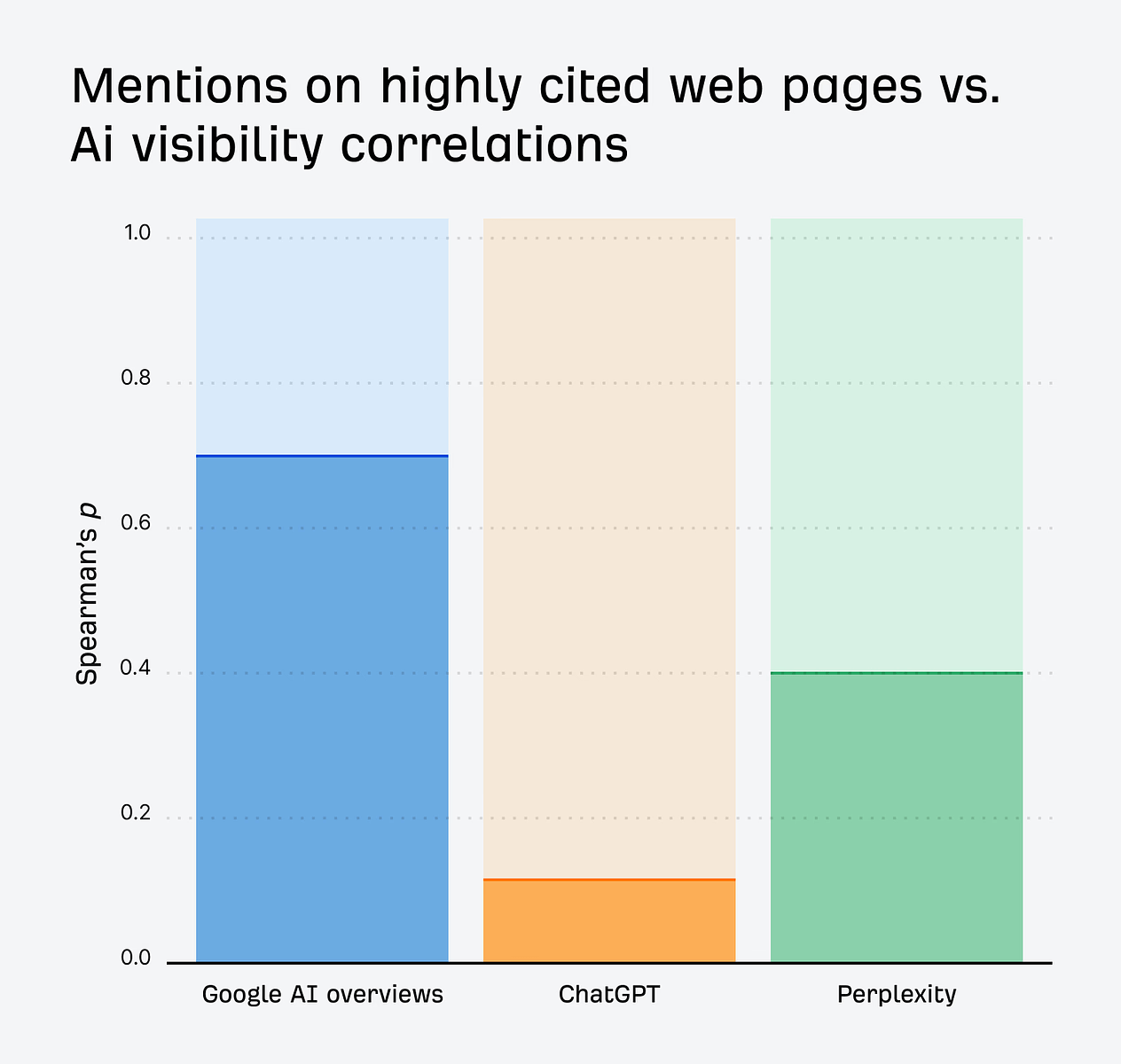
- Prompt-Focused Authority: Create deep, informational content that answers specific user queries, as informational assets generate significantly higher citation rates than purely promotional pages.
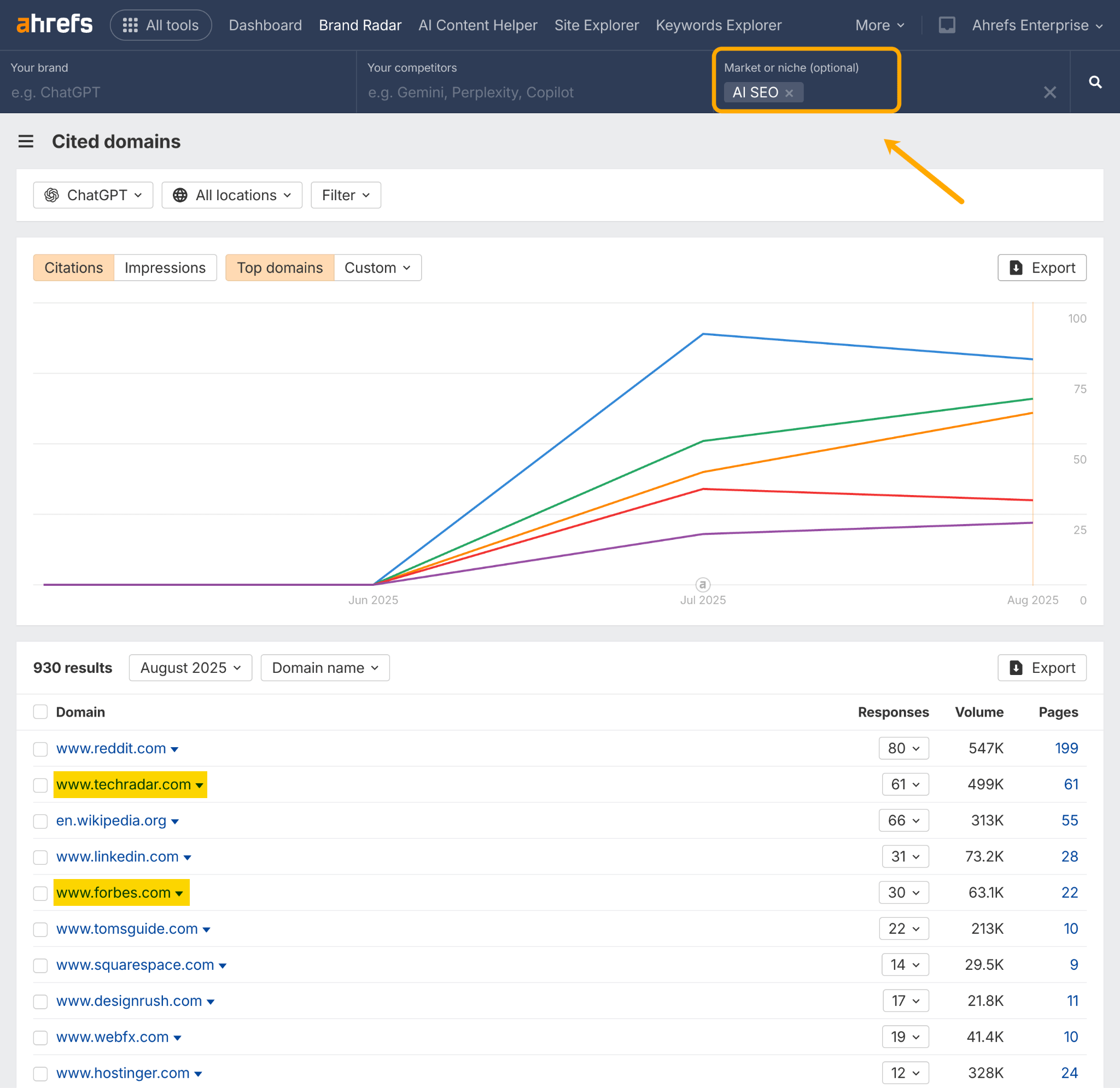
- Third-Party Validation: Secure mentions and citations from high-authority external platforms like LinkedIn, Wikidata, or industry-specific publications to build a “citation moat” that reinforces brand trust.
By prioritizing these data-driven steps, you transform your website into a reliable source for Retrieval-Augmented Generation (RAG) processes. This strategy moves beyond simple rankings to focus on becoming a cited reference, ensuring your brand is recommended at the exact moment a user engages with an AI interface to make a purchasing decision.
What are the best strategies for eCommerce LLM optimization?
For WooCommerce brands, the transition from traditional SEO to LLM optimization requires moving beyond keyword matching toward establishing semantic relevance and authority. Large Language Models (LLMs) do not just index your content; they synthesize it to provide direct answers. To remain visible in this environment, your strategy must focus on providing structured, credible, and conversational data that these models can easily ingest and trust.
- Build a Product Knowledge Graph: Instead of simple lists of technical specifications, express how product attributes create specific value for the user. This relational data helps LLMs understand the “why” behind your products, making them more likely to be recommended in conversational queries.
- Implement Advanced Schema Markup: Use specific JSON-LD structured data—such as Product, FAQ, and HowTo schema—to provide a machine-readable roadmap of your store’s information. This technical clarity ensures AI systems can accurately identify entities and relationships within your content.
- Optimize for Conversational Search: Shift your content focus toward answering complex, multi-part questions that shoppers frequently ask AI assistants. By creating FAQ-style assets that address common objections and use cases, you provide the natural language fragments that LLMs prefer for their responses.
Ultimately, winning in the era of generative search depends on your brand’s ability to earn citations through authority and clarity. By doubling down on technical fundamentals like clean XML sitemaps and high-quality backlinks while evolving your content to be more narrative and descriptive, you ensure your store is viewed as a reliable source by AI-driven discovery engines.
How to automate WooCommerce content for better AI discovery?
Automating WooCommerce content for AI discovery requires moving beyond simple keyword population toward a structured data model that large language models (LLMs) can parse with high confidence. For high-growth brands, the goal is to create a machine-readable layer where your product attributes, entities, and relationships are explicitly defined. By automating the generation of rich metadata and semantic structures, you ensure that AI agents—whether they are Google’s AI Overviews, ChatGPT, or Perplexity—can accurately extract your brand’s data for grounding their natural language responses.
To build a scalable automation engine for AI search visibility, developers and store owners should implement the following technical strategies:
- Automated JSON-LD Injection: Use hooks to dynamically generate and inject nested JSON-LD schema that defines the relationships between your Organization, Products, and Reviews, creating a “knowledge graph” that AI systems can ingest as factual input.
- Semantic Attribute Tagging: Automate the expansion of product descriptions into structured attribute taxonomies, ensuring that technical specs and compatibility data are formatted as machine-readable entities rather than just raw text.
- Dynamic FAQ Generation: Implement workflows that use AI to transform customer service data and common queries into conversational FAQ schemas, providing the semantic context needed to capture long-tail, intent-based AI search queries.
Transitioning to an automated discovery framework shifts the burden from manual SEO maintenance to a resilient system optimized for semantic retrieval. By ensuring your WooCommerce catalog is structured for both traditional indexing and RAG (Retrieval-Augmented Generation) systems, you protect your brand’s authority and visibility in an era where AI chatbots are the primary discovery layer.
Ready to take your e-commerce to the next level?
While understanding the mechanics of LLM search optimization is a critical first step, the business reality for high-growth WooCommerce brands is that visibility without a conversion-centric infrastructure is a recipe for stagnant ROI. If your organic acquisition efforts feel like they are stalling revenue despite technical optimizations, or if you suspect that your brand is becoming invisible in the shift toward AI-generated responses, you are facing a structural barrier to scale. Relying on traditional keyword-centric SEO is no longer sufficient; to capture high-intent traffic in a landscape of synthesized answers, your brand must establish itself as a trusted, verifiable entity that AI systems prioritize and users ultimately click through to for deeper value.
To move beyond speculative tactics and build a high-performance discovery engine, you need a partner that synchronizes your content strategy with a robust technical backend. We act as a strategic extension of your in-house team, helping DTC brands maximize Profit, Retention, and LTV through data-driven systems where advanced tracking, CRM, and automation operate in perfect concert. Our process begins with rigorous, conversion-focused audits to eliminate guesswork and identify the exact technical and semantic bottlenecks in your customer journey. If you are ready to transition from reactive SEO to a scalable, AI-ready ecosystem that maximizes ROAS and long-term growth, book a free marketing automation audit today.


Comments