






Expanding your eCommerce footprint into international markets is a major milestone, yet the technical execution often trails behind the strategic vision. A common friction point for growing brands is the discovery that their localized storefronts are effectively invisible to the very customers they were built for. When a French shopper is served your US site despite a dedicated French translation existing, you are not just facing a technical glitch; you are witnessing a direct erosion of your customer acquisition budget and local brand authority.
The cost of technical oversight in global SEO is measured in lost conversions and fractured user journeys. Search engines are remarkably efficient at identifying relevant content, but without explicit signals like hreflang, they are forced to guess which regional version of your site takes priority. For the high-growth store, this often results in internal competition where your own domains cannibalize each other’s rankings. Mastering these implementation nuances ensures your infrastructure matches your global ambitions, turning cross-border traffic into a predictable engine for revenue growth.
What is a hreflang tag and how does it work?
A hreflang tag is an HTML attribute used to specify the language and geographical targeting of a webpage, serving as a technical signal that tells search engines which version of your content to display to users based on their location and language preferences. For high-growth WooCommerce stores, these tags function as a programmatic map that prevents different language or regional versions of the same page from competing against each other in search results. By clearly defining the relationship between alternate URLs, you ensure that a French customer sees your .fr store rather than the English version, thereby protecting your conversion rates and local search relevance.
- The Attribute: Added within the <head> of your HTML as rel=”alternate” hreflang=”x”, where “x” identifies the specific language and region code.
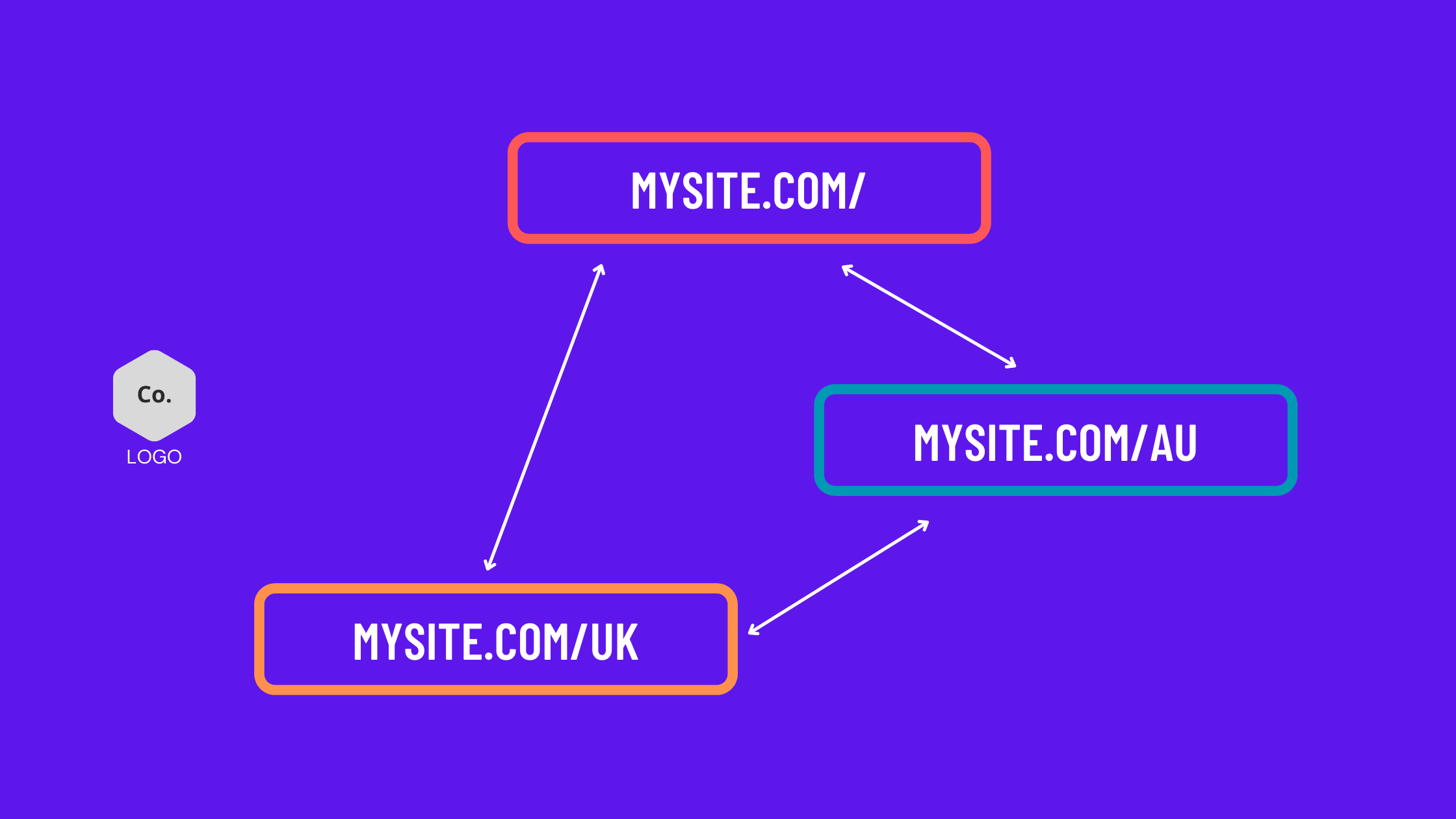
- Bidirectional Linking: For the tags to be valid, every localized version of a page must link to itself and all other alternate versions; if page A points to page B but page B does not point back, search engines will ignore the instruction.
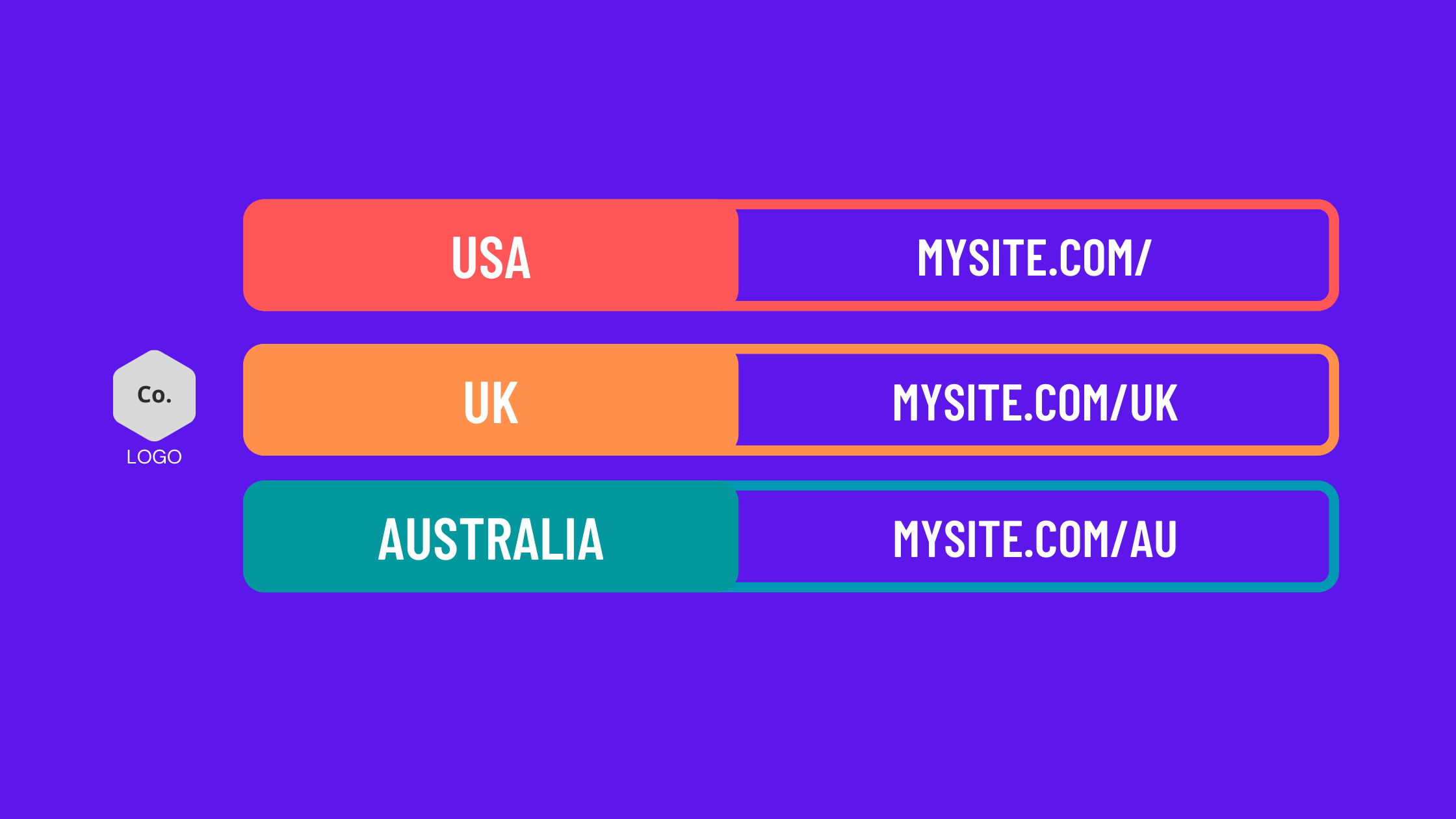
- Targeting Logic: Search engines interpret these signals to resolve conflicts between similar content, such as separate homepages for English speakers in the US, UK, and Australia, ensuring the most geographically relevant URL ranks for the local user.
Implementing hreflang correctly is essential for a successful international SEO strategy because it prevents your localized pages from being flagged as duplicate content. Without these tags, Google’s algorithms may prioritize your root domain over a more relevant regional subdirectory, such as /au/ for Australian shoppers, simply because the root domain has stronger historical authority. By deploying a robust hreflang architecture, you shift the burden of selection from the search engine’s best guess to an explicit technical instruction, directly enhancing the user experience and preventing revenue leaks caused by inaccurate geotargeting.
Why are hreflang tags important for WooCommerce global SEO?
For global WooCommerce brands, hreflang tags are a critical technical requirement to ensure search engines deliver the correct regional version of your store to users based on their location and language settings. Without these attributes, your localized pages—which may feature specific currencies, pricing, or shipping policies—often compete against one another in search results, a phenomenon known as keyword cannibalization. This technical friction frequently leads to users landing on the wrong storefront, causing high bounce rates and lost revenue opportunities.
- Eliminate Internal Competition: Hreflang prevents your own international pages from competing for the same keywords, ensuring the most relevant URL ranks for its intended audience.
- Prevent Duplicate Content Penalties: These tags help search engines recognize similar content across different regional URLs as intentional variations rather than duplicate content, protecting your domain’s overall authority.
- Maximize Conversion Rates: By automatically guiding users to a version of your store tailored to their language and region, you improve user engagement and trust, which are foundational for scaling a global eCommerce business.
Implementing a robust hreflang strategy effectively solves the “silent ceiling” on international growth by providing search engines with the clear roadmap necessary to serve the right content at the right time. For high-growth stores, this technical diligence ensures that marketing efforts in specific territories translate into actual conversions rather than technical errors or confusing customer experiences.
How to implement hreflang tags on WordPress for multilingual stores?
Implementing hreflang tags on a WordPress-powered WooCommerce store requires a technical approach that ensures search engines can accurately map your global storefronts. For high-growth brands, the most reliable method is leveraging dedicated multilingual plugins like WPML or Polylang, which automate the generation of these tags by linking translated products and categories across your database. This automation is critical because manual implementation is prone to errors—such as missing return tags or incorrect ISO codes—which can lead to search engines ignoring your regional targeting altogether.
- Plugin-Based Automation: Use a multilingual SEO-ready plugin to automatically inject hreflang attributes into the <head> of your pages. This ensures that every language version correctly references itself and its counterparts.
- Sitemap Integration: For large WooCommerce catalogs, implementing hreflang via an XML sitemap is often more efficient than header tags. This reduces page weight and latency, ensuring that Google processes your entire regional product range without impacting site speed.
- Validation and Testing: After deployment, use tools like Google Search Console to verify that your tags are being correctly interpreted. Common pitfalls, such as using non-canonical URLs or incorrect country codes, can sabotage your international visibility if left unchecked.
Beyond the initial setup, maintaining data integrity is paramount as you scale. You must ensure that every new product launch includes reciprocal links between all regional variants to prevent internal competition and duplicate content penalties. By establishing this programmatic foundation, your WooCommerce store can successfully bypass regional search confusion and serve the correct currency and language version to every international customer.
When should you use x-default hreflang tags for international markets?
For high-growth WooCommerce stores expanding into international markets, the x-default hreflang attribute is a critical fail-safe for your global SEO strategy. This tag explicitly tells search engines which version of a page to serve when no other language or regional version matches a user’s settings. Without it, you risk Google defaulting to a random localized version—such as showing a UK price in Pounds to a Japanese customer—which significantly increases bounce rates and stalls international conversions.
- Language Selectors or Splash Pages: Use x-default for your main entry point where users are prompted to select their preferred region or language, ensuring this neutral hub is the primary result for unmapped regions.
- Global Default Versions: Designate your most universally applicable store version, typically your English-language site, as the fallback for users in countries where you do not yet have a localized translation.
- Region-Independent Content: Implement this tag to direct users to a neutral URL when your website features sections that are not tailored to any specific geography.
Strategically implementing the x-default tag prevents your various store versions from competing against each other in the search engine results pages (SERPs). By nominating a “neutral” option, you provide a clear signal to search algorithms, ensuring that even users from unsupported regions are directed to a page that provides the best possible experience and a clear path to purchase.
How do hreflang tags help prevent duplicate content and boost revenue?
Hreflang tags act as a critical roadmap for search engines, signaling that multiple pages with similar content are intended for different audiences rather than being duplicate versions of the same page. For WooCommerce stores operating in multiple regions, this technical implementation prevents your localized URLs from competing against each other in the same search results. By explicitly defining the language and geographic targeting for each page, you ensure that Google serves the most relevant version to the user, such as showing the French version of your brand to a customer in France instead of the English root domain.
Implementing a reciprocal hreflang strategy directly impacts your store’s bottom line through the following mechanisms:
- Eliminating Search Cannibalization: It stops different regional versions of your site from competing for the same keywords, allowing the correct localized page to rank higher for its specific target audience.
- Boosting Conversion Rates: By landing users on a page tailored to their local preferences—complete with the correct currency, shipping details, and cultural nuances—you significantly reduce friction in the purchasing process.
- Improving User Retention: Serving content in a user’s native language and region increases trust and engagement, which are vital behavioral factors that search engines use to reward high-quality sites.
Without these tags, search engines may struggle to identify which version of your content is the most authoritative for a specific location, often defaulting to a single URL and hiding your localized subdirectories. This misconfiguration can lead to high bounce rates and lost revenue as international customers encounter irrelevant shipping information or foreign currencies. A robust hreflang setup ensures that your international SEO efforts translate into a seamless, high-converting experience across every global market you serve.
Ready to take your e-commerce to the next level?
While understanding the technical implementation of hreflang tags for your multilingual WordPress site is a vital technical hurdle, the business reality for high-growth WooCommerce brands is that structural SEO gaps often act as a silent ceiling on global revenue expansion. If your international traffic is stalling or if you suspect that poor regional targeting is causing your localized storefronts to compete against each other in search results, you are facing more than just a tagging issue; you are facing a fragmentation of your brand’s authority that destróis Customer Lifetime Value (LTV) and global profitability. Relying on basic plugins without a cohesive international strategy is a direct compromise of your ability to capture high-intent customers in their native markets.
To move beyond basic technical fixes and build a scalable, high-performance global engine, you need a partner that synchronizes your technical infrastructure with your broader growth objectives. We act as a strategic extension of your team, helping DTC brands maximize Profit and Retention through data-driven systems where advanced tracking, CRM, and localized automation operate in perfect concert. Our process begins with rigorous, conversion-focused audits to eliminate guesswork and identify the exact technical and behavioral bottlenecks preventing your brand from dominating international markets. If you are ready to stop guessing and start scaling a data-driven global commerce system, book a free consultation today.