





We’ve all heard the mantra that great content is the sole driver of email marketing success, leading many brands to believe that as long as the copy is sharp, the timing of the send is a secondary concern. But what if this casual approach to scheduling is acting as a silent leak in your revenue funnel? For high-growth eCommerce brands, the hidden cost of inaction lies in missing the narrow windows of peak engagement, leaving massive amounts of money on the table simply because your message arrived when your customer was least likely to look at their screen.
The hard reality is that maximizing Customer Lifetime Value (LTV) requires a data-driven logic that transcends guesswork and anecdotes. While global data suggests a sweet spot between 10:00 AM and 3:00 PM on Tuesdays and Thursdays, achieving true revenue expansion requires a sophisticated understanding of industry-specific behaviors and time zone optimization. This guide breaks down the latest performance data to ensure your email infrastructure isn’t just sending messages, but capturing peak intent to drive scalable growth and consistent conversions.
What is the best time to send an email for WooCommerce?
Determining the optimal send time for your WooCommerce store is a critical factor in bypassing the noise of a crowded inbox and maximizing revenue expansion. While industry data suggests a general “golden window” between 10:00 AM and 3:00 PM on Tuesdays and Thursdays, high-growth brands must look beyond these generic benchmarks to align with their specific customer lifecycle. For an eCommerce store, the goal is to land in the inbox at the exact moment of peak purchase intent, which often shifts based on the nature of your products and the lifestyle of your target demographic.
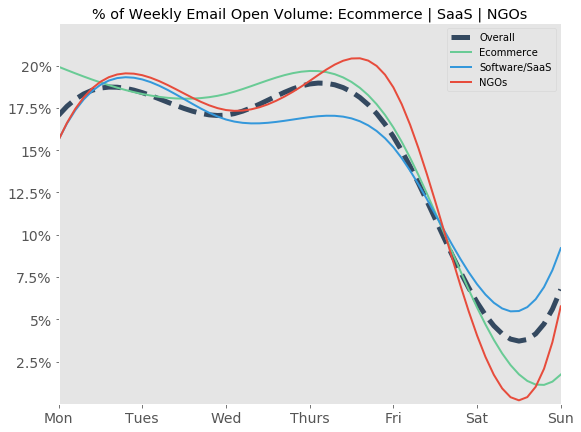
- The Tuesday/Thursday Standard: These days are historically the highest for engagement as they avoid the Monday morning backlog and the Friday afternoon wind-down, providing a stable environment for promotional broadcasts.
- The 10:00 AM Peak: Delivering messages around mid-morning captures users as they settle into their daily routines, often leading to higher open rates and immediate click-through activity.
- Time Zone Alignment: For global WooCommerce operations, using geographic segmentation to ensure emails arrive at the local “golden hour” for each recipient is essential to prevent your message from being buried overnight.
Ultimately, the business reality is that “best” is relative to your unique data set. While the 10:00 AM Tuesday slot serves as a reliable technical baseline, true growth is found by analyzing your specific conversion patterns and leveraging automation to deliver messages based on behavioral evidence rather than assumed interest. Sticking rigidly to universal rules without testing alternative windows—such as early evening for leisure-focused brands—can create a silent ceiling on your store’s total ROI.

Why are Tuesdays and Thursdays the best days to send emails?
For high-growth WooCommerce stores, the midweek dominance of Tuesday and Thursday is not a coincidence but a reflection of the typical consumer’s psychological and professional rhythm. By Tuesday, shoppers have cleared the initial backlog of Monday’s administrative “catch-up” and settled into a productive routine, making them significantly more receptive to promotional content. Thursday functions as a high-intent window where consumers begin planning their weekend purchases or leisure activities, resulting in higher engagement rates for lifestyle and retail brands.
- The Post-Monday Calm: Sending on Tuesday allows your message to land in a cleaner inbox, bypassing the high volume of internal notifications and urgent tasks that often lead to mass-deletions on Monday morning.
- Peak Productivity Alignment: Midweek periods represent the highest levels of device activity; consumers are at their most focused, making them more likely to interact with data-rich newsletters or complex product offers.
- Strategic Buffer: These days provide a critical buffer before the Friday “disconnect,” ensuring your brand remains top-of-mind before the weekend drop-off in professional and commercial engagement.
While these broad benchmarks provide a solid baseline for scheduling, a truly scalable eCommerce strategy requires moving beyond generic advice to behavioral optimization. For a global brand, it is essential to utilize Send Time Optimization (STO) features that adjust based on local time zones and individual engagement history. Relying solely on midweek sends without segmenting for specific customer habits—such as B2B buyers who prefer early mornings versus B2C shoppers who engage during evening downtime—can result in a silent ceiling on your total revenue per email.
How to optimize email send times for eCommerce revenue?
Optimizing email send times for a high-growth WooCommerce store requires moving beyond general industry benchmarks to a data-driven strategy centered on your specific customer lifecycle. While mid-week mornings between 10:00 AM and 1:00 PM often yield the highest initial open rates, true revenue optimization focuses on when your audience is most likely to complete a transaction. For eCommerce, this often means aligning your broadcasts with peak shopping windows, such as early evening periods when consumers transition from work to personal browsing.
- Segment by Time Zone: Avoid the pitfall of sending a single blast to a global list. Use your store’s data to trigger campaigns based on the recipient’s local time, ensuring your message hits the inbox during the optimal 10:00 AM to 3:00 PM window regardless of their geography.
- Analyze Purchase Latency: Review your WooCommerce analytics to identify the “golden hour” for conversions. If your data shows a spike in sales on Sunday evenings, shift your promotional outreach to capture that high-intent traffic, even if it contradicts standard B2B “best practices.”
- Test Behavioral Triggers: Move beyond static scheduling by implementing “send-time optimization” features. These tools analyze individual user engagement patterns to deliver emails at the specific time each customer is historically most active, significantly increasing the probability of a conversion.
Ultimately, the goal is to reduce the friction between the inbox and the checkout page. By auditing your historical order data and testing variables like Tuesday versus Thursday sends, you can build a resilient communication schedule that maximizes Customer Lifetime Value (LTV) and ensures your brand remains top-of-mind during peak decision-making moments.
When should you send marketing emails to increase open rates?
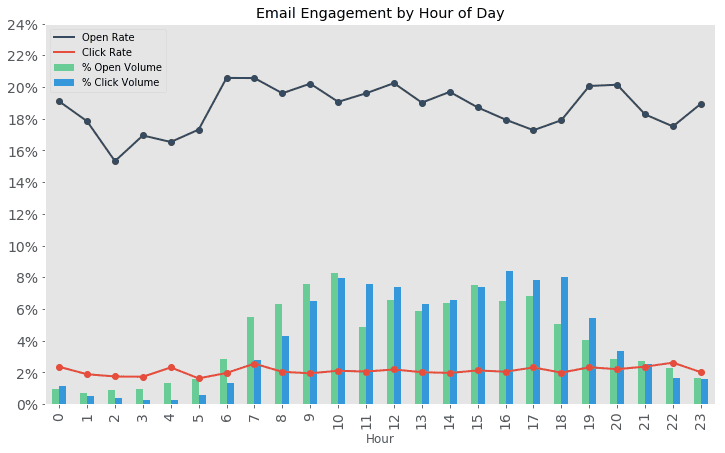
For high-growth WooCommerce brands, the optimal window for maximizing open rates centers on Tuesdays and Thursdays between 10:00 AM and 3:00 PM. Sending during these mid-week peaks captures users when they are most engaged with their professional and personal inboxes, avoiding the Monday morning backlog and the Friday afternoon disconnect. However, while these global benchmarks provide a strong technical baseline, true performance gains require adjusting your delivery schedule to account for regional time zones and the specific lifestyle patterns of your target audience.
- Tuesdays and Thursdays: These days consistently yield the highest engagement because subscribers have cleared their weekend task lists and remain focused on active decision-making.
- The 10:00 AM Sweet Spot: Delivering messages at 10:00 AM local time often achieves the highest initial visibility, as it aligns with the first period of sustained inbox management during the workday.
- Industry-Specific Nuances: B2B audiences respond best to strict mid-morning windows, whereas B2C lifestyle brands may see secondary engagement spikes during evening “leisure hours” or commute times.
Relying solely on static schedules often leads to a “silent ceiling” on your engagement metrics as your list grows. To move beyond broad averages, eCommerce merchants should implement send-time optimization tools that analyze historical behavior at the individual subscriber level. By triggering emails based on when a specific customer has historically opened messages, you bypass the noise of a crowded inbox and ensure your content surfaces at the exact moment of highest intent, directly driving higher Customer Lifetime Value.
How to use automation to send emails at the perfect time?
For high-growth WooCommerce stores, relying on static schedules like “Tuesday at 10:00 AM” creates a technical bottleneck that ignores the individual behavioral patterns of your global audience. Transitioning to an automated infrastructure involves leveraging Send-Time Optimization (STO) algorithms that analyze historical engagement data—specifically opens, clicks, and purchase timestamps—to predict when a specific user is most likely to interact with your brand. By shifting from batch sending to individual delivery windows, you ensure your marketing messages land at the top of the inbox exactly when the recipient is active, significantly reducing the risk of your content being buried by competitors.
To effectively implement timing automation within your eCommerce ecosystem, focus on these three core technical components:
- Behavioral Profiling: Utilize an automation platform that syncs with your WooCommerce database to track per-user engagement history rather than relying on list-wide averages.
- Time Zone Alignment: Configure your workflows to respect the recipient’s local time zone automatically, preventing promotional alerts from arriving during “quiet hours” or late at night.
- Window Optimization: Set a defined send window (e.g., 24 hours) within your journey builder to allow the AI enough flexibility to find a peak engagement moment while maintaining the relevance of time-sensitive offers.
Beyond basic scheduling, the business reality is that timing automation must be paired with high-quality content and clean deliverability data. While AI can pinpoint the perfect hour, the impact on your revenue expansion ultimately depends on whether the message provides immediate value once opened. By delegating the delivery logic to a robust STO engine, you remove the guesswork from your campaign orchestration and create a scalable communication strategy that adapts to your customers’ evolving habits in real-time.
Ready to take your e-commerce to the next level?
While mastering the optimal day and hour for your email campaigns is a fundamental step toward better engagement, the technical reality for high-growth WooCommerce brands is that generic send times are often a silent ceiling on your revenue. If your retention efforts feel like they are stalling despite following industry benchmarks, or if you suspect that unoptimized delivery windows are causing you to leave money on the table, you are facing a structural data gap that simple scheduling cannot fix. Relying on “best practice” averages rather than individual behavioral data is a direct compromise of your Customer Lifetime Value and your ability to capture intent-driven conversions.
To move beyond vanity metrics and build a high-performance communication engine, you need a partner that synchronizes your marketing automation with your broader profitability goals. We act as a strategic extension of your team, helping DTC brands maximize Profit, Retention, and LTV through data-driven systems where CRM, advanced tracking, and automation operate in perfect concert to eliminate guesswork. Our process begins with rigorous, conversion-focused audits to identify the exact technical and behavioral bottlenecks in your customer journey. If you are ready to transition from manual scheduling to a scalable, automated infrastructure that maximizes ROAS, book a free marketing automation audit today.