

The digital landscape is currently saturated with speculative SEO theories that often lead brands to over-engineer their technical stacks while ignoring the foundational elements that actually drive visibility. This culture of speculation creates a significant operational drain, as marketing teams pivot strategies based on rumors rather than verified signals. For an eCommerce brand, the risk is not just a loss of organic reach, but the waste of critical resources on tactics that have no direct correlation with search engine success.
Distinguishing between industry myths and confirmed algorithmic requirements is essential for maintaining a lean, high-impact growth strategy. When you strip away the noise of unverified conjectures, you are left with a definitive set of variables that Google has explicitly acknowledged as high-priority ranking signals. By centering your optimization efforts on these confirmed pillars, you ensure that every technical adjustment and content investment is built on a foundation of certainty rather than guesswork.
What are the most important Google ranking factors for eCommerce?
For high-growth WooCommerce stores, distinguishing between speculative SEO myths and confirmed Google ranking factors is the difference between a scalable growth engine and wasted marketing spend. While search algorithms are complex, focusing on verified signals ensures your store builds sustainable organic authority that survives major updates. These core factors prioritize technical integrity and content relevance, which directly correlate with higher conversion rates and revenue expansion.
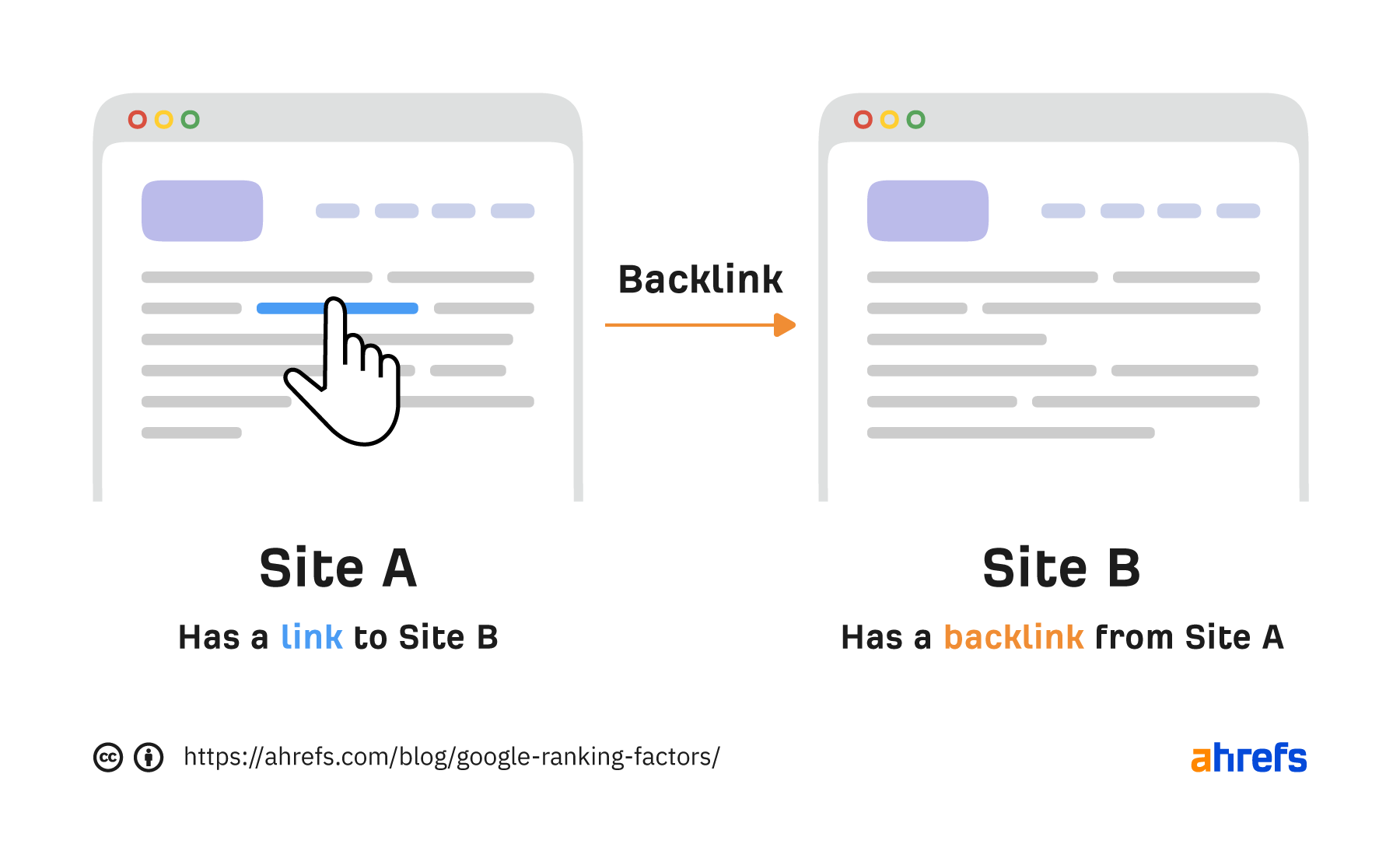
- Backlinks: Confirmed by Google as a primary ranking signal, high-quality links from authoritative websites serve as a vote of confidence, signaling to search engines that your store is a trusted leader in its niche.
- Page Speed and Core Web Vitals: Millisecond latency is critical for eCommerce; faster load times improve both your search rankings and your checkout completion rates.
- Mobile-Friendliness: With the majority of eCommerce traffic originating from mobile devices, Google uses mobile-first indexing to ensure that users on smaller screens receive a seamless and functional shopping experience.
- Keyword Relevance and Content Quality: Proper keyword placement in title tags and product descriptions helps Google understand your catalog and match it with high-intent shopper queries.
Prioritizing these confirmed signals allows you to move beyond the misinformation that often stalls eCommerce growth. By aligning your technical infrastructure—such as secure HTTPS and clear URL structures—with high-value content, you create a foundation for long-term digital discoverability and market competitiveness.
How do high-quality backlinks improve WooCommerce SEO?
For high-growth WooCommerce stores, high-quality backlinks serve as more than just technical signals; they function as a fundamental programmatic endorsement of your store’s commercial legitimacy. Since Google confirmed backlinks as one of their strongest ranking factors in 2016, the focus for eCommerce brands has shifted from volume to relevance. In a competitive digital landscape, a single link from a reputable, niche-relevant publication carries significantly more weight than hundreds of low-quality redirects, which often do nothing more than increase your site’s spam score.
- Trust Signals and Authority: Backlinks act as “trust signals” that help Google perceive your site as an authoritative industry leader, which is essential for increasing your overall domain authority.
- Direct Referral Traffic: Beyond search engine rankings, quality links from authoritative industry websites drive steady, qualified referral traffic directly to your product pages, increasing the probability of conversions.
- Link Equity Distribution: Strategic external links pointing to your category pages help distribute link equity throughout your internal linking structure, supporting the ranking potential of your entire product catalog.
Ultimately, a safe and effective link-building strategy for 2026 focuses on earning natural, editorial mentions that provide genuine value to the user. For a WooCommerce store owner, this means prioritizing relationships with influencers and reputable media outlets to build a backlink profile that survives algorithm updates and drives long-term revenue growth. Failing to focus on high-quality, relevant links is a structural error that leaves your store vulnerable to competitors who are successfully leveraging the compound effects of earned authority.
Why is page speed a critical ranking factor for online stores?
For high-growth WooCommerce stores, page speed is a confirmed ranking factor that functions as a critical differentiator in competitive search landscapes. Google prioritizes fast-loading sites because they provide a superior user experience, which is essential for retaining mobile shoppers who often abandon pages that take longer than three seconds to load. Beyond direct ranking benefits, speed serves as a technical foundation that influences how efficiently search engines crawl and index your product pages.
- Core Web Vitals Compliance: Google evaluates real-world performance through metrics like Largest Contentful Paint (LCP), where an ideal load time is under 2.5 seconds.
- Bounce Rate Mitigation: Slow speeds trigger higher bounce rates, sending negative engagement signals to Google that can eventually demote your rankings.
- Mobile-First Indexing: Since Google primarily uses the mobile version of your site for ranking, a slow mobile experience will drag down your store’s visibility even if the desktop version is fast.
Optimizing for speed is not just about chasing a high lighthouse score; it is about ensuring that three out of four visitors have a seamless experience, as Google measures performance at the 75th percentile of actual user data. By improving load times, you create a positive feedback loop where better engagement metrics support higher search rankings and improved conversion rates for your eCommerce business.
How does mobile-friendliness impact your Google search rankings?
Mobile-friendliness is no longer just a recommended optimization for WooCommerce stores; it is the primary lens through which Google evaluates your site’s relevance and authority. Since Google completed its transition to mobile-first indexing in 2024, the smartphone version of your content serves as the universal baseline for all indexing and ranking determinations. If your mobile experience is subpar, your brand risks significant drops in visibility across all devices, as Google prioritizes sites that offer a seamless experience for the 60% of global web traffic originating from mobile phones.
- Mobile-First Indexing: Google predominantly uses the mobile version of your content for crawling and indexing, meaning missing elements on your mobile site effectively do not exist for ranking purposes.
- Core Web Vitals: Performance metrics such as Largest Contentful Paint (LCP) and Cumulative Layout Shift (CLS) are measured on a mobile user-agent, directly impacting your position in search results.
- User Engagement Signals: A poor mobile interface increases bounce rates and reduces dwell time, signaling to Google that your site is low-quality and less worthy of top positions.
To protect your eCommerce revenue expansion, you must ensure strict content parity and technical equivalence between your mobile and desktop versions. This involves more than just a responsive layout; it requires identical meta tags, structured data, and internal links to ensure Googlebot Smartphone can accurately map your store’s semantic depth. Failing to optimize for the mobile crawler creates a structural bottleneck that no amount of desktop-focused SEO can overcome.
What role do Core Web Vitals play in eCommerce revenue growth?
Core Web Vitals serve as the technical bridge between site performance and measurable revenue growth for WooCommerce stores by quantifying the real-world user experience. Google confirmed these metrics as a direct ranking factor in 2021, emphasizing that slow or unstable websites frustrate users and negatively impact search visibility. For high-growth eCommerce brands, optimizing these signals is not merely a technical checkbox but a strategic necessity to prevent cart abandonment and maximize audience-wide Customer Lifetime Value (LTV).
- Largest Contentful Paint (LCP): Measures loading performance by tracking when the largest visible element—such as a product hero image or banner—is fully rendered, with a target of 2.5 seconds or less to maintain user attention.
- Interaction to Next Paint (INP): Evaluates interactivity and responsiveness throughout a user’s entire visit, ensuring that actions like clicking ‘Add to Cart’ provide immediate visual feedback.
- Cumulative Layout Shift (CLS): Measures visual stability to prevent unexpected movement of page elements during loading, which is critical for maintaining trust during the checkout process.
Beyond search rankings, these metrics directly correlate with conversion rates; for example, improving LCP ensures that mission-critical content appears quickly enough to keep users in the sales funnel. By prioritizing a frictionless technical foundation, store owners can reduce bounce rates and ensure that high-intent traffic translates into completed transactions rather than lost opportunities.
Ready to take your e-commerce to the next level?
While mastering confirmed Google ranking factors is a necessary technical baseline, the business reality for high-growth WooCommerce brands is that search visibility without a conversion-led strategy is a recipe for empty metrics. If your organic growth feels like it is stalling your revenue expansion, or if you suspect that your SEO efforts are merely chasing traffic rather than high-intent customers, you are facing a structural gap between technical execution and bottom-line profitability. Relying on fragmented tactics or unconfirmed myths is not just a marketing inefficiency; it is a direct compromise of your ability to maximize Customer Lifetime Value (LTV) and capture market share in an increasingly sophisticated digital ecosystem.
To move beyond basic optimization and build a high-performance growth engine, you need a partner that synchronizes your search strategy with a fully integrated eCommerce system. We act as a strategic extension of your in-house team, helping DTC brands maximize Profit, Retention, and LTV through data-driven systems where tracking, CRM, and automation operate in perfect concert. Our process eliminates guesswork by starting with rigorous, conversion-focused audits that identify the exact technical and behavioral bottlenecks in your customer journey. If you are ready to transition from chasing vanity rankings to implementing a scalable, data-driven system that maximizes ROAS and long-term growth, book your audit today.


Comments