






The gap between ranking on page one and actually capturing a customer’s click is widening as search engines prioritize instant, structured information over simple blue links. For eCommerce brands, relying on standard metadata is no longer enough to stand out in a crowded digital shelf where visual real estate is dominated by rich features. When your product data remains unstructured, you are essentially asking Google to guess your relevance rather than providing the explicit context needed to command attention through rich results.
Implementing schema markup is a strategic pivot from passive indexing to active discovery. By translating your storefront’s information into a language search engines can instantly parse, you enable the high-impact snippets that drive higher click-through rates and better-qualified traffic. This guide moves beyond the technical syntax to show how precise data implementation serves as a foundational pillar for scalable organic growth and long-term search visibility.
What is schema markup and why is it important for SEO?
Schema markup, also known as structured data, is a standardized vocabulary of code that you add to your website’s HTML to help search engines understand the context and relationships within your content. While search engines use sophisticated algorithms, they often struggle to interpret the nuances of human language; schema fills this gap by defining entities and properties in a machine-readable format. By transforming raw text into a connected semantic data layer, you enable platforms like Google and Bing to represent your pages with greater accuracy.
- Semantic Clarity: It provides search engines with explicit clues about the meaning and intent of your content, rather than just identifying keywords.
- Rich Results Eligibility: Implementing schema is the technical prerequisite for qualifying for rich snippets, such as star ratings, product prices, and availability, which significantly enhance your visibility.
- Improved Click-Through Rates: By making search listings more informative and visually appealing, structured data helps drive higher engagement and more relevant traffic to your site.
For any WooCommerce store aiming for a professional edge, schema markup is a critical component of technical SEO that ensures your products are understood as distinct commercial entities. Although it is not a direct ranking factor, the enhanced visibility and improved click-through rates it provides are essential for building brand authority and trust in an increasingly competitive search landscape. Failing to provide this structured data often means missing out on the rich features that capture customer attention at the exact moment of search.

Why is schema markup crucial for WooCommerce revenue growth?
For high-growth WooCommerce stores, schema markup acts as a critical bridge between your product database and the increasingly complex algorithms of search engines. While basic SEO targets keyword matching, structured data provides the explicit context—such as price, availability, and review ratings—that triggers rich results. In a competitive landscape, these enhanced snippets serve as a visual trust signal, making your products appear more credible and significantly more clickable than plain-text competitors.
- Increased Click-Through Rates (CTR): By surfacing star ratings and pricing directly on the SERP, schema markup drives highly qualified traffic to your store, often increasing clicks even without a change in ranking.
- Data Disambiguation: It removes technical ambiguity by explicitly defining entities like brand, SKU, and price, ensuring your products are indexed accurately for high-intent shopping queries.
- AI and Voice Search Readiness: Structured data is the primary language used by AI discovery tools and voice assistants to pull factual answers, future-proofing your store for zero-click search environments.
Ultimately, implementing robust schema is a strategic move to maximize your existing search visibility and protect your Customer Lifetime Value (LTV). By ensuring your catalog is understood and selected by both search engines and the AI tools that depend on them, you eliminate the structural barriers that often stall revenue expansion. This technical diligence transforms your storefront into a high-performance engine capable of automated eCommerce scaling.
How to implement schema markup on your eCommerce website?
Implementing schema markup on your WooCommerce site is a technical necessity that bridges the gap between raw data and search engine intelligence. While WooCommerce provides basic product schema out of the box, high-growth brands must go further by utilizing JSON-LD (JavaScript Object Notation for Linked Data), which is Google’s preferred format for its ease of maintenance and lack of impact on page design. The implementation process involves mapping your site’s unique entities to the standardized vocabulary of Schema.org to ensure that search engines can classify your content without ambiguity.
- Entity Mapping: Before writing any code, audit your current structured data and map specific schema types to your page types, prioritizing high-impact pages like Product, Collection, and Local Business.
- Script Integration: Place your custom JSON-LD blocks within the head section of your HTML, ensuring that dynamic data—such as variable product pricing or real-time inventory levels—is correctly reflected in the initial markup to qualify for rich results.
- Validation and Monitoring: Rigorously test every implementation using tools like Google’s Rich Results Test or the Structured Data Testing Tool to confirm the code is interpreted correctly before monitoring performance in Google Search Console.
By adopting a programmatic approach to structured data, you move beyond simple rich snippets to build a comprehensive data graph that clarifies your site architecture for crawlers. This level of precision is critical in the age of Generative Experience (GEO) and voice search, where providing explicit context ensures your brand remains the authoritative source for relevant user queries.
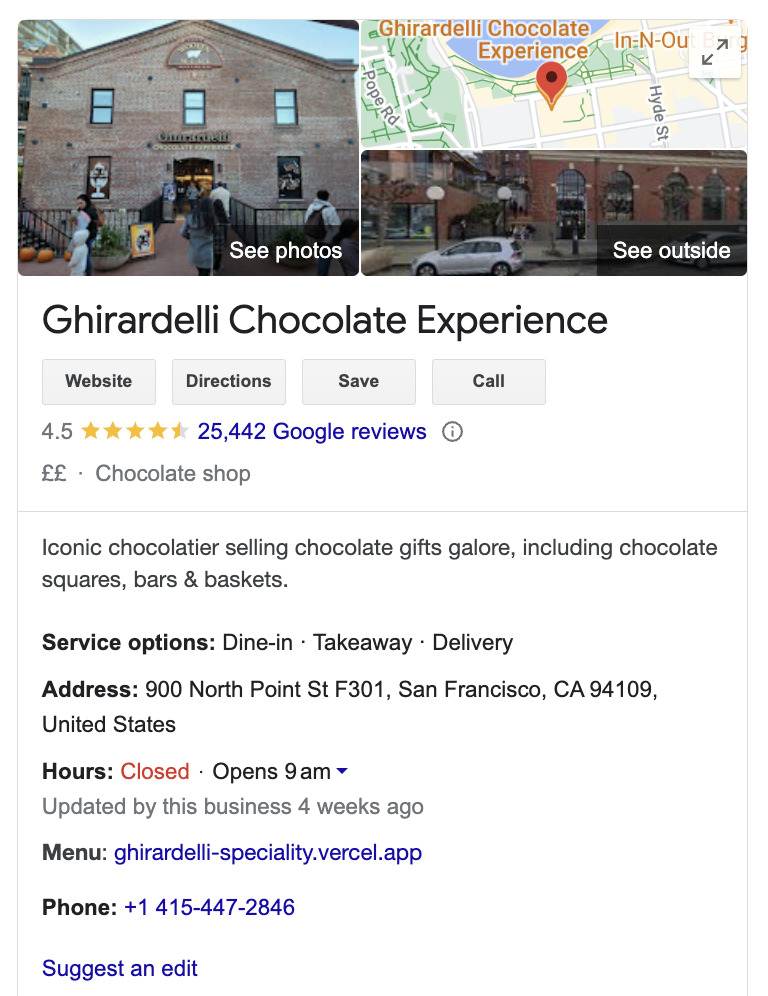
What are the most common types of schema markup for online stores?
For WooCommerce brands looking to maximize their search visibility, identifying the correct schema vocabulary is the difference between a standard blue link and a high-converting rich result. While many site owners focus solely on individual products, a comprehensive eCommerce strategy requires a layered approach that labels various entities to build a complete data model for search engines. By implementing multiple schema types, you provide the explicit context necessary for Google to display your store in product carousels, AI-driven summaries, and map results.
- Product Schema: This is the most critical markup for online stores, as it enables rich results that display price, stock availability, and star ratings directly on the search engine results page (SERP).
- Review and AggregateRating Schema: By tagging customer feedback, you earn social proof indicators in organic search and Google Shopping, which significantly improves click-through rates.
- Organization and Local Business Schema: These types define your brand’s authority, linking social profiles and delivery policies while helping physical storefronts appear in localized map searches.
- Breadcrumb Schema: This markup helps search engines understand your site’s hierarchy, displaying clear navigation paths in search results that improve user experience and keyword prominence.
Strategic implementation should prioritize high-leverage pages like top-selling product details and category landing pages where seasonal demand is highest. Moving beyond basic product tags to include Organization and Breadcrumb schema ensures that your catalog is not just indexed but understood as a structured entity. This technical foundation positions your brand for visibility in emerging AI-driven shopping snapshots and product discovery tools.
How does schema markup improve click-through rates and sales?
For high-growth WooCommerce brands, schema markup serves as a high-leverage bridge between your product data and how search engines interpret customer intent. By providing standardized, machine-readable code, you enable Google to generate rich snippets that transcend standard text results, prominently featuring high-intent data points like real-time pricing, stock availability, and aggregate star ratings directly on the Search Engine Results Page (SERP). This enhanced visual presence is critical for capturing organic traffic, as rich results consistently earn more clicks by standing out from competitors and providing immediate value to the shopper before they even land on your site.
- Increased Click-Through Rate (CTR): Eye-catching rich snippets, such as product images and review stars, differentiate your listings from generic results, which has been shown to significantly improve CTR and drive more qualified local and global traffic to your store.
- Pre-Qualified Sales Intent: By displaying commercial details like price and shipping information directly in search results, schema markup helps users make informed decisions faster, ensuring that the traffic reaching your product pages has a higher probability of conversion.
- Enhanced Brand Trust: Implementing organizational and review schema establishes a credible digital footprint, fostering brand loyalty by presenting consistent messaging and social proof, such as verified customer ratings, at the very first touchpoint in the customer journey.
While schema does not act as a direct ranking factor in Google’s algorithm, the resulting improvement in user experience and engagement metrics signals high relevance to search engines, which can indirectly bolster your long-term SEO performance. For WooCommerce stores looking to maximize revenue expansion, structured data is a technical necessity that ensures your products are eligible for enhanced visibility in AI-driven shopping results and competitive zero-click search environments.
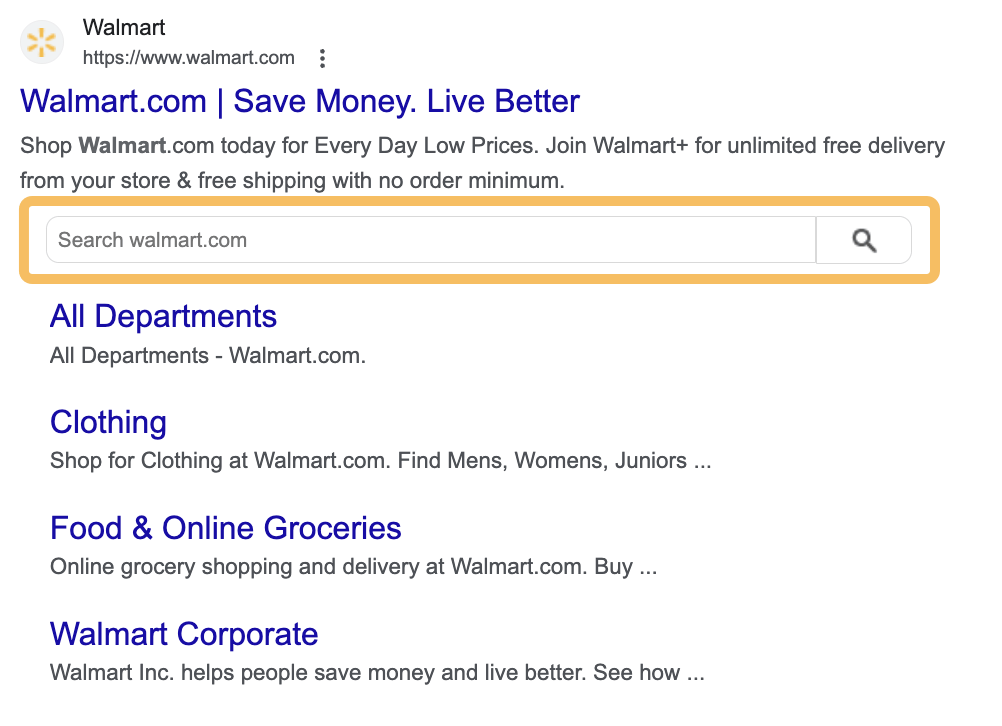
Ready to take your e-commerce to the next level?
While mastering the technical nuances of schema markup is a vital step toward increasing visibility, the strategic reality for high-growth WooCommerce brands is that enhanced click-through rates without a conversion-optimized backend often result in wasted potential. If your search visibility is increasing but your revenue remains stagnant, or if you suspect that a lack of structured data is causing you to lose high-intent traffic to competitors, you are facing a structural gap that impacts your bottom line. Relying on basic SEO tactics without a unified data strategy is a direct compromise of your ability to scale profitably in an increasingly competitive AI-driven landscape.
To move beyond vanity metrics and build a high-performance growth engine, you need a partner that integrates your technical SEO with your broader business objectives. We act as an extension of your in-house team, helping DTC brands maximize Profit, Retention, and LTV through data-driven systems where paid media, CRM, and advanced tracking operate in perfect concert. Our methodology is centered on conversion-focused audits that eliminate guesswork and identify the exact technical and strategic bottlenecks hindering your ROAS. If you are ready to transform your site into a scalable asset that maximizes every search impression, book a free consultation today.