

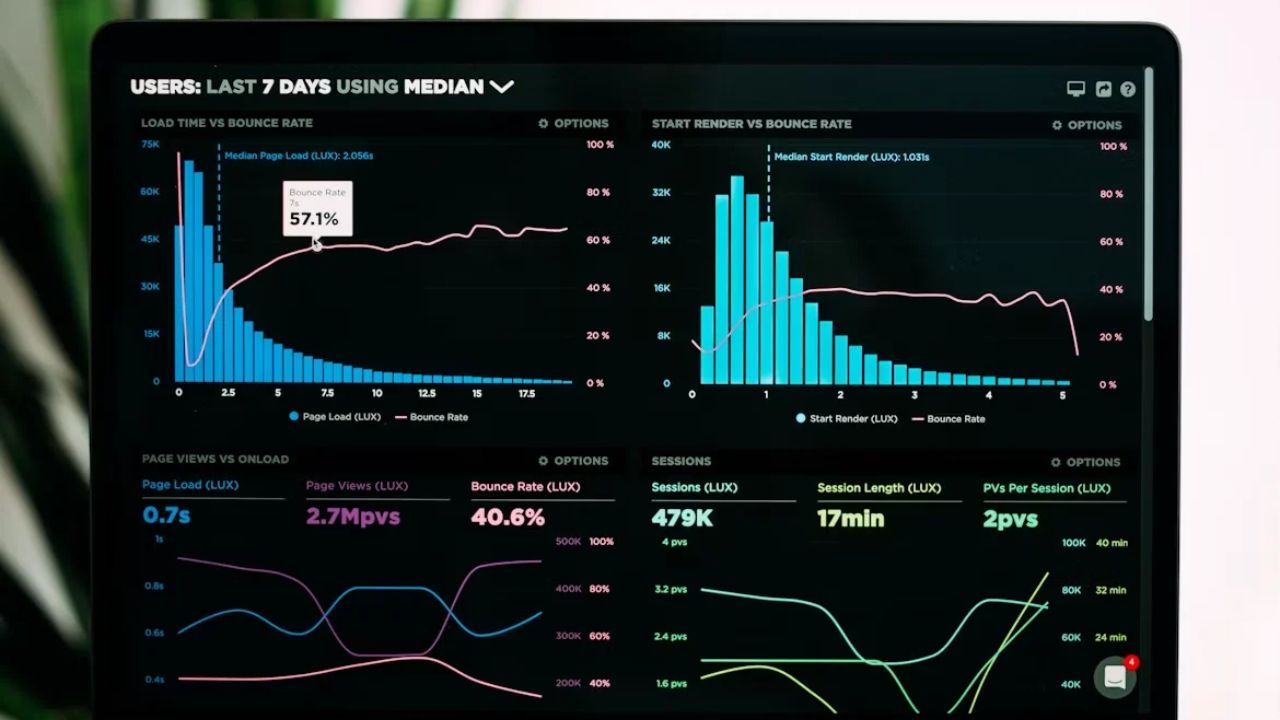
Most ecommerce dashboards report traffic, conversion rate, and revenue as if they were separate stories, when in reality they’re fragments of a single connected path a customer walks before buying. Web analytics, used properly, is what stitches those fragments back together into an actual customer journey — showing not just what happened, but the sequence of touchpoints that led there. In this article, we’ll explore how web analytics reveals the customer journey across acquisition, on-site behavior, and conversion, why fragmented tracking breaks that picture, and how connecting analytics to real purchase and CRM data turns journey mapping from a theoretical exercise into an actionable growth tool.
What Does It Actually Mean to Map the Customer Journey With Web Analytics?
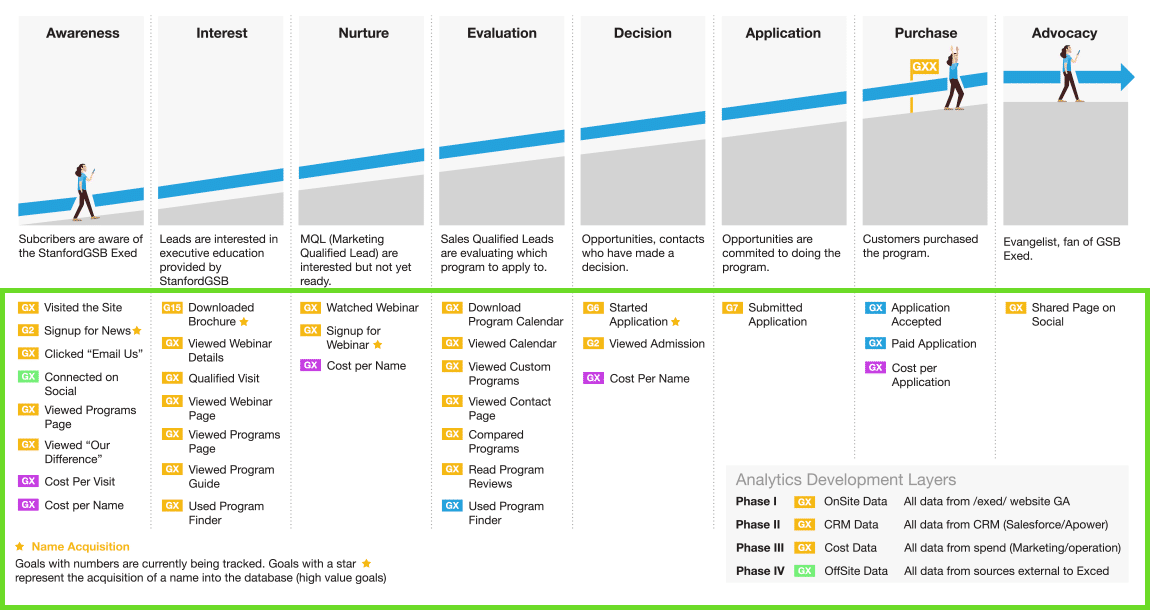
Customer journey mapping with web analytics means reconstructing the sequence of touchpoints — acquisition channel, on-site browsing, cart behavior, and eventual conversion (or abandonment) — that a customer moves through before making a purchase decision, rather than looking at any single stage in isolation. The core elements a proper journey view captures:
- Acquisition touchpoints: how the customer first discovered the brand and what channel(s) brought them back on subsequent visits.
- On-site behavior patterns: which pages, products, or content the customer engaged with before showing purchase intent.
- Conversion path: the specific sequence of actions immediately preceding a completed purchase, including any friction points along the way.
- Post-purchase behavior: whether and how the customer re-engages after their first order, which feeds directly into retention and lifecycle strategy.
The mistake most ecommerce brands make is treating web analytics as a collection of separate reports — traffic sources here, conversion rate there, product performance somewhere else — rather than a connected narrative. A customer journey view only becomes useful when these data points are examined together: understanding that visitors from a specific channel tend to browse three product pages before converting, for instance, reveals something actionable that no single report shows in isolation. This connected view is what separates analytics as a reporting exercise from analytics as a genuine strategic tool.
How Does Acquisition Data Reveal the Start of the Customer Journey?
Acquisition data — where traffic originates and how it first arrives — sets the starting context for everything that follows in the customer journey, and understanding it accurately is foundational to interpreting the rest of the funnel correctly.
What acquisition data reveals about journey origins:
- Channel-specific behavior differences: visitors arriving from paid social often behave differently on-site than those arriving from organic search or direct navigation, since they enter with different levels of prior intent and brand familiarity.
- First-touch vs. multi-touch patterns: some customers convert on their very first visit, while others research across multiple sessions and channels before purchasing — a pattern only visible when acquisition data is tracked longitudinally, not just per-session.
- Content and campaign-specific entry points: understanding which specific ad, email, or piece of content drove the visit provides context for what the customer is likely looking for once they land on-site.
The common mistake is treating acquisition as a one-time event rather than the opening chapter of an ongoing journey. A customer who first arrives via a paid ad, leaves without converting, and returns two weeks later via organic search or a retargeting email represents a single continuous journey — but without properly connected tracking (and often without User ID implementation for logged-in customers), these touchpoints can appear as disconnected, unrelated sessions rather than stages in the same customer’s path to purchase. Accurately capturing this requires acquisition data that persists and connects across sessions, not just per-visit reporting.
Why Does On-Site Behavior Data Matter More Than Traffic Volume Alone?
Raw traffic volume tells you how many people arrived, but on-site behavior data tells you what they actually did once they got there — and it’s this behavioral layer that reveals whether traffic is genuinely engaged or simply passing through.
Key behavioral signals worth tracking as part of journey mapping:
- Page depth and browsing sequence: which products or categories a visitor explores, and in what order, often reveals purchase intent and product interest more accurately than a single landing page metric.
- Cart and checkout interaction patterns: where in the checkout flow customers hesitate or abandon reveals specific friction points, not just an aggregate abandonment rate.
- Return visit behavior: whether a customer comes back to view the same product multiple times before purchasing (a strong intent signal) versus browsing broadly without returning to anything specific.
- Search and filter usage on-site: what customers search for or filter by on your own site often reveals demand and preferences that external keyword research can’t capture as directly.
The common oversight is optimizing for traffic volume and top-of-funnel metrics while under-analyzing what happens after the click. A brand driving significant traffic but seeing weak conversion rates almost certainly has a behavioral story to tell — page-level drop-off, confusing navigation, or a mismatch between ad messaging and landing page content — that traffic volume alone will never surface. This is precisely where behavioral analytics becomes more diagnostically useful than acquisition metrics.
Can You Fully Reconstruct the Customer Journey With Analytics Alone?
Web analytics alone provides a meaningful but incomplete view of the customer journey — it captures digital touchpoints comprehensively, but several structural gaps mean analytics data by itself rarely tells the complete story. The gaps that limit analytics-only journey mapping:
- Cross-device fragmentation: without proper User ID implementation, the same customer researching on mobile and purchasing on desktop appears as two disconnected journeys rather than one continuous path.
- Offline and non-digital touchpoints: word-of-mouth, physical retail presence, or influencer mentions that don’t generate a trackable click leave no direct analytics footprint, even though they may have significantly influenced the purchase decision.
- Privacy and consent limitations: tracking restrictions and declined consent mean a meaningful share of the actual customer journey remains structurally invisible to any analytics platform, regardless of configuration quality.
- Siloed data across tools: email engagement, SMS interaction, and on-site behavior often live in separate platforms that don’t natively share data, fragmenting what should be a single connected customer story.
The realistic goal isn’t a perfect, complete reconstruction of every customer’s journey — that’s not achievable given consent restrictions and offline influence — but a meaningfully more accurate picture than any single tool provides in isolation. This is why connecting web analytics to CRM, email/SMS platform data, and actual order history matters: each additional connected data source closes part of the gap that analytics alone leaves open.
How Can Marketing Automation and CRM Integration Complete the Customer Journey Picture?
Connecting web analytics to a CRM and marketing automation platform is what transforms journey mapping from a passive reporting exercise into something that actively informs personalized marketing — closing much of the gap that analytics alone can’t cover. How this integration strengthens the journey view:
- Unifies on-site behavior with purchase and engagement history, so a customer’s browsing pattern, email engagement, and actual orders are viewed as one connected record rather than separate, disconnected data sources.
- Enables behavior-triggered marketing based on real journey stage, rather than generic time-based sequences that ignore where a customer actually sits in their path to purchase.
- Improves attribution accuracy, since CRM-connected customer IDs can bridge some of the cross-device and cross-session gaps that pure browser-based tracking leaves open.
- Surfaces actionable segments directly from journey patterns, such as customers who repeatedly browse a category without purchasing, who become a natural target for a specific, relevant campaign rather than a generic broadcast.
For WooCommerce stores specifically, this means connecting storefront analytics, order data, and email/SMS engagement into a single system where the customer journey isn’t just observed after the fact, but actively shapes what happens next — a customer who’s browsed a specific product three times receives a genuinely relevant follow-up, rather than the same newsletter as everyone else on the list. This is where journey mapping stops being a reporting exercise and becomes a direct revenue lever.
Ready to take your e-commerce to the next level?
If your analytics reports tell you what happened but never quite explain why customers convert (or don’t), the gap usually isn’t a reporting problem — it’s that acquisition data, on-site behavior, and purchase history are sitting in disconnected systems instead of forming one coherent journey. A fragmented view of the customer path makes it nearly impossible to know which touchpoint actually needs fixing.
This is exactly the kind of gap we help DTC and ecommerce brands close. As an extension of your in-house team, we build data-driven systems where advanced tracking, CRM, and marketing automation work together to reveal the real customer journey — not just isolated metrics across disconnected dashboards. If you want a clear, connected picture of how your customers actually move from discovery to purchase, book a free marketing automation audit and get a data-driven, conversion-focused view of your customer journey.


Comments