






Scaling a content engine often creates a friction point that many eCommerce teams fail to diagnose until their publication schedule stalls. The bottleneck rarely lies in the writers’ ability or the editor’s speed, but rather in the lack of clear guardrails provided at the start of the creative process. Without a high-fidelity roadmap, content production becomes a series of expensive course-corrections and endless revision cycles that destrói your marketing ROI.
A well-constructed content brief acts as the primary tool for operational efficiency, ensuring that every asset produced aligns with your broader commercial objectives and customer acquisition goals. By professionalizing the handoff between strategy and execution, you eliminate the ambiguity that leads to off-brand messaging and missed SEO opportunities. This guide outlines how to build lean, effective briefs that empower your team to deliver high-performing content at pace without sacrificing editorial excellence.
What is a content brief and why is it important for WooCommerce?
A content brief is a strategic roadmap that provides writers with the essential context, goals, and technical requirements needed to produce high-performing editorial assets. For WooCommerce store owners, these documents act as a critical bridge between high-level SEO strategy and the actual execution of blog posts or product guides. By defining the target audience, search intent, and core messaging upfront, you ensure that every piece of content serves a specific business objective rather than just filling up a page.
- Strategic Alignment: Briefs connect your content directly to WooCommerce growth goals, such as increasing organic traffic or establishing niche authority.
- Operational Efficiency: Providing clear direction reduces the need for multiple revision rounds, allowing lean teams to scale content production without sacrificing quality.
- SEO Precision: By outlining target keywords and heading structures, briefs ensure that writers address the specific questions your customers are asking on search engines.
- Brand Consistency: They codify your store’s unique voice and tone, ensuring a cohesive narrative across all digital touchpoints to build customer trust.
In the competitive eCommerce landscape, failing to use content briefs often leads to “disconnected” content that fails to convert or rank. Without this foundation, you risk wasting marketing budget on drafts that miss the mark or fail to resonate with your Ideal Customer Profile (ICP). Implementing a standardized brief process transforms content creation from a reactive, piecemeal task into a proactive engine for long-term revenue expansion.
How to create a content brief for eCommerce SEO growth?
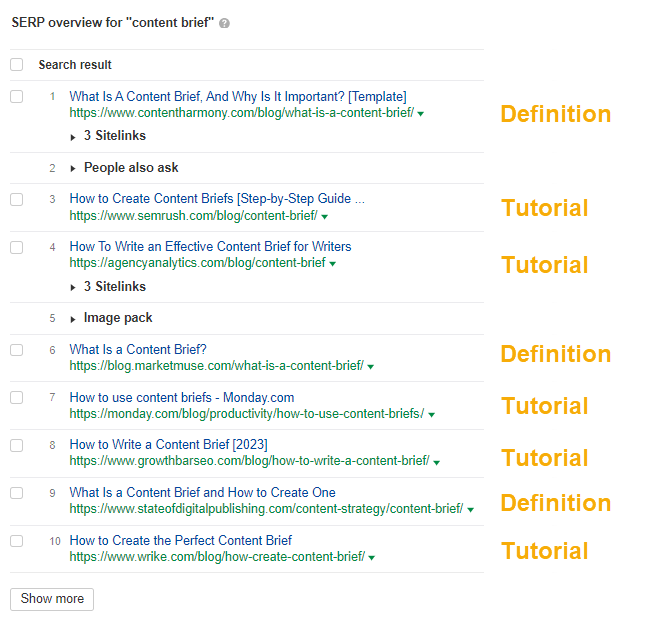
Creating a content brief for eCommerce SEO growth requires a strategic shift from generic writing instructions to a data-driven framework that aligns search intent with your WooCommerce product catalog. A high-performing brief acts as a programmatic bridge, ensuring writers understand not just the topic, but the specific stage of the customer journey they are targeting—whether it is awareness-level blog content or high-intent category page descriptions. To drive measurable ROI, your briefs must move beyond basic keyword lists and provide the necessary context to satisfy Google’s E-E-A-T guidelines while remaining concise enough to avoid stifling creative execution.
- Target Audience Data: Define the specific WooCommerce customer segment by pulling real data from Google Analytics to identify the questions they ask and the pain points they face before making a purchase.
- Search Intent Mapping: Explicitly state the intent behind the primary keywords—transactional, informational, or navigational—to ensure the content’s depth and vocabulary match the reader’s expectations.
- Internal Linking Strategy: List specific product or category pages to link to, transforming the article into a hub that guides users toward conversion while improving site crawlability and authority.
By implementing a standardized briefing process, you establish content governance that ensures consistency and quality across all your contributors, which is essential for scaling an organic traffic engine. This structured approach reduces the need for extensive revisions and ensures that every piece of content published on your store serves a clear business goal, ultimately lowering your cost per acquisition over time.
Why should I use content brief templates for marketing automation?
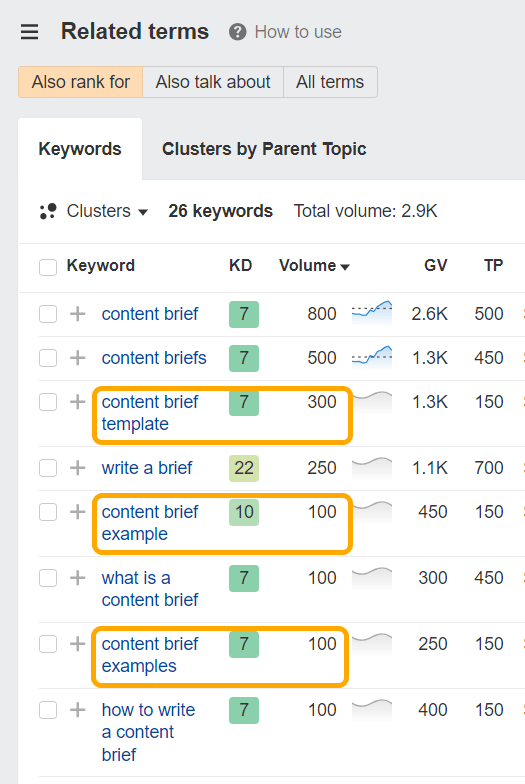
For high-growth WooCommerce brands, scaling content production is a structural challenge that cannot be solved by simply hiring more writers. Content brief templates act as the standardized infrastructure for your content operations, ensuring that every asset remains aligned with your core business goals without requiring constant manual oversight. By utilizing templates, you remove the creative bottlenecks that occur when editors have to reinvent the “narrative architecture” for every new assignment, allowing your team to focus on strategic distribution and revenue-driving optimizations.
- Standardized Workflows: Templates ensure that mission-critical data—such as SEO keywords and audience positioning—is consistently delivered to writers, leading to faster output and higher-quality first drafts.
- Scalable Governance: Implementing a structured briefing process allows you to automate repetitive management tasks, such as tracking approval throughput and maintaining brand voice across multiple contributors.
- Improved Resource Allocation: By stripping away the “busywork” of manual briefing, your internal team can reclaim editor hours and focus on higher-value activities like multi-touch attribution and behavioral automation.
Transitioning to a template-driven content engine is a technical necessity for any store aiming to improve its ROI through marketing automation. When your production cycle is built around a consistent, repeatable loop, you gain the ability to test and optimize your content performance with the same precision you apply to your email flows or PPC campaigns. This programmatic approach transforms content from a resource drain into a predictable growth driver for your eCommerce ecosystem.
How do content briefs improve ROI for WooCommerce blog strategies?
For high-growth WooCommerce stores, the Return on Investment (ROI) of a blog strategy is frequently destróid by the hidden costs of vague communication and inefficient revision cycles. Content briefs act as a strategic blueprint that aligns every piece of content with specific business objectives, such as pipeline growth or customer retention, ensuring that marketing spend translates into measurable assets. By establishing a single source of truth for expectations—including target keywords, user intent, and technical notes—merchants can transform their blog from a collection of posts into a high-performance engine for organic traffic and conversions.
- Elimination of Wasted Resources: Detailed briefs prevent costly rewrites and extensive revisions by providing writers with clear direction on key sub-topics and goals from the outset.
- Enhanced Search Visibility: SEO-first briefs ensure that content is structurally optimized to satisfy search intent and technical accessibility, increasing the likelihood of ranking higher and driving qualified leads.
- Operational Scalability: Transitioning from manual, one-off drafting to a repeatable brief system allows eCommerce teams to maintain consistent quality across product pages and guides without increasing administrative overhead.
Ultimately, treating a content brief as a living document that evolves with your WooCommerce site protects your brand authority and ensures long-term profitability. By connecting keyword research directly to an actionable page plan, you reduce the risk of missing critical information that users expect, thereby maximizing the lifetime value of every published asset.
What should be included in an A-grade content brief for eCommerce writers?
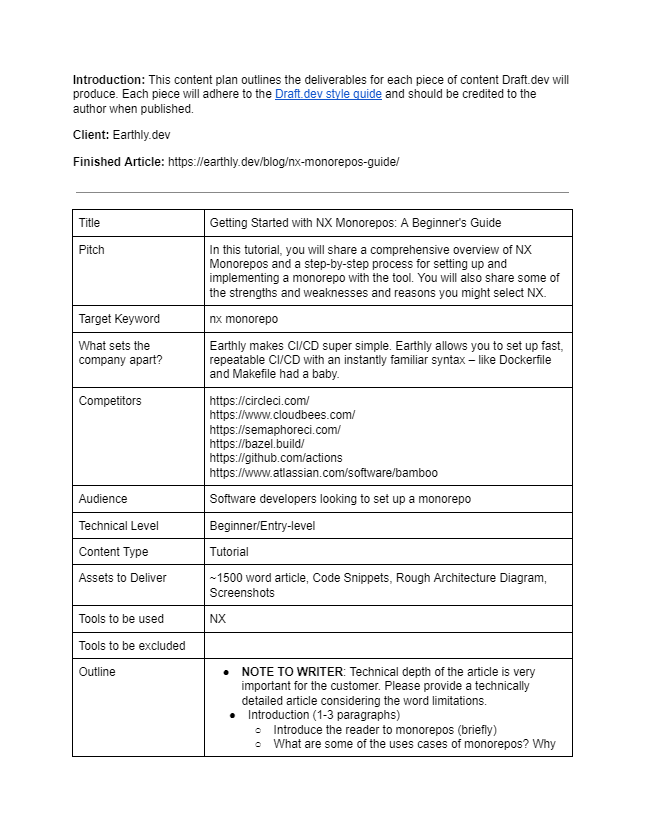
An A-grade content brief for eCommerce serves as a strategic blueprint that bridges the gap between high-level SEO goals and the creative execution of the writer. For WooCommerce brands, this document must go beyond generic instructions by providing specific product context and commercial intent data that ensures the final draft can convert shoppers while satisfying search engine crawlers. A successful brief eliminates guesswork, allowing the writer to focus on crafting a narrative that aligns with the brand’s voice and the specific needs of the target audience.
- Primary and Secondary Keywords: Clearly define the central theme with a primary keyword and include 3-5 secondary variations to provide semantic context and improve ranking potential.
- Search Intent Classification: Specify whether the user is looking for educational information, product comparisons, or direct purchasing options to ensure the tone and structure match the buyer’s journey.
- Product and Competitive Context: Provide details on specific brands, price ranges, or category attributes unique to your store, along with an analysis of top-ranking competitors to identify necessary content gaps.
- Technical SEO and Linking Requirements: Include diretrizry on-page elements such as title tags, meta descriptions, and a list of internal linking targets to integrate the page into the broader site architecture.
By standardizing these components, eCommerce teams can scale their content production without sacrificing quality or strategic alignment. This structured approach reduces the need for multiple revision rounds, ensuring that the first draft is technically sound and ready to drive measurable ROI for the store.
Ready to take your e-commerce to the next level?
While mastering the art of the content brief is a fundamental step toward scaling your blog output, the business reality for high-growth WooCommerce brands is that content without a technical conversion framework is merely expensive overhead. If your organic traffic is climbing but your revenue remains stagnant, or if you suspect that your publishing schedule is focused more on vanity metrics than on actual pipeline contribution, you are likely facing a structural misalignment between your creative output and your bottom line. Content should never exist in a vacuum; it must be a precision-engineered component of a wider system designed to maximize Profit, Retention, and LTV.
To move beyond basic templates and build a high-performance growth engine, you need a partner that integrates your content strategy into a data-driven ecosystem where tracking, CRM, and automation work in perfect concert. We act as a strategic extension of your in-house team, eliminating the guesswork that often plagues DTC marketing through our rigorous, conversion-focused audits. By synchronizing your editorial efforts with advanced performance marketing and lifecycle automation, we help you turn isolated blog visits into long-term customer relationships and sustainable growth. If you are ready to stop just publishing and start maximizing your ROAS, book a free marketing automation audit today.