


Relying on raw search volume as your primary SEO North Star is a high-stakes gamble that often leads to misallocated budgets and stalled acquisition. While it is tempting to chase the largest numbers on a spreadsheet, these metrics frequently mask a fundamental disconnect between search frequency and actual buyer intent. For an eCommerce brand, the distinction between a high-traffic keyword and a high-converting one is the difference between vanity metrics and sustainable revenue growth.
The strategic danger lies in treating search volume as a count of unique potential customers rather than a tally of total searches, a nuance that consistently catches even seasoned marketing teams off guard. Failing to account for bot activity, repeat searches, and device fragmentation can result in a distorted view of your market opportunity. This guide breaks down the critical misconceptions surrounding keyword volume to help you refine your organic strategy and ensure your resources are focused on the audiences most likely to drive long-term lifetime value.
What is keyword search volume in SEO?
Keyword search volume is a fundamental SEO metric that represents the estimated number of times a specific search query is entered into a search engine over a given period, typically expressed as a monthly average. For WooCommerce store owners, this metric serves as a primary indicator of market demand and keyword popularity, helping to gauge the potential organic traffic that could be captured by ranking for a particular term. However, it is critical to understand that this number is a directional insight rather than a literal count of unique visitors, as it measures total search instances regardless of whether they were performed by the same individual multiple times.
- The Metric: An estimate of the average number of monthly searches for a keyword in a specific location.
- The Scope: While usually referencing Google data, it can encompass search volume from other engines like Bing or specialized keyword analytics tools.
- The Logic: Search volume is often calculated by taking the sum of searches over the past 12 months and dividing by 12, which can mask seasonal trends or sudden shifts in consumer behavior.
Relying solely on high search volume can be a strategic trap for high-growth brands if the technical context of the data is ignored. While high-volume “seed” keywords suggest broad interest, they are often extremely competitive and may lack the specific buyer intent necessary to drive revenue. To avoid wasting resources, growth consultants must look beyond the face value of the metric to differentiate between high-frequency searches and actual unique audience reach, ensuring that the selected keywords align with business goals rather than just vanity popularity.
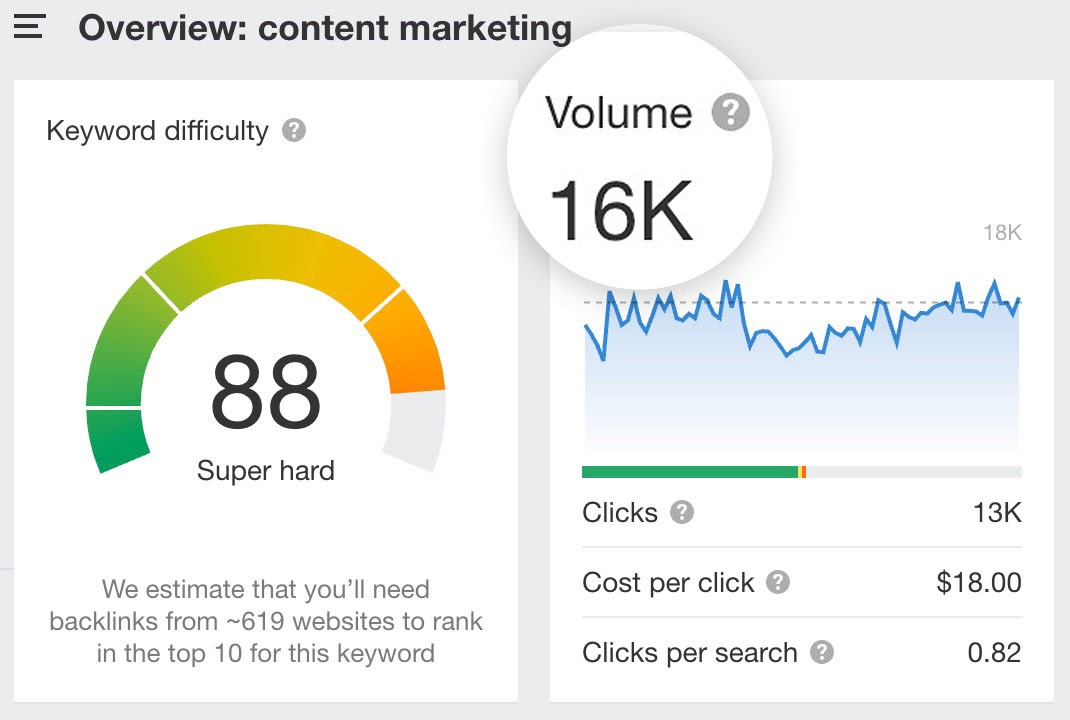
Why is keyword search volume misleading for WooCommerce growth?
For high-growth WooCommerce stores, treating keyword search volume as a primary indicator of potential success is a strategic risk that often leads to inflated traffic but stagnant revenue. While search volume provides a snapshot of popularity, it fails to account for the distinction between the total number of searches and the number of unique individuals performing those searches. A high-volume keyword might represent a small group of users repeatedly searching for information rather than a broad pool of potential customers, leading many merchants to waste resources on content that fails to convert.
- Intent Mismatch: Search volume does not reveal why a user is searching. Targeting a high-volume “how-to” query with a transactional product page creates a misalignment that triggers high bounce rates and damages domain authority.
- Profitability Fallacy: A keyword with 50,000 monthly searches might generate zero revenue if it lacks buying intent, whereas a niche phrase with only 100 searches could drive your entire store’s growth by reaching users at the moment of peak intent.
- Competitive Saturation: High-volume keywords are often dominated by massive marketplaces, making it difficult for specialized stores to achieve a sustainable ranking. Focusing on lower-volume, intent-rich keywords often yields a higher ROI and faster results.
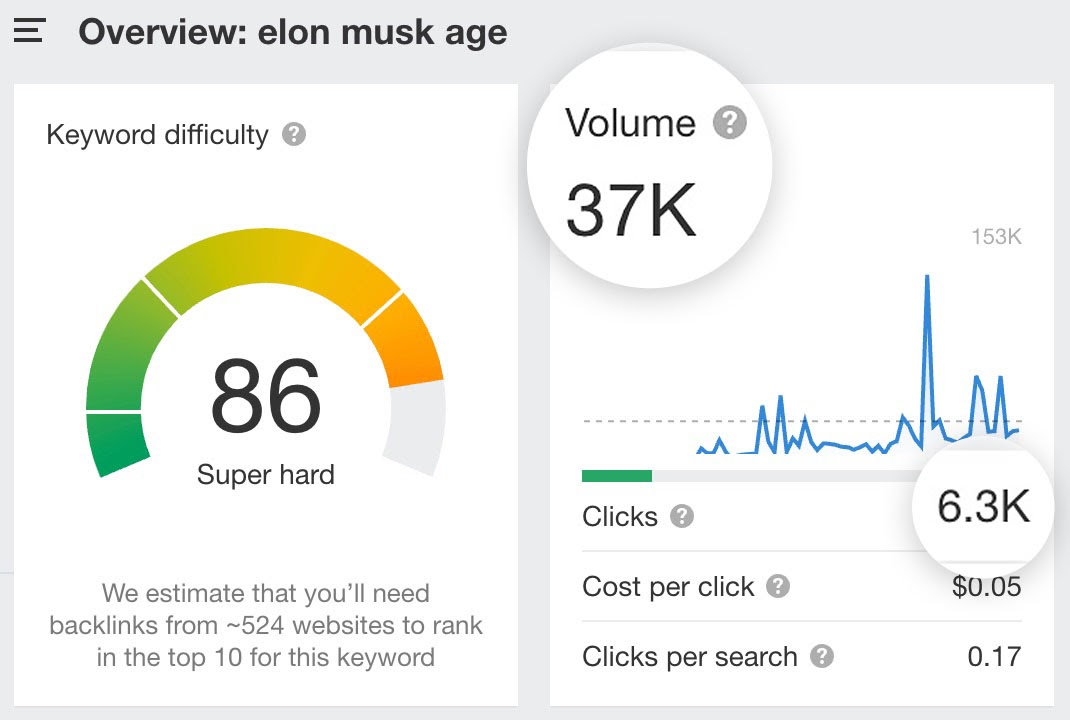
To achieve sustainable growth, your SEO strategy must shift from chasing vanity metrics to prioritizing behavioral evidence. Relying on search volume in isolation ignores critical signals like keyword difficulty, CPC, and historical trends that determine a keyword’s true business value. By focusing on high-purchase intent over raw volume, you ensure that your technical efforts translate into measurable spikes in Customer Lifetime Value (LTV) and revenue rather than just visits.
How to avoid common SEO mistakes with keyword search volume?
To avoid common SEO mistakes, WooCommerce merchants must pivot from treating search volume as a primary success metric to viewing it as a broad indicator of popularity. The most critical error is failing to distinguish between the number of searches and the number of unique searchers, which can lead to overestimating the potential traffic for a given term. By relying solely on high-volume metrics, you risk targeting broad, informational keywords that attract visitors but fail to generate revenue, effectively creating a silent ceiling on your store’s ROI.
- Prioritize Keyword Intent: Shift your strategy toward “transactional” and “commercial” intent keywords, as these users are actively seeking to purchase a product rather than just researching information.
- Target Long-Tail Opportunities: Instead of competing for generic high-volume terms, focus on high-intent long-tail keywords that offer lower competition and significantly higher conversion rates.
- Analyze the SERP: Examine the current top-ranking pages for your target keywords; if the results are dominated by blog posts, the intent is likely informational rather than transactional.
Ultimately, a successful strategy for 2026 focuses on “Answer Engine Optimization” (AEO) and aligning content with the user’s specific stage in the buyer journey. By blending traditional SEO metrics with a deep understanding of user behavior and intent, you can ensure your marketing budget is allocated to keywords that move customers toward a sale rather than just increasing vanity traffic metrics.
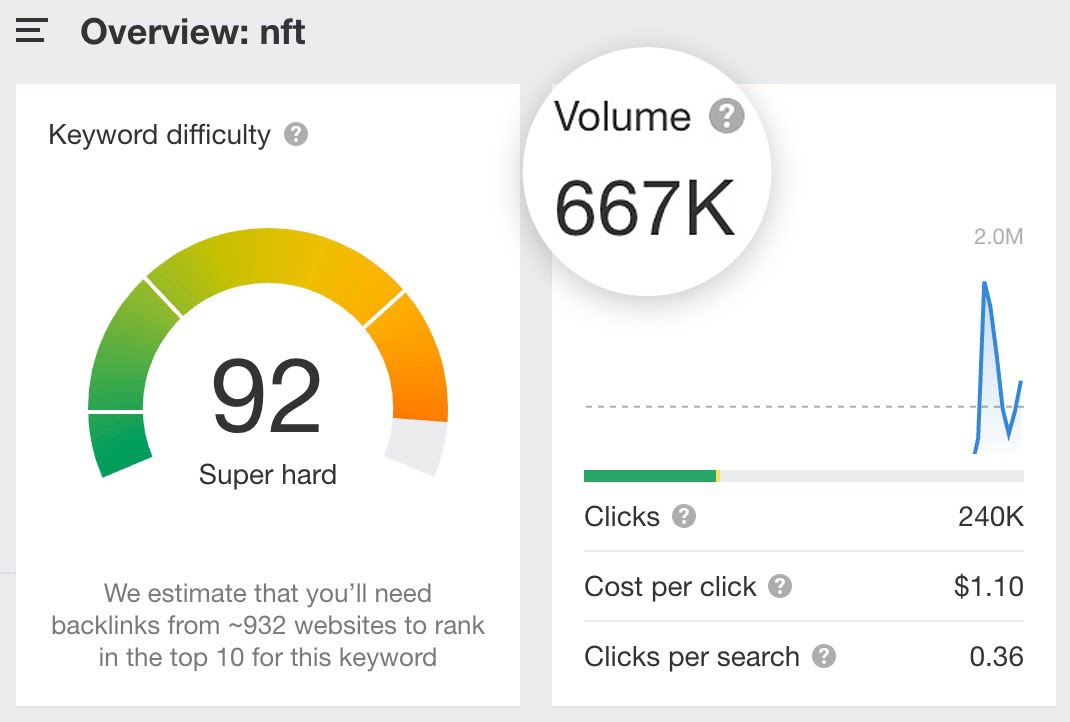
How does search volume impact eCommerce revenue growth?
For high-growth WooCommerce stores, search volume is a foundational metric for sales forecasting and predicting the revenue generation path, but it must be viewed as a measure of popularity rather than a guarantee of traffic. While high-volume keywords suggest a larger pool of potential customers, the impact on your bottom line is dictated by how effectively you capture high-intent searchers, who represent a disproportionate share of site revenue and add-to-cart activity. Relying on volume alone without considering the distinction between total searches and unique searchers can lead to significant overestimations of reachable market share.
- Predictive Modeling: Search volume data allows brands to gauge the popularity of specific product categories and forecast future sales performance based on historical search trends.
- High-Intent Conversion: Searchers typically drive double or even triple the conversion rates of non-searchers, meaning that even low-volume keywords with high purchase intent can generate more revenue than broad, high-volume terms.
- Resource Allocation: Understanding volume helps prevent the waste of valuable business resources by identifying whether a niche is too small to support aggressive SEO or paid search spend.
Ultimately, a healthy overall conversion rate can often hide high-volume revenue leaks if your store fails to rank for the specific keywords your highest-intent customers are using. Transitioning from a volume-centric strategy to one that prioritizes search relevance and intent is essential for driving predictable retail growth. By aligning your content with the specific intent behind the volume, you ensure that search traffic translates directly into measurable revenue expansion rather than just vanity metrics.
Why should I use keyword intent instead of search volume for my store?
For high-growth WooCommerce stores, prioritizing raw search volume over keyword intent is a strategic misstep that often results in high traffic but stagnant revenue. While volume metrics provide a comparative baseline of interest, they do not distinguish between a researcher seeking information and a buyer ready to transact. Shifting your focus to intent ensures your SEO efforts align with specific stages of the customer journey, filtering out unqualified noise and attracting users who are statistically more likely to engage with your product offerings.
To build a conversion-focused strategy, you must categorize your keyword targets based on the specific psychological goals of the user:
- Informational Intent: These queries, such as “how to optimize website speed,” indicate a user is in the learning phase and may not be ready to purchase immediately.
- Transactional Intent: Phrases like “buy now” or specific product names signal a ready-to-buy customer, typically offering a much higher return on investment (ROI) than broad terms.
- Commercial Investigation: Users searching for “best software” or comparisons are evaluating their options before a final decision, making them prime targets for high-value middle-funnel content.
Relying on search volume alone can lead to targeting broad, generic keywords where competition is fierce and conversion rates often plummet. By implementing an intent-first framework, you can identify lower-volume “long-tail” keywords that, despite fewer searches, drive more qualified leads and better long-term brand equity for your store.
Ready to take your e-commerce to the next level?
While understanding the nuances of keyword search volume is a vital technical skill, the business reality for high-growth WooCommerce brands is that optimizing for traffic without qualifying intent is a recipe for high bounce rates and wasted ad spend. If your organic growth efforts feel like they are stalling revenue despite increasing visibility, or if you suspect your strategy is attracting casual researchers rather than high-intent buyers, you are facing a technical bottleneck that vanity metrics cannot resolve. Relying on broad search volume as a primary KPI is a strategic liability that compromises your ability to capture revenue at the exact moment a customer is ready to convert.
To move beyond basic keyword targeting and build a high-performance acquisition engine, you need a partner that synchronizes your search strategy with your broader profitability goals. We act as a strategic extension of your in-house team, helping DTC brands maximize Profit, Retention, and LTV through data-driven systems where advanced tracking, CRM, and automation operate in perfect concert. Our process begins with rigorous, conversion-focused audits to eliminate guesswork and identify the precise gaps between your current rankings and actual revenue generation. If you are ready to transition from chasing traffic to building a scalable, revenue-driven SEO ecosystem that maximizes ROI, book a free consultation today.



Comments