


The assumption that high link counts automatically validate a content strategy is one of the most persistent fallacies in modern search marketing. In reality, much of the internet’s backlink equity is concentrated in mediocre content on high-authority domains, creating a distorted view of what truly drives performance. For brands looking to build sustainable authority, simply replicating the “most linked” topics often leads to a cycle of high effort and low return because the competition isn’t winning on merit, but on institutional momentum.
Breaking this cycle requires a shift toward content context analysis, where the focus moves from sheer volume to the qualitative relationship between a site’s size and its earned influence. This strategic pivot allows smaller, high-growth brands to identify genuine gaps in market intelligence that legacy players have ignored. By understanding why great content often goes unnoticed on smaller platforms, marketing leaders can refine their outreach and asset creation to capture the authority they actually deserve.
What is content context analysis for WooCommerce SEO?
Content context analysis for WooCommerce SEO is a strategic evaluation framework that looks beyond raw backlink counts to understand why specific pages attract links. For many store owners, content strategy is often reactive, mimicking the “most linked” articles on a given topic without considering the domain authority of the source. Context analysis corrects this by distinguishing between content that earns links due to its inherent quality and mediocre content that simply benefits from being hosted on a high-authority website.
- Quality vs. Authority Decoupling: Identifying instances where great content on smaller sites is being overlooked because it lacks the reach of established industry giants.
- Topic Hub Validation: Using SERP-based clustering to ensure that your WooCommerce product guides and pillar pages are contextually aligned with user intent rather than just keyword density.
- Performance Benchmarking: Analyzing 2026 search trends where Google prioritizes content relevance and topical authority over legacy link metrics.
By applying this analysis, WooCommerce brands can avoid the “silent ceiling” of stagnant organic growth caused by following flawed blueprints. Instead of competing for the same high-difficulty keywords as major retailers based on their link profiles, you can identify high-intent content gaps where superior context and technical accuracy provide a competitive advantage. This approach ensures your SEO efforts are directed toward building genuine topical authority that drives both revenue and sustainable backlink growth.
Why does mediocre content on popular sites earn more links?
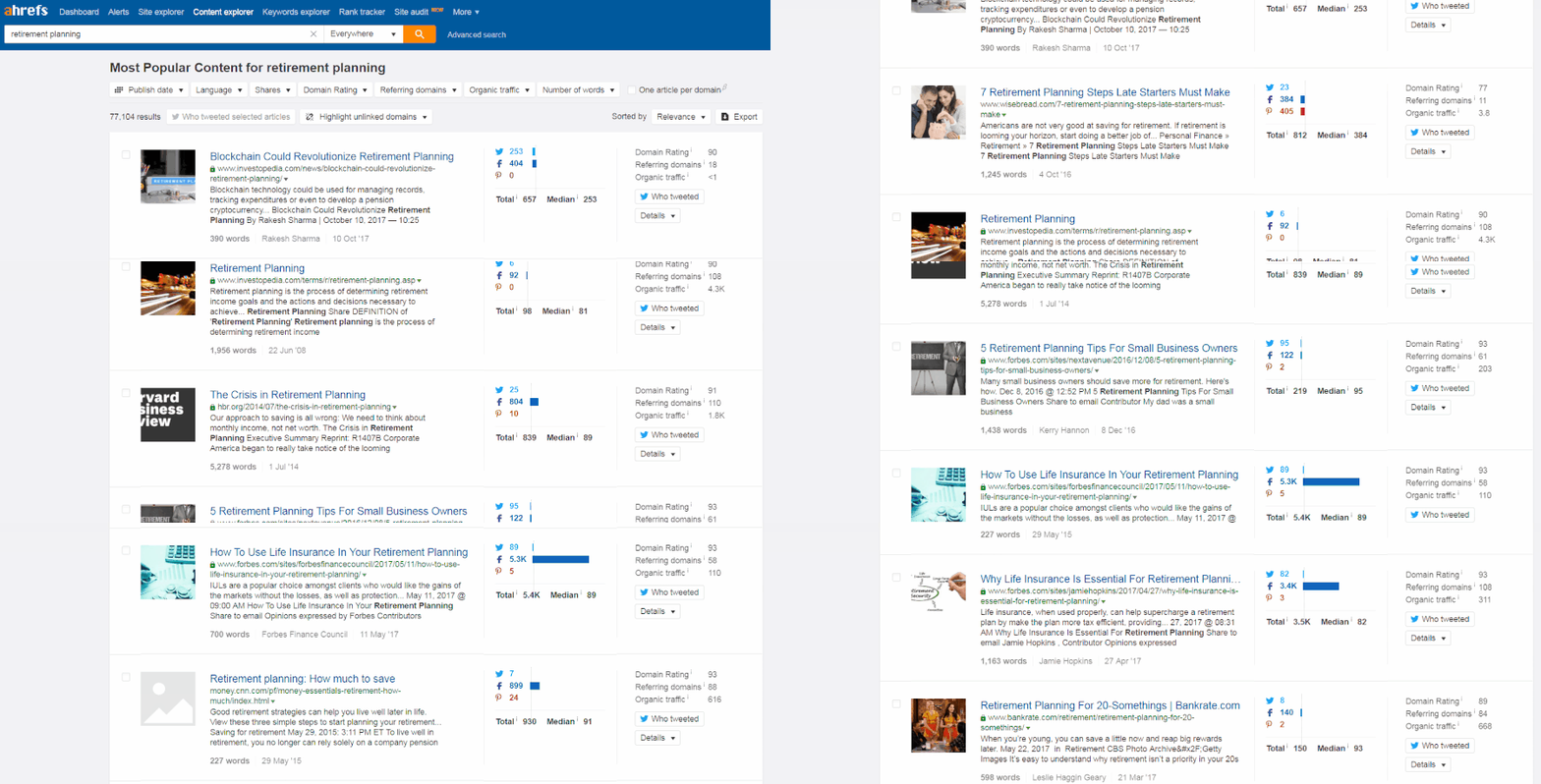
In the WooCommerce ecosystem, the disproportionate link equity awarded to mediocre content on high-authority domains is often the result of “brand-first” discovery rather than “content-first” evaluation. When a large, established website publishes an article, it immediately benefits from a massive built-in audience and high visibility in search engine results, which significantly increases its chances of being cited as a source by other creators who prioritize speed and convenience over deep content vetting. This phenomenon creates a feedback loop where popularity—driven by domain authority—is mistaken for quality, leading to what is essentially an undeserved link monopoly for legacy brands.
- Authority Bias: Linkers often assume that content on a reputable site has undergone rigorous editorial review, leading them to cite it automatically without evaluating the actual utility of the information.
- Discovery Dominance: High-authority domains rank for high-volume keywords even with subpar content, ensuring they are the first resource found by researchers looking for quick links to support their own articles.
- Trust Heuristics: In complex digital environments, trust in a known brand acts as a mental shortcut for decision-making, causing entities to prefer transacting with or linking to familiar names even when superior data exists on smaller platforms.
For high-growth stores, recognizing this bias is critical for refining a WooCommerce SEO strategy. If your content strategy is based solely on mimicking the “most linked” articles in your niche, you risk replicating mediocre models that only work because of the source’s pre-existing authority. To drive true revenue growth and backlink authority, small eCommerce brands must pivot toward context analysis, identifying the specific gaps in these “top performers” and providing the high-quality, specialized data that larger, generalist sites often overlook.
How to identify high-quality link opportunities for small eCommerce brands?
Identifying high-quality link opportunities for smaller WooCommerce brands requires shifting your focus from high-authority metrics alone to content context. Because many top-performing articles on high-DR sites are mediocre pieces that earn links based on domain reputation rather than merit, your opportunity lies in finding the gaps where their content fails to be “great.” By analyzing the “top performers” in your niche, you can identify which backlinks were earned simply due to site popularity and replace that noise with superior, high-intent assets that provide real value to referring domains.
- Contextual Gap Analysis: Review the backlink profiles of your larger competitors to identify links pointing to thin or outdated content. If a high-authority site is linking to a mediocre article on a popular domain, you have a prime opportunity to pitch a more comprehensive, expert-led WooCommerce resource as a superior alternative.
- High-Intent Backlink Auditing: Use auditing tools to filter for links coming from authoritative and respected sites within your specific industry vertical. Focus on acquiring links that align with your bottom-of-funnel goals, such as solution comparisons or technical guides, which drive both authority and revenue.
- Relationship over Volume: Prioritize editorial backlinks earned through trust and relevance rather than flat-fee or low-quality arrangements. Natural links from sites that share your target audience provide a higher ROI and protect your domain from the “silent ceiling” created by toxic or irrelevant link profiles.
By leveraging content context analysis, small eCommerce stores can bypass the technical bottleneck of competing with massive marketing budgets. Success comes from auditing your competition not just for where they have links, but for where their content is too weak to justify them. Transitioning to this value-based architecture allows you to earn authoritative links that improve your organic rankings and build genuine trust with human decision-makers.

Why is content strategy based only on top-linked articles failing your store?
For high-growth WooCommerce stores, basing a content strategy solely on the most-linked articles in a niche often creates a “silent ceiling” on backlink authority. This reliance assumes that high link counts always correlate with high content quality, but in reality, many top performers are mediocre articles that earn links simply because they reside on popular, high-authority domains. When you replicate these strategies, you are essentially competing against the brand equity of giant sites rather than the merit of their content, leading to a structural barrier where your superior content remains undervalued and under-linked.
- Authority Bias Over Quality: Major websites often earn excessive links for substandard content due to their established reputation, while high-quality content on smaller eCommerce sites earns fewer links than it deserves.
- Survivor Bias in Analysis: Strategy built only on “top-linked” content focuses on the winners of the algorithm rather than the informational needs of the customer, often leading to a “me-too” content approach that fails to differentiate your brand.
- Metric Misalignment: Relying on historical link counts ignore the context of why those links were earned, causing store owners to chase competitive keywords that do not necessarily drive high-intent traffic or revenue growth.
Transitioning away from a purely volume-based content analysis is critical for small-to-medium WooCommerce brands to survive. By adding context to your content analysis, you shift from chasing vanity metrics to identifying “great content” gaps that your competitors are ignoring. This strategic pivot ensures your marketing efforts are focused on creating high-leverage assets that earn links based on utility and relevance, ultimately protecting your domain authority and maximizing your long-term Customer Lifetime Value.
How to use context analysis to drive revenue growth and backlink authority?
For WooCommerce brands, using context analysis to drive revenue means moving beyond the “most linked” reports to identify where big competitors are winning on domain strength rather than content quality. By deconstructing the link profile of mediocre articles on high-authority sites, you can uncover the specific data points, formats, or intent gaps they have failed to address. This allows you to produce high-value content that naturally attracts authority-building backlinks by providing the depth and utility that the current top-performing “mediocre” articles lack.
- Intent Gap Identification: Analyze the search intent behind top-linked pages to see if they actually solve the user’s problem; if they are generic, create high-intent content that links directly to your product categories.
- Backlink Opportunity Scoring: Use data-driven SEO tools to track referring domain authority and traffic potential, prioritizing outreach to sites that value quality content over the existing “low-utility” links they currently host.
- Strategic Relationship Building: Leverage your superior content to initiate relationship-based outreach, positioning your WooCommerce store as a more authoritative and authentic source than the big-box sites with stagnant content.
Ultimately, the goal is to shift your focus from vanity metrics like total link counts to hard content ROI by identifying high-quality link opportunities that small eCommerce brands usually miss. By filling these format and value gaps, you build a sustainable backlink profile that drives both search engine rankings and direct revenue growth.
Ready to take your e-commerce to the next level?
If your SEO efforts feel like they are stalling revenue despite an increasing number of backlinks, or if you suspect your content strategy is merely chasing the vanity metrics of popular sites rather than driving high-intent traffic, you are likely hitting a structural ceiling on your growth. In a high-growth WooCommerce environment, relying on generic “most-linked” content lists often leads to a misallocation of resources toward mediocre assets that lack the contextual relevance required to convert. True authority isn’t a byproduct of volume, but of precision—ensuring that every link earned and every piece of content published acts as a strategic engine for revenue expansion rather than a silent drain on your marketing budget.
To move beyond these technical bottlenecks and build a high-performance eCommerce ecosystem, you need a partner that synchronizes your backlink strategy with your broader business objectives of Profit, Retention, and LTV. We act as an extension of your team, replacing guesswork with data-driven systems where tracking, CRM, and automation work in concert to maximize your ROAS. Our process begins with rigorous, conversion-focused audits designed to identify the exact gaps in your customer journey and content context. If you are ready to transition from chasing random keywords to a scalable system that maximizes your long-term growth, book a free consultation with our team today.



Comments