






The traditional search funnel is leaking traffic to a new, largely invisible intermediary. As large language models increasingly handle the discovery and comparison phases of the customer journey, brands are being evaluated and recommended long before a user ever lands on their storefront. This shift represents a fundamental change in how discovery happens, moving from a list of indexed links to a synthesized, authoritative answer that can either validate your brand or filter it out entirely.
While standard analytics might suggest that AI-driven traffic is a negligible fraction of your total volume, this data is often obscured by referral gaps and platform restrictions. Understanding how to peel back these layers in GA4 and Ahrefs is no longer just a technical exercise for SEOs; it is a commercial requirement for any brand looking to capture intent in an age where the first touchpoint happens within a chat interface. Mastering this visibility allows you to transition from reactive observation to strategic optimization, ensuring your brand remains a fixture on the AI-generated shortlist.
What is AI referral traffic and how does it impact eCommerce?
AI referral traffic represents web visitors who arrive at your WooCommerce store via links or citations within generative AI platforms like ChatGPT, Perplexity, or Google’s AI Overviews. Unlike traditional search traffic where users select from a list of links, AI traffic is driven by a synthesis of information where the model recommends your brand or products as the definitive answer to a complex query. While currently accounting for a small fraction of total web volume, this traffic is exceptionally high-intent because the AI has already vetted your site as a credible source before the user ever clicks through.
- Superior Conversion Rates: AI-referred visitors often convert at significantly higher rates—up to 31% better during peak retail seasons—because they arrive at your site further down the funnel after completing their initial research within the AI interface.
- Brand Authority Signals: Being cited by an LLM serves as a powerful endorsement, as these models prioritize entities with strong E-E-A-T (Experience, Expertise, Authoritativeness, and Trustworthiness) and consistent brand mentions across credible platforms.
- Shift in Search Behavior: Consumers are increasingly using AI to solve “I want one of those” moments instantly, shortening the path from discovery to decision and requiring brands to optimize for synthesis rather than just keywords.
For high-growth eCommerce brands, the impact of AI traffic is a fundamental shift in the digital consumer experience. AI search users arrive with higher intent and revenue per visit can grow by over 250% year-over-year as these tools capture more global search market share. To capture this growth, store owners must move beyond legacy SEO and focus on becoming an “AI-preferred source” by ensuring their brand is clearly defined and frequently mentioned across the broader web ecosystem.
Why is tracking AI traffic important for WooCommerce growth?
For high-growth WooCommerce brands, tracking AI referral traffic is no longer optional; it is a critical requirement for maintaining a competitive edge as search behavior shifts from selection to synthesis. While AI-driven traffic currently represents a small fraction of total sessions, it is characterized by exceptionally high intent, with recent data showing AI sources can convert up to 42% better than traditional channels like paid search or email marketing. Failing to monitor these citations means operating with a blind spot regarding how Large Language Models (LLMs) are recommending your products and influencing your brand authority.
- High-Intent Conversion: AI traffic often bypasses the early stages of the funnel, delivering shoppers who are 12% more engaged and spend 48% more time on-site than those from non-AI sources.
- Revenue Protection: Tracking allows you to identify which products are being cited in AI answers, ensuring your high-margin items are machine-readable and visible to potential buyers.
- Attribution Accuracy: Since many AI platforms withhold referral data, professional tracking is necessary to prevent these high-value conversions from being misclassified as direct traffic, which would lead to flawed marketing spend decisions.
Ultimately, monitoring your AI visibility enables you to implement Generative Engine Optimization (GEO) strategies that actively drive revenue. By identifying gaps where competitors are mentioned instead of your brand, you can refine your technical structure and content to ensure your WooCommerce store remains a primary recommendation source for AI search assistants like ChatGPT and Gemini.
How to track AI referral traffic in Google Analytics 4?
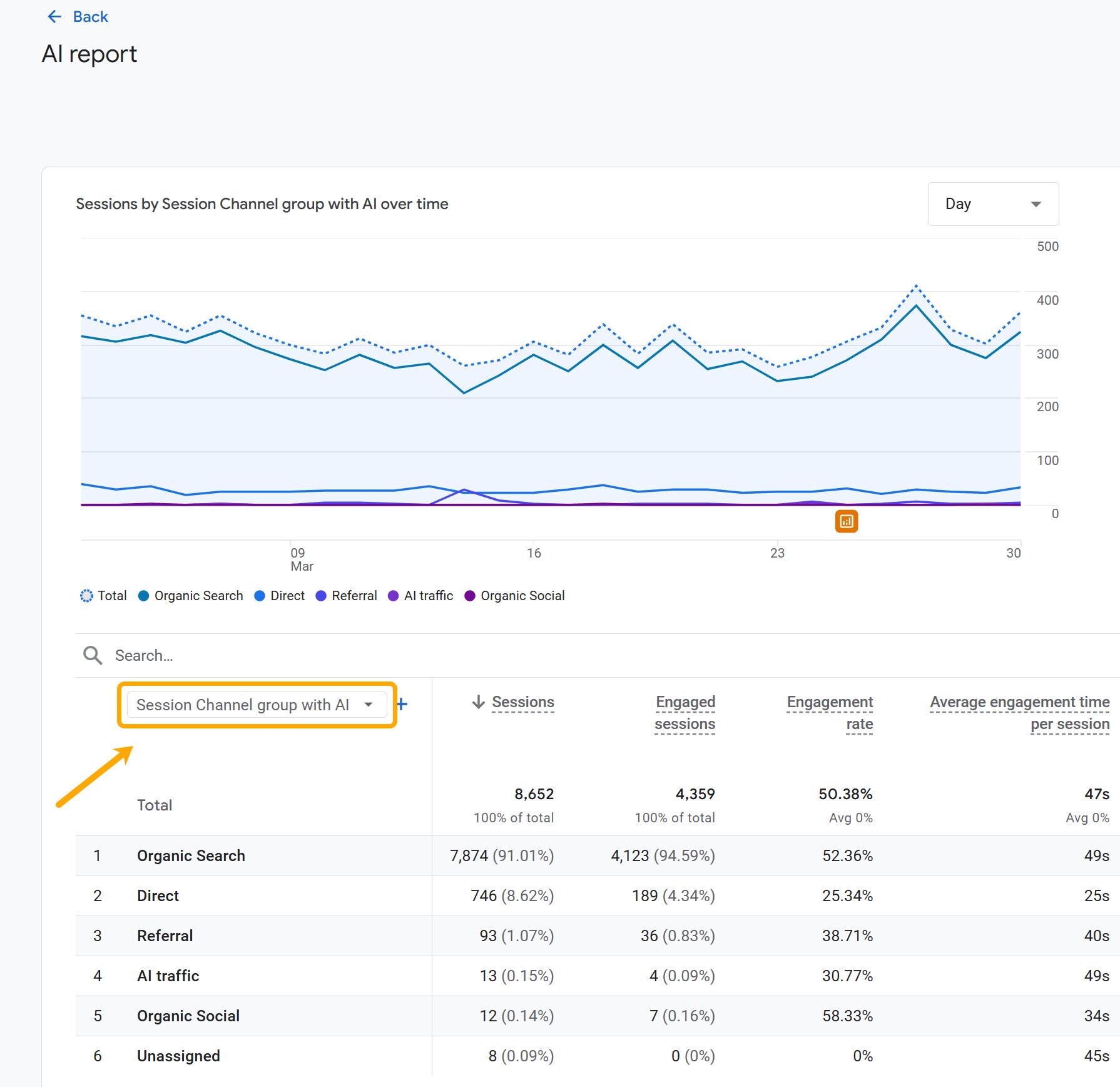
Tracking AI referral traffic in Google Analytics 4 is essential for understanding how LLMs influence your customer’s path to purchase. Traditionally, GA4 has grouped visitors from platforms like ChatGPT and Gemini into the general Referral channel, making it difficult to distinguish AI-driven intent from standard web links. However, recent updates have introduced a native AI Assistant channel within the Default Channel Group, which automatically classifies visits from recognized AI assistants with a specific “ai-assistant” medium.
- AI Assistant Channel: Leverage the built-in GA4 reports to identify traffic grouped under the “AI Assistant” channel, which now captures and tags recognized AI platforms automatically.
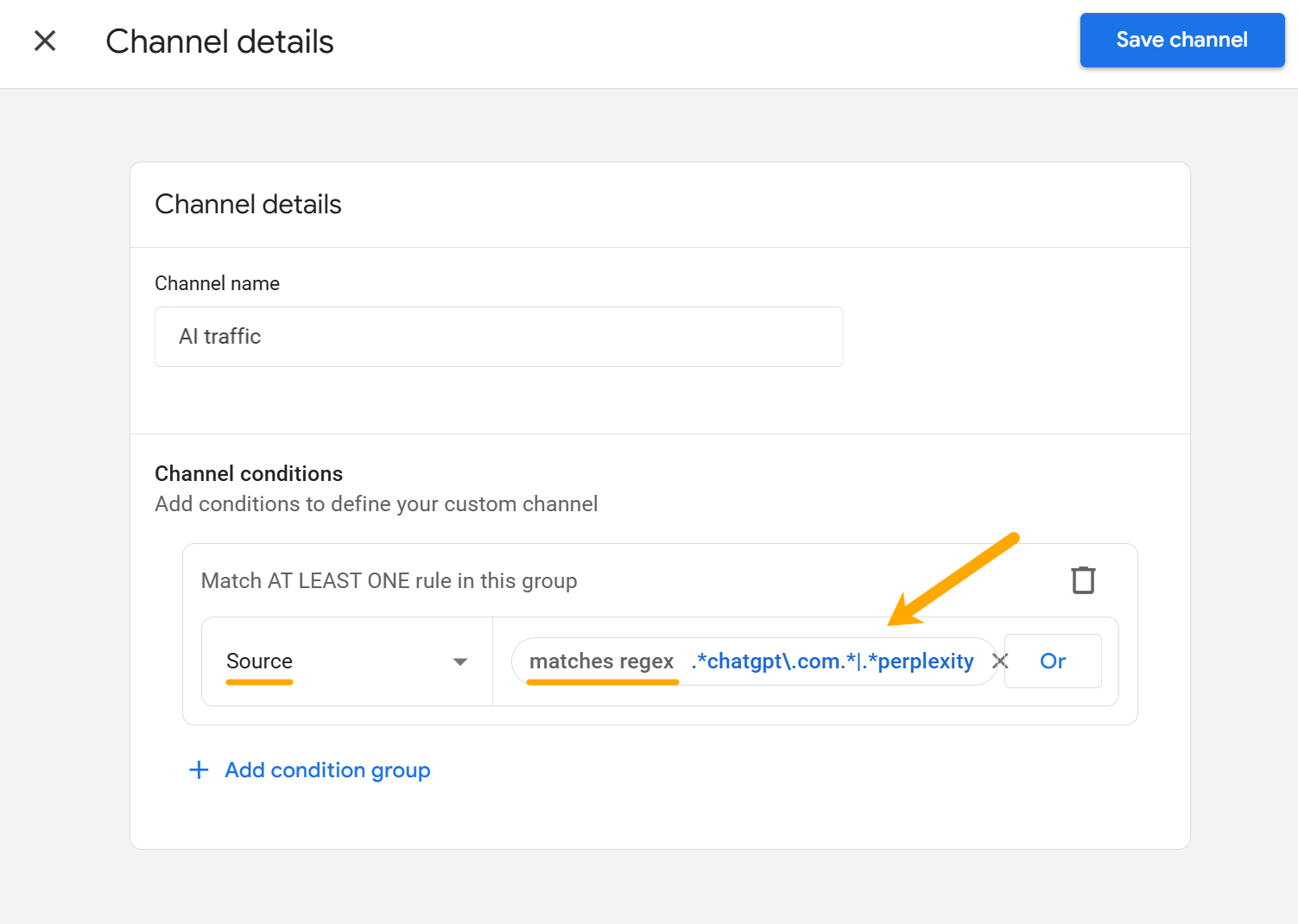
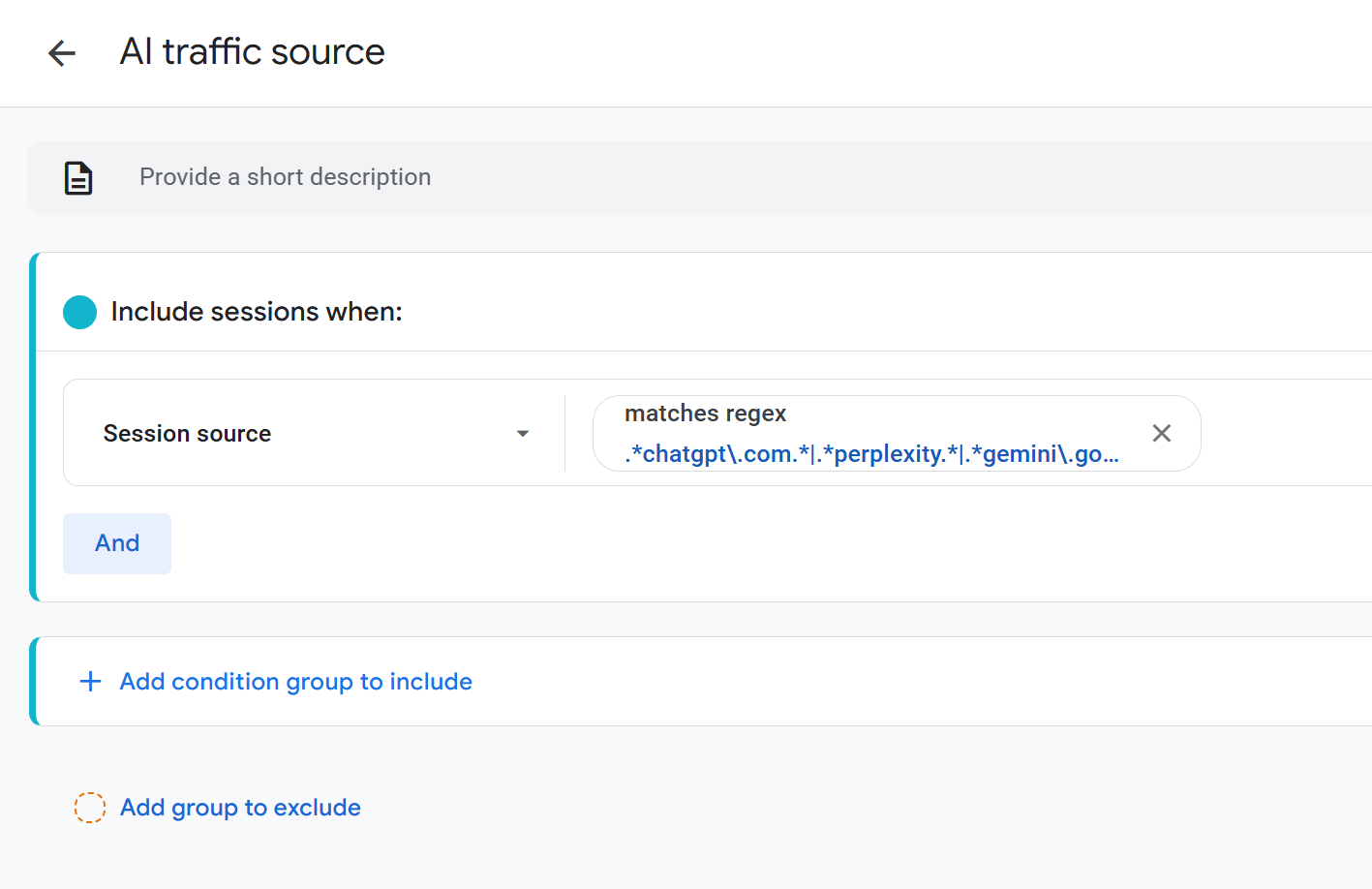
- Custom Channel Groups: For more granular control or to include emerging tools not yet recognized by Google, create a custom channel group using regex filters for specific AI source names like Perplexity or Claude.
- Direct Traffic Heuristics: Since mobile apps and some private channels often strip referrer data, analyze landing pages with high “Direct” attribution that are not your homepage; these often represent “shadow” AI traffic where a citation link was followed without passing the referrer.
By utilizing these native features and custom configurations, WooCommerce merchants can move beyond the “not provided” data gap and gain a clearer view of how AI citations drive revenue. This visibility allows you to make data-driven decisions on where to focus your Answer Engine Optimization (AEO) efforts to capture high-intent shoppers at the exact moment of discovery.
How can AI citations drive revenue for my online store?
For high-growth WooCommerce stores, AI citations represent a shift from passive brand awareness to active, intent-driven revenue generation. When a Large Language Model (LLM) cites your product as a solution to a specific user query, it acts as a high-authority recommendation that bypasses the traditional search engine results page. These citations are reportd to drive traffic that is up to 4.4 times more valuable than standard organic clicks because the user has already been qualified by the AI’s summary of your product’s benefits. By appearing in these AI-generated answers, your store captures customers at the exact moment of discovery, often before they have even visited a competitor’s site.
- Direct Product Recommendations: AI models analyze product data and reviews to provide direct suggestions for complex queries, such as “best eco-friendly running shoes,” leading to high-conversion referral traffic.
- Trust and Credibility Signaling: Being cited alongside high-authority publishers signals to both the model and the consumer that your brand is a trusted leader in its niche, which is essential for building Customer Lifetime Value (LTV).
- Contextual Engagement: Unlike static ads, AI citations provide the “why” behind a recommendation, addressing specific customer pain points and objections within the AI interface to prime the user for a purchase.
To turn these citations into a predictable revenue engine, WooCommerce merchants must move beyond basic SEO and focus on Generative Engine Optimization (GEO). This involves providing the deep, structured data—such as technical specifications and unique expert insights—that LLMs require to choose your brand as a primary source. By optimizing your product feeds and earned media strategy to favor these AI-friendly formats, you ensure your store is not just mentioned, but cited as the definitive answer for high-intent shoppers.
How to optimize your WooCommerce automation for AI-driven shoppers?
Optimizing your WooCommerce store for AI-driven shoppers requires a shift from static, rule-based automation to dynamic systems capable of handling highly specific, intent-rich traffic. Because AI agents and LLMs often cite brands based on authority and data structure, your backend automation must ensure that once these shoppers land on your site, the transition from AI recommendation to conversion is frictionless. This involves leveraging real-time data signals to provide the hyper-personalized experience that AI-driven users have come to expect.
To effectively capture and convert this high-intent traffic, focus on the following automation enhancements:
- Structured Data Integration: Ensure your product automation tools automatically update Schema markup and JSON-LD data. This makes your inventory easily “readable” for AI agents, increasing the likelihood of being cited in AI Overviews and product recommendations.
- Behavioral Trigger Refinement: Move beyond basic abandoned cart emails to behavioral orchestration that syncs data across teams in real-time. By automating responses based on specific AI referral paths, you can deliver targeted offers that align with the precise intent identified by the referring AI.
- Predictive Personalization: Implement recommendation engines that use machine learning to adapt your store’s interface for each visitor. Instead of static segments, use real-time decisioning to show creative variants and product bundles that resonate with the subtle behavioral patterns of AI-referred cohorts.
As AI agents become the new gatekeepers of brand discovery, your WooCommerce infrastructure must prioritize technical resilience and data integrity. Transitioning to professional automation tools allows you to bypass the “silent ceiling” of legacy systems, ensuring your store can scale revenue by capturing intent at the exact moment of peak customer interest.
Ready to take your e-commerce to the next level?
While mastering the technical nuances of tracking AI referral traffic is an essential step for the modern merchant, the business reality for high-growth WooCommerce brands is that data without actionable integration is a recipe for missed revenue. If your attribution efforts feel like they are stalling growth, or if you suspect that uncaptured AI citations are masking the true performance of your referral channels, you are facing a structural visibility gap that vanity metrics cannot resolve. Transitioning from basic observation to a system where AI-driven intent is mapped directly to profitability requires a sophisticated technical foundation that ensures every mention and recommendation translates into a measurable increase in LTV.
To move beyond fragmented tracking and build a high-performance eCommerce engine, you need a partner that synchronizes your advanced analytics with your broader growth objectives. We act as a strategic extension of your team, helping DTC brands maximize Profit, Retention, and ROAS through data-driven systems where tracking, CRM, and automation operate in perfect concert. Our process begins with rigorous, conversion-focused audits to eliminate guesswork and identify the exact bottlenecks preventing you from scaling with these emerging traffic sources. If you are ready to stop guessing and start leveraging a privacy-compliant, data-driven infrastructure that captures every growth lever, book a free consultation today.