






The common misconception among many WooCommerce store owners is that site maintenance is a low-priority technical chore that can be deferred in favor of active marketing. This passive approach treats your digital storefront as a static asset, but the hard reality is that the hidden cost of inaction can manifest as an instantaneous revenue wipeout. Every minute your store spends offline due to a failed update or server error is not just a lapse in availability; it is an active hemorrhaging of high-intent traffic, a destruction of trust that kills long-term Customer Lifetime Value, and a complete waste of the capital invested in your ongoing Email and SMS automation flows.
We have all heard the mantra that growth is the only metric that matters, but what if your focus on expansion is building a house on a foundation of sand? A single broken plugin or corrupted database entry can transform a high-converting store into a liability that drains development resources and sends frustrated customers directly to your competitors. Protecting your revenue trajectory requires shifting from a reactive mindset to a strategic one where robust, automated backups are recognized as a non-negotiable insurance policy for scalable growth. This guide explores why a proactive backup strategy is the ultimate safeguard for your store’s integrity, ensuring that your hard-won market share and customer data remain insulated from the unpredictable volatility of the digital landscape.
Eliminating Downtime to Protect Your WooCommerce Revenue
For a high-volume WooCommerce store, downtime is not just a technical glitch; it is a direct drain on your bottom line. Every second your site is unresponsive, you are losing transactional data and eroding the trust of high-intent customers. Unlike standard websites, eCommerce platforms are dynamic ecosystems where data—orders, customer profiles, and inventory levels—changes by the minute. Relying on generic server-level backups is often insufficient because they lack the granularity needed to restore a store to its exact state seconds before a crash, potentially leading to significant data gaps and manual reconciliation labor.
- Real-Time Synchronization: Implement a backup solution that records changes as they happen, ensuring that no order data is lost between scheduled daily snapshots.
- Staging Environment Testing: Always validate plugin updates and custom code deployments in a mirrored staging environment to catch conflicts before they reach the production server.
- Off-site Redundancy: Store your recovery archives on a separate infrastructure from your primary host to ensure accessibility even if your main server provider experiences a total outage.
To truly eliminate downtime, you must pivot from a reactive “fix-it” mindset to a proactive resilience strategy. This involves establishing a documented disaster recovery protocol where your team can execute a one-click restoration in minutes rather than hours. By minimizing the Mean Time to Recovery (MTTR), you protect your immediate revenue and ensure that your brand’s reputation for reliability remains intact, even when technical conflicts inevitably arise.
Automating Backups to Safeguard High-Converting Email/SMS Data
For high-growth WooCommerce stores, the database is more than just a ledger of past transactions; it is the engine that fuels your high-ROI marketing automation. When your site experiences data loss or corruption, the immediate impact on your storefront is obvious, but the secondary damage to your email and SMS funnels is often more costly. If your store’s data sync is interrupted or rolled back to an outdated state, your segmentation becomes inaccurate, abandoned cart triggers fail, and personalized customer journeys are severed, leading to a significant drop in Customer Lifetime Value (LTV).
To ensure your marketing data remains a reliable revenue driver, your backup strategy must move beyond simple daily snapshots. Implementing a robust, automated recovery system involves several technical layers:
- Real-Time Incremental Backups: Unlike standard daily backups, real-time solutions capture every single database change—such as a new customer signup or a cart update—as it happens. This prevents “data gaps” that would otherwise cause your marketing automation tools to miss critical triggers.
- Off-Site Redundancy: Storing backups on the same server as your store is a single point of failure. Automated off-site storage ensures that even if your primary hosting environment is compromised, your customer data remains secure and accessible for rapid restoration.
- Automated Integrity Checks: A backup is only valuable if it is functional. Use systems that automatically test and verify the integrity of your stored data, ensuring that your customer lists and purchase histories are clean and ready to be re-synced with your Email/SMS providers at a moment’s notice.
By automating these processes, you transform backups from a basic insurance policy into a strategic asset for conversion stability. Protecting the integrity of your store’s data ensures that your marketing stack continues to operate with precision, allowing you to maintain consistent communication with your customers and protect the predictable revenue generated by your automated flows.
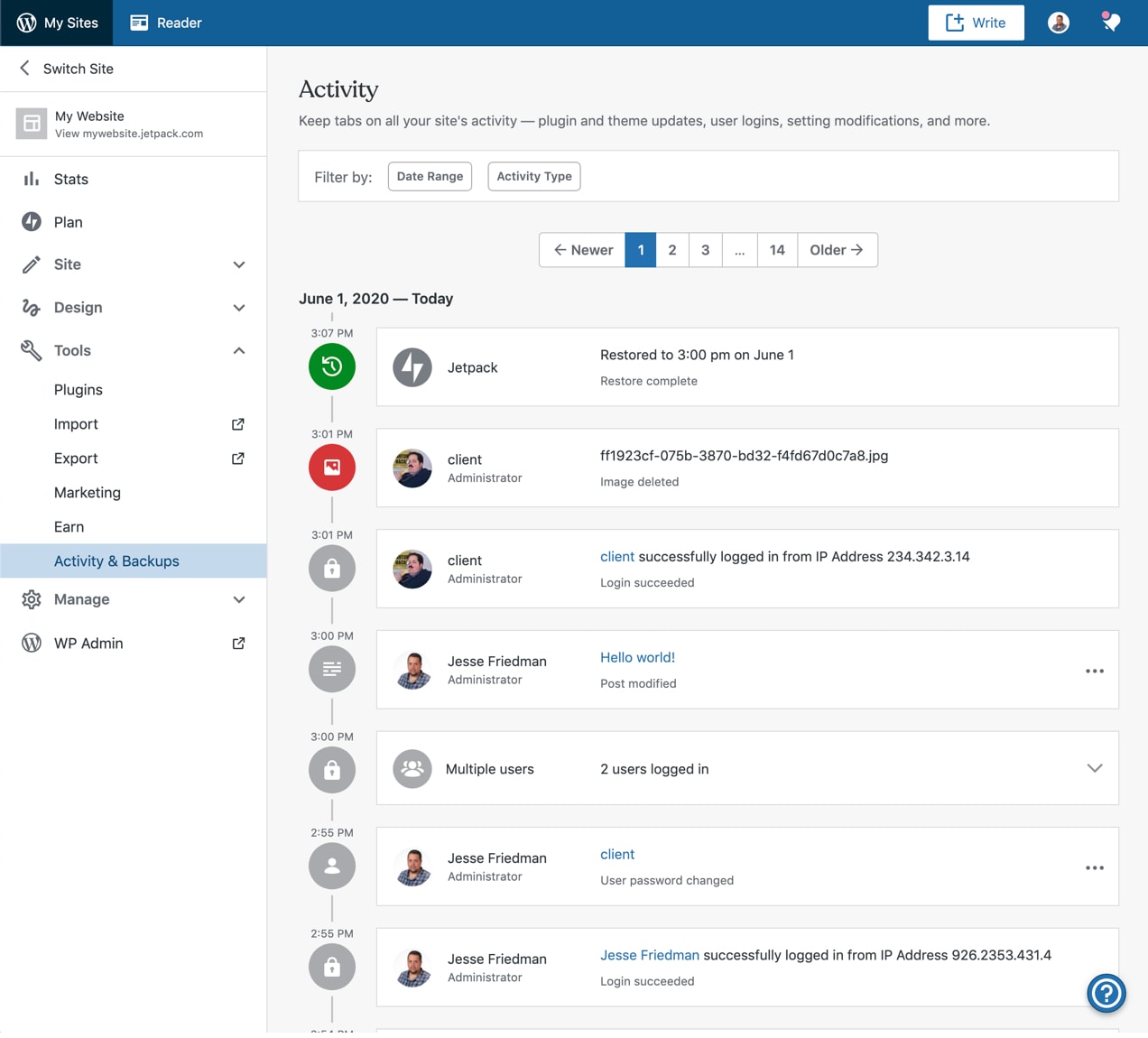
The Hidden Cost of Technical Debt: How Data Loss Stalls Growth
Technical debt in eCommerce is often viewed through the lens of messy code or outdated themes, but the most volatile form of debt is the neglect of data resilience. When a high-volume WooCommerce store scales without an automated, real-time backup infrastructure, it is building on a foundation of unhedged risk. Every successful marketing campaign or product launch increases the potential cost of failure; without redundancy, a single plugin conflict or database corruption doesn’t just cause temporary downtime—it creates a catastrophic loss of momentum that resets your growth trajectory and consumes valuable development resources on site reconstruction rather than revenue-generating features.
- Erosion of Customer Intelligence: Losing historical order data or user profiles destroys the foundation for high-LTV personalization, making it impossible to run effective retargeting or segmentation campaigns.
- Disruption of Automated Revenue: Data loss often breaks the logic behind abandoned cart flows and loyalty triggers, resulting in an immediate and silent leak in your conversion funnel.
- Brand Equity and SEO Decay: Prolonged outages or broken links from a botched restoration signal instability to both Google and your customers, leading to a measurable drop in organic rankings and a permanent increase in Customer Acquisition Cost (CAC).
To sustain scalable growth, WooCommerce merchants must shift from a reactive recovery mindset to a proactive continuity strategy. Decoupling your backup data from your primary server environment ensures that technical debt doesn’t accumulate into a business-ending event. By treating data integrity as a non-negotiable growth pillar, you protect the high-intent traffic and customer relationships that represent your store’s true valuation.
Scaling with Confidence: Real-Time Backups for Predictable Revenue
As a WooCommerce store scales, the standard practice of daily backups becomes a dangerous liability. In a high-volume environment, a single day of data loss could represent hundreds of processed orders, customer registrations, and inventory updates, creating a reconciliation nightmare that stalls growth. Real-time backups eliminate this “data gap” by capturing every change the moment it occurs, ensuring your Recovery Point Objective (RPO) is near-zero. This technical infrastructure is the prerequisite for predictable revenue, as it prevents a single server failure or plugin conflict from erasing your most recent—and often most valuable—transactional data.
- Transactional Integrity: Real-time systems ensure that every customer checkout and payment confirmation is stored off-site and recoverable, preventing the loss of high-intent purchase data during a crash.
- Reduced Mean Time to Recovery (MTTR): Having an up-to-the-second snapshot allows technical teams to restore the environment to its exact state prior to the failure, significantly shortening the duration of conversion-killing downtime.
- Audit Trail Accuracy: For stores utilizing advanced CRM or ERP integrations, real-time backups maintain the synchronization of customer lifecycle data, protecting the accuracy of your retention marketing and attribution models.
Ultimately, investing in real-time backup architecture is about decoupling your revenue potential from technical volatility. By removing the risk of significant data regression, you empower your team to push updates and scale marketing spend with the confidence that the store’s state is always preserved. This structural resilience transforms a reactive disaster recovery mindset into a proactive growth strategy, securing the long-term Customer Lifetime Value that is often sacrificed during prolonged site outages.
Future-Proofing Your Funnel with Automated Store Recovery Strategies
Future-proofing a high-growth WooCommerce store requires shifting the technical perspective of backups from a disaster recovery task to a proactive revenue protection system. In a dynamic environment where inventory levels, customer profiles, and transaction logs change every second, a standard daily backup is insufficient for maintaining funnel integrity. To ensure scalability, merchants must implement a strategy that minimizes the Mean Time to Recovery (MTTR), preventing technical failures from causing permanent customer churn or wasting active advertising spend.
- Real-Time Incremental Backups: Unlike static websites, eCommerce stores require systems that capture every database change—such as a new order or a stock adjustment—the moment it occurs to prevent data gaps during restoration.
- Decentralized Cloud Storage: Storing backups on the same server as the live production environment creates a single point of failure; redundant, off-site storage ensures data is accessible even during total hosting outages.
- Automated Restore Validation: A backup is only as good as its last successful restoration; future-proofing involves using tools that allow for instant staging-site restores to verify the integrity of the data before pushing to production.
By automating these recovery protocols, brands can deploy new features and third-party extensions with significantly higher velocity. This technical safety net allows development teams to focus on conversion rate optimization and scaling the funnel, knowing that the structural integrity of the store and its historical data are decoupled from the inherent risks of iterative web development.
Ready to take your e-commerce to the next level?
While maintaining a robust backup strategy is a technical necessity for mitigating downtime, the broader business reality is that site stability is the non-negotiable foundation for any high-growth WooCommerce store. If your revenue growth is stalling despite high traffic, or if you suspect that recurring technical debt and infrastructure instability are eroding your Customer Lifetime Value (LTV), then treating backups as a mere “safety net” is a costly mistake. For a scaling brand, every minute of downtime is not just a lost transaction; it is a measurable leak in your conversion funnel that damages your brand equity and forces high-intent customers into the arms of competitors.
We help DTC and eCommerce brands eliminate these structural risks and maximize profitability by acting as a strategic extension of your in-house team. Our methodology centers on engineering data-driven systems where tracking, CRM, and automation work in perfect concert to drive ROAS and long-term retention. We move beyond guesswork by conducting rigorous, conversion-focused audits to identify the exact friction points—from technical vulnerabilities to broken data flows—that are suppressing your store’s performance. If you are ready to secure your infrastructure and build a scalable revenue engine designed for maximum growth, book a free consultation with our experts today.