





Many brands operate under the comforting illusion that a growing subscriber list is a direct indicator of healthy revenue expansion, believing that more emails sent will naturally result in more sales. But what if this narrow focus on list size is actually acting as a silent ceiling on your growth? For high-growth eCommerce businesses, the hidden cost of inaction lies in the fragmented customer journey where a lack of a structured email funnel leaves massive amounts of money on the table by failing to nurture prospects through critical decision-making stages.
The hard reality is that in 2026, relying on sporadic broadcasts instead of a precision-engineered email funnel is a recipe for eroding Customer Lifetime Value (LTV). A high-performing funnel is not just a series of messages; it is a data-driven path that programmatically converts casual subscribers into brand advocates at scale. This guide explores the strategic essentials of building and optimizing an email funnel that eliminates technical debt and ensures your automated communication becomes a primary driver for sustainable profitability.
What is an email funnel and how does it work?
An email funnel is a multi-stage communication framework designed to transition prospects from initial awareness to post-purchase advocacy. For WooCommerce merchants, it functions as an automated sales engine that delivers highly relevant, behavior-based content at specific intervals. By mapping email triggers to the customer journey, you ensure that messaging aligns with the subscriber’s intent, whether they are discovering your brand for the first time or evaluating a specific product for purchase.
The system operates through a series of automated workflows that respond to user data and engagement signals. A standard high-growth funnel typically incorporates the following technical stages:
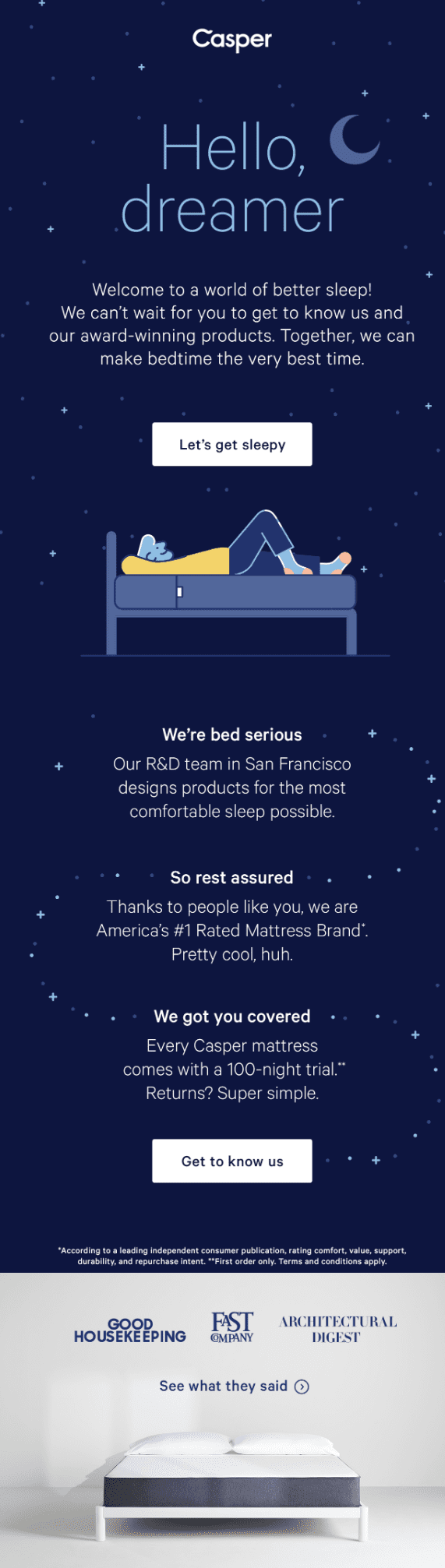
- Awareness and Acquisition: Capturing lead data via opt-in forms and delivering a welcome sequence that establishes brand authority and value.
- Consideration and Nurturing: Using behavioral triggers, such as browsing history or resource downloads, to provide educational content that addresses specific pain points.
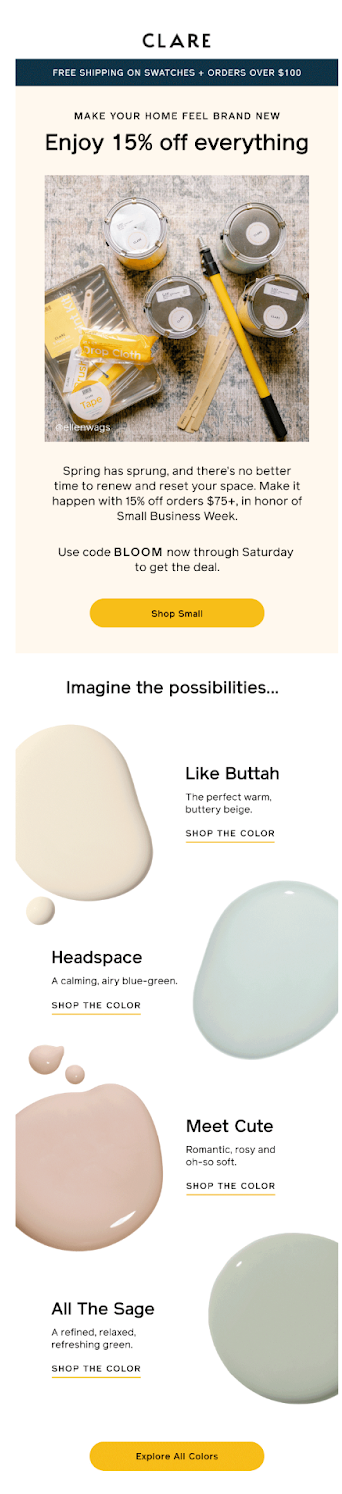
- Conversion and Recovery: Deploying high-intent automations like abandoned cart reminders and time-sensitive promotional offers to secure the initial transaction.
- Retention and Advocacy: Implementing post-purchase follow-ups and loyalty programs to maximize Customer Lifetime Value (LTV) and encourage referrals.
By shifting from manual, one-off broadcasts to this structured lifecycle approach, you eliminate the technical bottlenecks that cause lead leakage. This data-driven strategy allows your store to maintain consistent engagement without manual intervention, ensuring that every subscriber is nurtured according to their unique interaction history with your brand.
Why are email marketing funnels important for WooCommerce?
For high-growth WooCommerce stores, an email marketing funnel is not just a communication tool; it is a critical architecture for stabilizing revenue and maximizing Customer Lifetime Value (LTV). While one-off promotions can drive temporary spikes, a structured funnel automates the progression from anonymous visitor to repeat buyer by delivering contextually relevant content at specific psychological stages of the buying cycle. By aligning your email sequences with the data signals provided by your WooCommerce backend, you ensure that no high-intent lead is lost to friction or indecision.
- Automated Revenue Recovery: Funnels allow you to implement sophisticated cart and browse abandonment sequences that recover potentially lost sales without manual intervention, directly impacting your bottom line.
- Strategic Segmentation: By tracking user interactions within the funnel, you can tag customers based on their purchase history and interests, allowing for hyper-personalized offers that increase click-through rates and brand relevance.
- Predictable Growth Scaling: A well-optimized funnel creates a measurable conversion benchmark, enabling you to calculate exactly how much you can afford to spend on customer acquisition while remaining profitable.
Ultimately, the importance of an email funnel in a WooCommerce environment lies in its ability to build sustainable brand trust. By moving beyond a “batch-and-blast” approach and instead offering value through educational content and timely reminders, you transform transactional interactions into long-term customer relationships. This technical diligence reduces your reliance on expensive paid acquisition channels and creates a resilient, owned audience that fuels consistent expansion.
How to build a high-converting eCommerce email funnel?
Building a high-converting email funnel for a WooCommerce store requires moving beyond a single welcome message toward a multi-stage technical architecture that mirrors the customer journey. For high-growth brands, the primary objective is to shift from manual broadcasts to a behavior-driven system where every interaction is triggered by real-time data signals, ensuring that your communications remain relevant without requiring constant intervention.
- Lead Magnet and Capture: Implement a high-value resource or incentive, such as an exclusive guide or discount, delivered through an optimized opt-in form. This creates a technical handshake that verifies the user’s intent while populating your CRM with actionable data for future segmentation.
- Automated Nurture Sequence: Configure a series of 3-5 emails that establish brand authority and social proof before making a direct sales ask. By addressing common pain points and highlighting unique selling points, you build the necessary trust to move a subscriber from the awareness stage to the consideration stage.
- Conversion and Recovery Triggers: Deploy critical bottom-of-the-funnel flows, specifically targeting high-intent behaviors like cart abandonment. These automated reminders act as a safety net, capturing revenue that would otherwise be lost to technical friction or customer indecision.
To ensure long-term scalability, your funnel must be built on a foundation of clean data and reliable delivery infrastructure. By integrating your WooCommerce backend with a dedicated email service provider, you can leverage advanced tagging and segmentation to deliver personalized experiences that maximize Customer Lifetime Value (LTV) and drive predictable revenue growth.

What are the different stages of an email marketing funnel?
An effective email marketing funnel for WooCommerce is structured to mirror the psychological stages of the buyer’s journey, moving from broad awareness to specific brand advocacy. For high-growth stores, the funnel isn’t just a linear path; it is a data-driven system that utilizes behavioral triggers to deliver the right message at the moment of peak engagement. By segmenting your audience based on their interactions, you can ensure that each stage provides the necessary value to overcome friction and drive the user toward a conversion.
- Awareness: This initial stage focuses on welcoming new subscribers and establishing brand authority through educational content and introductory offers.
- Consideration: Here, the funnel delivers social proof, detailed product benefits, and comparison guides to help high-intent leads evaluate your solutions against competitors.
- Conversion: The critical decision-making phase where personalized incentives, abandoned cart recovery sequences, and time-sensitive promotions are used to finalize the sale.
- Retention: Post-purchase workflows designed to maximize Customer Lifetime Value (LTV) through cross-selling, replenishment reminders, and exclusive loyalty rewards.
Transitioning from a basic broadcast model to a multi-stage funnel allows WooCommerce brands to identify exactly where leads are dropping off in the sales cycle. By optimizing the technical triggers and messaging within each specific stage, you move beyond “batch-and-blast” tactics toward a scalable communications engine that consistently turns anonymous traffic into long-term revenue.
How to optimize your email funnel to increase revenue?
Optimizing an email funnel for WooCommerce requires shifting from a static series of messages to a dynamic, data-driven ecosystem that responds to real-time user behavior. For high-growth brands, the key to increasing revenue lies in identifying friction points where potential customers drop off and implementing technical refinements that enhance relevance and urgency. By leveraging deep integration with your store’s transactional data, you can transition from generic broadcasting to high-precision lifecycle management.
- Behavioral Triggering: Move beyond time-based delays and use specific WooCommerce event hooks, such as viewing a specific category or reaching a cart value threshold, to trigger highly relevant automated sequences.
- A/B Testing Variables: Systematically test single variables like subject line personalization, CTA button placement, and offer depth to identify which elements drive the highest lift in revenue per recipient.
- RFM Segmentation: Use Recency, Frequency, and Monetary data to group customers into cohorts, allowing you to tailor discount levels and content tone based on their specific relationship stage and churn risk.
Ultimately, a high-converting funnel is an iterative engine that demands constant tuning through performance analysis. By focusing on bottom-line metrics like Conversion Rate and Customer Lifetime Value (LTV) rather than just surface-level open rates, you can ensure that every automated touchpoint serves to compound your store’s cumulative growth and profitability.
Ready to take your e-commerce to the next level?
While mastering the architecture of an email funnel is a fundamental step toward engagement, the technical reality for high-growth WooCommerce brands is that a funnel without a data-driven strategy is a recipe for diminishing returns. If your retention efforts feel like they are stalling revenue expansion, or if you suspect that a lack of sophisticated segmentation is causing you to leave money on the table, you are facing a structural barrier to scale. Relying on generic automated sequences rather than high-performance lifecycle flows is not just a missed opportunity; it is a direct compromise of your Customer Lifetime Value and long-term profitability.
To move beyond basic implementation and build a resilient growth engine, you need a partner that synchronizes your technical backend with your broader business objectives. We act as a strategic extension of your team, helping DTC brands maximize Profit, Retention, and LTV through integrated systems where CRM, paid media, and advanced tracking operate in perfect concert. Our process begins with rigorous, conversion-focused audits to eliminate guesswork and identify the exact bottlenecks in your customer journey. If you are ready to transform your email funnel into a scalable system that maximizes ROI, book a free marketing automation audit today.