






While many direct-to-consumer brands view blogging as a secondary pursuit or a simple creative outlet, the reality of the 2026 digital landscape is that organic search remains the most reliable engine for sustainable customer acquisition. The difference between a blog that merely exists and one that functions as a multi-million-dollar revenue driver lies in shifting from sporadic posting to a structured, data-driven SEO infrastructure. When your content ecosystem is properly aligned with search intent, it stops being a cost center and starts delivering high-intent traffic that fills your marketing funnels with consistent, compounding value.
Scaling an eCommerce presence requires more than just high-quality products; it demands a strategic command of search engine visibility and the technical foundations that support it. Relying on social media algorithms or paid ads alone creates a precarious growth model that is increasingly expensive and unpredictable. By integrating sophisticated SEO guidelines, category organization, and authority-building signals like Google’s E-E-A-T, brands can secure their position in the market. This guide breaks down the essential steps to building a customized SEO strategy that transforms your blog into a high-performance asset for long-term commercial growth.
How to build an SEO strategy for a WooCommerce blog?
Building a successful SEO strategy for a WooCommerce blog requires shifting from purely informational content to a framework that bridges the gap between search intent and transactional conversion. For high-growth brands, a blog is not just a passion project; it is an SEO powerhouse designed to capture a broader set of keywords than product pages alone while establishing your store as an authority in your niche. By aligning your content with Google’s E-E-A-T framework—Experience, Expertise, Authority, and Trustworthiness—you create a reliable source of information that attracts prospects and guides them toward a purchase.
- Keyword Research and Intent Mapping: Identify primary and secondary keywords with high search volume but low competition, specifically targeting informational and commercial intent to match what users are searching for at different stages of the buyer journey.
- Content Pillar and Cluster Architecture: Organize your blog into logical categories and sub-categories, using a pillar-cluster system to group related topics, which improves overall website authority and helps search engines understand your site structure.
- Technical SEO Foundation: Ensure your blog is optimized for speed and indexability by maintaining a clean XML sitemap and robots.txt file, while leveraging plugins like SEOPress or Yoast to manage meta tags and schema markup without manual coding.
- Backlink and Internal Juice Strategy: Develop a robust internal linking structure to connect related products and blog posts, while simultaneously pursuing high-quality backlinks through guest posts or influencer partnerships to signal authority to search engines.
To maintain long-term momentum, high-growth eCommerce stores must move beyond manual workflows and implement a structured content calendar to ensure consistent output. Regularly auditing and updating existing content is essential to ensure it remains relevant as user intent and search algorithms evolve over time. By treating your blog as an integrated part of your technical infrastructure rather than an isolated content silo, you create a scalable engine for organic traffic that significantly outperforms paid advertising in long-term ROI.
Why is SEO critical for increasing online store traffic?
In the high-stakes digital marketplace of 2026, organic search remains the primary engine for sustainable eCommerce growth, with over 90% of online experiences beginning on a search engine. For WooCommerce store owners, SEO is not merely a marketing checkbox but a critical infrastructure that connects high-intent shoppers with specific product offerings at the exact moment they are ready to purchase. By establishing high visibility in search results, brands build a compounding asset that reduces long-term reliance on increasingly expensive paid advertising channels.
- Sustainable Customer Acquisition: Unlike paid ads that cease to drive traffic the moment spending stops, optimized organic content can attract visitors for months or years, creating a “flywheel” effect that builds site authority and future ranking potential.
- Increased Conversion through Intent: Targeting buyer-intent keywords ensures that traffic consists of “purchase-ready” searchers rather than casual browsers, significantly improving the ROI of every organic visit.
- Trust and Brand Authority: High organic rankings serve as a powerful trust signal to consumers; shoppers frequently perceive top-ranking websites as more credible than paid advertisements, which is essential for capturing market share in competitive niches.
Furthermore, a robust SEO strategy enhances the overall business valuation by providing predictable, high-margin traffic that is not tethered to constant media spend. By aligning technical performance with high-quality content that meets Google’s E-E-A-T standards, retailers ensure their WooCommerce store remains visible and relevant even as search algorithms and platform rules evolve.
How to use a content calendar for eCommerce revenue growth?
For high-growth WooCommerce stores, a content calendar is not merely a scheduling tool but a strategic roadmap that aligns marketing efforts with commercial objectives. By mapping out content in advance, brands can ensure that every blog post, email, and social update specifically supports upcoming product launches, seasonal promotions, or inventory clearances. This proactive approach eliminates the “filler content” cycle and focuses resources on high-intent topics that drive measurable traffic and conversions.
- Strategic Alignment: Synchronize your publishing schedule with your inventory cycles and key business events to maximize the impact of every piece of content.
- Consistency and Quality: Maintaining a regular cadence builds authority and ensures that your brand stays top-of-mind, preventing the engagement drops associated with sporadic posting.
- Performance Optimization: Use your calendar as a centralized hub to track which topics generate the highest ROI, allowing you to refine your strategy based on actual revenue data rather than assumptions.
Implementing a data-driven calendar within your WordPress environment allows you to bridge the gap between creative production and revenue generation. By leveraging tools like SEOPress to align your calendar with SEO benchmarks, you ensure that your store captures sustainable organic traffic while simultaneously supporting short-term sales goals. This systematic lifecycle management transforms your blog from a passion project into a high-performance engine for scalable growth.
What are the benefits of automated blogging for WooCommerce stores?
Automated blogging transforms a WooCommerce store from a simple storefront into a high-performance content authority by converting raw product data into indexed search content without manual intervention. This shift addresses the structural problem of organic visibility, allowing store owners to build a permanent traffic-generating asset that delivers compounding returns long after traditional paid ads have expired. By leveraging AI to solve customer search intent through educational guides rather than just product listings, brands can scale their organic reach across thousands of long-tail keywords for a fraction of the cost of manual production.
- Drastically Lowered Customer Acquisition Costs (CAC): Automating content creation allows for the generation of high-quality, long-form articles for less than $1 per post, significantly reducing reliance on expensive and temporary paid advertising.
- Increased Search Engine Crawl Frequency: Scalable, consistent posting schedules signal to search engine crawlers that the store is active and reliable, which is a primary factor for ranking product pages on modern search engines.
- Enhanced Domain Authority through Internal Linking: Automated systems create a dense network of internal links between informative blog content and product offerings, helping Google understand the site’s architecture and boosting overall authority.
Ultimately, the real business benefit lies in the cumulative effect of hundreds of indexed pages working in harmony to capture niche traffic that competitors often overlook. By adopting automated workflows, high-growth WooCommerce brands can focus on strategic innovation and revenue expansion while their blog consistently attracts and engages a modern audience at every stage of the funnel.
How to improve blog search visibility using SEOPress?
Improving blog search visibility for a WooCommerce store requires moving beyond basic content creation to technical precision and structured data management. SEOPress Pro streamlines this by providing granular control over how search engines interpret your blog posts, ensuring that every article serves as a high-intent entry point for potential customers. By leveraging professional meta tag optimization and automated XML sitemap generation, you eliminate the indexing bottlenecks that often prevent high-quality content from reaching its target audience.
- Meta Data Optimization: Use the Titles & Metas feature to craft precise, keyword-rich titles and descriptions that boost click-through rates from search results.
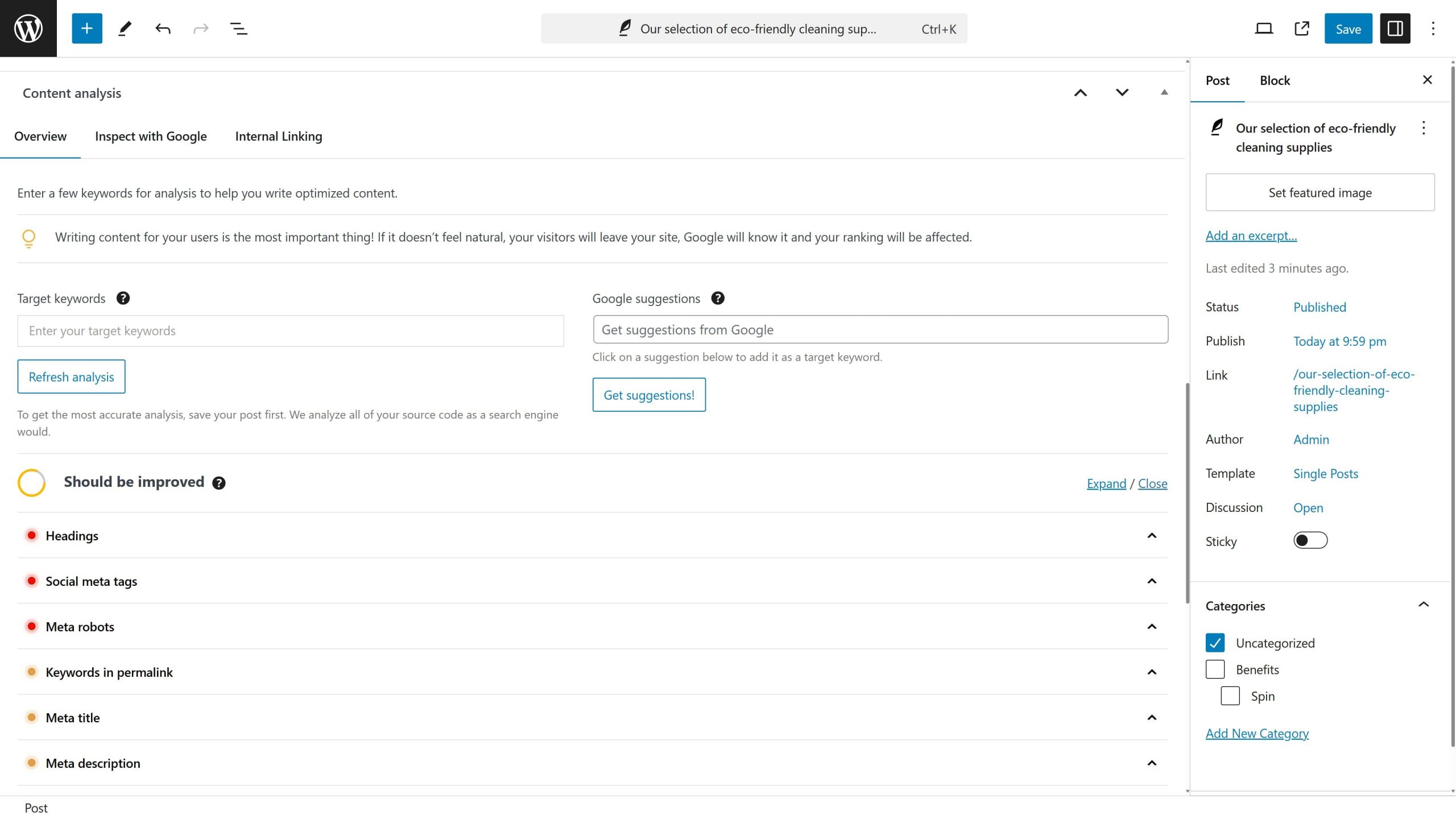
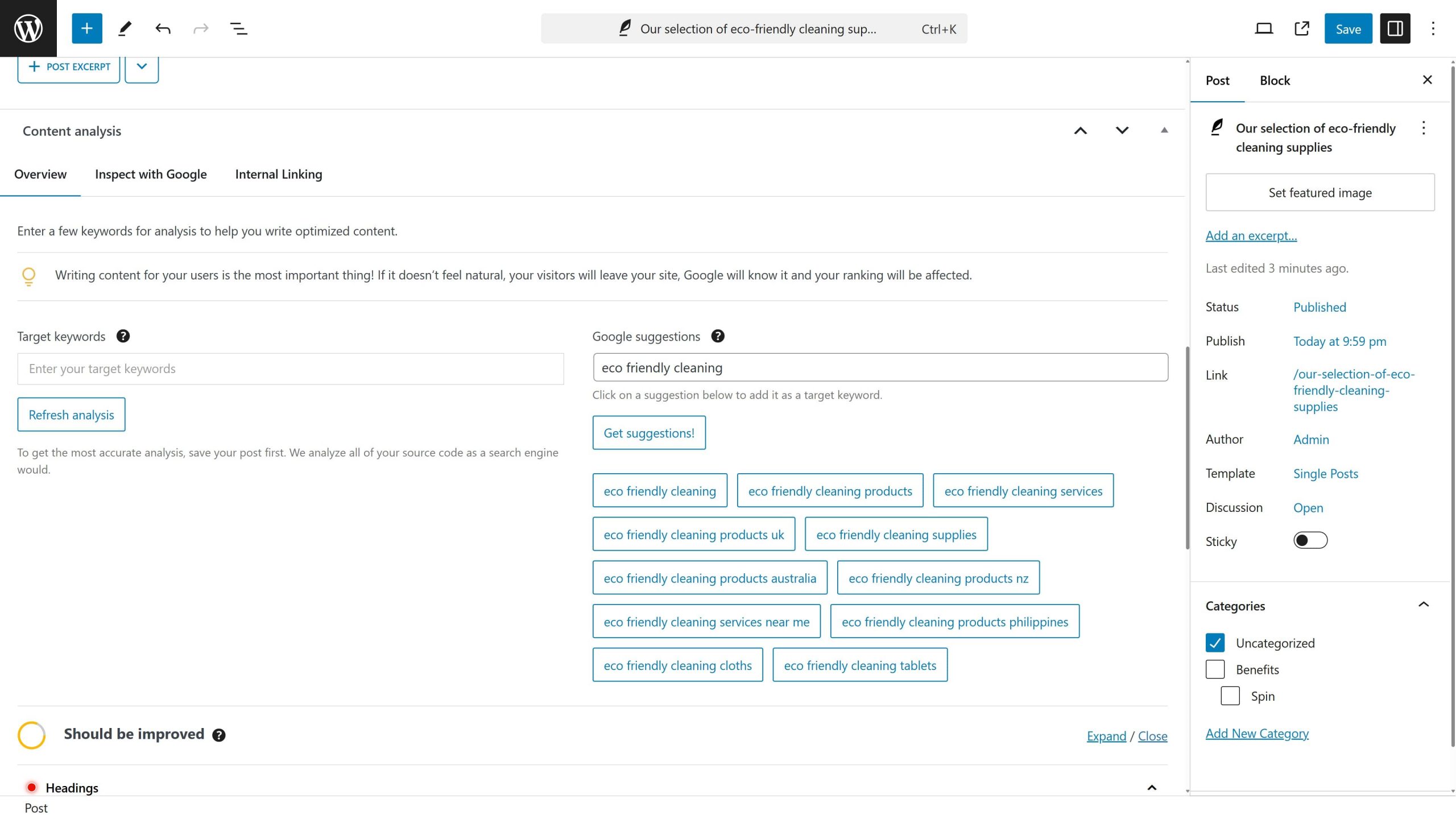
- Content Analysis: Utilize real-time actionable insights to improve keyword density, heading structure, and overall readability directly within the WordPress editor.
- Advanced Sitemaps: Automatically generate and submit XML, Image, and Video sitemaps to ensure search engine crawlers can efficiently index all your visual and written assets.
- Schema Implementation: Apply structured data markup to help your content qualify for rich snippets and AI-driven overview citations, increasing visibility in modern search landscapes.
For a growth-oriented blog, technical health is just as critical as content quality. SEOPress Pro’s ability to manage 301 redirects and analyze backlinks ensures that your site maintains a clean architecture and a strong authority signal. By integrating these technical workflows, you transform your blog from a simple collection of posts into a high-performance engine for sustainable organic traffic and revenue expansion.
Ready to take your e-commerce to the next level?
While mastering SEO and content guides to boost blog traffic is a critical technical foundation, the strategic reality for high-growth WooCommerce brands is that traffic without a conversion-driven framework is merely a vanity metric. If your organic growth feels like it is stalling despite increasing impression counts, or if you suspect that your content is attracting a broad audience rather than high-intent customers, you are facing a structural barrier to revenue expansion. Scaling a blog into a multi-million-dollar business asset requires more than just keywords; it demands a sophisticated alignment of your technical infrastructure with Google’s E-E-A-T principles to ensure every visitor contributes to long-term profitability and LTV.
To move beyond basic traffic generation and build a high-performance eCommerce engine, you need a partner that integrates SEO with your broader data-driven systems. We act as a strategic extension of your team, helping DTC brands maximize Profit and Retention through environments where tracking, CRM, and automation operate in perfect concert to enhance ROAS. Our methodology is centered on eliminating guesswork through rigorous, data-driven and conversion-focused audits that identify exact bottlenecks in your customer journey. If you are ready to transform your blog into a predictable lead machine and maximize your business growth, book a free consultation today.