


Content marketing often exists in a strategic vacuum where production volume is prioritized over commercial impact. For many high-growth eCommerce brands, the inability to connect content performance to actual revenue isn’t just a reporting hurdle; it’s a structural leak that drains marketing budgets and obscures genuine growth opportunities. When reporting is reduced to a list of vanity metrics, leadership is left guessing which assets actually drive customer retention and which are merely taking up digital space.
The shift from intuition-based creative work to a high-performance content engine requires a reporting framework that is intentionally data-led and function-driven. Moving beyond simple page views allows teams to identify the specific KPIs that influence the customer journey and inform smarter resource allocation. This guide breaks down the essential reporting practices and core datasets necessary to transform your content from an overhead expense into a verifiable driver of long-term business value.
What is content marketing reporting for WooCommerce?
Content marketing reporting for WooCommerce is the systematic process of tracking and communicating how your digital content—such as blog posts, product guides, and email campaigns—directly impacts store performance. Unlike generic marketing reports, a WooCommerce-specific report must bridge the gap between audience engagement and transactional data, turning raw activity into actionable information. This ensures every recommendation is grounded in verifiable facts rather than gut feelings, providing a clear, objective view of how content drives revenue.
- Data-Led Foundation: Utilizing quantitative metrics like net sales and qualitative observations of customer behavior to move beyond assumptions.
- Actionable Insights: Moving from simple reporting (the “what”) to analytics (the “why”), allowing you to determine if a revenue increase is sustainable.
- Function-Driven Structure: Documenting critical metrics like campaign performance and budget status to provide visibility for stakeholders.
For high-growth stores, reporting is essential because it identifies patterns in how customers interact with your brand, helping you spot areas for improvement. By regularly reviewing these insights, managers can make better data-driven decisions regarding inventory, product performance, and marketing ROI.
Why are data-led reports critical for eCommerce growth?
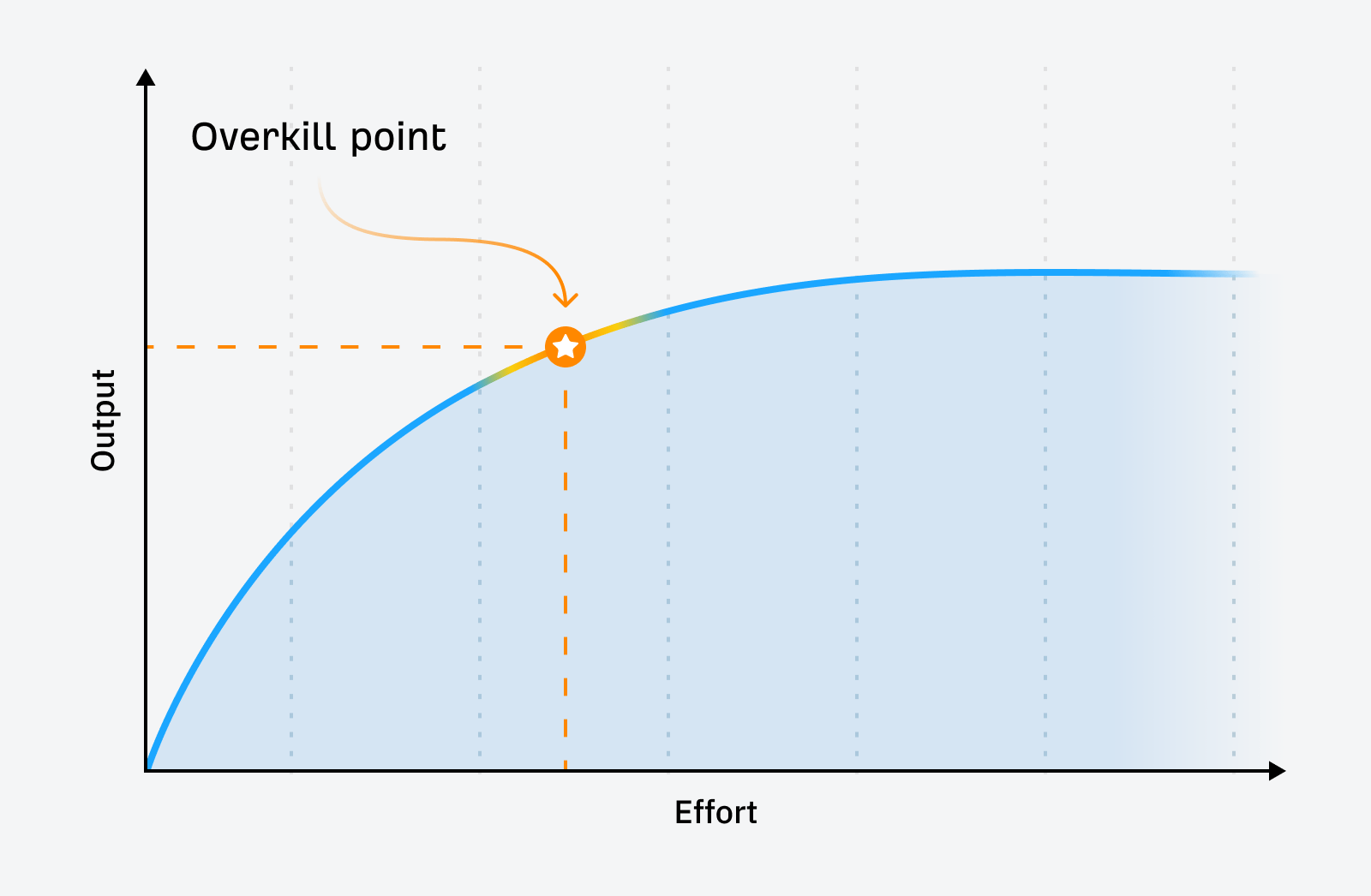
For high-growth WooCommerce stores, moving from gut-feeling decisions to a data-led reporting framework is the difference between scalable growth and stagnant ROI. Data-led reports provide a clear, objective view of content performance by combining quantitative metrics with qualitative observations, ensuring every marketing dollar spent is grounded in verifiable facts rather than assumptions. This objective foundation is critical for identifying which content assets are actually moving the needle on revenue and which are simply creating noise.
- Elimination of Guesswork: Data-led reporting replaces subjective opinions with hard evidence, allowing store owners to forecast consumer behavior and manage inventory with higher precision.
- Strategic Alignment: By anchoring reports to specific KPIs, you ensure that marketing efforts remain focused on corporate objectives and bottom-line impact rather than vanity metrics.
- Actionable Triggers: High-quality reporting transforms data from a passive review into an active signal system, highlighting exactly when and where to intervene in the customer journey to capture peak intent.
Ultimately, embedding these insights into your daily operations allows you to respond to market shifts in real-time, providing a competitive advantage that secures long-term sustainability. Without a data-led approach, even the most sophisticated content strategy risks hitting a silent ceiling, as the lack of feedback loops prevents the optimization required for true eCommerce scaling.
How to choose the best content KPIs for revenue tracking?
Choosing the right KPIs for your WooCommerce store requires a deliberate shift from vanity metrics, like page views and social likes, to business-impact indicators that directly correlate with your bottom line. For a report to be truly data-led and actionable, you must select metrics that reveal how content influences the customer journey and contributes to revenue expansion. This involves moving beyond surface-level stats to track meaningful data that helps you understand the story behind the numbers and align your marketing strategies with measurable growth.
- Customer Acquisition Cost (CAC): Measure the total spend required to acquire a new customer through specific content channels to ensure your distribution remains profitable.
- Customer Lifetime Value (LTV): Track the total revenue a customer generates over their entire relationship with your brand to identify high-value content segments that drive long-term retention.
- Conversion Rate by Content Piece: Analyze which specific blog posts or guides lead to “Order Received” events in WooCommerce to determine your most effective revenue-generating assets.
To effectively track these KPIs, high-growth brands should implement robust attribution models that map every content touchpoint to a specific outcome, such as a trial signup or a completed purchase. Utilizing advanced analytics tools like GA4 or specialized WooCommerce reporting plugins allows you to automate this data collection, ensuring that your decision-making is grounded in verifiable facts rather than gut feelings. By focusing on these business-impact metrics, you bridge the measurement-ROI gap and gain the insights necessary to optimize your sales funnel for sustainable growth.
How to automate content marketing reports in WooCommerce?
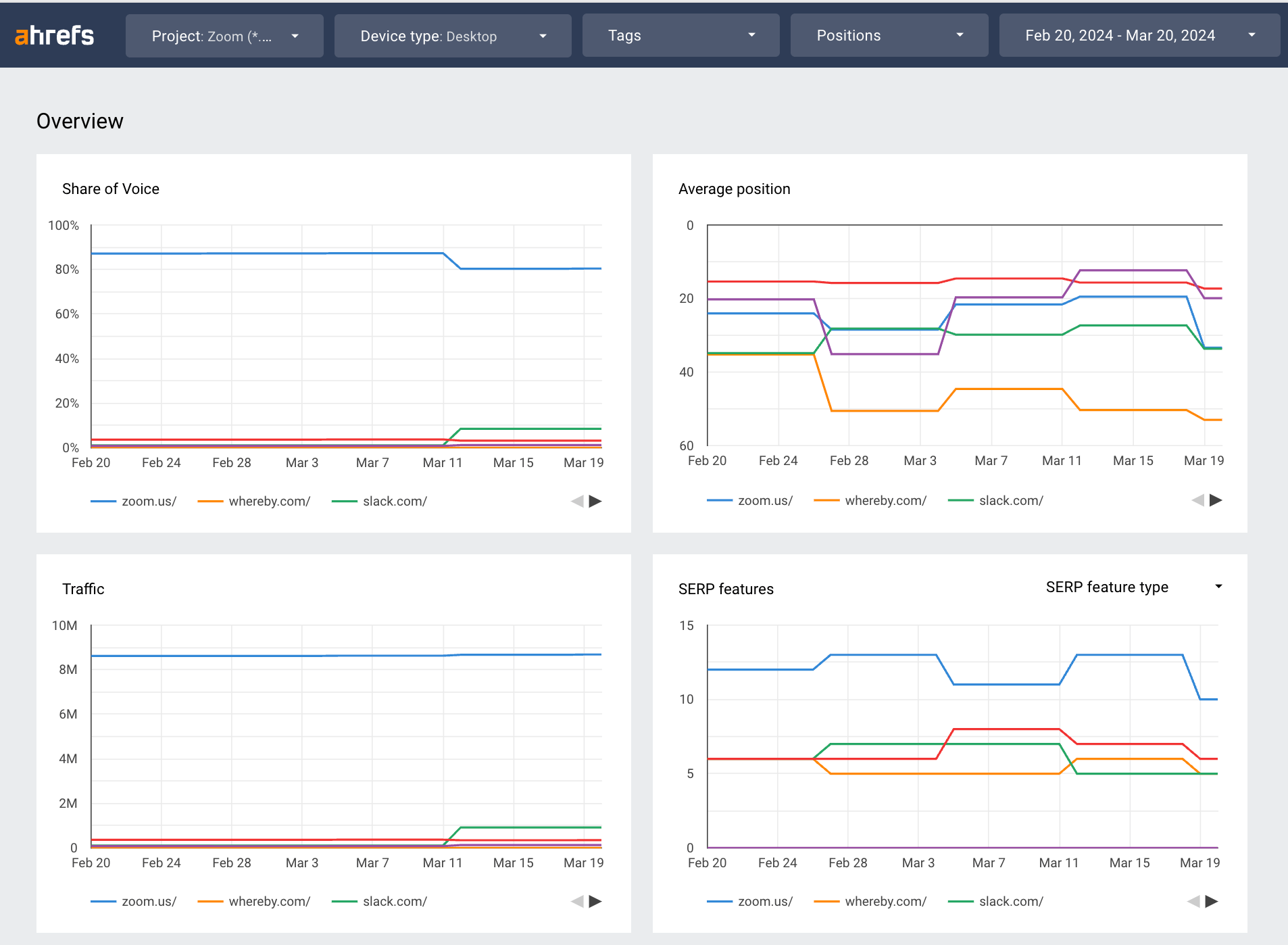
For high-growth WooCommerce stores, moving beyond the “Export Hell” of manual CSV manipulation is essential for maintaining a data-led strategy that actually drives revenue. Automating your content marketing reports ensures that decision-making is grounded in real-time facts rather than outdated spreadsheets, which often become obsolete by the time they are finalized. By leveraging specialized plugins or external analytics integrations, you can shift your focus from data collection to high-level analysis and execution.
- Integration with Advanced Analytics: Connect your store to tools like Google Analytics 4 or dedicated WooCommerce analytics platforms to automatically sync sales data with content performance metrics, bypassing the limitations of native reporting.
- Automated Data Exports: Utilize plugins to schedule recurring exports of critical datasets—such as product sales by category or customer acquisition sources—directly to your email or cloud storage.
- Scheduled Dashboard Delivery: Implement tools that package your KPIs into a visual dashboard and email them to your team on a fixed schedule, ensuring consistent monitoring of sales velocity and content ROI.
Transitioning to an automated reporting infrastructure is a critical move to eliminate the technical debt and operational drag associated with manual workflows. This systematic approach allows you to identify bottlenecks in your conversion funnel instantly, ensuring that every content recommendation is backed by verifiable data that supports long-term eCommerce expansion.
What are the best practices for content marketing reporting?
Establishing an effective content marketing reporting framework for WooCommerce requires moving beyond surface-level vanity metrics to a system that demonstrates a clear link between content activity and revenue expansion. For high-growth brands, a robust reporting strategy must be built on a foundation of verifiable data and structured methodologies to transform raw observations into reliable tools for strategic decision-making. Success is found when reports are data-led, objective, and designed to align with overarching business goals rather than just tracking clicks.
- Data-Led Objectivity: Utilize a mix of quantitative metrics and qualitative observations to provide a clear view of performance, ensuring every insight is grounded in verifiable facts rather than gut feelings.
- Automate the Grunt-Work: Implement automated data collection and processing to reduce manual entry errors, ensure consistency, and allow your team to focus on high-level analysis and strategy.
- Stakeholder Alignment: Regularly gather feedback from users and leadership to ensure reporting remains relevant to current business questions and provides the actionable intelligence needed to drive ROI.
Ultimately, your reporting should be a future-ready framework that connects technology initiatives to tangible business outcomes. By establishing regular reporting intervals and a unified data approach, WooCommerce store owners can eliminate guesswork, adapt quickly to market changes, and maximize the long-term growth potential of their content assets.
Ready to take your e-commerce to the next level?
While mastering the best practices of content marketing reporting is a critical technical step, the business reality for high-growth WooCommerce brands is that data without a direct link to profitability is merely a collection of vanity metrics. If your reporting efforts feel like they are stalling revenue expansion, or if you suspect that your current content strategy is failing to drive measurable Customer Lifetime Value (LTV), you are likely facing a structural gap in your tracking and attribution. Relying on gut feelings or unoptimized reporting frameworks is not just a strategic oversight; it is a direct compromise of your ability to scale your media spend and maximize your return on investment.
To move beyond basic reporting and build a high-performance eCommerce engine, you need a partner that synchronizes your content performance with your broader growth objectives. We act as a strategic extension of your in-house team, helping DTC brands increase Profit and Retention through data-driven systems where advanced tracking, CRM, and automation work in perfect concert. Our methodology is centered on eliminating guesswork through rigorous, data-driven and conversion-focused audits that identify the exact bottlenecks in your customer journey. If you are ready to transform your reporting into an actionable roadmap for revenue growth, book a free marketing automation audit today.



Comments