


Scaling an online store does not simply multiply the existing operation; it often breaks the underlying math and mechanics of the company as operational complexity begins growing faster than existing systems can manage. Founders frequently mistake raw revenue growth for true scaling, failing to realize that increasing traffic before addressing backend inefficiencies is like pouring fuel into a leaky tank. In the high-velocity environment of 2026, the brands that maintain long-term profitability are those that prioritize operational synchronization and margin protection over vanity metrics.
Success in this increasingly crowded landscape requires a shift from reactive problem-solving to disciplined, strategic execution focused on the few levers that actually move the needle. While a typical merchant’s to-do list is endless, an unfair competitive advantage is reserved for those who can identify and master the critical pillars of growth—visibility, synchronization, and retention. Understanding these essential success factors is no longer optional; it is the fundamental requirement for transforming a fragile growth spurt into a sustainable market presence.
What are the most important ecommerce success factors for WooCommerce?
For high-growth WooCommerce brands, success is not determined by the sheer volume of tasks completed, but by the strategic prioritization of factors that drive compounding value. In a market where 61% of strategic plans shift within a year, the ability to build a flexible and adaptive ecosystem is what separates market leaders from those experiencing stagnant ROI. For many merchants, the hidden cost of inaction lies in adhering to rigid, legacy workflows that cannot scale, creating a “suffer ceiling” that eventually leads to low-quality output and operational burnout.
- Sustainable Profitable Growth: Focus on increasing household penetration as the primary predictor of sales, while maximizing unit economic value to expand the profit pool for all stakeholders.
- Adaptive Technical Infrastructure: Leverage the open-source flexibility of WooCommerce to evolve your site without the need for frequent, costly re-platforming, ensuring your systems can adapt to shifting consumer habits.
- Differentiated Customer Experience: Utilize data-driven insights and behavioral triggers—such as automated abandoned cart recovery—to provide personalized communication that builds trust and increases Customer Lifetime Value.
Achieving an unfair advantage requires moving beyond simple automation to an integrated system where performance compounds over time. By auditing your data foundations and focusing on high-leverage pillars like penetration and unit economics, you transform your store from a siloed operation into a resilient marketing ecosystem capable of capturing revenue at every point of the customer journey.

Why is email marketing automation critical for ecommerce growth?
In the hyper-competitive WooCommerce landscape, email marketing automation has transitioned from a default revenue driver to a structural necessity for sustainable growth. For high-growth brands, the critical challenge is not just sending emails, but ensuring that mission-critical messages reach the audience at the exact moment of peak intent without constant manual intervention. By shifting from generic broadcasts to data-driven behavioral triggers, businesses can effectively eliminate the “silent ceiling” on their revenue caused by human latency and unoptimized communication workflows.
- Personalization at Scale: Automation allows brands to deliver customized messages based on real-time customer behaviors and demographics, which strengthens relationships and significantly boosts long-term retention.
- Operational Efficiency: By automating routine tasks like lead nurturing and transactional receipts, lean teams can free up capacity to focus on high-impact creative strategies and innovation.
- Improved ROI and LTV: Automated sequences capture lost sales through abandoned cart recovery and browse abandonment flows, directly increasing Customer Lifetime Value while reducing the manual cost of outreach.
However, successful automation requires a foundation of strategic balance; over-automating can lead to a mechanical brand voice that diminishes authenticity and alienates customers. To maximize impact, WooCommerce store owners must implement structured feedback loops where human insights from customer service teams continually inform and refine automated processes. This technical diligence ensures that your marketing engine remains a human-centric tool for growth rather than a generic bottleneck.
How to use customer segmentation to increase online sales?
For high-growth WooCommerce stores, customer segmentation is the strategic process of dividing your audience into granular groups based on shared behavioral, transactional, and psychographic data. By moving beyond basic demographics to analyze how customers actually interact with your store, you can replace generic broadcasting with highly relevant messaging that addresses specific needs and pain points. This precision ensures that your marketing resources are focused on the segments with the highest potential for revenue expansion and long-term Customer Lifetime Value (LTV).
- RFM Modeling: Use Recency, Frequency, and Monetary data to identify your most valuable customers and those at risk of churn, allowing for targeted re-engagement or loyalty rewards.
- Lifecycle Stage Mapping: Categorize users based on their journey—from awareness to advocacy—to deliver educational content to new prospects and high-intent offers to those ready to buy.
- Behavioral Triggers: Implement micro-segmentation based on real-time actions, such as last product viewed or intent to purchase, to trigger personalized recommendations that increase conversion rates.
Executing a data-centric segmentation strategy transforms your store into a high-performance engine that maximizes ROI by matching the right offer to the right customer at the exact moment of peak intent. This structural shift from a one-size-fits-all approach to a personalized experience not only improves immediate online sales but also builds the sustainable emotional engagement necessary to outpace competitors in a hyper-competitive market.
When should I automate my ecommerce marketing workflows?
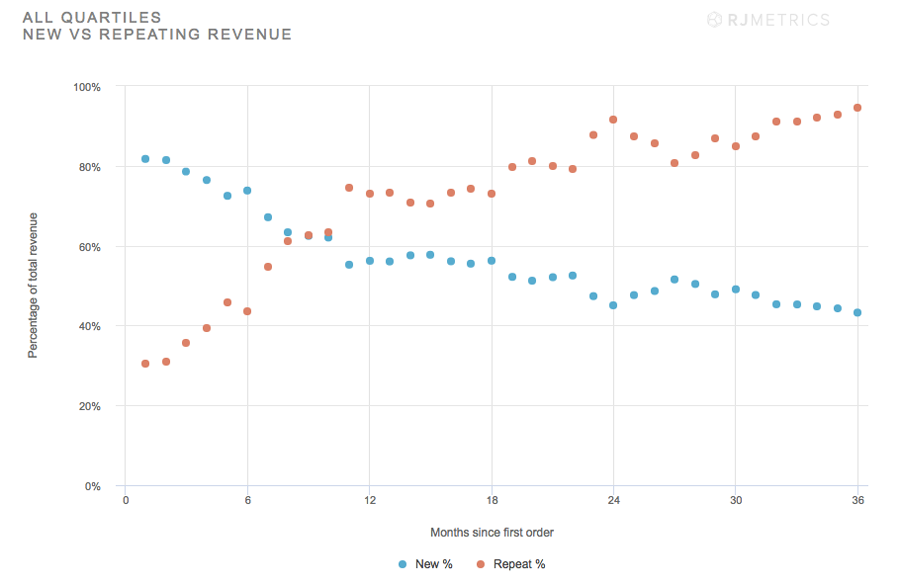
For high-growth WooCommerce stores, the ideal time to automate marketing workflows is the moment manual intervention starts to create a “silent ceiling” on your revenue expansion. When your team spends more time managing spreadsheets and manually triggering emails than on high-level strategy, you are facing a technical bottleneck that erodes your competitive advantage. Strategic automation should be prioritized when you identify high-impact areas where human latency leads to missed opportunities, such as delayed cart recovery or unsegmented promotional broadcasts.
- High Volume of Repetitive Tasks: If manual processes like tracking customer browsing behavior or sending individual follow-ups are consuming significant time, automation can free up resources for rapid growth.
- Data-Rich Decision Making: Automation is critical when your store generates enough data to support behavioral triggers, allowing you to deliver personalized content based on real-time customer intent.
- Inconsistent Customer Journeys: You must automate when the lack of a cohesive, always-on strategy results in disjointed messaging that fails to nurture leads effectively through the sales funnel.
However, automation is not a “set and forget” solution; it requires a foundation of clean data and regular human oversight to avoid creating robotic, generic interactions that alienate your audience. To maximize ROI, prioritize candidates for automation using an impact-effort matrix, focusing on workflows like abandoned cart recovery that offer immediate revenue recovery with minimal technical overhead.
How to improve WooCommerce conversion rates through personalized communication?
Improving WooCommerce conversion rates requires moving beyond basic transactional interactions to a strategy of hyper-personalization that addresses individual customer needs and behaviors in real-time. By leveraging deep insights into customer lifecycles and historical data, brands can deliver relevant content and offers that exceed expectations and build long-term brand equity. This data-driven approach transforms generic outreach into a high-leverage tool for revenue expansion by capturing customer intent at critical moments.
- Behavioral Triggers: Use real-time data to automate communications based on specific actions, such as abandoned carts or viewed products, to ensure messages are timely and relevant.
- Dynamic Content: Implement content that adapts to each subscriber’s journey, utilizing past purchase history and engagement trends to drive higher click-through rates.
- Advanced Segmentation: Move from static lists to dynamic segments that automatically update based on customer interactions, allowing for more precise targeting and personalized product recommendations.
Ultimately, personalized communication acts as a key differentiator in a competitive market by fostering emotional connections and increasing customer loyalty. When these personalized strategies are executed effectively, they generate significantly higher conversion rates and a better marketing ROI than traditional, generic campaigns.

Ready to take your e-commerce to the next level?
While mastering essential success factors is a critical baseline, the technical reality for high-growth WooCommerce brands is that even the best plans can be derailed by operational silos and fragmented data. If your growth efforts feel like they are stalling despite increasing traffic, or if you suspect that a lack of integrated systems is causing you to leave significant revenue on the table, you are facing a structural barrier rather than a simple marketing challenge. Relying on isolated tactics instead of a cohesive operating system is a direct compromise of your ability to scale profitability and maintain an unfair advantage in an increasingly competitive market.
To move beyond generic strategies and build a high-performance growth engine, you need a partner that treats your technical infrastructure as a strategic asset. We act as a data-driven extension of your in-house team, helping DTC brands maximize Profit, Retention, and LTV through systems where advanced tracking, CRM automation, and paid media work in perfect concert. Our methodology eliminates guesswork through rigorous, conversion-focused audits designed to identify the exact bottlenecks in your customer journey. If you are ready to transform your WooCommerce store into a scalable system that maximizes ROAS and long-term growth, book a free marketing automation audit today.

Comments